


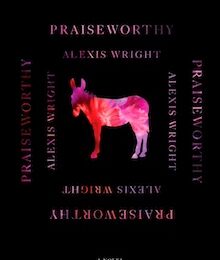
TMR 22.6: “Nuisance Bugger Donkeys” [Praiseworthy]
Chad and Kaija make up this week's panel as they play the "Slang Game," then discuss the elliptical meta-structure of the book and how ...
TMR 22.5: “Maximum Superhero Cop-God” [Praiseworthy]
"Who's Stronger?" is the game of the week in this episode about the Maximum Superhero Cop-God's arrival in Praiseworthy to quell the ...
TMR 22.4: “Devotion to Off-Grid Religions” [Praiseworthy]
Emmett Stinson (Murnane) joins Chad W. Post and Kaija Straumanis this week to educate us about Australian culture and literature and ...
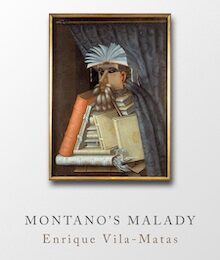
More “Montao’s Malady” (Excerpt)
Following up on yesterday's post, this excerpt from Montano's Malady is just too perfect not to share. Enjoy and preorder the forthcoming Dalkey Archive edition of Vila-Matas's brilliant, twisty book here. April 21 “I’m absolutely convinced that publishing being in the hands of ...
>
TMR 22.3: “Tommyhawk!” [Praiseworthy]
This episode could be titled, "Dead Bodies in Water," as Chad and Brian talk about the unfortunate situation in Rochester and the juxtaposition of Absolute Sovereignity trying to drown himself while his brother, Tommyhawk!, watches, doing nothing to save him. There's also more talk about Bluey, but also ...
>

Three Percent #191: Raymond Queneau
To celebrate the first-ever English-language publication of Raymond Queneau's Sally Mara's Intimate Journal, and the reissue of Pierrot Mon Ami as a Dalkey Essential, Chris Clarke (whose retranslation of Queneau's The Skin of Dreams is forthcoming from NYRB) and Daniel Levin Becker (infamous member ...
>
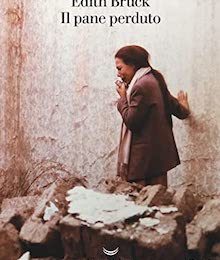
Edith Bruck: Recounting the Holocaust Until She Can’t
Il Pane Perduto by Edith Bruck (La Nave di Teseo, 2021) Review by Jeanne Bonner When Edith Bruck was 12 years old, she was deported to Auschwitz, and was immediately separated from her mother in a brutal scene. In her new memoir, Bruck writes that later, after being yanked away, another prisoner ...
>
The Visual Success of Women in Translation Month [Translation Database]
Women in Translation Month is EVERYWHERE. Whenever I open Twitter (or X?), my feed is wall-to-wall WIT Month. Tweets with pictures of books to read for WIT Month, links to articles about WIT Month and various sub-genre lists of books to read during WIT Month, general celebratory tweets in praise of ...
>
Best Translated Book Award 2021
Over the past year, we (mostly me and Patrick Smith) have been discussing ways to tweak the Best Translated Book Awards to continue to serve the international literature community in a way that can supplement the other major translation awards out there. When the pandemic hit and the world went on ...
>