

Thinking About Book Reviews
Clarice Lispector is undoubtedly one of the great writers of the past century. Her recent rediscovery—sparked off by the reissuing of The Hour of the Star in Ben Moser’s new translation—is definitely merited, and will hopefully usher in a time in which any number of very deserving female authors from the ...
>

Chronicle of the Murdered House by Lucio Cardoso [Early Reviews]
The pub date for Chronicle of the Murdered House by Lúcio Cardoso, which is translated from the Portuguese by Margaret Jull Costa and Robin Patterson, with a biographical note from Ben Moser officially came out on Tuesday, December 13th. To celebrate the release of this Brazilian masterpiece, we’ll be running a ...
>
A Few Good Reviews
Over the past few days, a few great reviews for Open Letter authors popped up online, all of which are worth sharing and reading. First up is P.T. Smith’s review for Full Stop of Sölvi Björn Sigurðsson’s The Last Days of My Mother, translated from the Icelandic by Helga Soffía Einarsdóttir: As a ...
>
Reviews in Translation
This post is courtesy of BTBA judge, Scott Esposito. Scott Esposito blogs at Conversational Reading and tweets. So here are some things that I’ve reviewed, will review, or will do something with in some way at some point that I think are strong contenders for the 2013 BTBA. First up: The Ingenious Gentleman and Poet ...
>
Quarterly Conversation #30 [The Reviews]
The reviews are one of the standard features in every issue of Quarterly Conversation. and there’s a ton of great pieces in this new issue. These are just a few of the highlights. Taylor Davis-Van Atta on Stig Sæterbakken’s Siamese, translated from the Norwegian by Sean Kinsella and Self-Control, translated ...
>
Six Words: More. Reviews. Of. Open. Letter. Books.
NPR is going all nationalist and public and polling their listeners on what they’d like to hear in terms of book reviews and book coverage: What makes a book review worth reading? What type of books should NPR cover more? What do we write about too much? Who are you people, and what do you want? As editors ...
>
Summer/Fall Previews
One of the best literary blogs out there has be The Millions. Consistently good features. Excellent writing. Interesting aesthetic taste. Et cetera. As proof, here’s a link to their Great 2010 Book Preview column that highlights a lot of interesting books coming out this summer and beyond. And although these ...
>
Kirkus Reviews, Out!
As was announced yesterday, Kirkus Reviews (and Editor & Publisher) is shutting down. Which kind of has people a bit worked up. It’s not every day that you see such a palpable sign of your industry’s troubles as when one of the few pure trade publications just ceases to be. When I was at Dalkey, a Kirkus ...
>
A Few Good Reviews for Open Letter Titles
This was a great week for Open Letter books, with three of our recent releases getting some nice coverage: First up was Hannah Manshel’s review of Death in Spring for The Front Table: In English for the first time in Martha Tennent’s translation, Death in Spring is about a society that finds highly elaborate ...
>
Recent Reviews of The Pets
Bragi Olafsson’s The Pets came out a few months ago, but with Iceland and its overturned government in the news these days, it’s a pretty good time for reviews to be appearing . . . Just this week two new reviews came out, the first being Lara Tupper’s piece in The Believer, which puts Olafsson’s novel ...
>
Two More Taker Reviews
Rubem Fonseca’s The Taker and Other Stories continues to get some really good coverage, including two recent reviews at The Front Table and The National. The Front Table is Seminary Co-op’s online newsletter/review magazine. It’s been around in one form or another for almost two decades, and the current ...
>
More Nobody's Home Reviews
As Dubravka Ugresic’s reading tour winds down—her final event is a conversation with Brigid Hughes on Tuesday at 7pm at Melville House Press—her review coverage continues to expand. Most recently Booklit gave the book a long, thoughtful, positive review, my favorite part of which is the ...
>
Recent Reviews of Literature in Translation
There are a couple of decent reviews of works in translation from the Sunday papers that are worth mentioning. The first is a review of Carlos Fuentes’s Happy Families that appeared in the San Francisco Chronicle: In his latest short-story collection, “Happy Families,” Mexican author Carlos Fuentes ...
>
Early Reviews of Dubravka Ugresic and Her Tour
A couple of the early reviews for Dubravka Ugresic’s i>Nobody’s Home came out recently, with Library Journal stating that she “leaves no stone unturned and no thought contained, doing what she does best: writing about the human condition through her own experience” and Kirkus calling this collection ...
>
Early Titlepage.tv Reviews, Um, Not So Good
We announced the first Titlepage.tv episode yesterday and then watched about 15 minutes before leaving it paused on a goofy Charles Bock grimace for the rest of the day. That’s approximately 10 minutes, 33 seconds more than Jessa from Bookslut watched. And Sarah Weinman has a list of ten ways to improve the show, ...
>
Two New Reviews
This week we posted two new reviews, both of titles published by Archipelago. The first is a review by E.J. of The Waitress Was New by Dominique Fabre. (Fabre will be touring throughout the U.S. starting later this month. All the current dates can be found at Archipelago’s site.) Jeff Waxman gives Yalo by Elias ...
>
Danny Yee reviews The Melancholy of Resistance
In the face of unbridled lust for power, withdrawal from the world will fail, whether to the bourgeois’ fortified home, the philosopher’s intellectual retreat, or the dreamer’s imaginative world. Krasznahorkai doesn’t offer this as a political or moral lesson, however, but rather explores the ...
>
Reviewing Reviews of Translations
As touched upon in the roundup post I did about the Reviewing Translations panel at the Miami Book Fair International, there are a lot of issues involved when reviewing a translation. Especially related to the hows and whys of commenting on the quality of the translation. To many, one of the big problems is the ...
>
PW Reviews — More about Priorities
Publishers Weekly is one of my favorite review sources, providing a slew of brief, intelligent reviews every week. I especially like the fact that they cover a higher percentage of independent, small press, and university presses than most newspapers or magazines. In this week’s reviews there’s a nice write-up ...
>
This Week's PW Reviews
Couple interesting books reviewed in this week’s “Publishers Weekly,” including the latest Lydie Salvayre book, Power of Flies. Salvayre’s fifth novel to be translated into English is a tightly introspective series of first-person confessions by an arrogant murder convict whose life was transformed by ...
>
This Week's PW Reviews
The August 6th set of Publisher Weekly fiction reviews are now online and feature a couple of interesting books in translation. The first is Cries in the Drizzle (which sounds like a translated title) by Yu Hua “depicts a family’s life in the Zhejiang province of Maoist China during the 1970s.” According ...
>
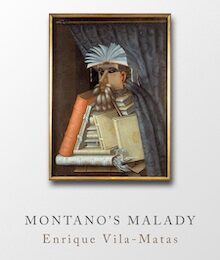
A Venn Diagram of Not Reading
“If I actually finish a book, I feel like I deserve a Nobel Prize.” “I can't even guess when I last read a book. But I'd watch movies all day if I could. Especially Marvel ones.” Overheard on a University of Rochester Shuttle “In the last decade, she says, history has toppled from the king of disciplines to a ...
>
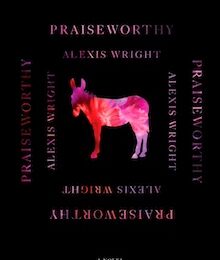
Season 22 of the Two Month Review: “Praiseworthy” by Alexis Wright
It's almost time for the next season of the Two Month Review to get underway! We announced the book—Praiseworthy by Alexis Wright—but here, at long last, is the official schedule and some background information. I'm going to be completely honest here: All I've read by Wright is the first 58 pages of Carpentaria, the ...
>
Eleven Books, Selected
My parents are straight-up hoarders. Not of foodstuffs or other animal attractant stuff; nothing that will quite land them on a nightmare HGTV show (one that airs right after Flipanthropy), but hoarders nonetheless. Of paper, mostly. Checklists from the early 80s show up on the regular. I currently have a gym bag ca. 1993 ...
>
TMR 20.2: “THE ULTIMATE IN BIZARRE BEAUTY!!” [MULLIGAN STEW]
Loveletters galore! Lists without context! Repurposing life for fiction! More puzzles! Terrible book reviews! An insufferable, pretentious elementary school essay! This episode has it all—and more! (As Lamont would say.) This week's music is "All Your Fails" by Kevin Drew. You can find all previous seasons of TMR on ...
>
The Visual Success of Women in Translation Month [Translation Database]
Women in Translation Month is EVERYWHERE. Whenever I open Twitter (or X?), my feed is wall-to-wall WIT Month. Tweets with pictures of books to read for WIT Month, links to articles about WIT Month and various sub-genre lists of books to read during WIT Month, general celebratory tweets in praise of Meytal Radzinski for ...
>

Season 18 of the Two Month Review: Ann Quin Is the Missing Link
Before we get into this post, I just wanted to congratulate Annie Ernaux and all of her publishers and translators on winning the 2022 Nobel Prize for Literature. She's a legend, and I have a special place in my heart for Cleaned Out, since that was a Dalkey book. (And the first of hers I read.) And also want to send a shout ...
>
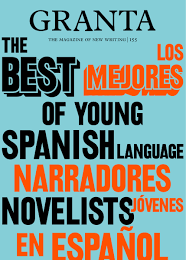
Three Percent #185: More Granta!
Veronica Esposito joined Chad and Valerie Miles to continue talking about Granta's second list of "Best Young Spanish-language Novelists." They talk about some of the recent Spanish reviews—and criticisms—of the list, about writing the periphery, about science-fiction and the differences between the 2010 list and the ...
>
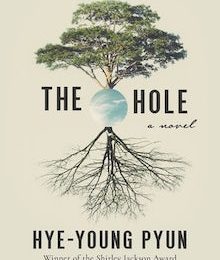
The Hole vs. The Hole vs. Algorithms vs. Booksellers
Although it's still hard to get truly excited about writing—and harder to imagine anyone reading this, given all that's going on in the world—it was pretty fun working on that last post about October titles that I wish I had the time and attention to read. So, why not do it again? Even if these posts are shambolic and ...
>
Why I Haven’t Written Any of My Posts
The other night, when I first attempted to write this post, I was shocked to find that the last "real" post I'd written (the nutty Baudrillard in the Time of COVID/Baseball is Back! experiment), posted on July 29th. July! That was almost three months ago. Where did the time go? And why haven't I written anything since ...
>
A Very Incomplete List of Books by Women in Translation in 2020 [#WITMonth]
I know that I'm a day behind—trying to make up for that right now—but my goal for Women in Translation Month 2020 is to post something each and every day of the month related to this topic. I'm inviting any and all readers, translators, publishers to contribute to this and, with a lot of luck a bit of work, we should have ...
>
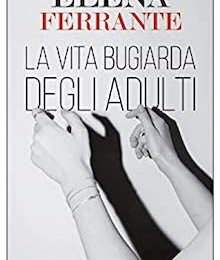
“La vita bugiarda degli adulti” by Elena Ferrante
La vita bugiarda degli adulti by Elena Ferrante 283 pgs. | pb | 9788833571683 | €19,00 edizioni e/o Review by Jeanne Bonner If all had gone as planned—which is to say if a global pandemic hadn’t bulldozed our normal lives—this summer, you might have been reading Ann Goldstein’s English translation of La vita ...
>
“The Cheffe: A Cook’s Novel” by Marie NDiaye [Why This Book Should Win]
Check in daily for new Why This Book Should Win posts covering all thirty-five titles longlisted for the 2020 Best Translated Book Awards. Marcel Inhoff is completing a doctoral dissertation at the University of Bonn. He is the author of the collection Prosopopeia (Editions Mantel, 2015), and Our Church Is Here (Pen and ...
>

There Are Worse Timelines [An April 2020—Is It Still 2020?—Reading Journal]
Following the [Chernobyl] accident, physicists calculated that there was a ten percent risk that a nuclear explosion on an unimaginable scale would take pace within a fortnight. Such an explosion [. . .] would have been equivalent to forty Hiroshima bombs going off at the same time, and would have rendered Europe ...
>
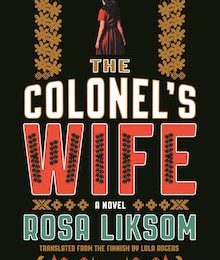
Lola Rogers on “The Colonel’s Wife” by Rosa Liksom [The Book That Never Was, Pt. 2]
You can find part one here. Finnish Literature LR: As you know, Finnish literature is just like the language. It's different. It's more different from English literature than, say, German literature is. CWP: What kind of things mark Finnish literature as “different”? LR: Well, I think The Colonel’s Wife is a ...
>
Lola Rogers on “The Colonel’s Wife” by Rosa Liksom [The Book That Never Was, Pt. 1]
The Colonel's Wife by Rosa Liksom, translated from the Finnish by Lola Rogers (Graywolf Press) BookMarks Reviews: Five total—Four Positive, One Mixed Awards: None Number of Finnish Works of Fiction Published in Translation from 2008-2019: 65 (5.42/year) Number of Those Translations Written by Women: 40 of the ...
>
“The Memory Police” by Yoko Ogawa [Why This Book Should Win]
Check in daily for new Why This Book Should Win posts covering all thirty-five titles longlisted for the 2020 Best Translated Book Awards. Tony Malone is an Australian reviewer of fiction in translation, whose site, Tony’s Reading List, has been providing reviews continuously since 2009. His main focus is on Japanese ...
>
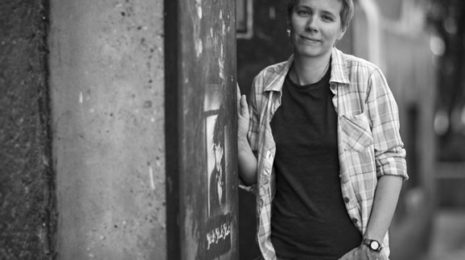
“Seeing People Off” by Jana Beňová
Seeing People Off by Jana Beňová Translated from Slovak by Janet Livingstone 126 pgs. | pb | 9781937512590 | $14.99 Two Dollar Radio Review by David DeGusta Jana Beňová’s novel Seeing People Off, translated from the Slovak by Janet Livingstone, exists between clarity and confusion. Set in the Petržalka ...
>
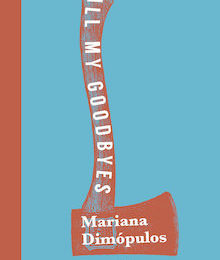
Dark, Strange Books by Women in Translation [BTBA 2020]
This week's Best Translated Book Award post is from Pierce Alquist, who has a MA in Publishing and Writing from Emerson College and currently works in publishing in Boston. She is a freelance book critic, writer, and Book Riot contributor. She is also the Communications Coordinator for the Transnational Literature Series ...
>
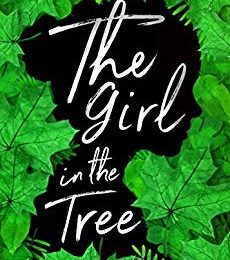
A Couple Turkish Authors [BTBA 2020]
This week's Best Translated Book Award pose is from Louisa Ermelino, who is the author of three novels; Joey Dee Gets Wise; The Black Madonna (Simon and Schuster); The Sisters Mallone (St. Martin’s Press) and a story collection, Malafemmina (Sarabande). She has worked atPeople, Time International, and InStyle magazines ...
>

Book 7 [The No Context Project]
A couple months ago, while writing about Suzanne Jill Levine and Jessica Powell's translation of Silvina Ocampo's The Promise, I came up with a sort of crazy scheme: But this gave me a grand idea: What if I could review twenty books from twenty publishers in as blind as a fashion as possible? I wouldn’t know ...
>
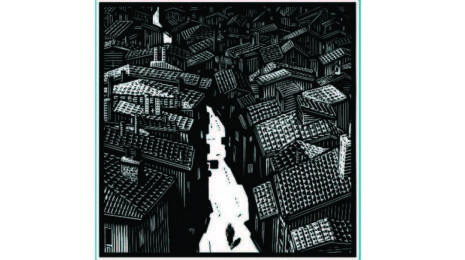
Time Does Not Bring Relief
"History is written by the victors" is one of those cliches that's so obviously true that it requires next to no explanation. But the ability to provide evidence for what the victors do when writing history is usually a bit more circumspect and tricky to get ahold of . . . Last Thursday, the Nobel Prize for Literature was ...
>
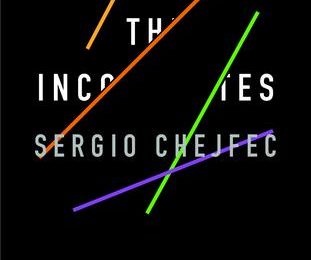
Available Now: THE INCOMPLETES by Sergio Chejfec and Heather Cleary
“A masterfully nested narrative where writing—its presence on the page, its course through time, its prismatic dispersion of meaning—is the true protagonist.” —Hernan Diaz, author of In the Distance “Now I am going to tell the story of something that happened one night years ago, and the events of the ...
>
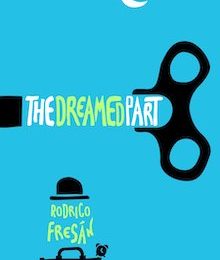
Flash Sale on Open Letter Preorders!
For a few different reasons—mainly that I wasn't able to get the new excerpt from Sara Mesa's Four by Four online until the WITMonth discount code had expired, but also to celebrate The Dreamed Part being on Kirkus's list of "30 Most Anticipated Fiction Books"—we've decided to have a flash sale on all of our ...
>

“The Nocilla Trilogy” by Agustín Fernández Mallo
The Nocilla Trilogy by Agustín Fernández Mallo Translated from the Spanish by Thomas Bunstead pb | 9780374222789 | $30.00 FSG Review by Vincent Francone Most reviews of The Nocilla Trilogy (written by Agustín Fernández Mallo, recently translated into English by Thomas Bunstead, beautifully packaged by ...
>
Releasing Today: THE TRANSLATOR’S BRIDE by João Reis
“A neurotic little gem: fast, fun, frenzied, and feisty.” —Jeremy Garber, Powell's A humorous attempt to get one's life back in order that's part Thomas Bernhard, part Max Frisch At the start of The Translator's Bride, the Translator's bride ...
>
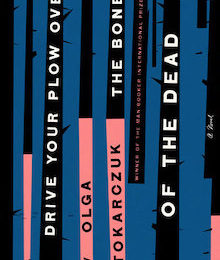
The Most Anticipated Translation of 2019
Drive Your Plow Over the Bones of the Dead by Olga Tokarczuk, translated from the Polish by Antonia Lloyd-Jones (Riverhead) Drive Your Plow Over the Bones of the Dead may well be the most anticipated translation of the season. Olga Tokarczuk’s second novel in as many years is a mystery novel that never declares ...
>
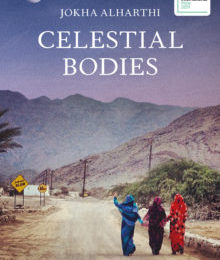
Women in Translation for BTBA 2020
It's time for weekly BTBA posts! First up is one by Louisa Ermelino, who is the author of three novels; Joey Dee Gets Wise; The Black Madonna (Simon and Schuster); The Sisters Mallone (St. Martin’s Press) and a story collection, Malafemmina (Sarabande). She has worked ...
>
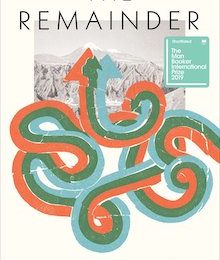
Two Spanish Books for Women in Translation Month
Like usual, this post is a mishmash of all the thoughts I've had over the past week, mostly while out on a 30-mile bike ride. (I need to get in as many of these as possible before winter, which is likely to hit Rochester in about a month.) Rather than try and weave these into one single coherent post, I'm just going to throw ...
>
40% Off All Open Letter Books Written or Translated by Women
Women in Translation Month is always an exciting time to discover, read, discuss, and celebrate books by women from around the world. It was created by Meytal Radzinski back in 2014 (who we're hoping to have on a podcast this month), and has since spawned numerous articles, events, and even the Warwick Prize for Women in ...
>
Info on the 2020 Best Translated Book Awards
We're happy to announce the 2020 Best Translated Book Award! All the relevant information is below. Please let me know if you have any questions. Award Dates In terms of dates, this is subject to change, but currently we’re planning on announcing the longlists for fiction and poetry on Wednesday, April 1st, the finalists ...
>

The All or Nothing of Book Conversation
In theory, this is a post about Norwegian female writers in translation. I know it's going to end up in a very different space, though, so let's kick this off with some legit stats that can be shared, commented on, and used to further the discussion about women in translation. Back in the first post of July—Norwegian ...
>
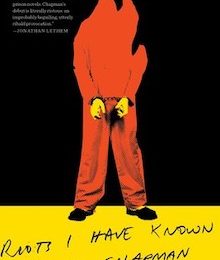
The Five Tools, Part I: Authors [Let’s Praise My Friends]
One of the most entertaining parts of my past three weeks of travel was the discovery that Norwegians refer to first-time authors as “debutants.” Which, OK, at first, is weird. The first time someone said it aloud, “she’s a debutant author,” I too had the urge to correct them. But then, like any great joke that's ...
>
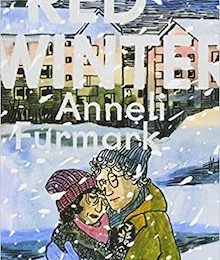
Four Attempts at Approaches [Drawn & Quarterly]
This post comes to you thanks to a few different starting points: a box of translated graphic novels that Drawn & Quarterly sent me a couple of weeks ago, the fact that Janet Hong translated one of them (see last week’s interview), the fact that I don’t have time this month to read a ton of novels for these weekly ...
>

“Melville: A Novel” by Jean Giono
Melville by Jean Giono Translated from the French by Paul Eprile 108 pgs. | pb | 9781681371375 | $14.00 NYRB Review by Brendan Riley In The Books in My Life (1952), Henry Miller, devoting an entire chapter to French writer Jean Giono (1895-1970), boasts about spending “several years. . . . preaching the ...
>
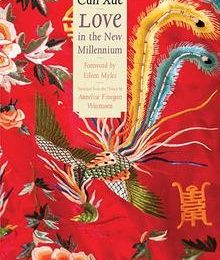
Love in the New Millennium [Why This Book Should Win]
Check in daily for new Why This Book Should Win posts covering all thirty-five titles longlisted for the 2019 Best Translated Book Awards. Rachel Cordasco has a PhD in literary studies and currently works as a developmental editor. She also writes reviews for publications like World Literature Today and Strange Horizons ...
>
Bricks and Mortar [Why This Book Should Win]
Check in daily for new Why This Book Should Win posts covering all thirty-five titles longlisted for the 2019 Best Translated Book Awards. Tony Messenger is an Australian writer, critic and interviewer who has had works published in Overland Literary Journal, Southerly Journal, Mascara Literary Review, Burning House ...
>
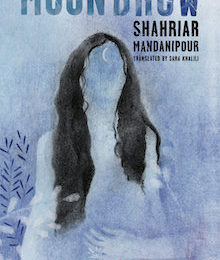
Moon Brow [Why This Book Should Win]
Check in daily for new Why This Book Should Win posts covering all thirty-five titles longlisted for the 2019 Best Translated Book Awards. Tara Cheesman is a blogger turned freelance book critic, National Book Critics Circle member & 2018 Best Translated Book Award Fiction Judge. Her reviews can be found online at ...
>
Meet the BTBA Judges!
Tomorrow morning at 10am the 2019 Best Translated Book Award longlists will be revealed over at The Millions. As a bit of a preview, the judges wanted to introduce themselves . . . Keaton Patterson, a lifelong Texan, has an MA in Literature from the University of Houston-Clear Lake. For the past five years, he has been ...
>

Three Percent #157: Post-Portland AWP
On this atypically subdued episode, Chad recounts some of his adventures in Portland at the AWP conference, and speculates about why this was his favorite one to date. Tom helps illuminate some of the mysteries behind IndieBound and what might be next for independent stores trying to capture some online sales. (And how this ...
>
Blogging Like It’s 1967 [Anniversaries, Volume 1]
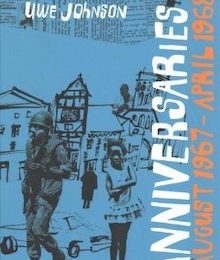
Tomorrow afternoon we'll run the first of several interviews with Damion Searls, translator of the first complete version of Anniversaries to appear in English. If things go according to plan, each month we'll dig deeper and deeper into this massive book, a twentieth-century masterpiece that weighs something ...
>
“The Faerie Devouring” by Catherine Lalond [Quebec Literature from P.T. Smith]
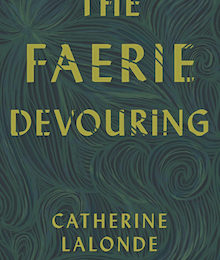
Before starting this month's focus on Quebec literature, I asked P.T. Smith to recommend a few books for me to read, since he's one of the few Americans I know who has read a lot of Quebec literature. But rather than hoard these recommendations or write silly things about them, we decided it would be best if P.T. wrote weekly ...
>
“Next Episode” by Hubert Aquin [Quebec Literature from P.T. Smith]
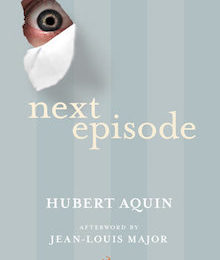
Before starting this month's focus on Quebec literature, I asked P.T. Smith to recommend a few books for me to read, since he's one of the few Americans I know who has read a lot of Quebec literature. But rather than hoard these recommendations or write silly things about them, we decided it would be best if P.T. wrote weekly ...
>
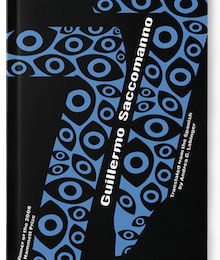
New Release! 77 by Guillermo Saccomanno
We're a few days late announcing this here, but Tuesday, February 12th was the official pub date for Guillermo Saccomanno's 77, translated from the Spanish by Andrea G. Labinger. And today, it was featured in Vanity Fair as one of "6 Must-Read Books from Around the World." Here's the full press release that Anthony put ...
>
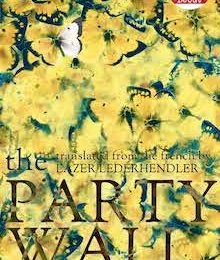
Biblioasis [Catherine Leroux Redux]
Last December, when I was working on this post about Quebec fiction, I came up with the idea of having themed months running throughout 2019. Which is why January was all about Spain, February about Quebec, and March about Uwe Johnson's Anniversaries. (Which might kill me and/or lead me into an insane rabbit-hole of ...
>
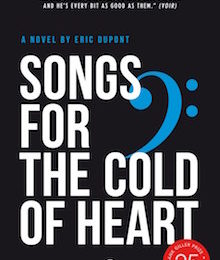
Interview with Peter McCambridge of QC Fiction
Following up on Monday's post, here's an interview with the founder of QC Fiction, Peter McCambridge. Since he goes into most of his bio below, I'm not going to preface this all that much, except to congratulate him on being a finalist for the Governor General’s Award for Translation and the Giller Prize for Songs for the ...
>
QC Fiction [Canada Redux]
I think I might have mentioned this in an earlier post, but now that we’ve put Spain to bed with a week dedicated to each of the four major languages—Castilian, Catalan, Galician, and Basque—we’re turning our attention to the North. As in the Great White. Canada: home of poutine, reasonable political leaders (now that ...
>
Interview with Amaia Gabantxo
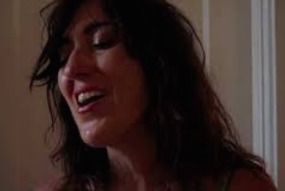
To finish off this month of Spanish literature, I talked to Amaia Gabantxo, translator of Twist and Blade of Light by Harkaitz Cano along with a half-dozen other Basque authors, including Bernardo Atxaga, Unai Elorriaga, and Kirmen Uribe, among others. She also moonlights as a flamenco singer and recently released an ...
>
New Poetry Editor at Open Letter and Call for Poetry Submissions!
Open Letter’s new Poetry Editor, Anastasia Nikolis, interviewed herself so that you wouldn’t have to. These are the questions she thinks might help you learn about the new person reading the poetry submissions at Open Letter Books. Tell us a little bit about yourself. What else do you do when you aren’t ...
>
Why Are Preview Lists [Galician Literature + Positivity]
I've been trying sooooooo hard to be positive in 2019. So hard. Stay optimistic in light of distribution issues. Don't worry about sales too much, because I'm 250% certain Anthony is going to take us to the next level. Ignore the fact that Lit Hub listed Night School as one of the best reviewed "nonfiction" books of the ...
>

“Tell Them of Battles, Kings, & Elephants” by Mathias Énard
Tell Them of Battles, Kings, & Elephants Translated from the French by Charlotte Mandell 144 pgs. | pb |9780811227049 | $19.95 New Directions Publishing Reviewed by Grant Barber Énard is a Very Important Author indeed. He belongs on the stage with Pamuk, T Morrison, Morante, Okri, Delillo, J. Marías, ...
>
Pub Date for “Night School: A Reader for Grownups” by Zsófia Bán!
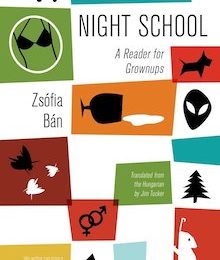
To celebrate today's release of Night School: A Reader for Grownups by Zsófia Bán we're giving away five copies. You can enter by emailing Anthony Blake with "Night School" in the subject line. But hurry! This contest ends tonight at midnight Eastern time. Now, onto the book itself! We'll be posting a excerpt ...
>
Books from Spain [By the Numbers]
I alluded to this in an earlier post (or two?), but one of the things I'd like to do on Three Percent this year is highlight a different group of books every month. It could be a particular country—like this month—or a set of publishers, or a single publisher, or single author. Regardless of the specifics of a particular ...
>
I Wrote Some Stuff in 2018
In some ways, this is long overdue, but just in time for the final post of the year, here's the complete collection of "articles" that I wrote this year for Three Percent. The initial plan was to do one a week, using a new translation as a launching pad to talk about international literature, publishing, and book culture, ...
>

All the Cameras in Japan
As December rolled around and I started plotting out the end of this year-long series, I had a bunch of ideas for what the final few posts could be about. Knowing that 2019 will bring about some changes to Three Percent (has it ever really remained the same? over eleven-plus years, the one thing that's remained constant is my ...
>
Maybe These Days Will Be Over, Over Soon
Man, Three Percent is on a Canadian kick as of late. We podcasted with Kevin Williams of Talonbooks. We ran a review of Mama's Boy by David Goudreault. And now this post. It's as if I were 25% Canadian or something! (Fun fact: I actually am.) Oh, Canada. That country Americans remember exists every time we elect a ...
>
Adam’s Sexy Post [BTBA 2019]
This week's Best Translated Book Post is from Adam Hetherington, a reader from Tulsa who also served on last year's jury. “Do you want to do it again?” he asks. Shit. He is my friend, P.T. Smith. We were both BTBA judges last year; this year he’s invented some sort of easy supervisory role for himself, and invited ...
>
Long Books and Quick Hits [BTBA 2019]
This week's Best Translated Book Award post is from Elijah Watson. If you're a publisher and haven't submitted your titles for BTBA consideration, there's still time! All the info can be found here. I’m between working at bookstores right now, having left the great A Room of One’s Own in Madison, Wisconsin only a ...
>
My Struggle, Part I: Confusion and Value
As part of my "Deep Vellum Month" experiment, I decided to move from the toponymy—and topography—of Iceland to geography. Or rather, "geography," as in the Geography of Rebels by Maria Gabriela Llansol. Like with most of the books I've been reading of late, I knew basically nothing about this book before picking it ...
>
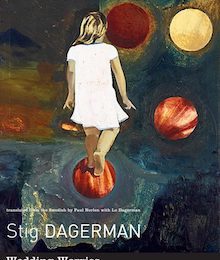
Publishing Strategies of Rediscovery
A few years ago, New Directions reissued three Clarice Lispector books (and one never-before translated one) with covers that combined into one giant portrait. Although it was preceded by the publication of a new translation of The Hour of the Star—by Ben Moser, who had recently written an all-encompassing biography of ...
>
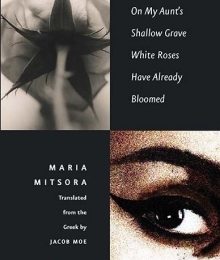
The Simple Pleasures of Reading
My initial plan for this post was to do a huge data dump for Women in Translation Month, but Meytal Radzinski already went and totally crushed it. She has all the best graphs, pie charts, breakdowns, overviews, recommendations, and more. Go click on that link and spend a day reading everything she has to say. I looked over ...
>
BTBA 2019: Juries, Dates, Request for Your Books
Earlier this week, Patrick Smith sent out the email below to as many publishers as possible, letting them know about this year's Best Translated Book Award juries. In case you didn't get this--or, if you're a translator or author who wants to make sure your book is submitted--I'm reposting it all here. (And, we will have a ...
>
August 2018 Newsletter
Celebrate Women in Translation Month with 40% Off All Open Letter Books Written by Women OR Translated by Women Women in Translation Month is always an exciting time to discover, read, discuss, and celebrate books by women from around the world. It was created by Meytal Radzinski back in 2014, and has since spawned ...
>
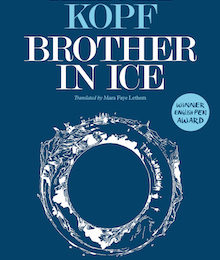
Selection Bias, Best Translations, and Where Are the Women in Translation From?
A couple weeks ago, Boyd Tonkin, the excellent critic and founder of the Independent Foreign Fiction Prize--the inspiration for the Best Translated Book Award, and now the Man Booker International--released a rather unattractive looking book called The 100 Best Novels in Translation. It's pretty obvious what's ...
>
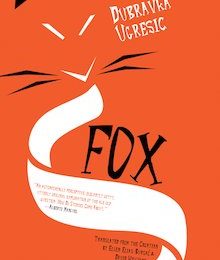
Is this All Fox-y Enough? (Two Month Review: #5.02: FOX by Dubravka Ugresic – Blog Post)
Last week, Chad, Brian, and returning special guest Tom Flynn of Volumes Bookcafe broke down some of the bigger elements of the introductory section of Dubravka Ugresic’s Fox, including the all-important question: is Ugresic’s fox metaphor fox-y enough? We’ll take our own look at some segments of this opening section ...
>
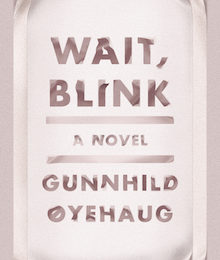
9 Books Likely to Win the 2019 Best Translated Book Award
I'm just back from a poetry reading that's part of Rochester's The Ladder literary conference . . . actually, it was a poetry reading PLUS short stories (which are the poetry of novel writing), which is neither here nor there, except that a few of us played a sort of drinking game? Actually, we just straight up played a ...
>
Video of Two Month Review, Season Five, Episode One: Introducing Dubravka Ugresic
For those of you who missed it live! Bunch of new stuff this season, like, being prepared, and a contest involving the best Amazon reviews. Listen below for all the details. . . . . . . . . . For whatever reason, I can't get this video to embed. Either I'm an idiot (ding! ding! ding!) or the new website is ...
>
New Two Month Review Season Starts 6/11!
After a bit of a hiatus, we're back! Starting tonight (Monday, June 11th) at 9pm, Brian and I are going to tackle Dubravka Ugresic's latest novel--Fox. Here's what Kirkus Reviews had to say about it in their STARRED review: Another tricky treasure from an internationally renowned author. Ugresic has been in exile from ...
>
9 Comp Authors for Dag Solstad, Or, How I Learned to Stop Worrying and Embrace the Listicle
So much has happened over the past two weeks! Given all that I want to say about Dag Solstad's books and the people who review them, I'm going to rush through a few general comments about recent publishing events. First off: the New York Rights Fair and BookExpo. This year marked the first ever NYRF and the "newly ...
>
The Crime in the Data
A couple weeks ago, writer Kári Tulinius asked me for some information on how prevalent crime novels are in what gets translated. As with most statistics related to literature in translation (and/or the book industry in general), the correct answer was, "uh . . . no idea. Maybe a lot? Sure seems like it . . . So, yeah." I ...
>
May Is a Month of Grading
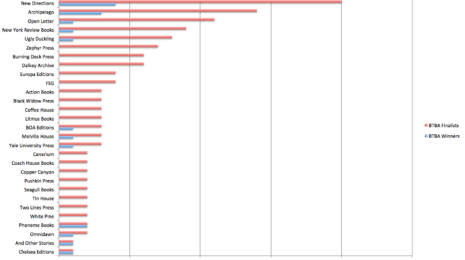
The Best Translated Book Award Finalists were announced earlier this week, and following up on my earlier post looking at the representation of various languages on the BTBA longlists, I thought I'd take a second to highlight the publishing houses (#NameThePublisher) that have historically done the best on the BTBA ...
>
“The Last Bell” by Johannes Urzidil [Why This Book Should Win]
This entry in the Why This Book Should Win series (almost done!) is from Abe Nemon who writes essays and reviews of old and out-of-print books at OldBookAppreciator.com, as well as daily bios of obscure authors on their birthdays on Twitter at the handle @bookappreciator. The Last Bell by Johannes Urzidil, translated ...
>
Death by Poetry and The Lies about Me
I have a litany of reasons for why I’m combining a few posts here and writing a shorter, more condensed, straightforward post than most of the others. Baby (always an excuse), other obligations—such as the Best Translated Book Award longlists announcement and a bachelor party in which “what happens in Boiceville, stays ...
>
About
Three Percent launched in the summer of 2007 with the lofty goal of becoming a destination for readers, editors, and translators interested in finding out about modern and contemporary international literature. The motivating force behind the website is the view that reading literature from other countries is vital to ...
>

Ties that Confine [BTBA 2018]
This week’s Best Translated Book Award post is from Lori Feathers, co-owner of Interabang Books in Dallas, TX. She’s also a freelance book critic and member of the National Book Critics Circle. Her recent reviews can be found at Words Without Borders, Full Stop, World Literature Today, Three Percent, Rain Taxi, and on ...
>
Context Is Everything
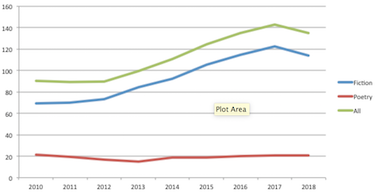
Given the length of yesterday’s post, I’m just going to jump right into things, starting with this handmade Excel spreadsheet showing the three-year rolling average of the total number of translations published in the first quarter (January-March) of every year since 2008. That’s not the most illuminating ...
>
Everyone Needs an Editor
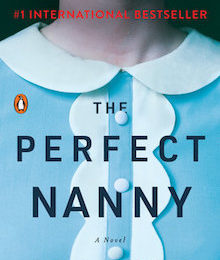
Before I get into the meat of this post—which is basically just a bunch of quotes and a handful of observations—I wanted to check back in on something from an earlier essay. Back in January, I wrote about Leïla Slimani’s The Perfect Nanny and basically assumed that it would be a best-seller. (There was also a lot of ...
>
Making the List [BTBA 2018]
This week’s Best Translated Book Award post is from Tara Cheesman, a freelance book critic and National Book Critics Circle member whose recent reviews can be found at The Rumpus, Book Riot, Los Angeles Review of Books, and Quarterly Conversation. Since 2009 she’s written the blog Reader At Large (formerly BookSexy ...
>
Never Fact-Check a Listicle
Back when I kicked off my 2018 Translations series I chose to include Frankenstein in Baghdad by Ahmed Saadawi as the fourth book from January I would read and review. And why not? It won the 2014 International Prize for Arabic Fiction1 and came with pretty high praise. “A haunting allegory of man’s savagery against man ...
>
A Best-seller Should Be Divisive
When I came up with my plan of reading (and writing about) a new translation every week, I wanted to try and force myself to read books that I would normally just skip over. There are definitely going to be months filled with books by New Directions, Coffee House, Dalkey Archive, etc., but to write about just those titles ...
>
It’s 2018 and Where Have the Translations Gone?
Now that the Translation Database is over at Publishers Weekly, and in a format that makes it both possible to update in real time1 and much easier to query, I want to use it as the basis of a couple new regular columns here at Three Percent. First off, I want to get back to running monthly previews of translations. But, ...
>

Three Observations and One Story [Two Month Review]
Coming up on this Thursday’s Two Month Review podcast Brian and I talk about the first six stories in Mercè Rodoreda’s Selected Stories : “Blood,” “Threaded Needle,” “Summer,” “Guinea Fowls,” “The Mirror,” and “Happiness.” Which is only the ...
>
Introducing Mercè Rodoreda [Two Month Review]
If you prefer, you can also download this post as a PDF document. As you hopefully already know, the third season of the Two Month Review podcast will be dedicated to Mercè Rodoreda. Since most of her books are relatively slim (a.k.a., of readable length unlike the beasts that we’ve worked through in seasons one and ...
>
Help Support Open Letter!
If you’re friends with us on Facebook (either me personally, or the press itself), or visit the Twitter on a regular basis, you’re hopefully aware that Open Letter just launched an annual fundraising campaign to support our 10-year anniversary. And if you’re not already familiar with this, that’s ...
>
Publisher Profile: Nordisk Books
Summer intern David M. Smith, translator from the Norwegian, 2017 ALTA Fellow, future guest on the Two Month Review, conducted this interview with Duncan Lewis of Nordisk Books. Proving there’s more to Scandinavia than macabre crime fiction (not that there’s anything wrong with that) and—hygge (always hygge), ...
>
Best Translated Book Awards 2018: Judges, Dates, and More!
It’s that time again! Listed below are all the details for this year’s Best Translated Book Award juries! Award Dates In terms of dates, this is subject to change, but currently we’re planning on announcing the longlists for fiction and poetry on Tuesday, April 10th, the finalists on Tuesday, May ...
>
Women in Translation Month [Throwback No.2]
As many of you may have noticed already, August is widely considered Women in Translation Month (look for the #WITMonth hashtag basically anywhere). Since Open Letter has published its fair share of baller women authors over the past ten years, we thought we’d take a few posts to highlight a handful of our all-time favorite ...
>
Women in Translation Month [Throwback No.1]
As many of you may have noticed already, August is widely considered Women in Translation Month (look for the #WITMonth hashtag basically anywhere). Since Open Letter has published its fair share of baller women authors over the past ten years, we thought we’d take a few posts to highlight a handful of our all-time ...
>
Portraits of Rage and Mortality [Two Month Review: The Invented Part]
On this week’s Two Month Review podcast, we’ll be discussing the third part (“A Few Things You Happen to Think About When All You Want Is to Think About Nothing”) of The Invented Part . As a bit of preparation, below you’ll find some initial thoughts, observations, and quotes. You can also ...
>

“The Invented Part” by Rodrigo Fresán
The Invented Part by Rodrigo Fresán translated from the Spanish by Will Vanderhyden 552 pgs. | pb | 9781940953564 | $18.95 Open Letter Books Reviewed by Chad W. Post Given all the Two Month Review posts and everything else, hopefully you’ll have heard of Rodrigo Fresán’s The Invented Part by now. But ...
>
Chad's Very Unscientific BTBA Odds [BTBA 2017]
When I started posting the “Why This Book Should Win”: entries for this year’s longlisted BTBA titles, I decided to include mostly random, totally unscientific odds for each book both to be shortlisted and to win the whole award. Taken in the aggregate, these odds made no sense. Combined, the ten fiction ...
>
“A Spare Life” by Lidija Dimkovska [Why This Book Should Win]
Between the announcement of the Best Translated Book Award longlists and the unveiling of the finalists, we will be covering all thirty-five titles in the Why This Book Should Win series. Enjoy learning about all the various titles selected by the fourteen fiction and poetry judges, and I hope you find a few to purchase and ...
>
“Moshi Moshi” by Banana Yoshimoto [Why This Book Should Win]
Between the announcement of the Best Translated Book Award longlists and the unveiling of the finalists, we will be covering all thirty-five titles in the Why This Book Should Win series. Enjoy learning about all the various titles selected by the fourteen fiction and poetry judges, and I hope you find a few to purchase and ...
>
“Zama” by Antonio Di Benedetto [Why This Book Should Win]
Between the announcement of the Best Translated Book Award longlists and the unveiling of the finalists, we will be covering all thirty-five titles in the Why This Book Should Win series. Enjoy learning about all the various titles selected by the fourteen fiction and poetry judges, and I hope you find a few to purchase and ...
>
Some Recent Open Letter Publicity
We don’t post these updates near as frequently as we should, but here’s a rundown of some interesting recent publicity pieces for our books. Frontier by Can Xue, translated from the Chinese by Karen Gernant and Chen Zeping Interview between Can Xue and Porochista Khakpour (Words Without ...
>
“In the Café of Lost Youth” by Patrick Modiano [Why This Book Should Win]
Between the announcement of the Best Translated Book Award longlists and the unveiling of the finalists, we will be covering all thirty-five titles in the Why This Book Should Win series. Enjoy learning about all the various titles selected by the fourteen fiction and poetry judges, and I hope you find a few to purchase and ...
>
“Super Extra Grande” by Yoss [Why This Book Should Win]
Between the announcement of the Best Translated Book Award longlists and the unveiling of the finalists, we will be covering all thirty-five titles in the Why This Book Should Win series. Enjoy learning about all the various titles selected by the fourteen fiction and poetry judges, and I hope you find a few to purchase and ...
>
“Ladivine” by Marie NDiaye [Why This Book Should Win]
Between the announcement of the Best Translated Book Award longlists and the unveiling of the finalists, we will be covering all thirty-five titles in the Why This Book Should Win series. Enjoy learning about all the various titles selected by the fourteen fiction and poetry judges, and I hope you find a few to purchase and ...
>
“My Marriage” by Jakob Wassermann [Why This Book Should Win]
Between the announcement of the Best Translated Book Award longlists and the unveiling of the finalists, we will be covering all thirty-five titles in the Why This Book Should Win series. Enjoy learning about all the various titles selected by the fourteen fiction and poetry judges, and I hope you find a few to purchase and ...
>
“Wicked Weeds” by Pedro Cabiya [Why This Book Should Win]
Between the announcement of the Best Translated Book Award longlists and the unveiling of the finalists, we will be covering all thirty-five titles in the Why This Book Should Win series. Enjoy learning about all the various titles selected by the fourteen fiction and poetry judges, and I hope you find a few to purchase and ...
>
Tenth Annual Best Translated Book Awards Longlists [BTBA 2017]
March 28, 2017—Celebrating its tenth iteration, the Best Translated Book Awards announced its longlists for fiction and poetry this morning, highlighting the best international works of literature published in the past year. Announced at The Millions, the lists include a diverse range of authors, from authors who have ...
>
Likes of the Future Are Shaped by Likes of the Past
As in past weeks here’s a PDF version of this post, which might be a lot easier to read. Two years ago, Yale University Press released The Dirty Dust, Alan Titley’s translation of Máirtín Ó Cadhain’s Cré na Cille, a supposedly “untranslatable” masterpiece of Irish literature. This past ...
>
“Frontier” Receives a Starred Review in Kirkus!
It’s always fun to share really positive reviews of our books, such as this starred review from Kirkus for Frontier by Can Xue: Things are strange out there on the fringes, as the always adventurous Xue’s latest novel illustrates. There is magical realism aplenty in the pages of Xue’s beguiling story, but magical ...
>
Reader Selection and Market Acceleration: Are We Living in a Backward World?
Given the insane length of this post, I would recommend downloading the PDF version. Besides, it’s easier to read the footnotes that way. Some of which are pretty fun, I think. Much in the same way it’s impossible for me to choose a single part of Franco Moretti’s Distant Reading that I like the best, I ...
>
Recent Open Letter Publicity [Justine, Gessel Dome, Ugresic, and More]
I don’t post on social media all that often—unless I’ve been drinking—but do generally try and share all of the reviews and publicity pieces that come up about Open Letter. And as with anything else, this tends to come in waves, including the onslaught of pieces from the past few days that I’ve ...
>
Open Letter in 2016
Sure, the start of a new year is a good time to look to the future, make resolutions you’ll definitely break, and all of that, but it’s also a nice moment to reflect on the past twelve months. Rather than include all the things that happened with Open Letter last year—from the success of our 2nd Annual ...
>
Chronicle of the Murdered House by Lucio Cardoso [Biographical Note]
The pub date for Chronicle of the Murdered House by Lúcio Cardoso, which is translated from the Portuguese by Margaret Jull Costa and Robin Patterson, with a biographical note from Ben Moser officially came out on Tuesday, December 13th. To celebrate the release of this Brazilian masterpiece, we’ll be running a series ...
>
Chronicle of the Murdered House by Lucio Cardoso [Interview]
The pub date for Chronicle of the Murdered House by Lúcio Cardoso, which is translated from the Portuguese by Margaret Jull Costa and Robin Patterson, with a biographical note from Ben Moser officially came out on Tuesday, December 13th. To celebrate the release of this Brazilian masterpiece, we’ll be running a series ...
>
Chronicle of the Murdered House by Lucio Cardoso [Excerpt]
The pub date for Chronicle of the Murdered House by Lúcio Cardoso, which is translated from the Portuguese by Margaret Jull Costa and Robin Patterson, with a biographical note from Ben Moser officially came out on Tuesday, December 13th. To celebrate the release of this Brazilian masterpiece, we’ll be running a series ...
>
Chronicle of the Murdered House by Lucio Cardoso [Press Release]
The pub date for Chronicle of the Murdered House by Lúcio Cardoso, which is translated from the Portuguese by Margaret Jull Costa and Robin Patterson, with a biographical note from Ben Moser officially came out on Tuesday, December 13th. To celebrate the release of this Brazilian masterpiece, we’ll be running a series ...
>
An Education in World Literature [BTBA 2017]
This week’s Best Translated Book Award post is by Steph Opitz, who reviews books for _Marie Claire, while also working with the Association of Writers and Writing Programs (AWP), Kirkus Reviews, the Brooklyn Book Festival, and the Twin Cities Book Festival. For more information on the BTBA, “like” our ...
>
Keeping the Foreign in Translated Literature: a Dispatch from the Oklahoma Prairie George Henson
George Henson is a translator of contemporary Latin American and Spanish prose, a contributing editor for World Literature Today and Asymptote, and a lecturer at the University of Oklahoma. For more information on the BTBA, “like” our Facebook page and follow us on Twitter. And check back here each week for a ...
>
The Architecture of Time, Space and Imagination by Monica Carter
Monica Carter is a freelance critic whose nonfiction has appeared in publications including Black Clock, World Literature Today, and Foreword Reviews. She curates Salonica World Lit, which is a virtual journal dedicated to international literature and culture. For more information on the BTBA, “like” our ...
>
 ``
``
Three Percent #118: Our Titles Are No Better
This week’s podcast kicks off with a list of corrections from episode 117, from a mix-up of Sophies to an explanation of which Basque Country soccer team only fields Basque players. Then Chad and Tom move on to talk about the recent NEIBA conference and some fall titles they left out of their mini-previews before ...
>
"One of Us Is Sleeping" by Josefine Klougart [An Open Letter Book to Read]
This is the third entry in a series that will eventually feature all of the titles Open Letter has published to date. Catch up on past entries by clicking here. Last week’s entry was a pretty solid Chad rant involving the incredible Maidenhair by Mikhail Shishkin. Definitely check that one out. By contrast, this ...
>
Read Local: Supporting Rochester Presses and Making Events Fun Again
Although we referenced Read Local in the write up of Josefine Klougart’s tour, I haven’t really explained what it is here, or why I think it could be a really exciting thing for Rochester. Just to as not to bury the lede, the first Read Local event is Friday, September 23rd at 6pm at Nox Cocktail Lounge. ...
>
Interview with Rein Raud
Officially pubbing last Tuesday, The Brother by Rein Raud, translated from the Estonian by Adam Cullen, is a spaghetti western and “philosophical gem” (West Camel). It’s also Raud’s first novel to appear in English, following an appearance in the Best European Fiction 2015 anthology. The book has ...
>
Gesell Dome by Guillermo Saccomanno [An Open Letter Book to Read]
This is a new, hopefully weekly, feature highlighting a different book from our catalog in each post. Even though this book is pretty recent (official pub date just a few weeks ago August), I plan on going deep into our backlist in the near future. Gesell Dome by Guillermo Saccomanno, translated from the Spanish by ...
>
Latest Review: "Twenty-One Cardinals" by Jocelyne Saucier
The latest addition to our Reviews section is a piece by Natalya Tausanovitch on Twenty-One Cardinals by Jocelyne Saucier, published by Coach House Books. Natalya was a student of Chad’s last school year, and is in her final year of studies at the university. This summer, she did an internship with the press and ...
>
Best Translated Book Award 2017: The Judges
Running a little bit late with the BTBA announcments for this year, but over the next week, expect to see the official page updated and an updated to the translation database. In the meantime, this post will give publishers, translators, and interested readers all the necessary information about who’s on the committee ...
>
Latest Review: "One of Us Is Sleeping" by Josefine Klougart
The latest addition to our Reviews section is a piece by Jeremy Garber on Josefine Klougart’s One of Us Is Sleeping, out from Open Letter last month. What can be said about a book like this? It’s one of those books that can make you feel like you’re reading it for the first time in the middle of winter, ...
>
Latest Review: "Bye Bye Blondie" by Virginie Despentes
The latest addition to our Reviews section is a by Emma Ramadan on Virginie Despentes’s Bye Bye Blondie, published by The Feminist Press. In addition to being a translator from the French (you may recognize her name from Anne F. Garréta’s Sphinx), Emma is one of two co-founders (along with Tom Roberge) of the ...
>
Latest Review: "La Superba" by Ilja Leonard Pfeijffer
The latest addition to our Reviews section is a piece by Anna Alden on La Superba by Ilja Leonard Pfeijffer, published this March by Deep Vellum Publishing. Summer is in full hazy swing here in Rochester, but luckily we have a handful of great interns at Open Letter/Three Percent this summer, who are going to be helping ...
>
Latest Review: "Intervenir/Intervene" by Dolores Dorantes and Rodrigo Flores Sánchez
The latest addition to our Reviews section is by Vincent Francone on Intervenir/Intervene by Dolores Dorantes and Rodrigo Flores Sánchez, published by Ugly Duckling Presse. It’s been slow on the review and post end this summer, while we’ve been busy around the offices here and elsewhere, but we hope ...
>
Latest Review: "All Days Are Night" by Peter Stamm
The latest addition to our Reviews section is a piece by Lori Feathers on Peter Stamm’s All Days are Night, published last year by Other Press. Here’s the beginning of Lori’s review: As presaged by its title, contradiction is the theme of Peter Stamm’s novel, All Days Are Night. Gillian, a ...
>
“The Four Books” by Yan Lianke [Why This Book Should Win]
This entry in the Why This Book Should Win series, is by Monica Carter, former BTBA judge and writer whose fiction has appeared in The Rattling Wall, Black Clock, Writers Tribe Review, and other publications. She is a freelance critic whose work has appeared in World Literature Today, Black Clock and Foreword Reviews. She is ...
>
Latest Review: "The Seven Good Years" by Etgar Keret
The latest addition to our Reviews section is by Vincent Francone on The Seven Good Years by Etgar Kerert, on the edition published by Granta Books. Here’s the beginning of Vince’s review: It’s a rare and wonderful book that begins and ends with violence and humor. At the start of Etgar Keret’s The ...
>
“Beauty Is a Wound” by Eka Kurniawan [Why This Book Should Win]
This entry in the Why This Book Should Win series, is by Kevin Elliott, BTBA judge and bookseller at 57th Street Books. We will be running two (or more!) of these posts every business day leading up to the announcement of the finalists. Beauty Is a Wound by Eka Kurniawan, translated from the Indonesian by Annie ...
>
“Wild Words: Four Tamil Poets” edited by Lakshmi Holmström [Why This Book Should Win]
This entry in the Why This Book Should Win series, is by Deborah Smith, BTBA judge, translator from the Korean, and founder of Tilted Axis Press. We will be running two (or more!) of these posts every business day leading up to the announcement of the finalists. Wild Words: Four Tamil Poets, edited and translated ...
>
Contribute to the “Why This Book Should Win” Series
As you’ve probably noticed, the Why This Book Should Win series has basically taken over the website. Our plan is to highlight all 35 titles longlisted for the Best Translated Book Awards before the announcement of the finalists on Tuesday, April 19th. Most of these posts are written by BTBA judges, although a number of ...
>
Latest Review: "Human Acts" by Han Kang
The latest addition to our Reviews section is a piece by J. C. Sutcliffe on Han Kang’s Human Acts, published by Portobello Books. Here’s the beginning of the review: Last year, Han Kang’s The Vegetarian was an unexpected critical hit. Now, it’s just been published in the U.S. and has already received a ...
>
“The Physics of Sorrow” by Georgi Gospodinov [Why This Book Should Win]
This is the first entry in the Why This Book Should Win series, which will highlight each of the 35 “longlisted”: titles for this year’s Best Translated Book Awards. Tom Roberge of Albertine Books wrote this piece. The Physics of Sorrow by Georgi Gospodinov, translated from the Bulgarian by Angela Rodel ...
>
Latest Review: "Nowhere to Be Found" by Bae Suah
The latest addition to our Reviews section is by Pierce Alquist on Nowhere to Be Found by Bae Suah, published in 2014 by AmazonCrossing. Just a side note, that if you’ve been itching for more from Bae Suah since this one came out, there are THREE more forthcoming titles of hers making their way into English: A Greater ...
>
Latest review: "La paz de los vencidos" by Jorge Eduardo Benavides
The latest addition to our Reviews section is by Brendan Riley on La paz de los vencidos by Jorge Eduardo Benavides, published in 2014 by Nocturna Ediciones. Here’s the beginning of Brendan’s review—which is long overdue in being posted, for which I apologize—and which can be seen over at New Spanish Books ...
>
Souffles-Anfas: A Critical Anthology
Anyone with any interest at all in contemporary Moroccan writing must start with Souffles. A cultural and political journal, Souffles (the French word for “breaths”) was founded in 1966 by Abdellatif Laâbi and Mostafa Nissabouri. Run by a group of artists and intellectuals, Souffles was a written fight for democratic ...
>
Latest Review: "Souffles-Anfas: A Critical Anthology from the Moroccan Journal of Culture and Politics" ed. by Olivia C. Harrison and Teresa Villa-Ignacio
The latest addition to our Reviews section is by Emma Ramadan on Souffles-Anfas: A Critical Anthology from the Moroccan Journal of Culture and Politics, ed. by Olivia C. Harrison and Teresa Villa-Ignacio. Emma herself is a literary translator from French. She has a BA in Comparative Literature and Literary Translation from ...
>
Introducing Rafael Chirbes [RTWBC]
For anyone who missed this in my earlier posts, the fiction book for February’s Reading the World Book Club is On the Edge by Rafael Chirbes, which is translated from the Spanish by Margaret Jull Costa and published by New Directions. As a way of introducing Chirbes, I thought I’d post this bio and interview ...
>
Why Are We Ignoring "Apocalypse Baby"'s Most Important Twist? [BTBA 2016]
This week’s Best Translated Book Award post is by Kate Garber, bookseller at 192 Books. For more information on the BTBA, “like” our Facebook page and follow us on Twitter. And check back here each week for a new post by one of the judges. I have yet to find a review of Apocalypse Baby by Virginie ...
>
Berlin
Randall Jarrell once argued a point that I will now paraphrase and, in doing so, over-simplify: As a culture, we need book criticism, not book reviews. I sort of agree, but let’s not get into all of that. Having finished Berlin by Aleš Šteger, I am reminded of Jarrell’s idea because I am supposed to be writing a review ...
>
Latest Review: "Berlin" by Aleš Šteger
The latest addition to our Reviews section is by Vincent Francone on Berlin by Aleš Šteger, translated by Brian Henry, Forrest Gander & Aljaž Kovac and published by Counterpath Press. Vince has brought up a lot of interesting points in this “review,” and questions the relationship of the reader’s ...
>
Latest Review: "The Gun" by Fuminori Nakamura
The latest addition to our Reviews section is by Will Eells on The Gun by Fuminori Nakamura, translated by Allison Markin Powell and out from Soho Crime. Here’s the beginning of Will’s review: Like any good potboiler worth its salt, Fuminori Nakamura’s The Gun wastes no time setting up its premise: ...
>
Book Club Breakdown for "The Weight of Things" [RTWBC]
Before getting to the main part of this post—which is admittedly a bit silly, but hopefully a good way to kick things off—I have a few quick notes. I’ve been thinking a lot about how to make it easy for people to share their thoughts and opinions about these books—to make this really a book club and ...
>
Announcing the Reading the World Book Clubs!
I floated the idea of starting some sort of monthly book club in my year-end poetry list[1], and after Tom and I talked about it on the latest podcast, I convinced myself that this would be a fun and interesting idea to try and implement. My general idea is that every month we would feature two Reading the World Book Club ...
>
Latest Review: "This Place Holds No Fear" by Monika Held
The latest addition to our Reviews section is a piece by Lori Feathers on Monika Held’s This Place Holds No Fear, translated by Anne Posten and published by Haus Publishing. Lori Feathers is a freelance book critic. Follow her on Twitter @LoriFeathers. (And Anne, if you’re reading this, THIS is why I gave you a ...
>
Four Books From Underrepresented Countries [My Year in Lists]
Yesterday I posted a bit of a screed against lists, followed immediately by a list of the six translations everyone’s talking about. My hope is to produce a bunch of lists featuring literature in translation from 2015, all organized by various rubrics that can allow you to find a handful of recommendations with a ...
>
The Six Water-Cooler Fiction Translations of 2015 [My Year in Lists]
Following on my last post, here’s the first entry in my manic series of year-end lists. To kick this off, I thought I’d start with the list of the six books in translation that were the most talked about this year. I did some really heady numerical analysis to determine this—searching Facebook mentions, ...
>
Latest Review: "The Room" by Jonas Karlsson
The latest addition to our Reviews section is a piece by Peter Biello on The Room by Jonas Karlsson, translated by Neil Smith and out from Hogarth. Peter Biello is the host of All Things Considered at New Hampshire Public Radio. He has served as a producer/announcer/host of Weekend Edition Saturday at Vermont Public Radio ...
>
This Was Going to Be a Hater’s Guide [3 Books]
After reading this excellent Hater’s Guide to the Williams-Sonoma Catalog yesterday (for a typical highlight, scroll down the “cookie press”) I really wished we could do something this for publishing. Like, make ignorant, funny jokes about the finalists for the National Book Awards. Or the Hater’s Guide to Literary ...
>
Thérèse and Isabelle
I recently listened to Three Percent Podcast #99, which had guest speaker Julia Berner-Tobin from Feminist Press. In addition to the usual amusement of finally hearing both sides of the podcast (normally I just hear parts of Chad’s side of the conversation through my office door, and never know what Tom’s ...
>
Latest Review: "Thérèse and Isabelle" by Violette Leduc
The latest addition to our Reviews section is by Kaija Straumanis on Thérèse and Isabelle by Violette Leduc, translated by Sophie Lewis and published by Feminist Press. Here’s the beginning of the review: I recently listened to Three Percent Podcast #99, which had guest speaker Julia Berner-Tobin from Feminist ...
>
Latest Review: "On the Edge" by Rafael Chirbes
The latest addition to our Reviews section is by Jeremy Garber on On the Edge by Rafael Chirbes, translated by Margaret Jull Costa, and coming out from New Directions next January. Jeremy Garber is the events coordinator for Powell’s Books and also a freelance reviewer. He is also currently serving on the BTBA judging ...
>
Latest Review: "Rambling Jack" by Micheál Ó Conghaile
The latest addition to our Reviews section is by Vincent Francone on Rambling Jack by Micheál Ó Conghaile, translated by Katherine Duffy, and published by Dalkey Archive Press. Vince went for a non-standard review format for this bilingual edition, favoring a flowing dialogue-style, and it’s pretty awesome. ...
>
Latest Review: "The Things We Don't Do" by Andrés Neuman
The latest addition to our Reviews section is by Tiffany Nichols on The Things We Don’t Do by Andrés Neuman, translated by Nick Caistor and Lorenza Garcia, and published by Open Letter Books. Here’s a part of of Tiffany’s review: Many authors are compared to Roberto Bolaño. However, very few authors ...
>
Quebecois Translations [BTBA 2016]
This week’s Best Translated Book Award post is by reader, writer, and BTBA judge P. T. Smith. For more information on the BTBA, “like” our Facebook page and follow us on Twitter. And check back here each week for a new post by one of the judges. For my first BTBA post, I wrote about sci-fi in translation, ...
>
Latest Review: "Private Life" by Josep Maria de Sagarra
The latest addition to our Reviews section is by Chris Iacono on Private Life by Josep Maria de Sagarra, translated by Mary Ann Newman and published by Archipelago Books. Here’s a part of of Chris’s review: In Private Life, Sagarra follows the footsteps of the speaker and his associates, and he certainly ...
>
Latest Review: "Dinner" by César Aira
The latest addition to our Reviews section is by Lori Feathers on Dinner by César Aira, translated by Katherine Silver and out from New Directions. The first time I read César Aira was four years ago: Ghosts and The Literary Conference. At the time I had my opinions about both, but in retrospect—and this surprises ...
>
Latest Review: "We're Not Here to Disappear" by Olivia Rosenthal
The latest addition to our Reviews section is by Megan C. Ferguson on We’re Not Here to Disappear by Olivia Rosenthal, translated by Béatrice Mousli and published by Otis/Seismicity Editions. The books we get from Otis/Seismicity are always this beautiful matte black, with a simple title heading and author listing. ...
>
Latest Review: "The Queen's Caprice" by Jean Echenoz
The latest addition to our Reviews section is a piece by Christopher Iacono on The Queen’s Caprice by Jean Echenoz, translated by Linda Coverdale and published by The New Press. What I particularly liked about this review is the last paragraph. I’m one of those people who has a lot of peeves over readers ...
>
BTBA 2016 Poetry: The Jury Is Out [BTBA 2016]
It’s taken longer than it should to announce this—blame my disorganization, all the other events that have been going on, etc.—but we’re finally ready to unveil this year’s jury for the Best Translated Book Award prize for poetry. Before listing the judges, I just want to remind you to check ...
>
Open Letter Review Roundup!
Over the past few weeks, our books have received a bunch of great reviews. Each time this happens, I plan on posting about it on the blog, then I start answering emails, or teaching a class, or doing some mundane publishing related task (sales reports! metadata!) and don’t get around to it. So, here’s a huge ...
>
Anne Garréta and William Burroughs [BTBA 2016]
This week’s Best Translated Book Award post is from Tom Roberge from New Directions, Albertine Books, and the Three Percent Podcast. He’s not actually a BTBA judge, but since he’s helping run the whole process, he thought he’d weigh in and post as well. For more information on the BTBA, ...
>
Latest Review: "French Concession" by Xiao Bai
The latest addition to our Reviews section by Emily Goedde on French Concession by Xiao Bai, translated by Chenxin Jiang and published by Harper Collins. Emily Goedde received an MFA in literary translation from the University of Iowa. She is now a PhD candidate in the Department of Comparative Literature at the University ...
>
Places I’ve Never Visited [3 Books and a Rant]
So for the past few months I’ve been too busy to actually write the really long monthly translation previews that I’ve been doing for the past year or two. I really do like writing those though, and highlighting upcoming books, but what with school starting up again, our first ever gala looming on the horizon, and all the ...
>
Latest Review: "Anna Karenina" by Leo Tolstoy
The latest addition to our Reviews section is by Christopher Iacono on one of the great Russian classics, Leo Tolstoy’s Anna Karenina, translated by Marian Schwartz and published by Yale University Press. I recently had a brief correspondence with Marian about [epic] classic literature and the mediums in which one can ...
>
Latest Review: "The Cold Song" by Linn Ullmann
The latest addition to our Reviews section is a piece by David Richardson on The Cold Song by Linn Ullmann, translated by Barbara J. Haveland and published by Other Press. David Richardson is a writer, editor, and teacher based in New York. Here’s the beginning of his review: Linn Ullmann’s The Cold Song, her ...
>
Latest Review: "This Life" by Karel Schoeman
The latest addition to our Reviews section is by P. T. Smith on Karel Schoeman’s This Life, translated by Else Silke, and out from Archipelago Books. Here’s the beginning of Patrick’s review: Karel Schoeman’s Afrikaans novel, This Life, translated by Else Silke, falls into a genre maybe only noticed ...
>
Latest Review: "A Dilemma" by Joris-Karl Hyusmans
The latest addition to our Reviews section is by Christopher Iacono on A Dilemma by Joris-Karl Hyusmans, translated by Justin Vicari, and out from Wakefield Press. (We love you, Wakefield!!!) Here’s the beginning of Chris’s piece: In Joris-Karl Hyusmans’s most popular novel, À rebours (Against Nature ...
>
Latest Review: "Walker on Water" by Kristiina Ehin
The latest addition to our Reviews section is by P. T. Smith on Kristiina Ehin’s Walker on Water, translated by lmar Lehtpere and out from Unnamed Press. Here’s the beginning of Patrick’s review: There are books that can only wisely be recommended to specific types of readers, where it is easy to know ...
>
Science Fiction in Translation [BTBA 2016]
This week’s Best Translated Book Award post is by reader, writer, and BTBA judge P. T. Smith. For more information on the BTBA, “like” our Facebook page and follow us on Twitter. And check back here each week for a new post by one of the judges. Up until college, I didn’t put much, if any, thought into ...
>
Latest Review: "The Nightwatches of Bonaventura" by Bonaventura
The latest addition to our Reviews section is by J. T. Mahany on The Nightwatches of Bonaventura by Bonaventura, translated by Gerald Gillespie, and published by University of Chicago Press. J. T. is a graduate of the University of Rochester’s MALTS program, and is currently in the MFA program at Arkansas. He’s ...
>
Latest Review: "Pavane for a Dead Princess" by Park Min-Gyu
The latest addition to our Reviews section is by Christopher Iacono on Pavane for a Dead Princess by Park Min-Gyu, translated by Amber Hyun Jung Kim, and published by Dalkey Archive Press. Here’s the beginning of Chris’s review: In 1899, Maurice Ravel wrote “Pavane pour une infante défunte” (“Pavane ...
>
Latest Review: "Tram 83" by Fiston Mwanza Mujila
The latest addition to our Reviews section is by Caitlin Thomas on Tram 83 by Fiston Mwanza Mujila, translated by Robert Glasser, and published by Deep Vellum. Caitlin is one of our interns at Open Letter this summer—which, effectively, is the first summer in a long time that 2/3 of our interns haven’t been named ...
>
Latest Review: "Twenty-One Days of a Neurasthenic" by Octave Mirbeau
The latest addition to our Reviews section is by Lori Feathers on Twenty-One Days of a Neurasthenic by Octave Mirbeau, translated by Justin Vicari and published by Dalkey Archive Press. Now that the Women’s World Cup of Literature is nearing the final results, we’re resuming a less competitive path for reviews. ...
>
Latest Review: "Sphinx" by Anne Garréta
The latest addition to our reviews section, is a piece by BTBA judge Monica Carter on Anne Garréta’s Sphinx, the first novel by a female Oulipian to appear in English translation. This book just came out from Deep Vellum and has been getting a lot of good praise, in part because no female Oulipian has appeared in ...
>
Australia vs. Sweden [Women's World Cup of Literature: First Round]
This match was judged by Rachel Crawford, graduate of the University of Rochester and former Open Letter intern. You can follow her rants online at @loveyourrac. For more information on the Women’s World Cup of Literature, click here or here. Also, be sure to follow our Twitter account and like our Facebook page. ...
>
Latest Review: "Morse, My Deaf Friend" by Miloš Djurdjević
The latest addition to our Reviews section is a piece by Vincent Francone on Miloš Djurdjević’s Morse, My Deaf Friend, translated by the author and published by Ugly Duckling Presse. The chapbook itself is short—clocking in at 32 pages—and is yet another beautiful work of print done by Ugly Duckling. ...
>
Latest Review: "The Crimson Thread of Abandon" by Terayama Shūji
The latest addition to our Reviews section is a piece by Robert Anthony Siegel on Terayama Shūji’s The Crimson Thread of Abandon, translated by Elizabeth L. Armstrong and published by the University of Hawai’i Press. Robert Anthony Siegel is the author of two novels, All Will Be Revealed and All the Money in ...
>
What Makes a Reader Good at Reading? [Some May Translations]
In a couple weeks, the IDPF Digital Book Conference will take place in New York under the theme of “Putting Readers First.” As part of this Ed Nawokta (Publishing Perspectives founder and international publishing guru of sorts), Boris Kachka (Hothouse author and former BEA frond-waver [sorry, inside joke]), Andrew ...
>
Latest Review: "Life Embitters" by Josep Pla
The latest addition to our Reviews section is by Christopher Iacono on Life Embitters by Josep Pla, translated by Peter Bush and published by Archipelago Books. Here’s the beginning of Chris’s review: Last year, NYRB Classics introduced English-language readers to Catalan writer Josep Pla with Peter ...
>
Latest Review: "The Physics of Sorrow" by Georgi Gospodinov
The latest addition to our Reviews section is a piece by Izidora Angel on The Physics of Sorrow by Georgi Gospodinov, translated by Angela Rodel and out last month from Open Letter Books. This book—and call it a shameless plug all you want—is by far one of the best books I’ve read in the last year, and has been on ...
>
Who We Talk About When We Talk About Translation: The Bloggers
Who We Talk About When We Talk About Translation: The Bloggers* Bloggers increasingly lead in reviewing international literature, as column inches for book reviews in traditional outlets have shrunk. Prominent bloggers discuss their role and how it’s evolving. Where: Albertine Books, 972 Fifth Avenue (at 79th ...
>
Latest Review: "Vano and Niko" by Erlom Akhvlediani
The latest addition to our Reviews section is by Vincent Francone on Vano and Niko by Erlom Akhvlediani, translated by Mikheil Kakabadze and published by Dalkey Archive earlier this year. I know everyone is still reeling from not being able to correctly guess all the finalists for the 2015 BTBA fiction and poetry shortlists ...
>
Why This Book Should Win – Snow and Shadow by Guest Critic Christine Palau
Christine Zoe Palau is the speechwriter at the Korean Consulate in Los Angeles. She plays accordion, writes theatre reviews for the Noho Arts District, and has recently completed her first novel. Snow and Shadow – Dorothy Tse, Translated from the Chinese by Nicky Harman, Hong Kong Muse Magazine Project Dorothy ...
>
Why this Book Should Win – The Author and Me by BTBA Judge Michael Orthofer
Michael Orthofer runs the Complete Review – a book review site with a focus on international fiction – and its Literary Saloon weblog. The Author and Me – Éric Chevillard, translated from the French by Jordan Stump, France Dalkey Archive Press Obviously, two-time, back-to-back winner László ...
>
Latest Review: "The Indian" by Jón Gnarr
The latest addition to our Reviews section is a piece by P. T. Smith on Jón Gnarr’s The Indian, translated by Lytton Smith and out this month from Deep Vellum. Jón Gnarr is an actor, punk rocker, comedian, and author who created the satirical “Best Party” in Iceland and, against all odds, rose to become major of ...
>
Latest Review: "Mother of 1084," "Old Women," and "Breast Stories" by Mahasweta Devi
The latest addition to our Reviews section is by Christopher Iacono on three works by Mahasweta Devi, and published by Seagull Books: Mother of 1084 (trans. by Samik Bandyopadhyay), Old Women (trans. by Gayatri Chakravorty Spivak), and Breast Stories (trans. by Gayatri Chakravorty Spivak). Is everyone back on two feet after ...
>
Why This Book Should Win – Adam Buenosayres by BTBA Judge Michael Orthofer
Michael Orthofer runs the Complete Review – a book review site with a focus on international fiction – and its Literary Saloon weblog. Adam Buenosayres – Leopoldo Marechal, Translated from the Spanish by Norman Cheadle and Sheila Ethier McGill-Queen’s University Press Leopoldo Marechal’s Adam ...
>
The Books I Thought Would Make the BTBA Longlist . . . But Didn't
Over the past week, I’ve given you a bunch of clues about the fiction and poetry longlists and received a few guesses from readers. I think the closest anyone came was 13 right out of 25, which, to be fair, isn’t that bad. Well, since the announcements will be here tomorrow—the poetry list will be ...
>
Latest Review: "Tristana" by Benito Pérez Galdós
The latest addition to our Reviews section is by Lori Feathers on Tristana by Benito Pérez Galdós, translated by Margaret Jull Costa, and published by New York Review Books. Here’s the beginning of Lori’s review: The prolific Spanish author Benito Pérez Galdós wrote his short novel, Tristana, during the ...
>
I Am a Sore Loser [Some April Translations]
Back when I was in junior high, my best friend and I would spend hours and hours playing Double Dribble on his Nintendo. (Fun fact! This game was called “Exciting Basket” in Japan.) I might be 100% wrong, but I’m pretty sure this was the first basketball game for the Nintendo. And man, was it ever low rent. ...
>
Latest Review: "The History of Silence" by Pedro Zarraluki
The latest addition to our Reviews section is by P. T. Smith on The History of Silence by Pedro Zarraluki, translated by Nick Caistor and Lorenza Garcia, and published by Hispabooks Publishing. Here’s the beginning of Patrick’s review: Pedro Zarraluki’s The History of Silence (trans. Nick Caistor and ...
>
Latest Review: "Flesh-Coloured Dominoes" by Zigmunds Skujiņš
The latest addition to our Reviews section is by P. T. Smith on Flesh-Coloured Dominoes by Zigmunds Skujiņš, translated by Kaija Straumanis and published by Arcadia Books. Patrick has been a powerhouse of reviews this past month—and this isn’t even the last from him! Here’s the beginning of his ...
>
Iraqi Nights
In a culture that privileges prose, reviewing poetry is fairly pointless. And I’ve long since stopped caring about what the world reads and dropped the crusade to get Americans to read more poems. Part of the fault, as I’ve suggested in past reviews, rests with poets who seem hell-bent on insulating their art from the ...
>
Latest Review: "Iraqi Nights" by Dunya Mikhail
The latest addition to our Reviews section is by Vincent Francone on Iraqi Nights by Dunya Mikhail, translated by Kareem James Abu-Zeid and published by New Directions. Here’s the beginning of Vince’s review: In a culture that privileges prose, reviewing poetry is fairly pointless. And I’ve long since ...
>
Latest Review: "Three-Light Years" by Andrea Canobbio
The latest addition to our Reviews section is by Tiffany Nichols on Andrea Cannobio’s Three Light-Years, translated by Anne Milano Appel and published by Farrar, Straus and Giroux. Friday the 13th! Go catch some black cats before the weekend! Here’s the beginning of Tiffany’s review: I would like to ...
>
Latest Review: "The Little Horse" by Torvald Steen
The latest addition to our Reviews section is by P. T. Smith on Torvald Steen’s The Little Horse, translated by James Anderson and published by Seagull Books. Here’s the beginning of Patrick’s review: The last five days of the eleventh-century Icelandic politician, writer of sagas, and famous murder ...
>
Latest Review: "Guys Like Me" by Dominique Fabre
The latest addition to our Reviews section is a piece by Peter Biello on Guys Like Me by Dominique Fabre, translated by Howard Curtis and out from New Vessel Press. Here’s the beginning of Peter’s review: We all know Paris, or at least we think we know it. The Eiffel Tower. The Latin Quarter. The ...
>
Latest Review: "Birth of a Bridge" by Maylis de Kerangal
The latest addition to our Reviews section is by Christopher Iacono on Birth of a Bridge by Maylis de Kerangal, translated by Jessica Moore and published by Talonbooks. Snow day! We’re still recovering, mentally as much as with street parking. Hope everyone’s staying warm. Here’s the beginning of ...
>
Latest Review: "Faces in the Crowd" by Valeria Luiselli
The latest addition to our Reviews section is a by Valerie Miles on Faces in the Crowd by Valeria Luiselli, translated by Christina MacSweeney and published by Coffee House Press. (For those who don’t remember, Faces in the Crowd was the runner-up to the 2014 World Cup of Literature Championship Game, beat out only by ...
>
``
Three Percent #89: Don't Laugh So Loud
This week’s podcast is all about Denis Johnson’s The Laughing Monsters, which came out last year and is “a high-suspense tale of kaleidoscoping loyalties in the post-9/11 world that shows one of our great novelists at the top of his game.” Writer, critic, and Johnson fan Patrick Smith (here’s a ...
>
Latest Review: "Fantomas Versus the Multinational Vampires: An Attainable Utopia"
The latest addition to our Reviews section is a piece by Cameron Rowe on Julio Cortázar’s Fantomas Versus the Multinational Vampires: An Attainable Utopia, translated by David Kurnick and published by Semiotext(e). Cameron (some of you may have met her at ALTA last fall) is a current student in the MA in Literary ...
>
Latest Review: "Self-Portrait in Green" by Marie NDiaye
The latest addition to our Reviews section is a piece by Lori Feathers on Marie NDiaye’s Self-Portrait in Green, translated by Jordan Stump, and out from Two Lines Press. Lori is an attorney who lives in Dallas, Texas, and is a member of the Board of Deep Vellum Publishing in Dallas. Hope everyone is having a great ...
>
Prize Winners by BTBA Judge Michael Orthofer
Michael Orthofer runs the Complete Review – a book review site with a focus on international fiction – and its Literary Saloon weblog. Some five-hundred-odd translated titles are in contention – well, at least get considered – for a book prize, the Best Translated Book Award. Not surprisingly, a number of them have ...
>
Latest Review: "The Madmen of Benghazi" by Gerard de Villiers
The latest addition to our Reviews section is a piece by P.T. Smith on The Madmen of Benghazi by Gerard de Villiers, translated by William Rodarmor and out from Vintage/Black Lizard. Sometimes you want a book to be good. You want it to be amazing, mind-blowing, and one of the best things you’ll have read in months. ...
>
Latest Review: "The Four Corners of Palermo" by Giuseppe Di Piazza
The latest addition to our Reviews section is a piece by Patience Haggin on Giuseppe Di Piazza’s The Four Corners of Palermo, translated by Antony Shugaar and published by Other Press. Patience is a graduate of Princeton University, where she majored in comparative literature, focusing on translation. As her senior ...
>
In Translation But Off the List by BTBA Judge Jeremy Garber
Jeremy Garber is the events coordinator for Powell’s Books and also a freelance reviewer. As the calendar draws to a close, annual lists of the year’s best books begin to proliferate. However subjective these literary lineups may be, it should come as no surprise to readers of translated fiction that titles originating ...
>
Slim Pickings? by BTBA Judge Michael Orthofer
Michael Orthofer runs the Complete Review – a book review site with a focus on international fiction – and its Literary Saloon weblog. The size of a book shouldn’t really matter, not when judging whether or not it’s Best Translated Book Award-worthy, but one of the things that has struck me about this year’s batch ...
>
Bigger than the Burj Khalifa [Some November Translations]
This post is being written under extreme jet lag. Last Saturday I flew out to attend the Sharjah International Book Fair (the slogan for which is “A Book for Every Person,” which is not to be confused with Dubai’s Film Festival slogan, “A Movie for Every Person”) and then, yesterday, flew for ...
>
Latest Review: "Writers" by Antoine Volodine
The latest addition. to our Reviews section is a piece by P. T. Smith on Antoine Volodine’s Writers, translated by Katina Rogers and published earlier this year by Dalkey Archive Press. For those who don’t know, it was announced this week that Volodine had been awarded the Prix Médicis for his latest book, ...
>
My Brilliant Friend
It hasn’t quite neared the pitch of the waiting-in-line-at-midnight Harry Potter days, but in small bookstores and reading circles of New York City, an aura has attended the novelist Elena Ferrante and her works. One part curiosity (Who is she?), one part eager devotion (Where is she, I want to be her best friend!), ...
>
Latest Review: "My Brilliant Friend" by Elena Ferrante
The latest addition to our Reviews section is a piece by Acacia O’Connor on Elena Ferrante’s My Brilliant Friend, translated by Ann Goldstein and published by Europa Editions. This book was published in English in 2012, but considering the attention Ferrante has been getting for her work since then, this is a ...
>
DANIEL MEDIN’S BTBA FAVORITES: FALL 2014
Daniel Medin teaches at the American University of Paris, where he helps direct the Center for Writers and Translators and is Associate Series Editor of The Cahiers Series. Can Xue: The Last Lover, trans. from Chinese by Annelise Finegan Wasmoen, Yale/Margellos The strangest and by far most original work I read this ...
>
Latest Review: "Stealth" by Sonallah Ibrahim
The latest addition to our Reviews section is by Christopher Iacono on Stealth by Sonallah Ibrahim, translated by Hosam Aboul-Ela and published by New Directions. Chris is a regular reviewer for Three Percent, and happens to be taking the next month off to participate in NaNoWriMo. We wish him endurance and good writing ...
>
Latest Review: "Miruna, a Tale" by Bogdan Suceavă
The latest addition to our Reviews section is by Alta Ifland on Miruna, a Tale by Bogdan Suceavă, translated by Alistair Ian Blyth and out from Twisted Spoon Press. Fun fact! Bogdan and Chad were at MSU during the same time, where they became friends. Here’s the beginning of Alta’s review: Miruna is a ...
>
40% Reading Comprehension, and Dropping Fast! [Some October Translations]
A couple weeks ago I had a dream that I was dropping my daughter off at a “Reading Tutor” to study for some sort of standardized “Reading Comprehension” test for fifth graders. When I got to the shopping mall for tutors (dream!), I found out that, not only had her tutor quit, but that “Reading ...
>
Latest Review: "Kamal Jann" by Dominique Eddé
The latest addition to our Reviews section is a by Lori Feathers on Kamal Jann by Dominique Eddé, translated by Ros Schwartz and published by Seagull Books. Lori helped us out in the World Cup of Literature round for the U.S. vs. Belgium, and is also a member of the Board of Dallas-based Deep Vellum ...
>
My Books and How They Got There
Madeleine LaRue is Associate Editor and Director of Publicity of Music & Literature. I live in Berlin, in a neighborhood with a chronically understaffed post office, so books on their way to me from the United States are usually in for an adventure. A package from Archipelago Books, example, arrived dripping wet, ...
>
Latest Review: "I Called Him Necktie" by Milena Michiko Flašar
The latest addition to our Reviews section is a by Christopher Iacono on Milena Michiko Flašar’s I Called Him Necktie, translated by Sheila Dickie and published by New Vessel Press. Here’s the beginning of Chris’s review: While looking back at an episode in his life, twenty-year-old Taguchi Hiro ...
>
Latest Review: "Return to Killybegs" by Sorj Chalandon
The latest addition to our Reviews section is by Vincent Francone on Return to Killybegs by Sorj Chalandon, translated by Ursula Meany Scott and published by The Lilliput Press. All I have to say before we get to Vince’s review is that “Killybegs” sounds like something one might yell after a pint too many ...
>
Latest Review: "Last Days" by Laurent Seksik
The latest addition to our Reviews section is a by Peter Biello on Laurent Seksik’s The Last Days translated by Andre Naffis-Sahely and published by Pushkin Press. Peter is a producer and announcer at Vermont Public Radio, and is the organizer of the Burlington Writers Workshop. He’s also going to be helping us ...
>
Latest Review: "Selected Stories" by Kjell Askildsen
The latest addition to our Reviews section is a piece by P. T. Smith on Kjell Askildsen’s Selected Stories translated by Seán Kinsella and out from Dalkey Archive Press. Welcome back from the weekend, everyone! Kjell Askildsen has a neato name. That is all. Here’s the beginning of Patrick’s ...
>
BTBA Blog Returns with Judge Michael Orthofer
Michael Orthofer runs the Complete Review – a book review site with a focus on international fiction – and its Literary Saloon weblog. Getting started There’s no real official start date for the judging of the Best Translated Book Award – though maybe the announcement finalizing who the judges actually are is a ...
>
Latest Review: "Letter from an Unknown Woman and Other Stories" by Stefan Zweig
The latest addition to our Reviews section is by Christopher Iacono on Letter from an Unknown Woman by Stefan Zweig, translated by Anthea Bell and published by Pushkin Press. In case you’ve forgotten, Chris is a writer, copy editor, and proofreader from Methuen, MA; he’s also a regular reviewer for Three ...
>
Latest Review: "Colorless Tsukuru Tazaki and His Years of Pilgrimage" by Haruki Murakami
The latest addition to our Reviews section is by Will Eells on Colorless Tsukuru Tazaki and His Years of Pilgrimage by Haruki Murakami, translated by Philip Gabriel and published by Knopf. While I can’t claim to know whether I may be the editor Will refers to in the opening to his review (which: HAHA OH SO FUNNY WILL ...
>
The End of Half-Day Fridays [Some September Translations]
And just like that, school’s back in session. Having students back on campus brings up so many complicated feelings. Annoyance being the first and more obvious. It’s super irritating that from one day to the next it becomes infinitely more difficult to find a parking place for you bike, that you have to wait in ...
>
Latest Review: "The Matiushin Case" by Oleg Pavlov
The latest addition to our Reviews section is by Brandy Harrison on Oleg Pavlov’s The Matiushin Case, translated by Andrew Bromfield, and published by And Other Stories. A lover of foreign literature (particularly from Eastern Europe and Russia) Brandy—a new addition to our reviewer pool—recently finished a BA in ...
>
Latest Review: "Fear: A Novel of World War I" by Gabriel Chevallier
The latest addition to our Reviews section is by Paul Doyle on Gabriel Chevallier’s Fear: A Novel on World War I, translated by Malcolm Imrie, and published by New York Review Books. Here’s the beginning of Paul’s review: One hundred years have passed since the start of World War I and it is ...
>
Latest Review: "Little Grey Lies" by Hédi Kaddour
The latest addition to our Reviews section is a piece by P. T. Smith on Little Grey Lies by Hédi Kaddour, translated by Teresa Lavender Fagan, and published by Seagull Books. Here’s the beginning of Patrick’s review: In the London of Hédi Kaddour’s Little Grey Lies, translated by Teresa Lavender Fagan, ...
>
A 14-Hour Zen Koan Shoved Though My Soul [Some August Translations]
Another month, another preview that’s late. This month caught me a bit by surprise though—how is it possible that the new academic year starts in three weeks? It just doesn’t seem right. So in the spirit of “How I Spent My Summer Vacation” essays, I thought I’d kick off this ...
>
Buenos Aires Review #2
The new issue of the Buenos Aires Review is now online, and features the following: BAR#2 features new fiction by Liliana Colanzi (Bolivia) and Thibault de Montaigu (France), as well as poetry by PEN/Joyce Osterweil Award-winning Ishion Hutchinson (Jamaica). Reviews and essays by Sam Rutter, Ernesto Hernández Busto and ...
>
Latest Review: "Autobiography of a Corpse" by Sigizmund Krzhizhanovsky
The latest addition to our Reviews section is a piece by Simon Collinson on Autobiography of a Corpse by Sigizmund Krzhizhanovsky, translated by Joanne Turnbull and Nikolai Formozov), and published by New York Review Books. Simon is a bookseller and freelance reviewer based in Adelaide, Australia, and has written reviews ...
>
Latest Review: "A Musical Hell" by Alejandra Pizarnik
The latest addition to our Reviews section is by Vincent Francone on A Musical Hell by Alejandra Pizarnik, translated by Yvette Siegert and published by New Directions as part of their Poetry Pamphlet series. Here’s the beginning of Vince’s review: The best way to review Alejandra Pizarnik’s slim ...
>
Latest Review: "Astragal" by Albertine Sarrazin
The latest addition to our Reviews section is by Tiffany Nichols on Astragal by Albertine Sarrazin, translated by Patsy Southgate, published by New Directions. There’s some kind of summer flu-plague bug going around at the office here, so we’re short on humor and personal anecdotes. Also, Rochester is a city of ...
>
Latest Review: "Live Bait" by Fabio Genovesi
The latest addition to our Reviews section is by Megan Berkobien on Live Bait by Fabio Genovesi, translated by Michael Moore and out from Other Press. Meg is a PhD student in Comparative Literature at the University of Michigan, a writer, and a translator from Spanish. Her translations have appeared on Words without Borders ...
>
Latest Review: "The Skin" by Curzio Malaparte
The latest addition to our Reviews section is a piece by Peter Biello on The Skin by Curzio Malaparte, translated by David Moore and out last year from New York Review Books. If you’re looking for some post-WWII-themed, summer reading with disturbing imagery that would blow Jane Yolen and her time-traveling YA hit out ...
>
Latest Review: "Love Sonnets & Elegies" by Louise Labé
The latest addition to our Reviews section is a piece by Brandy Harrison on Love Sonnets & Elegies by Louise Labé, translated by Richard Sieburth and published by New York Review Books. Brandy is a new contributor to our band of reviewers, and is currently finishing an Honors BA degree in English Language and ...
>
Le Translation Preview [Some July Translations]
Now that the World Cup of Literature is officially over, with Roberto Bolaño’s By Night in Chile taking home the prize, it’s time to get back to writing normal blog posts, starting with this much overdue “preview” of forthcoming July translations. My initial plan with this post was to write it ...
>
Latest Review: "Conversations" by César Aira
The latest addition to our Reviews section is by Tiffany Nichols on César Aira’s Conversations, translated by Katherine Silver and out from New Directions. After a wild World Cup of Literature ride, what better way to wind down or frustrations or victorious cries than to talk about them (or bite each other over ...
>
Latest Review: "Nothing Ever Happens" by José Ovejero
The latest addition to our Reviews section is by Juan Carlos Postigo on Nothing Ever Happens by José Ovejero, translated by Philip H. D. Smith and Graziella de Luis, and published by Hispabooks Publishing. If you’re still not familiar with Hispabooks, they were founded in 2011 and brought their first books to light ...
>
Latest Review: "The Pendragon Legend" by Antal Szerb
The latest addition to our Reviews section is by P.T. Smith on The Pendragon Legend by Antal Szerb, translated by Len Rix, and published by Pushkin Press. If there’s one thing you should know immediately about Pushkin Press, it’s that their latest Pushkin Series covers are some of the coolest things I’ve ...
>
Belgium vs. South Korea [World Cup of Literature: First Round]
This match was judged by Scott Esposito. For more info on the World Cup of Literature, read this, and download the bracket. Everybody knows you’re not supposed to judge a book by its cover, and I’m trying damn hard to resist doing just that, but the fact remains that the cover of the St. Martin’s edition of The ...
>
Latest Review: "Mr. Gwyn" by Alessandro Baricco
The latest addition to our Reviews section is by Paul Doyle on Mr. Gwyn, translated by Ann Goldstein, out next month from McSweeny’s. Paul Doyle is a writer, teacher, and web developer based in Seattle. In addition to writing reviews for Three Percent, he also writes about literature and film—especially Spanish and ...
>
Portugal vs. USA [World Cup of Literature: First Round]
This match was judged by Will Evans. For more info on the World Cup of Literature, read this, and download the bracket. The result came to me as a shock, more of a shock to me even than to you: the US pulled out a 3-2 stunner of a victory over Portugal in the 2014 World Cup of Literature: David Foster Wallace’s final, ...
>
Latest Review: "Bombay Stories" by Saadat Hasan Manto
The latest addition to our Reviews section is by Will Eells on Bombay Stories, translated by Matt Reeck and Aftab Ahmad, and out from Vintage International. For those of you who are regulars, you may remember Will’s name—he’s a former student of Chad’s at the University of Rochester, budding translator ...
>
Latest Review: "The Gray Notebook" by Joseph Pla
The latest addition to our Reviews section is by Christopher Iacono on The Gray Notebook translated by Peter Bush, and out from New York Review Books. This is another 600+ page book that screams to be read—Pla’s tome describes life and observations in Barcelona, entries written by his twenty-year-old self in the ...
>
Baltic Adventures [Some June 2014 Translations]
June started a few days ago, which means that my rambling monthly overview of forthcoming translations is overdue. It also means that World Cup 2014 is about to start, which means that for the next month my brain will be as filled with soccer tactics and outcomes as literary ideas . . . But sticking with the now: For the ...
>
Latest Review: "I am the Beggar of the World: Landays from Contemporary Afghanistan"
The latest addition to our Reviews section is by Grant Barber on I am the Beggar of the World: Landays from Contemporary Afghanistan translated by Eliza Griswold, and out last month from Farrar, Straus, and Giroux. Because I don’t know much about the tradition of Afghan landays, though I do find it both fascinating ...
>
Latest Review: "The Guest Cat" by Takashi Hiraide
The latest addition to our Reviews section is by Robyn Kaufman on The Guest Cat by Takashi Hiraide, translated by Eric Selland, out earlier this year from New Directions. Robyn was one of Chad’s interns this past semester, and helped us out greatly in terms of proofing and editing texts, as well as evaluating ...
>
Latest Review: "The Oasis of Now: Selected Poems" by Sohrab Sepehri
The latest addition to our Reviews section is by Heath Mayhew on The Oasis of Now: Selected Poems by Sohrab Sepehri, translated by Kazim Ali and Mohammad Jafar Mahallati, published by BOA Editions. Heath is not only a loyal Open Letter subscriber, but has also previously reviewed for Three Percent. And to tote Open Letter ...
>
Retranslations in 2064 [Some May 2014 Translations]
Welcome back to my monthly ramble about forthcoming works of literature in translations, which, as always, is punctuated by jokes, rants, and whatever else comes to mind. Even more so than usual, I’m really excited about this month’s offerings—and I actually have some things to say about the books ...
>
Latest Review: "Shiki Nagaoka: A Nose For Fiction" by Mario Bellatin
The latest addition to our Reviews section is by Christopher Iacono on Shiki Nagaoka: A Nose for Fiction by Mario Bellatin, translated by David Shook, and out from Phoneme Media. Most people can appreciate high-quality writing with a good (literary) prank, and most people can appreciate a finely cultivated mustache. And ...
>
Latest Review: "Masters and Servants" by Pierre Michon
The latest addition to our Reviews section is by Tiffany Nichols on Masters and Servants by Pierre Michon, translated (illustrated, and with an introduction) by Wyatt Mason, and out from Yale University Press. When’s the last time you read a book, and were so moved or inspired by what you read that you immediately ...
>
Latest Review: "Towards the One & Only Metaphor" by Miklós Szentkuthy
The latest addition to our Reviews section is a piece by P.T. Smith on Towards the One & Only Metaphor by Miklós Szentkuthy, translated by Tim Wilkinson, and out from Contra Mundum Press. Patrick is a regular reviewer of ours by now, and a huge, massive, supportive fan of all literature in translation. Here’s ...
>
Latest Review: "In Times of Fading Light" by Eugen Ruge
The latest addition to our Reviews section is by Phillip Koyoumjian on In Times of Fading Light by Eugen Ruge, from Graywolf Press. Because I’m setting this post up while on a moderate amount (one tablet, just one for beginners) of pain relievers for a sore neck, there is no clever intro for this piece of ...
>
Latest Review: "The Antiquarian" by Gustavo Faverón Patriau
The latest addition to our Reviews section is by P.T. Smith on The Antiquarian by Gustavo Faverón Patriau, forthcoming from Black Cat/Grove Press in June of this year. All I can think about after reading this review is all the books that, to me, are scary enough that I get the thrill I want out of them—but aren’t ...
>
Latest Review: "Elsewhere" by Eliot Weinberger (ed.)
The latest addition to our Reviews section is by Grant Barber on Elsewhere, an anthology of poetry edited by Eliot Weinberger, and out from Open Letter Books and co-published by the Poetry Foundation. If you’re a fan of Eliot’s essays and commentary (such as 19 Ways), a fan of poetry, or both, this is a slim ...
>
Latest Review: "The Hen Who Dreamed She Could Fly" by Sun-mi Hwang
The latest addition to our Reviews section is by Chris Iacono on Sun-mi Hwang’s The Hen Who Dreamed She Could Fly, translated by Chi-Young Kim, and out last fall from Penguin. This is a review I’ve been sitting on a while and I apologize for that—but after a quick trip to NYC for a fantastic evening with Bulgarian ...
>
Latest Review: "Sankya" by Zakhar Prilepin
The latest addition to our Reviews section is a piece by Kseniya Melnik on Zakhar Prilepin’s Sankya, translated by Mariya Gusev and Jeff Parker, out from Dzanc Books. In addition to being a new name in our reviewer pool, Kseniya was one of Granta’s “New Voices” ...
>
“Sandalwood Death” by Mo Yan, Trans. by Howard Goldblatt [Why This Book Should Win the BTBA]
Today’s entry in the “Why This Book Should Win” series is from Jonathan Stalling, an Associate Professor of English at Oklahoma University specializing in Modern-Contemporary American and East-West Poetics, Comparative Literature, and Translation Studies. He is also the co-founder and deputy editor-in-chief of Chinese ...
>
How to Become a Pessimist [Some April 2014 Translations]
Every semester I tell my publishing students about the time I was walking around BEA with Jerome Kramer and he pointed out how the whole fair was “filled with failure.” Mostly I want to shock and break them—every good professor needs to upend his/her student’s expectations and their latent belief that ...
>
Latest Review: "Stalin is Dead" by Rachel Shihor
The latest addition to our Reviews section is by Tiffany Nichols on Rachel Shihor’s Stalin is Dead, translated by Ornan Rotem, and out from Sylph Editions. If you’re into short, sweet, and messed up crazy-type flash fiction bits, this book would be right up your alley. The jacket copy alone is a great hook, ...
>
Latest Review: "Paradises" by Iosi Havilio
The latest addition to our Reviews section is by Andrea Reece on Iosi Havilio’s Paradises, translated by Beth Fowler, and out from And Other Stories. Here’s the beginning of Andrea’s review: Paradises by cult Argentinian author Iosi Havilio is the continuation of his earlier novel, Open Door, and ...
>
The African Shore by Rodrigo Rey Rosa, Trans. by Jeffrey Gray – Why This Book Should Win
Christopher Schaefer’s reviews and interviews have appeared in World Literature Today and The Quarterly Conversation. He lives in Paris. Like many American readers, I stumbled upon Rodrigo Rey Rosa thanks to Bolaño. How could you not be willing to check out a previously unheard-of Guatemalan author after encountering ...
>
Latest Review: "Two Crocodiles" by Fyodor Dostoevsky and Felisberto Hernández
The latest addition to our Reviews section is a piece by Sara Shuman on Two Crocodiles by Fyodor Dostoevsky and Felisberto Hernández, translated (respectively) by Constance Garnett and Esther Allen, and out from New Directions. Two Crocodiles, as the review also explains, is a short book comprised of two stories—one from ...
>
Latest Review: "Navidad & Matanza" by Carlos Labbé
The latest addition to our Reviews section is a piece by J.T. Mahany on Navidad & Matanza by Carlos Labbé, translated by Will Vanderhyden, and out next month from Open Letter. Carlos Labbé was one of Granta’s The Best of Young Spanish-Language Novelists, and has quickly become a Name to Know in the world ...
>
Why This Book Should Win: Leg Over Leg Vol. 1, Ahmad Faris al-Shidyaq, translated by Humphrey Davies
Michael Orthofer runs the Complete Review – a book review site with a focus on international fiction – and its Literary Saloon weblog. Why should Humphrey Davies’ translation of Ahmad Faris al-Shidyaq Leg Over Leg (Vol. 1) win this year’s Best Translated Book Award? Well, simply put: because it is ...
>
Latest Review: "Zbinden's Progress" by Christoph Simon
The latest addition to our Reviews section is by Emily Davis on Zbinden’s Progress by Christoph Simon, translated by Donal McLaughlin (and with an introduction by Barbara Trapido), recently out from And Other Stories. Due to some schedule hiccups (prep for AWP, AWP, post-AWP) and other interference (Scranton, PA, ...
>
Latest Review: "Commentary" by Marcelle Sauvageot
The latest addition to our Reviews section is by Peter Biello on Commentary by Marcelle Sauvageot, translated by Anna Moschovakis (and introduction from Jennifer Moxley), published by Ugly Duckling Presse. Peter not only runs the Burlington Writers Workshop, but is also a friend to Open Letter—we had the pleasure of ...
>
The Infatuations – Why This Book Should Win
This post is courtesy of Best Translated Book Award judge, the inimitable George Carroll. Not only is he one hell of a West Coast sales rep for publishing companies large and small, he has an inexhaustible knowledge of translated literature. The Infatuations by Javier Marias rolled into its publication date with more ...
>
The AWP of Bubbles, Balloons, and Lonely Hipsters [Some March 2014 Translations]
Last weekend, over 14,000 writers, publishers, agents, translators, reviewers, professors, and readers swarmed the Washington State Convention Center in Seattle for the annual Associated Writing Programs conference—four days of heavy drinking, pot-chocolate (it’s legal in Washington!), endless craft panels, a ...
>
Latest Review: "My Fathers' Ghost Is Climbing in the Rain" by Patricio Pron
The latest addition to our Reviews section is by P. T. Smith on My Fathers’ Ghost Is Climbing in the Rain by Patricio Pron, translated by Mara Faye Lethem, and forthcoming from Knopf. Pron was one of Granta’s Best Young Spanish-Language Novelists, and has already made an impression with this, his American debut. And ...
>
Latest Review: "Flowers & Mishima’s Illustrated Biography" by Mario Bellatin
The latest addition to our Reviews section is by Vincent Francone on Flower & Mishima’s Illustrated Biography by Mario Bellatin, translated by Kolin Jordan, and out from 7Vientos. Since the site is about a week behind in posting reviews, I thought we’d start back in with a short and sweet one by Vince. We were ...
>
Michael Orthofer's Final Selections
Michael Orthofer runs the Complete Review – a book review site with a focus on international fiction – and its Literary Saloon weblog. Final selections The deadlines approach – well, that one first, big deadline: with the Best Translated Book Award longlist due to be announced March 11 we judges have to decide what ...
>
Daniel Medin’s BTBA Favorites: Winter Reading
Daniel Medin teaches at the American University of Paris, where he helps direct the Center for Writers and Translators, is an editor of The Cahiers Series ,and co-hosts the podcast entitled That Other Word. He has authored a study of Franz Kafka in the work of three international writers (Northwestern University Press, 2010) ...
>
Latest Review: "To the Spring, by Night" by Seyhmus Dagtekin
This latest addition to our Reviews Section is by Allison Charette on Seyhmus Dagtekin’s To the Spring, by Night, translated by Donald Winkler, and from McGill-Queen’s University Press. Allison is another of the students at the University of Rochester in our lovely MA in Literary Translation Studies program, and ...
>
Latest Review: "Ten White Geese" by Gerbrand Bakker
The latest addition to our Reviews section is by Christopher Iacono on Ten White Geese by Gerbrand Bakker, translated by David Colmer, and out from Penguin Books. Chris is a writer, copy editor, and proofreader from Methuen, MA; he also runs the Good Coffee Book Blog. Here’s an excerpt from his review: Before ...
>
Latest Review: "A Handbook for the Perfect Adventurer" by Pierre Mac Orlan
The latest addition to our Reviews section is by Kaija Straumanis on A Handbook for the Perfect Adventurer by Pierre Mac Orlan, translated by Napoleon Jeffries, and out from Wakefield Press. Based on the above paragraph and all the awesome that it contains, this book really shouldn’t need much more introduction: ...
>
Latest Review: "Shantytown" by César Aira
The latest addition to our Reviews Section is the continuation of a larger piece by Owen Rowe, today on César Aira’s Shantytown, translated by Chris Andrews, out from New Directions. Owen (Matt) Rowe is a writer, editor, and translator (from Portuguese and Italian) based in Port Townsend, Washington. Stay tuned for ...
>
Latest Review: "The Mongolian Conspiracy" by Rafael Bernal
The latest addition to our Reviews Section is a piece by Owen Rowe on The Mongolian Conspiracy by Rafael Bernai, translated by Katherine Silver, and out from New Directions. Owen (Matt) Rowe is a writer, editor, and translator (from Portuguese and Italian) based in Port Townsend, Washington. Stay tuned for his upcoming ...
>
Latest Review: "The Missing Year of Juan Salvatierra" by Pedro Mairal
The latest addition to our Reviews Section is a piece by Katherine Rucker on The Missing Years of Juan Salvatierra by Pedro Mairal, translated by Nick Caistor, from New Vessel Press. Katherine is another of the students in the University of Rochester’s MA in Literary Translation Studies program, whose name you may ...
>
Latest Review: "Kopenhaga" by Grzegorz Wróblewski
The latest addition to our Reviews Section is a piece by Vincent Francone on Kopenhaga by Grzegorz Wróblewski, translated by Piotr Gwiazda, from Zephyr Press. Chad had previously mentioned this book of poetry in a Poland-Love post; his enthusiasm wasn’t misplaced. Wróblewski has a delightfully and “casually ...
>
Latest Review: "Talking to Ourselves" by Andrés Neuman
The latest addition to our Reviews Section is a piece by Jeremy Garber on Talking to Ourselves by Andrés Neuman, translated by Nick Caistor and Lorenza Garcia, out from FSG. Andrés Neuman has quickly become an in-house name here at Open Letter/Three Percent, and, as Jeremy hints at in his review, everyone either ...
>
Latest Review: "A Fairy Tale" by Jonas T. Bengtsson
The latest addition to our Reviews Section is a piece by Tiffany Nichols on A Fairy Tale by Jonas T. Bengtsson, translated by Charlotte Barslund and out from Other Press. This is Bengtsson’s third novel, though his first published in English—the book is actually already available from House of Anansi Press in ...
>
Relocations: 3 Contemporary Russian Women Poets
Two women dominate the history of Russian poetry: Anna Akhmatova and Marina Tsvetaeva. Both authors transcended the label of “woman poet” and live in the realm of the eternal untouchable legends of Russian poetry. To wit, I remember a Russian professor in college correcting a short essay I wrote on an Akhmatova poem ...
>
Latest Review: "Relocations: 3 Contemporary Russian Women Poets" by Polina Barskova, Anna Glazova, and Maria Stepanova
The latest addition to our Reviews Section is by Will Evans on Relocations: 3 Contemporary Russian Women Poets, a collection of poems from Zephyr Press by Polina Barskova, Anna Glazova, and Maria Stepanova, translated by Catherine Ciepiela, Anna Khasin, and Sibelan Forrester. For those who don’t know, Will is the face ...
>
Latest Review: "Passionate Nomads" by María Rosa Lojo
The latest addition to our Reviews Section is by Jan Pytalski on María Rosa Lojo’s Passionate Nomads, translated by Brett Alan Sanders, published by Aliform Publishing. Jan (a.k.a. Janek) is a current student in the MA in Literary Translation Studies at the University of Rochester, and hails from Great Poland (where ...
>
Latest Review: "fungus skull eye wing" by Alfonso D’Aquino
The latest addition to our Reviews Section is a piece by Grant Barber on Alfonso D’Aquino’s fungus skull eye wing, translated by Forrest Gander and out from Copper Canyon Press. One cool factoid and product from the process of this bilingual volume of poetry coming to be, as Grant points out, is that D’Aquino ...
>
Latest Review: "All My Friends" by Marie NDiaye
The latest addition to our Reviews Section is by Andrea Reece on Marie NDiaye’s All My Friends, translated by Jordan Stump and out from Two Lines Press. Andrea has worked as a professional translator for many years and recently completed an MA in literary translation at the University of Exeter. Here’s a part of ...
>
Latest Review: "The Black Spider" by Jeremias Gotthelf
The latest addition to our Reviews Section is SUPER EFFING CREEPY, and is by Phillip Koyoumjian on Jeremias Gotthelf’s The Black Spider, newly translated by Susan Bernofsky, who god only knows how didn’t need therapy after translating this, and out from New York Review Books, who will be responsible for my ...
>
Tom's Anti-List Rant
This is Tom Roberge’s contribution to our “Best Books of 2013” podcast. As you can see below, he’s calling bullshit on this whole “best books” thing. Do we mind if I rant a bit? About lists and “Best of” things? I have a theory about “best of” lists, especially for things like ...
>
Latest Review: "The Thaw" by Ólafur Gunnarsson
The latest addition to our Reviews Section is by P.T. Smith on Ólafur Gunnarsson’s The Thaw, translated by the author, and out from New American Press. Patrick is one of our regular reviewers, fellow literature enthusiast, and a patient person to boot (I’ve had this review in-hand since before ...
>
Latest Review: "On Leave" by Daniel Anselme
The latest addition to our Reviews Section is by Paul Doyle on Daniel Anselme’s On Leave, translated by David Bellos, from Faber & Faber. Here’s the beginning of Paul’s review: In 1957, Daniel Anselme published On Leave, a novel about three soldiers on leave from the Algerian War. At that point ...
>
Latest Review: "Pierre Reverdy" by Pierre Reverdy
The latest addition to our Reviews Section is by Catherine Partin on Pierre Reverdy’s Pierre Reverdy, a collection of the poet’s works translated by various authors, edited by Mary Ann Caws, and out from New York Review Books. Catherine is an avid reader with interests in French and Francophone literature, ...
>
What Is a Zola?
I’m not entirely sure what a Zola is—an ebook only store! a social network for readers! a discovery engine! something made in Manhattan!—but apparently it’s important enough to acquire (and thankfully dismantle) Bookish. From Publishers Weekly: Bookish, the struggling social network funded by ...
>
The Snow Day Edition [Some January Translations]
Along with about, well, everyone else in the northeast, I’m snowed into my apartment today, so instead of answering the phones at Open Letter (HA! no one ever calls us), I’m at home, working on our forthcoming anthology of Spanish literature, A Thousand Forests in One Acorn, and, as a break of sorts, I thought ...
>
Latest Review: "The Faint-hearted Bolshevik" by Lorenzo Silva
Because we love books and love to talk about them SO MUCH (and because we fell behind a bit over the holidays AND because we’re all snowed in today after last nights semi-blizzard), here’s another review for all y’all before the weekend hits. This latest addition to our “Reviews”: section in a ...
>
Latest Review: "The Expedition to the Baobab Tree" by Wilma Stockenström
The latest addition to our Reviews Section is by Christopher Iacono on Wilma Stockenström’s The Expedition to the Baobab Tree, forthcoming in April from Archipelago Books. Chris is a writer, copy editor, and proofreader from Methuen, MA; he also runs the Good Coffee Book Blog, and has a new coffee mug that aptly ...
>
The Genre Heap
Michael Orthofer runs the Complete Review – a book review site with a focus on international fiction – and its Literary Saloon weblog. A common complaint leveled against the Man Booker Prize is that it ignores genre fiction – for a couple of years there was the obligatory Ian Rankin denunciation of how unfair it was ...
>
Latest Review: "The Hare" by César Aira
The latest addition to our Reviews Section is by Emily Davis on César Aira’s The Hare, from New Directions. Emily is a graduate of the University of Rochester’s MA in Literary Translation Studies program, and now lives in India, rubbing elbows with other awesome translators, and is also one of the contributing ...
>
Dutch Treats
Michael Orthofer runs the Complete Review – a book review site with a focus on international fiction – and its Literary Saloon weblog. One of the many interesting things about judging the Best Translated Book Award is the sense it gives you of what (and how much) is actually being translated into English (and ...
>
Daniel Medin’s BTBA favorites: Autumn reading
Daniel Medin teaches at the American University of Paris, where he helps direct the Center for Writers and Translators, is an editor of The Cahiers Series ,and co-hosts the podcast entitled That Other Word. He has authored a study of Franz Kafka in the work of three international writers (Northwestern University Press, 2010) ...
>
Latest Review: "My Poems Won't Change the World" by Patrizia Cavalli
The latest addition to our Reviews Section is a piece by Vincent Francone on Patrizia Cavalli’s My Poems Won’t Change the World, out from FSG. Vincent is a regular contributor here, and I can guarantee that his review will give you some great poet-poetry insight and a few laughs for this chilly Monday morning ...
>
Latest Review: "The Bridge of Beyond" by Simone Schwarz-Bart
The latest addition to our Reviews Section is a piece by Christopher Iacono on Simone Schwarz-Bart’s The Bridge of Beyond, out from New York Review Books. Chris is a new addition to our reviewers, and is a writer, copy editor, and proofreader from Methuen, MA; he also runs the Good Coffee Book Blog. Here’s ...
>
Latest Review: "A Burnt Child" by Stig Dagerman
The latest addition to our Reviews Section is a piece by Phillip Koyoumjian on Stig Dagerman’s A Burnt Child, from Zephyr Press. Phillip is a Rochester native with a background in European history and literature. He has an MS In Library and Information Science from the University of Illinois and is looking forward to ...
>
The Big Books of the BTBA
This post is courtesy of BTBA judge, Scott Esposito. Scott Esposito blogs at Conversational Reading and you can find his tweets here. I like the fact that the BTBA has a strong track record for picking not only the massive, monumental doorstoppers that tend to garner the lion’s share of award attention but also the slim, ...
>
Latest Review: "Paul Klee's Boat" by Anzhelina Polonskaya
The latest addition to our Reviews Section is a piece by Will Evans on Anzhelina Polonskaya’s Paul Klee’s Boat, Zephyr Press. Formerly an Open Letter apprentice and now his Own Man, Will is the mustache director behind Deep Vellum Publishing, a soon-to-be year-old literature in translation house based in Dallas ...
>
Latest Review: "Seiobo There Below" by László Krasznahorkai
The latest addition to our Reviews Section is a review by P.T. Smith on László Krasznahorkai’s Seiobo There Below, from New Directions. Here’s the beginning of Patrick’s review: In Seiobo There Below, Lázló Krasznahorkai is able to succeed at a task at which many writers fail: to dedicate an ...
>
Latest Review: "Blood Curse" and "I Will Have Vengeance" by Maurizio de Giovanni
The latest addition to our reviews section is a piece by George Carroll on two Maurizio de Giovanni books that Europa Editions recently released: Blood Curse and I Will Have Vengeance. I’ve been hoping to cover more crime books on the site—mainly because there are so many, lots of people, including Tom Roberge, ...
>
Latest Review: Every Good Heart is a Telescope
The latest addition to our Reviews Section is by Tiffany Nichols on Victor Rodríguez Núñez’s Every Heart is a Telescope, from Toad Press. Here’s a bit about Toad Press from their blog site: “The Toad Press International Chapbook Series publishes contemporary, exciting, beautiful, odd, and avant-garde ...
>
A Cautionary Tale
Here’s an open letter from Jonathan Wright about some shit that went down with Knopf and Dr. Alaa Al Aswany, the author of The Yacoubian Building. If nothing else, you MUST check out this set of corrections from Al Aswany. It is things. And something I’m using in my classes from now until forever . . . Anyway, the ...
>
Latest Review: "Our Lady of the Flowers, Echoic" by Chris Tysh
The latest addition to our Reviews Section is a piece by J.T. Mahany on Chris Tysh’s Our Lady of the Flowers, Echoic, which is available from Les Figues Press. This is a strange book to review, since it’s less a “translation” and more of a “transformation,” but it’s also incredibly ...
>
CONTENDERS FOR DANIEL MEDIN’S SHORTLIST (SUMMER READS)
Daniel Medin teaches at the American University of Paris, where he helps direct the Center for Writers and Translators, is an editor of The Cahiers Series ,and co-hosts the podcast entitled That Other Word. He has authored a study of Franz Kafka in the work of three international writers (Northwestern University Press, 2010) ...
>
Nobel Considerations
BTBA blog post – Michael Orthofer Michael Orthofer runs the Complete Review – a book review site with a focus on international fiction – and its Literary Saloon weblog. This Thursday or next the Swedish Academy will likely announce who will receive the 2013 Nobel Prize in Literature – still considered the ultimate ...
>
Latest Review: "Under this Terrible Sun" by Carlos Busqued
The latest addition to our Reviews Section is by Will Evans on Carlos Busqued’s Under This Terrible Sun, from e-book publisher Frisch & Co. Will Evans—known to many as The Apprentice of Summer 2012 here at Open Letter—is the publisher behind the still-relatively-new Deep Vellum, a translated literature press ...
>
Latest Review: "Wigrum" by Daniel Canty
The latest addition to our Reviews Section is a piece by P. T. Smith on Daniel Canty’s Wigrum, from Talonbooks. Patrick, who is one of our regular reviewers, not only has a heightened interest in) and geographical proximity to) Montreal and its literature scene, but also shares the amusement and probable giggles at ...
>
Latest Review: "Between Friends" by Amos Oz
The latest addition to our Reviews Section is by Dan Vitale on Amos Oz’s Between Friends, from Houghton Mifflin Harcourt, and which incidentally comes out today. Dan is a contributing reviewer of ours who is making his first appearance in a while on Three Percent—and with a piece on an author I understand to be one ...
>
Latest Review: "The Corpse Washer" by Sinan Antoon
The latest addition to our Reviews Section is from Grant Barber on Sinan Antoon’s The Corpse Washer, from Yale University Press. Grant is not only a keen bibliophile, and an Episcopal priest living on the south shore of Boston, but has reviewed for Three Percent for forever, basically, and sometimes also performs as ...
>
Latest Review: "Starlite Terrace" by Patrick Roth
The latest addition to our Reviews Section is from Tiffany Nichols on Patrick Roth’s Starlite Terrace, from Seagull Books. Tiffany also reviews literature in translation for the San Francisco and Sacramento Book Reviews and runs the mouthwatering food porn and book-geeking Tumblr blog tiffany ist. Here’s the ...
>
Latest Review: "The Bridge Over the Neroch & Other Works" by Leonid Tsypkin
The latest addition to our Reviews Section is from Vincent Francone on Leonid Tsypkin’s The Bridge Over the Neroch & Other Works, from New Directions. My apologies to Vincent for posting this so late—he had it ready for us almost a month ago—but it’s never too late for a Russian classic. Great Russian ...
>
Latest Review: "What Darkness Was" by Inka Parei
The latest addition to our Reviews Section is from P. T. Smith on Inka Parei’s What Darkness Was, from Seagull Books. This book was another one several of our reviewers jumped at, and yet another strong and insanely fascinating sounding piece of German literature, and German literature in translation. That, and Inka ...
>
Latest Review: "The Infatuations" by Javier Marías
The latest addition to our Reviews Section is a piece from Jeremy Garber on Javier Marías’s The Infatuations, translated from the Spanish by Margaret Jull Costa and available from Knopf. I could take a year off of work just to read, and at the end of that year, my “to read” bookshelves would still be ...
>
Words Without Borders is Looking for a New ED
For the right person, this is such a great opportunity, which is why I thought I’d just post the whole listing: Executive Director, Words Without Borders Full time, From Home (May change in future) Reports to: Board of Directors Words without Borders (wordswithoutborders.org) promotes cultural understanding ...
>
Latest Review: "Dark Company: A Novel in Ten Rainy Nights" by Gert Loschütz
The latest addition to our Reviews Section is by Rachael Daum on Dark Company: A Novel in Ten Rainy Nights by Gert Loschütz, from Seagull Books. Rachael (with an “A-E”, thankyouverymuch) I believe it’s been mentioned before, is a former intern-student of Open Letter, and a great friend to and advocate for ...
>
Latest Review: "A True Novel" by Minae Mizumura
The latest addition to our Reviews Section is by Hannah Vose on A True Novel by Minae Mizumura, from Other Press. To go against the grain of prologues and intros (more on that from This Hannah in a bit), here’s the beginning of her review: If you’re one of those people who habitually skim the prologue to a ...
>
Latest Review: "The Art of Joy" by Goliarda Sapienza
The latest addition to our Reviews Section is by Vincent Francone on The Art of Joy by Goliarda Sapienza, from Farrar, Straus and Giroux. This book is by definition and appearances a tome. At just over 700 pages (and hardcover) it’s a doorstop for a doorstop. But I will be one of the first people in line to champion ...
>
Preview of Brazilian Literature at Frankfurt
You may have already read this, but last week, Publishing Perspectives ran a piece I wrote about Brazil being the Guest of Honor at the Frankfurt Book Fair this fall. Below is that article in full with extra links to all the books mentioned. (And as a sidenote, in addition to the review of João Almino’s The Book of ...
>
Latest Review: "The Book of Emotions" by João Almino
The latest addition to our Reviews Section is by Chad W. Post on The Book of Emotions by João Almino, from Dalkey Archive Press. Here’s the beginning of the review: João Almino’s The Book of Emotions is the prototypical Dalkey Archive book. Not that all of Dalkey’s books are the same, but there is a certain ...
>
Latest Review: "Amsterdam Stories" by Nescio
The latest addition to our Reviews Section is by Hannah Chute on Amsterdam Stories by Nescio, from New York Review Books. Hannah is one of two Hannahs interning at Open Letter this summer. We’re still working on a good nickname for her—for now, depending on the situation, we (read: I) have been referring to the ...
>
Latest Review: "Trafalgar" by Angélica Gorodischer
The latest addition to our Reviews Section is by Chad W. Post on Trafalgar by Angélica Gorodischer, from Small Beer Press. Here’s the beginning of Chad’s review: The author of more than twenty works of science fiction—both story collections and novels—Angélica Gorodischer was first introduced to ...
>
Latest Review: "The Goddess Chronicle" by Natsuo Kirino
The latest addition to our Reviews Section is by Hannah Vose on The Goddess Chronicle by Natsuo Kirino, from Grove Atlantic. The interns have been getting marginally scandalous book assignments to review: Hannah had this one, with the nudie woman on the cover, while another of our interns is working on a review of a ...
>
Kafka's Hat
Quebecois author Patrice Martin’s first book, translated into English by Chantal Bilodeau as Kafka’s Hat and published by Talon, is strongly influenced by Italo Calvino, Jorge Luis Borges, and Paul Auster. I’m putting this up front because it is something Martin really, really wants you to know. These authors are named ...
>
Latest Review: "Kafka's Hat" by Patrice Martin
The latest addition to our Reviews Section is by P.T. Smith on Kafka’s Hat by Patrice Martin, from Talon. Patrick is pumping out these book reviews for us, and has much to say about Kafka’s Hat, the title of which, I’ll admit, makes me want to giggle. As does Wigrum. I don’t think I can explain why. ...
>
Latest Review: "For a Song and a Hundred Songs: A Poet's Journey through a Chinese Prison"
The latest addition to our Reviews Section is by P. T. Smith on For a Song and a Hundred Songs by Liao Yiwu, from New Harvest. Straying for a moment from fiction and poetry reviews, we asked Patrick to contribute re this translated memoir from poet Liao Yiwu, who—let’s just keep it simple—has been through a hell ...
>
Interview with Harold Goldblatt
Last semester, one of my favorite class periods was the one in which we talked with Harold Goldblatt about his translation, especially his translation of Mo Yan’s Pow!. One of the great moments was when I asked him how many books he had translated and he honestly wasn’t sure. “Something around 50-55, I ...
>
Latest Review: "The Neighborhood" by Gonçalo Tavares
The latest addition to our Reviews Section is by Hannah Vose on The Neighborhood by Gonçalo Tavares, from Texas Tech University Press. Hannah is one of our Open Letter interns this summer (and a recent student of Chad’s), and in addition to helping copy edit manuscripts, keeping the mail situation in check, reading ...
>
Latest Review: "And the Hippies Came (Llegaron los Hippies)" by Manuel Abreu Adorno
The latest addition to our Reviews Section is by Vincent Francone on And the Hippies Came (Llegaron los Hippies) by Manuel Abreu Adorno, from 7Vientos. Vincent is a frequent reviewer for Three Percent, and recently discovered and fell in love with 7Vientos, a brand-new press based in Chicago specializing in Latin-American ...
>
A Second Review of "Traveler of the Century"
I’ve been meaning to read Andrés Neuman’s Traveler of the Century ever since we ran Jeremy Garber’s review back in April 2012. And then it made the Best Translated Book Award longlist, which further peaked my interest. But man, it’s a 500+ page book—something that’s never easy to fit into ...
>
New New Books in German
The new issue of New Books in German has been out for a little while, but it’s pretty loaded and deserving of a mention for anyone who might have missed it. I am delighted to introduce issue 33 of New Books in German: spring is finally springing here in London and our bright yellow plumage captures the vernal ...
>
Latest Review: "Anatomy of a Night" by Anna Kim
The latest addition to our Reviews Section is by Jennifer Marquart on Anatomy of a Night by Anna Kim, from Frisch & Co. Jen is a former University of Rochester student, and a translator from German. Her first book-length translation, Ror Wolf’s Two or Three Years Later (Open Letter Books), comes out next ...
>
Latest Review: "Les aigles puent" by Lutz Bassmann
The latest addition to our Reviews Section is by John Thomas Mahany on Les aigles puent by Lutz Bassman, from Éditions Verdier. JT—as we know him—is an MA in Literary Translation Studies student at the University of Rochester, and a recent addition to the superfandom of Volodine’s work. He’s also working on ...
>
Latest Review: "Red Spectres" by V. Bryusov/M. Bulgakov/S. Krzhizhanovsky et al.
The latest addition to our Reviews Section is by Aleksandra Fazlipour on Red Spectres, a kind-of-creepy collection of Russian short stories by authors including Valery Bryusov, Mikhail Bulgakov, and Aleksandr Grin, from Angel Classics. Aleksandra is a former independent-study student of Chad’s, and contributes pretty ...
>
Latest Review: "El arte de la resurrección" ("The Art of Resurrection")
The latest piece in our Reviews Section comes to us from Jeremy Osner, and is on Hernán Rivera Letelier’s El arte de la resurrección (The Art of Resurrection) from Alfaguara. Jeremy Osner blogs about reading and translation at READIN. He is currently working on a translation of El arte de la resurrecctión (and the ...
>
Latest Review: "There Once Lived a Girl Who Seduced Her Sister’s Husband, and He Hanged Himself: Love Stories" by Ludmilla Petrushevskaya
The latest addition to our Reviews Section is by Brendan Riley on There Once Lived a Girl Who Seduced Her Sister’s Husband, and He Hanged Himself: Love Stories by Ludmilla Petrushevskaya, from Penguin. Brendan has written reviews for Three Percent in the past, and has worked for many years as a teacher, translator, ...
>
Latest Review: "Basti" by Intizar Husain
The latest addition to our Reviews Section is a piece by Rachael Daum on Intizar Husain’s Basti, which is available from New York Review Books. Each semester, Chad has students in both his Introduction to Publishing course and the World Literature in Translation course write book reviews as part of an ...
>
Latest Review: "The Whispering Muse" by Sjón
The latest addition to our Reviews Section is by Vincent Francone on The Whispering Muse by Sjón, from Farrar Straus and Giroux. The first time I saw The Whispering Muse was in a bookstore in Riga, Latvia, misplaced somewhere on the D-F shelf. Taking this as a sign of meant-to-be, I bought it, and promptly placed it on my ...
>
Latest Review: "Mundo Cruel" by Luis Negrón
The latest addition to our Reviews Section is by Camila Santos on Mundo Cruel by Luis Negrón, from Seven Stories Press. Camila is a Brazilian translator, and has written for Three Percent before—way back in 2010. Here’s a bit of her review: Luis Negrón’s debut collection Mundo Cruel is a journey through ...
>
Latest Review: "Selected Translations" by W. S. Merwin
The latest addition to our Reviews Section is by Grant Barber on Selected Translations by W. S. Merwin, from Copper Canyon Press. Selected Translations is a collection of Merwin’s greatest translations, representing authors from all over the world and languages from almost every corner. Grant Barber is a regular ...
>
LoveStar
When Icelandic author Andri Snær Magnason first published LoveStar, his darkly comic parable of corporate power and media influence run amok, the world was in a very different place. (This was back before both Facebook and Twitter, if you can recall such a time.) He noted as much himself in a recent interview with The ...
>
Latest Review: "LoveStar" by Andri Snær Magnason
The latest addition to our Reviews Section is by Larissa Kyzer on LoveStar by Andri Snær Magnason, translated from the Icelandic by Victoria Cribb and published by Seven Stories Press. Larissa is a regular contributor to Three Percent, and with this continues her streak of Nordic lit reviews. LoveStar is a book I’ve ...
>
Latest review: "Hi, This Is Conchita and Other Stories" by Santiago Roncagliolo
The latest addition to our Reviews Section is by Tiffany Nichols on Hi, This Is Conchita and Other Stories by Santiago Roncagliolo, translated from the Spanish by Edith Grossman and published by Two Lines Press. Tiffany, who is relatively new to the Three Percent contributors’ club, is an avid reader of literature in ...
>
Latest Review: "City of Angels, or, The Overcoat of Dr. Freud" by Christa Wolf
The latest addition to our Reviews Section is by Josh Billings on City of Angels, or, The Overcoat of Dr. Freud by Christa Wolf, translated from the German by Damion Searls and published by Farrar, Straus and Giroux. Josh Billings has reviewed for The Literary Review in the past, and is also a writer and a translator from ...
>
Latest Review: "Where Tigers Are at Home" by Jean-Marie Blas de Roblès
The latest addition to our Reviews Section is a piece by Grant Barber on the mammoth Where Tigers Are at Home by Jean-Marie Blas de Roblès, which is translated from the French by Mike Mitchell and published by Other Press. Grant Barber is a regular reviewer for Three Percent, a keen bibliophile, and an Episcopal priest ...
>
Why This Book Should Win: "The Island of Second Sight" by Albert Vigoleis Thelen [BTBA 2013]
As in years past, we will be highlighting all 25 titles on the BTBA Fiction Longlist, one by one, building up to the announcement of the 10 finalists on April 10th. A variety of judges, booksellers, and readers will write these, all under the rubric of “Why This Book Should Win. You can find the whole series by clicking ...
>
Latest Review: "Lenin's Kisses" by Yan Lianke
The latest addition to our Reviews Section is a piece by Brendan Riley on Yan Lianke’s Lenin’s Kisses, translated from the Chinese by Carlos Rojas and published by Grove Press. This is Yan Lianke’s third book to come out in English translation, the first two being Serve the People! and Dream of Ding ...
>
Latest Review: "The Miracle Cures of Dr. Aira" by César Aira
The latest addition to our Reviews Section is a piece by Emily Davis on The Miracle Cures of Dr. Aira, the most recent Aira book to come out from New Directions, and which is translated from the Spanish by Katherine Silver. Emily is a graduate of the University of Rochester’s Master of Arts in Literary Translation, ...
>
Why This Book Should Win: "My Struggle: Book One" by Karl Ove Knausgaard [BTBA 2013]
As in years past, we will be highlighting all 25 titles on the BTBA Fiction Longlist, one by one, building up to the announcement of the 10 finalists on April 10th. A variety of judges, booksellers, and readers will write these, all under the rubric of “Why This Book Should Win. You can find the whole series by clicking ...
>
Latest Review: "The Diesel" by Thani Al-Suwaidi
The latest addition to our Reviews Section is a piece by Lili Sarayrah on Thani Al-Suwaidi’s The Diesel, which is translated from the Arabic by William Maynard Hutchins and available from ANTIBOOKCLUB. Lili was in my publishing class last semester, studies at the Eastman School, and is working towards her certificate ...
>
Latest Review: "It's No Good" by Kirill Medvedev
The latest addition to our Reviews Section is a piece by Will Evans (aka Bromance Will) on Kirill Medvedev’s It’s No Good, which is translated from the Russian by Keith Gessen, Mark Krotov, Corry Merrill, and Bela Shayevich and published by n+1/Ugly Duckling Presse. By now, most of you know who Bromance Will is, ...
>
Latest Review: "Mama Leone" by Miljenko Jergović
The latest addition to our Reviews Section is a piece by Josh Billings on Miljenko Jergović’s Mama Leone, translated from the Croatian by David Williams and published by Archipelago Books. Josh Billings has reviewed for The Literary Review in the past, and is also a writer and a translator from Russian. His two ...
>
Latest Review: "Blindly" by Claudio Magris
The latest addition to our Reviews Section is a piece by Vincent Francone on Claudio Magris’s Blindly, which is translated from the Italian by Anne Milano Appel and published by Yale University Press as part of their Margellos World Republic of Letters Series. Yale’s World Republic of Letters Series deserves a ...
>
Latest Review: "How Literature Saved My Life" by David Shields
The latest addition to our Reviews Section isn’t a translation. It’s a review I wrote for GoodReads about David Shields’s new book, How Literature Saved My Life, which dropped last week. It’s also a book that I love and that I’ve been talking about on “the podcast”: and elsewhere for ...
>
Latest Review: "Revenge" by Yoko Ogawa
This is the week of Will Eells reviews. In addition to writing about Persona on Tuesday, today he has a piece on Yoko Ogawa’s Revenge, translated from the Japanese by Stephen Snyder and published by Picador. Here’s a bit from his review: One of the most pleasant surprises of the literary world in the past ...
>
Bookish: What it Isn't [Weekly Rant #1]
OK, so first off, for anyone who saw my little Facebook hissy fit last night about Bookish, I apologize. I may have overstated things a bit (yeah, I know that totally doesn’t sound like me), and jumped the gun a bit on some of my insults. That said, and before I get more fully into the Bookish conundrum, a few of the ...
>
Latest Review: "Persona" by Naoki Inose with Hiroaki Sato
The latest addition to our Reviews Section is a piece by Will Eells on Persona, a biography of Yukio Mishima available from Stone Bridge Press. Mishima is a huge figure in Japanese literature, and this is a huge biography, so let’s just let Will get into it: ukio Mishima is about as famous as he is infamous. The ...
>
Sin
Zakhar Prilepin is one hell of a writer, and an interesting figure to boot. Sin is an exciting debut in English for one of one of Russia’s most popular and critically-acclaimed writers. Though this is his first novel published in English, Prilepin has written a lot: four novels, three books of short stories, plus a ...
>
Latest Review: "Sin" by Zakhar Prilepin
The latest addition to our Reviews Section is a piece by Will Evans (aka Bromance Will) on Zakhar Prilepin’s Sin, translated from the Russian by Simon Patterson and Nina Chordas and published by the quasi-mysterious Glagoslav Publications. This has been an angry week at Three Percent. First, I dissed Alejandro ...
>
Latest Review: "Ways of Going Home" by Alejandro Zambra
The latest addition to our Reviews Section is a book that I talk about on our yet-unpublished “2013 Preview Podcast.” Which hopefully will be up in a few days, once our podcasting computer is fixed. So when you hear me talk about Ways of Going Home by Alejandro Zambra, translated from the Spanish by Megan ...
>
Latest Review: "The Weight of Temptation" by Ana Maria Shua
The latest addition to our Reviews Section is a piece by Allie Levick on Ana Maria Shua’s The Weight of Temptation, translated from the Spanish by Andrea Labinger and available from University of Nebraska Press. Allie is another of my students from last semester. Few more of these to run over the next couple weeks . . ...
>
Man Booker International Prize 2013 Finalists
This morning, the finalists for the 2013 Man Booker International Prize were announced, and it’s a pretty fantastic list: U R Ananthamurthy (India) Aharon Appelfeld (Israel) Lydia Davis (USA) Intizar Husain (Pakistan) Yan Lianke (China) Marie NDiaye (France) Josip Novakovich (Canada) Marilynne Robinson ...
>
Latest Review: "The Story of My Purity" by Francesco Pacifico
The latest addition to our Reviews Section is a piece by Vincent Francone on the forthcoming novel The Story of My Purity, written by Francesco Pacifico, translated from the Italian by Stephen Twilley, and published by FSG. The Story of My Purity is the first of Pacifico’s books to make its way into English. ...
>
Latest Review: "The Camera Killer" by Thomas Glavinic
The latest addition to our Reviews Section is a piece by Lisa Boscov-Ellen on Thomas Glavinic’s The Camera Killer, which is translated from the German by John Brownjohn and published by AmazonCrossing. Lisa Boscov-Ellen is another MA student here at the University of Rochester, and translates from Spanish. She was ...
>
Latest Review: "Firefly" by Severo Sarduy
The latest addition to our Reviews Section is a piece by Will Vanderhyden on Severo Sarduy’s Firefly, which is translated from the Spanish by Mark Fried, and published by Archipelago Books. Will Vanderhyden (aka “Willsconsin,” which separates him from “Bromance Will” and “Will ...
>
Latest Review: We Monks & Soldiers
The latest addition to our Reviews Section is a piece by J.T. Mahany—a grad student here in the University of Rochester literary translation program—on Lutz Bassmann’s, or rather, “Lutz Bassmann’s” We Monks & Soldiers, which is translated from the French by Jordan Stump, and available ...
>
Latest Review: "Amerika: The Missing Person" by Franz Kafka
The latest addition to our Reviews Section is something I wrote about Mark Harman’s translation of Amerika by Franz Kafka, which is the book we’re discussion at the first ever Writers & Books/Plüb Book Club. (Which my iPhone autocorrected to “Book Clüb,” so fuck and yes.) Anyway, I’m not ...
>
2013 Resolutions!
One of my favorite 2012 posts to write was this one in which I got to ramble unchecked about stuff I wanted to do in the New Year. Since that was so fun, I’m going to keep up the tradition with some looking back, some new resoluting, and some stupid jokes. So here goes! Resolution #1: Drink More Mimosas Seriously. ...
>
Latest Review: "Pow!" by Mo Yan
The latest addition to our Reviews Section is a piece I wrote (after a very long travel experience, so forgive me) about Mo Yan’s Pow!, which is coming out from Seagull in Howard Goldblatt’s translation. Here’s the opening: The first book by recent Nobel Laureate, Mo Yan, to come out in English ...
>
Latest Review: "Raised from the Ground" by José Saramago
The lastest addition to our Reviews Section is a piece by frequent contributor Jeremy Garber on José Saramago’s Raised from the Ground, which just recently came out from Houghton Mifflin Harcourt in Margaret Jull Costa’s translation from the Portuguese. I assume that Saramago needs no introduction, but in case ...
>
A Special Appeal from Open Letter
As the year comes to a close, we thought we’d take a minute to look back at what we’ve done over the past twelve months. It’s also that time of year when we thank you for your continued support, and ask for your help in the year to come by participating in our Annual Campaign. You probably already know that Three ...
>
Canvas.
Over at Full Stop, Scott Cheshire has a lot of love for Benjamin Stein’s The Canvas, including this review: The Canvas is loosely based on the account of Binjamin Wilkomirski, author of Fragments (1995), a tremendously popular Holocaust memoir; like Minksy’s story it was proven to be a fabrication. But when I say ...
>
Thursday Is Fun Day!
The number one question I’m asked by people interested in Open Letter/publishing is how we find our books. We do a lot of reading of catalogs and reviews online, talking to people, getting recommendations, and, most importantly, receiving submissions over the interwebs. Well, like this one: Subject: QUERY Its All ...
>
Thank You, National Endowment for the Arts!
The first set of Art Works grants from the NEA were announced this morning, and I’m incredibly giddy about the fact that Open Letter was awarded $45,000 for the following: To support the publication and promotion of books in translation and the continuation of the translation website Three Percent. Works from ...
>
Kirkus's Best Fiction of 2012 List Featuring TWO Open Letter Titles
Now that Cyber Monday is underway, it’s about time for the “Best of Everything!!!” lists to start coming out. (Or, as documented at Largehearted Boy, continue coming out.) Personally, I fricking love these sorts of lists, to find books/albums that I need to check out, and to serve as fodder for my anger . . ...
>
Latest Review: "Brenner and God" by Wolf Haas
The latest addition to our Reviews Section is a piece that I wrote about Wolf Haas’s Brenner and God, which is translated from the German by Annie Janusch and available from Melville House. This is the first Brenner book to come out in English, but actually the seventh in the series. I believe that Melville House has ...
>
Latest Review: "The Poems of Octavio Paz"
The latest addition to our “Reviews Section”: is a piece by Grant Barber on The Poems of Octavio Paz, edited and mostly translated by Eliot Weinberger, and available from New Directions. Grant’s review is really solid, so I’m just going to jump right to it and give you a sample: One critical ...
>
Latest Review: "Down the Rabbit Hole" by Juan Pablo Villalobos
The latest addition to our Reviews Section is a piece by Vincent Francone on Juan Pablo Villalobos’s Down the Rabbit Hole, which is translated from the Spanish by Rosalind Harvey and available from FSG. This is a book I first heard about a while back when the innovative and amazing And Other Stories announced that ...
>
New Review: "The Book of Emotions" by João Almino
The latest addition to our Reviews Section is a piece written by Camila Santos on The Book of Emotions, by João Almino, translated from the Portuguese by Elizabeth Jackson and published by Dalkey Archive Press. The Book of Emotions is Almino’s second novel translated into English, the first being The Five Seasons of ...
>
Latest Review: "It's Fine By Me" by Per Petterson
The latest addition to our Review Section is a piece by Larissa Kyzer on Per Petterson’s It’s Fine By Me, translated from the Norwegian by Don Bartlett and published by Graywolf Press. This is the fifth book of Petterson’s to be published in English translation, the most famous being Out Stealing Horses, ...
>
Latest Review: "Seven Houses in France" by Bernardo Atxaga
The latest addition to our Reviews Section is a thing I wrote about Bernardo Atxaga’s Seven Houses in France, which just came out from Graywolf Press in Margaret Jull Costa’s translation. This is the third Atxaga book that Graywolf has published, the other two being Obabakoak and The Accordionist’s Son. ...
>
Latest Review: "We're Flying" by Peter Stamm
The latest addition to our Reviews Section is a piece by Quantum Sarah on Peter Stamm’s new collection of stories, We’re Flying, which came out from Other Press in Michael Hofmann’s translation earlier this year. Peter Stamm has a number of books available in English translation, including Seven Years, ...
>
Reading in Reverse [Part I of III]
As you may have noticed I’m a big fan of Daniel Levin Becker’s Many Subtle Channels a book about the Oulipo and potential literature. Which is why I asked Matt Rowe to review this for us. Well, he did. But in epic, multi-part style. (Matt Rowe is a true Three Percenter in that regard.) Today I’m posting Part ...
>
John Locke Paid People to Buy His Books [Last Laughs Laugh Best]
Hardcore Three Percent fans may remember some of my issues and troubles with the hack writer, John Locke (in comparison to the talented philosopher John Locke and the John Locke who featured prominently on Lost), who is the author of hundreds1 of Donovan Creed mystery novels, which feature midgets, pseudo-thriller plot-lines, ...
>
Latest Review: "A Muslim Suicide" by Bensalem Himmich
The latest addition to our Reviews Section is a piece by Sarah Two, on Bensalem Himmich’s A Muslim Suicide, which is translated from the Arabic by Roger Allen and is available from Syracuse University Press. Here is part of her review: It is a well-known phenomenon that widespread condemnation of a book will only ...
>
PEN Center USA Translation Award to Suzanne Jill Levine
The 2012 winners of the PEN Center USA Literary Awards were announced Wednesday, and I’m extremely glad to see that Suzanne Jill Levine won in the translation category for her work on José Donoso’s The Lizard’s Tale, which came out late last year from Northwestern University Press. Unfortunately, we ...
>
Latest Review: "Doña Barbara" by Rómulo Gallegos
The latest addition to our Reviews Section is a piece by Pierce Alquist on Rómulo Gallegos’s Doña Barbara, which is translated from the Spanish by Robert Malloy and is available from The University of Chicago Press Books. Any author who has been both nominated for a Nobel Prize in literature and exiled from his ...
>
Latest Review: "Life is Short and Desire Endless" by Peter Lapeyre
The latest review to our Reviews Section is a piece by me— Aleksandra Fazlipour — on Peter Lapeyre’s Life is Short and Desire Endless, which is available from Random House. Here’s a bit of my review: The endearingly (and intentionally) peculiar tone of Patrick Lapeyre’s Life is Short and ...
>
Latest Review: "As Though She Were Sleeping" by Elias Khoury
The latest addition to our Reviews Section is a piece by Quantum Sarah on Elias Khoury’s As Though She Were Sleeping, which is translated from the Arabic by Marilyn Booth and is available from Archipelago Books. Here is part of her review: Elias Khoury’s As Though She Were Sleeping (Archipelago, 2012) is a love ...
>
Latest Review: "The Elephant Keepers' Children" by Peter Hoeg
The latest addition to our Reviews Section is a piece by Hilary Wermers on Peter Hoeg’s The Elephant Keepers’ Children, which is translated from the Danish by Martin Aitken. The Elephant Keepers’ Children will be released from Other Press on October 23, 2012. Hilary Wermers is a senior at the University of ...
>
Latest Review: "Maidenhair" by Mikhail Shishkin
The latest addition to our Reviews Section is a piece by Will Evans on Mikhail Shishkin’s Maidenhair, which is translated from the Russian by Marian Schwartz. Maidenhair will be available to purchase from our very own Open Letter Books on October 23, 2012. Here’s part of Will’s review: Contemporary ...
>
Latest Review: "Daughter of Silence" by Manuela Fingueret
The latest addition to our Reviews Section is a piece by Pierce Alquist on Manuela Fingueret’s Daughter of Silence, which is translated from the Spanish by Darrell B. Lockhart and is available from Texas Tech University Press. This is Pierce’s first review for threepercent. Pierce is a student at the University ...
>
Latest Review: "Confusion" by Stefan Zweig
The latest addition to our Reviews Section is a piece by Rachel Crawford-Fisher on Stefan Zweig’s Confusion, which is translated from the German by Anthea Bell and is available from New York Review Books. Rachel is a student at the University of Rochester majoring in English Literature, minoring in Philosophy and ...
>
Latest Review: "The Lives of Things" by José Saramago
The latest review to our Reviews Section is a piece by me— Aleksandra Fazlipour — on José Saramago’s The Lives of Things, which is available from Verso Books. Here’s a bit of my review: Imagine a world where objects, utensils, machines, or installations (OUMIs) take on lives of their own, ...
>
Satantango
Susan Sontag called László Krasznahorkai the “Hungarian master of the apocalypse,” which would make Satantango his magnum opus of the apocalypse. The end of the world is coming in a deluge of rain that is turning the world into a muddy wasteland that mirrors the spiritual condition of its inhabitants. Satantango ...
>
Latest Review: "Satantango" by László Krasznahorkai
The latest addition to our Reviews Section is a piece by Will Evans on László Krasznahorkai’s Satantango, which is translated from the Hungarian by George Szirtes and is available from New Directions. Here’s part of his review: Susan Sontag called László Krasznahorkai the “Hungarian master of the ...
>
Latest Review: "Near to the Wild Heart" by Clarice Lispector
The latest addition to our Reviews Section is a piece by Quantum Sarah on Clarice Lispector’s Near to the Wild Heart, which is translated from the Portuguese by Alison Entrekin and is available from New Directions. Here is part of her review: “He was alone. He was unheeded, happy, and near to the wild heart of ...
>
Inventing the Enemy
Umberto Eco introduces Inventing the Enemy as a compilation of “occasional writings” (xi); indeed, the essays in this collection were written intermittently throughout the past decade and expound upon a vast array of subject matters. Several of the essays were originally presented as lectures at various gatherings ...
>
Latest Review: "Inventing the Enemy" by Umberto Eco
The latest addition to our Reviews Section is a piece by Kathryn Longenbach on Umberto Eco’s Inventing the Enemy, which is translated from the Italian by Richard Dixon and is available from Houghton Mifflin Harcourt. Kathryn Longenbach is a rising senior at Hamilton College. She is pursuing a double major in English ...
>
Latest Review: "Emmaus" by Alessandro Baricco
The latest addition to our Reviews Section is joint review by Sarah Two and Quantum Sarah on Alessandro Baricco’s Emmaus, which is translated from the Italian by Mitch Ginsburg and is available from McSweeney’s. Here is an excerpt from their review: Alessandro Baricco’s latest novel, Emmaus, centers on ...
>
Latest Review: "Second Person Singular" by Sayed Kashua
The latest addition to our Reviews Section is a piece by Sarah Young, aka Sarah Two, on Sayed Kashua’s Second Person Singular, which is translated from the Hebrew by Mitch Ginsburg and is available from Grove Press. This is Sarah Two’s first review for threepercent. Her introduction can be found here. Later this ...
>
Another Intern Introduction
My name is Sarah Young, but Chad calls me Sarah Two because I was the second intern named Sarah to start at Open Letter this summer. I know my nickname is not as cool as “Quantum Sarah” or “Paranoid Sarah” (whose name is actually Rachel), but I’m just grateful my parents didn’t give me a weird, hyphenated last ...
>
Latest Review: "The End of the Story" by Liliana Heker
The latest addition to our Reviews Section is a piece by Sarah Winstein-Hibbs on Liliana Heker’s The End of the Story, which is translated from the Spanish by Andrea G. Labinger and is available from Biblioasis. As Sarah states in her introduction, this is her first book review for threepercent! Here is part of her ...
>
The Deleted World
Swedish poet Tomas Tranströmer’s winning the Nobel Prize brought to light a rare bit of translation gossip: that there’s bad blood between a few of his translators. And as there should be—a lot of people suddenly want to buy Tranströmer’s poetry; of the five plus out there, which book are you going to get? The ...
>
Latest Review: "The Deleted World" by Tomas Tranströmer
The latest review to our Reviews Section is a piece by Tim Nassau on Tomas Tranströmer’s The Deleted World, which is available from Farrar, Straus and Giroux. This book promises to be an interesting read. Take a look at Tim’s review to see why: Swedish poet Tomas Tranströmer’s winning the Nobel Prize ...
>
Latest Review: "True" by Riikka Pulkkinen
The latest review to our Reviews Section is a piece by Aleksandra Fazlipour on Riikka Pulkkinen’s True, which is available from Other Press. Riikka Pulkkinen studied literature and philosophy at the University of Helsinki. Her debut novel, The Border, sparked international interest when it was published in 2006. Her ...
>
(Re-)Introducing Alek!
Hi there! I’m Aleksandra Fazlipour, although I typically go by Alek. Chad introduced me before, but I finally got registered as a contributor to the site, so it’s my turn to do it again! I started doing an independent study at Open Letter in January in an attempt to fill out a Creative Writing minor that I took ...
>
Latest Review: "The Zafarani Files" by Gamal al-Ghitani
The latest review to our Reviews Section is a piece by Rachael Daum on Gamal al-Ghitani’s The Zafarani Files, which Farouk Abdel Wahab translated from the Arabic and is available from The American University in Cairo Press. Gamal Al-Ghitani was born in 1945 and educated in Cairo. He has written 13 novels and 6 ...
>
Latest Review: "Dublinesque" by Enrique Vila-Matas
The latest review to our Reviews Section is a piece by Jeremy Garber on Enrique Vila-Matas’s Dublinesque, which Anne McLean and Rosalind Harvey translated from the Spanish and is available from New Directions. Enrique Vila-Matas was born in Barcelona in 1948. His novels have been translated into eleven languages and ...
>
Latest Review: "The Letter Killers Club" by Sigizmund Krzhizhanovsky
The latest review to our Reviews Section is a piece by Aleksandra Fazlipour on Sigizmund Krzhizhanovsky’s The Letter Killers Club, which is available from NYRB Classics. Here is part of her review: The Letter Killers Club, by Sigizmund Krzhizhanovsky, follows the meetings of a secret society of men who believe ...
>
The Long Term Is the Only Race Worth Winning
Right now I should be getting on a plane in Cape Town to head back home after the 29th International Publishers Congress. UNFORTUNATELY, the jags employees at Delta’s ticket counter in Atlanta refused to let me board the plane since my passport doesn’t contain a complete blank page. OK, I get it, I get in, ...
>
Latvian Publishing Controversy
Our Latvian publishing correspondent Kaija Straumanis (no, not Janis Stirna, he’s restricted to Eurovision) came across an interesting controversy that just took place in Latvia. I think the translated letters/articles pretty much speak for themselves, but I’ll try and contextualize this as it goes along . . . ...
>
Yingelishi: Sinophonic English Poetry and Poetics
If poets are, as P. B. Shelley wrote, “the unacknowledged legislators of the world,” then translation must be one of the unacknowledged legislators of poetry. Certainly translation of Chinese poetry has been essential to modern American writing: Ezra Pound’s Cathay didn’t just invent, as T. S. Eliot put it, “Chinese ...
>
Latest Review: "Yingelishi: Sinophonic English Poetry and Poetics" by Jonathan Stalling
The latest review to our Reviews Section is a piece by Lucas Klein on Jonathan Stalling’s Yingelishi: Sinophonic English Poetry and Poetics, which is available from Counterpath Press. Jonathan Stalling is an Assistant Professor of English Literature at the University of Oklahoma. He is the author of Poetics of ...
>
Latest Review: "The Russian Affair" by Michael Wallner
The latest review to our Reviews Section is a piece by Brian Libgober on Michael Wallner’s The Russian Affair, which John Cullen translated from German and is available from Nan A. Talese Books. Here is part of his review: Michael Wallner’s second novel opens with its female protagonist watching as a ...
>
Latest Review: "The Legend of Pradeep Mathew" by Shehan Karunatilaka
The latest review to our Reviews Section is a piece by Aleksandra Fazlipour on Shehan Karunatilaka’s The Legend of Pradeep Mathew, which is available from Graywolf Press. Here is part of the review: WG (Wije) Karunasena is a Sri Lankan sportswriter who has been forced into retirement because he is a drunk. He is ...
>
Latest Review: "HHhH" by Laurent Binet
The latest review to our Reviews Section is a piece by Vincent Francone on Laurent Binet’s HHhH, which Sam Taylor translated from the French and is available from Farrar, Straus and Giroux. Laurent Binet was born in Paris, France, in 1972. He is the author of La Vie professionnelle de Laurent B., a memoir of his ...
>
Latest Review: "From the Mouth of the Whale" by Sjón
The latest review to our Reviews Section is a piece by Brian Libgober on Sjón’s From the Mouth of the Whale, which Victoria Cribb translated from the Icelandic and is available from Telegram Books. Sjón was born in Reykjavik in 1962. He won the Nordic Council’s Literature Prize (the equivalent of the Man Booker ...
>
Latest Review: "Children in Reindeer Woods" by Kristín Ómarsdóttir
The latest review to our Reviews Section is a piece by Aleksandra Fazlipour on Kristín Ómarsdóttir’s Children in Reindeer Woods, which Lytton Smith translated from the Icelandic and is available from Open Letter. This is the first book of Kristín Ómarsdóttir’s to be translated into English, and it received ...
>
Russian Big Book Prize Shortlist Announced
Friend of Three Percent, Lisa Hayden Espenschade, who runs the incredible Russian literature blog Lizok’s Bookshelf posted the shortlist for the über-prestigious Big Book (Bol’shaya Kniga) Prize. Big Book is one of the “big three” Russian literary prizes, along with the Russian Booker and the National ...
>
Latest Review: "The Walk" by Robert Walser
The latest addition to our Reviews Section is a piece by Phillip Witte on Robert Walser’s The Walk, which comes out from New Directions next week, and was translated from the German by Christopher Middleton and Susan Bernofsky. (The joint translation set-up is explained in Phil’s review.) Phil was an intern ...
>
Latest Review: "The Brummstein" by Peter Adolphsen
The latest addition to our Reviews Section is a piece by Larissa Kyzer on Peter Adolphsen’s The Brummstein, which is translated from the Danish by Charlotte Barslund and available from AmazonCrossing. Apparently, this is the week of Larissa and AmazonCrossing books . . . As with her review of The Hitman’s Guide ...
>
Latest Review: "The Hitman's Guide to Housecleaning" by Hallgrímur Helgason
The latest addition to our Reviews Section is a piece by Larissa Kyzer on Hallgrímur Helgason’s The Hitman’s Guide to Housecleaning, which AmazonCrossing brought out this past January. It may be due to my Icelandic Crush, but of all the books AmazonCrossing has brought out so far, this is the one that most ...
>
Latest Review: "An Open Secret" by Carlos Gamerro
The latest addition to our Reviews Section is a piece by Aleksandra Fazlipour on Carlos Gamerro’s An Open Secret, which is translated from the Spanish by Ian Barnett and available from Pushkin Press. Aleksandra Fazlipour is the student I introduced last week who just completed a semester long independent study on ...
>
Latest Review: "My Little War" by Louis Paul Boon
The latest addition to our Reviews Section is a piece by Jacob M. Appel on Louis Paul Boon’s My Little War, which is translated from the Dutch by Paul Vincent and available from Dalkey Archive Press. Jacob M. Appel is a physician in New York City and the author of more than two hundred published short stories. His ...
>
Latest Review: "The Secret of Evil" by Roberto Bolaño
The latest addition to our Reviews Section is a piece by Jeremy Garber on Roberto Bolaño’s The Secret of Evil, which is translated from the Spanish by Chris Andrews and Natasha Wimmer, and was recently released by New Directions. Jeremy Garber is a used book buyer for a large independent bookstore. (And a GoodReads ...
>
Latest Review: "Purgatory" by Tomás Eloy Martínez
The latest addition to our Reviews Section is a piece by Aleksandra Fazlipour on Tomás Eloy Martínez’s Purgatory, which is translated from the Spanish by Frank Wynne and available from Bloomsbury USA. Aleksandra did an independent study with me last semester to learn about writing book reviewing. She read a bunch of ...
>
Latest Review: "Fieldwork in Ukrainian Sex" by Oksana Zabuzhko
The latest addition to our Reviews Section is a piece by regular reviewer Vincent Francone on Oksana Zabuzhko’s Fieldwork in Ukrainian Sex, which is translated from the Ukrainian by Halyna Hryn and available from Amazon Crossings. Here’s the opening of Vince’s not-entirely-positive review: Reading ...
>
Latest Review: "Copenhagen Noir" edited by Bo Tao Michaelis
The latest addition to our Reviews Section is a piece by regular reviewer Larissa Kyzer on Copenhagen Noir, edited by Bo Tao Michaelis and translated by Mark Kline (with one lone translation from the Swedish by Lone Thygesen) and published by Akashic Books. As Larissa notes at the start of her review, this is one of the ...
>
"False Friends" by Uljana Wolf [5 Days of Poetry]
With the Best Translated Book Award announcements taking place Friday, May 4th at 6pm at McNally Jackson Books it’s time to highlight all six poetry finalists. Over the course of the week we’ll run short pieces by all of the poetry judges on their list of finalists. Click here for all past and future posts in ...
>
Latest Review: Why Is the Child Cooking in the Polenta
The latest addition to our Reviews Section is a piece by Heather Simon on Aglaja Veteranyi’s Why the Child Is Cooking in the Polenta, which is translated from the German by Vincent Kling and published by Dalkey Archive Press. Heather Simon is another of Susan Bernofsky’s students who kindly offered to write a ...
>
Latest Review: "Traveler of the Century" by Andres Neuman
The latest addition to our Reviews Section is a piece by Jeremy Garber on Andres Neuman’s Traveler of the Century, which is just coming out from FSG in Nick Caistor and Lorenza Garcia’s translation. Jeremy Garber is a used book buyer for a large independent bookstore. (And one of my GoodReads friends, where I ...
>
Latest Review: "The Truth about Marie" by Jean-Philippe Toussaint
The latest addition to our Reviews Section is a piece by Katie Assef on Jean-Philippe Toussaint’s The Truth about Marie, translated from the French by Matthew B. Smith and available from Dalkey Archive Press. Katie Assef is another of Susan Bernofsky’s students who very kindly offered to write reviews for Three ...
>
Latest Review: "Dukla" by Andrej Stasiuk
The lastest addition to our Review Section is a piece by Claire Van Winkle on Andrej Stasiuk’s Dukla, which is translated from the Polish by Bill Johnston and available from Dalkey Archive Press. Claire is the first of three students (so far) of Susan Bernofsky’s who have written reviews for Three Percent. ...
>
Quarterly Conversation #27: Saer, Lispector, Rodoreda, and More . . .
OK, granted, this came out a couple weeks ago, which is basically a million eons in Internet time, but the new(est) issue of the Quarterly Conversation is now online and is loaded with great translation-centric material. (And great reviews of Open Letter titles, and Open Letter favorites . . .) Here are short highlights of ...
>
Margaret Carson at The Mookse and the Gripes
Over at The Mookse and the Gripes, Trevor Berrett posted a really interesting interview with Margaret Carson, the translator of Sergio Chejfec’s My Two Worlds (among other books): A “walking” book, when I finished My Two Worlds I wrote, “It’s meandering (obviously), sometimes feels pointless (deliberately), ...
>
``
Three Percent #34: "These Creatures I Must Woo"
This week Tom and I welcomed Jeff Waxman of University of Chicago Press and 57th Street Books to the podcast to talk about different approaches to marketing different “types” of translations, such as contemporary translations vs. classic works vs. new translations vs. reprints vs. . . . It’s an interesting ...
>
``
Three Percent #33: The Spaz and the Straight Man
In this week’s podcast, we talk about the future of book reviewing, focusing on a few central questions: who reads book reviews? (A: definitely not my students), what is the function of the book review in today’s world?, is there a website/app that would be the ideal book review platform? We also digress into ...
>
Latest Review: "Dream of Ding Village" by Yan Lianke
The latest addition to our Reviews Section is a piece by Sharon Rhodes on Yan Lianke’s Dream of Ding Village, which is translated from the Chinese by Cindy Carter, and available from Grove Press. Sharon Rhodes is a Ph.D. candidate here at the University of Rochester who wrote this as part of an assignment so far back ...
>
"Buzz Aldrin, What Happened to You in All the Confusion?" by Johan Harstad [25 Days of the BTBA]
As with years past, we’re going to spend the next two weeks highlighting the rest of the 25 titles on the BTBA fiction longlist. We’ll have a variety of guests writing these posts, all of which are centered around the question of “Why This Book Should Win.” Hopefully these are funny, accidental, ...
>
Latest Review: "Of Flies and Monkeys" by Jacques Dupin
The latest addition to our Reviews Section is a piece by Vincent Francone on Jacques Dupin’s Of Flies and Monkeys, which is translated from the French by John Taylor and available from Bitter Oleander Press. (Probably easiest to order this directly from SPD.) “Vincent Francone” is one of our regular ...
>
Latest Review: "So You May See" by Mona Prince
The latest addition to our Reviews Section is a piece by Elizabeth “Six” Mullins on Mona Prince’s So You May See, which is translated from the Arabic by Raphael Cohen and available from the American University in Cairo Press. For those of you interested in knowing more about the novel and its translation, ...
>
"The Truth about Marie" by Jean-Philippe Toussaint [25 Days of the BTBA]
As with years past, we’re going to spend the next four weeks highlighting the rest of the 25 titles on the BTBA fiction longlist. We’ll have a variety of guests writing these posts, all of which are centered around the question of “Why This Book Should Win.” Hopefully these are funny, accidental, ...
>
"Watchword" Review and Interview with Forrest Gander
The latest addition to our Reviews Section is an extremely well-written and well-crafted piece by Grant Barber on Watchword by Pura López Colomé, which is translated from the Spanish by Forrest Gander and available from Wesleyan Press. In addition to writing such a fantastic review, Grant decided to interview Forrest ...
>
Latest Review: "Kamchatka" by Marcelo Figueras
The latest addition to our Reviews Section is a piece by Lian Law on Marcelo Figueras’s Kamchatka that came out from Black Cat/Grove Press back last year. Lian Law was an intern and in my “Intro to Literary Publishing” class last semester, which is when she wrote this review. (And yes, we are that far ...
>
You Too Can Be a Three Percent Writer
So, as you probably know, for the next four+ weeks, we’re going to be featuring a book a day from the BTBA Fiction Longlist. These posts aren’t reviews per se, but more like little intros designed to both intrigue new readers and make a case for why that particular book deserves to win the whole thing. ...
>
"My Two Worlds" by Sergio Chejfec [25 Days of the BTBA]
As with years past, we’re going to spend the next five weeks highlighting all 25 titles on the BTBA fiction longlist. We’ll have a variety of guests writing these posts, all of which are centered around the question of “Why This Book Should Win.” Hopefully these are funny, accidental, entertaining, and ...
>
Latest Review: "In Spite of the Dark Silence" by Jorge Volpi
The latest addition to our Reviews Section is a piece by Kaitlyn Brady on Jorge Volpi’s In Spite of the Dark Silence, which is translated from the Spanish by Olivia Maciel and available from Swan Isle Press. Kaitlyn was in my “Introduction to Literary Publishing/Open Letter Internship” class last ...
>
Latest Review: "The Prague Cemetery" by Umberto Eco
The latest addition to our Reviews Section is a piece by Monica Carter on Umberto Eco’s latest novel, The Prague Cemetery, which is translated from the Italian by Richard Dixon and available from Houghton Mifflin Harcourt. Monica is one of our contributing reviewers, is a writer in her own right, and runs Salonica ...
>
Latest Review: "Me and You" by Niccolo Ammaniti
The latest addition to our Reviews Section is a piece by Carley Parsons on Niccolo Ammaniti’s Me and You, which is translated from the Italian by Kylee Doust and available from Black Cat. Carley Parsons was one of my interns last semester, and has previously interned at Syracuse University Press and Random House. ...
>
Latest Review: "The Roving Shadows" by Pascal Quignard
The latest addition to our Reviews Section is a piece by Brian Libgober on Pascal Quignard’s The Roving Shadows, which is coming out this month from Seagull Books in Chris Turner’s translation from the French. Brian Ligboer is a new reviewer for us. (Jeff Waxman made the introduction.) In his own words, he ...
>
Latest Review: "Mister Blue" by Jacques Poulin
The latest addition to our Reviews Section is a piece by contributing reviewer Larissa Kyzer on Jacques Poulin’s Mister Blue, which just came out from Archipelago Books in Sheila Fischman’s translation. Larissa Kyzer is a regular reviewer for us who has a great interest in all things Scandinavian and Icelandic. ...
>
Criticism Is Where It's At [NBCC Awards]
This weekend, the National Book Critics Circle announced the finalists for its books wards for publishing 2011 and—not to bury the lede—including Dubravka Ugresic’s Karaoke Culture as one of the five finalists in the Criticism category. This is the first major book award that one of our titles has been ...
>
Latest Review: "Empire of Dreams" by Giannini Braschi
The latest addition to our Reviews Section is a piece by Vincent Francone on Giannini Braschi’s Empire of Dreams, which is available from AmazonCrossing in Tess O’Dwyer’s translation. Vincent Francone is one of our regular reviewers, and a writer, and a reader for TriQuarterly Online. AmazonCrossing ...
>
Latest Review: "Leeches" by David Albahari
The latest addition to our “Reviews Section”: is a piece by contributing reviewer Monica Carter on David Albahari’s Leeches, which came out last year from Houghton Mifflin Harcourt1 in Ellen Elias-Bursac’s translation. Monica Carter is a regular reviewer for Three Percent. She also runs Salonica ...
>
Latest Review: "The Shadow-Boxing Woman" by Inka Parei
The latest addition to our Book Reviews section is a piece by Monica Carter on Inka Parei’s The Shadow-Boxing Woman, which is available from Seagull Books and translated from the German by Katy Derbyshire. Monica Carter is a regular reviewer for Three Percent. She also runs Salonica World Lit and, as part of her ...
>
Latest Review: "The Perpetual Motion Machine" by Paul Scheerbart
The latest addition to our Reviews Section is a piece by regular contributor Will Eells on Paul Scheerbart’s The Perpetual Motion Machine, which is translated from the German by Andrew Joron and available from Wakefield Press. Speaking of Wakefield Press, I truly believe that it is one of—if not the—most ...
>
Great Publishing Jobs
Over the break, I heard about two great publishing jobs that might interest some of you (and many of my students, former students, and colleagues). First up, the phenomenal Melville House is hiring a publicist. Duties include performing all aspects of book publicity, including: designing campaigns; writing press ...
>
It's 2012–Time for Some Resoluting!
Back when I was a kid, I used to love the start of every New Year. A fresh calendar, new journal to write in every day for a week before forgetting it in the back corner of a desk, dedicated routines (read for an hour a day! only watch TV once a week!), promises of better health and finally talking to that girl I’d been ...
>
Latest Review: "The Secret of Wilhelm Storitz" by Jules Verne
The latest addition to our Reviews Section is a piece by Kaija Straumanis on Jules Verne’s The Secret of Wilhelm Storitz, which came out earlier this year from the University of Nebraska Press in Peter Schulman’s translation. Kaija is an about-to-graduate MA student in Literary Translation here at the ...
>
Latest Review: "Thirst" by Andrei Gelasimov
The latest addition to our Reviews Section is Fr. Grant Barber’s piece on Thirst by Andrei Gelasimov, which is translated from the Russian by Marian Schwartz and published by AmazonCrossing. Grant Barber is a regular reviewer for us, as well as being a keen bibliophile, and an Episcopal priest living on the south ...
>
Farhad Manjoo, Amazon, and Independent Bookstores [Controversies]
Following on my post from yesterday, which was following on Richard Russo’s op-ed piece, which was following on Amazon’s “Price Check special,” today Slate’s tech guy, Farhad Manjoo, has his own piece about Amazon and indie bookstores—one that has seemingly pissed off everyone I know. If ...
>
1Q84
Like many an English-speaking Murakami fan, I have been waiting to read 1Q84 for almost three years. That’s right, three years, since around January 2009, when news reports from Japan were just announcing that Murakami had finished his latest novel, one still without a title and rumored to be twice as long as Kafka on the ...
>
Latest Review: "IQ84" by Haruki Murakami
The latest addition to our Reviews Section is a piece by contributing reviewer Will Eells on 1Q84, Haruki Murakami’s “total novel” that is pretty much the only work of international literature making its way onto the year-end lists at the “big” review outlets. It’s a huge book, and in order ...
>
Year End Lists & Books You Should Read [Hearts for Scott Esposito]
OK, so I don’t really heart Scott Esposito—as well all know, he’s shit at riding a mechanical bull and that is a NECESSARY in my book—but he has been doing a lot of great work lately, and has prompted me to write an appreciation of his recent reviews and round-up of some year end lists that I’ve ...
>
A Special Appeal from Three Percent & Open Letter
As the year comes to a close, we thought we’d take a minute to look back at what we’ve done over the past twelve months. It’s also that magical time of year when we thank you all for your continued support, and ask for your help in the year to come by participating in our Annual Campaign. Most of you ...
>
Latest Review: "The Hall of the Singing Caryatids" by Victor Pelevin
The latest addition to our Reviews Section is a piece by Vincent Francone on Victor Pelevin’s The Hall of the Singing Caryatids, which is just out from New Directions in Andrew Bromfield’s translation. Coincidentally, I just finished reading this last night. And I completely agree with Vince’s review: ...
>
Latest Review: "The Greenhouse" by Audur Ava Olafsdottir
The latest addition to our Reviews Section is a piece by Larissa Kyzer on Audur Ava Olafsdottir’s The Greenhouse, which is available from AmazonCrossing in Brian FitzGibbon’s translation from the Icelandic. As Larissa—one of our excellent contributing reviewers, who loves the Scandinavian and is starting ...
>
Dubravka Ugresic and Jessa Crispin
Kirkus just posted a longish interview by Jessa Crispin (founder/editor of Bookslut) with Dubravka Ugresic about her new collection, Karaoke Culture. (Which, not to give too much away, is one of the books on my “Best of 2011” list that Tom and I will be discussing on this week’s podcast.) You should go ...
>
Latest Review: "Zeina" by Nawal El Saadawi
The latest addition to our Reviews Section is a piece by Monica Carter on Nawal El Saadawi’s Zeina, which is available from Saqi Books in Amira Nowaira’s translation. Monica is one of our contributing reviewers, and runs the wonderful Saloncia World Literature. She lives in L.A., and you can read all of her ...
>
EVENT – Thursday, Dec. 1, 2011: Sergio Chejfec & Margaret B. Carson
Our second (and final!) Reading the World Conversation Series event of the fall is happening in just a few days. As always, it’s taking place in Rochester, NY. So, if you’re in the area, you’d better check it out—lest all your friends go without you and bond intimately over the great time they all ...
>
Making the Translator Visible: Jason Grunebaum
Simply put, Jason Grunebaum is one of the funniest people I’ve ever met. Super energetic, witty as all get out, he should have his own reality show. (Or something.) At least a podcast. Or a regular guest spot on someone else’s podcast. (Jason: you going to be at MLA? If so, let’s talk.) He’s also ...
>
Latest Review: "I Am a Japanese Writer" by Dany LaFerrière
The latest addition to our Reviews Section is a piece by Will Eells on Dany LaFerrière’s I Am a Japanese Writer, which is translated from the French by David Hormel and available from Douglas & MacIntyre. Will—who got a certificate in literary translation from the U of R and focuses on Japanese ...
>
Latest Review: "Until the Dawn's Light" by Aharon Appelfeld
The latest addition to our Reviews Section is a piece by Dan Vitale on Aharon Appelfeld’s Until the Dawn’s Light, which is translated from the Hebrew by Jeffrey M. Green, and available from Schocken Books. Dan is one of our contributing reviewers, and has written a ton of great pieces for us. Most recently, he ...
>
Latest Review: "Death as a Side Effect" by Ana Maria Shua
The latest addition to our Book Review section is a piece by Emily Davis on Ana Maria Shua’s Death as a Side Effect, which is translated from the Spanish by Andrea G. Labinger and available from the University of Nebraska Press. Emily Davis a MALTS student here, and translates from Spanish. As you might be able to ...
>
CONTEXT #23 [Back!]
After an absurdly extended hiatus, Dalkey Archive Press’s tri-ennial quarterly occasional tabloid magazine, CONTEXT is back! For anyone familiar with it, this is great news . . . CONTEXT is consistently interesting, and one of the best ways to discover and learn about “experimental,” “strange,” ...
>
Latest Review: "Fame" by Daniel Kehlmann
The latest addition to our Book Review section is a piece by Monica Carter on Daniel Kehlmann’s latest novel, Fame, which is available from Pantheon in Carol Brown Janeway’s translation from the German. Monica Carter is a regular contributor to Three Percent, and a member of the Best Translated Book Award ...
>
One Interesting Translation Person Talking About Another
Last Sunday’s New York Times Book Review had a few interesting pieces, including Adam Thirlwell’s review of David Bellos’s new book Is That a Fish in Your Ear?, which is, by far, one of the best reviews I’ve read about this title. That’s not all that surprising, since Thirlwell is such an ...
>
Balls of Gold
Over at Salon, Kevin Canfield has a nice piece about the challenges of translation and the way translators are underappreciated: Gavin Bowd, the English translator for Michel Houellebecq, was working on the controversial French novelist’s “The Map and the Territory” — Knopf will publish the first American edition ...
>
Latest Review: "Three Messages and a Warning"
The latest addition to our Reviews Section is a piece by Sara Cohen about Three Messages and a Warning, an anthology of Mexican short stories of the fantastic, edited by Eduardo Jimenez Mayo and Chris Brown and forthcoming from Small Beer Press. Sara “Number Four” Cohen was one of our summer interns, who ...
>
Latest Review: "Scenes from Village Life" by Amos Oz
The latest addition to our “Book Reviews” section is a piece by Dan Vitale on Amos Oz’s Scenes from Village Life, which is translated from the Hebrew by Nicholas de Lange and just came out from Houghton Mifflin Harcourt. Dan Vitale is one of our contributing reviewers, and as such, has written a number of ...
>
One Last, Final Last, Icelandic Post [Icelandic Sports]
So I’m suffering the head cold of a decade, but I should be back tomorrow with normal posts, book reviews, etc., etc. In the meantime, I thought I’d leave you with a post about Stjarnan, my favorite Icelandic soccer club. To be honest, although I love me some football (especially Barcelona, especially the ...
>
"The Ambassador" by Bragi Olafsson [Icelandic Literature]
Since we publish two of his novels, and since we featured his band yesterday, I thought today would be a perfect day to excerpt Bragi Olafsson’s The Ambassador, which is translated by Lytton Smith. (FYI: Lytton is the one responsible for providing me with the bottle of Brennivin featured in my upcoming “Black ...
>
Book Sluts [Icelandic Culture]
This is a guest article by Amanda DeMarco, editor of Readux: Reading in Berlin and contributor to Publishing Perspectives. Just so happens that Amanda is in Iceland right now, and totally wanted in on this Icelandic Week project. In addition to this piece, she’s working on at least one more for us, which will run later ...
>
The Iowa Review Forum on Literature and Translation
The Iowa Review is up to a lot of cool things . . . First off, as you can see in the ad below, they’re sponsoring a writing contest for poetry, fiction, and nonfiction, with the winners each receiving $1,500 and the first runners-up getting $750. That’s pretty solid. But more to the point of this website, ...
>
Is That a Fish in Your Ear?
It makes a strange sort of sense that the man who translated Life A User’s Manual would subtitle his new book “Translation and the Meaning of Everything.” Clearly, David Bellos isn’t lacking in ambition, and without giving away too much too soon, that’s for the best. Maybe it’s because of ...
>
Quarterly Conversation #25
I mentioned the new issue of Quarterly Conversation a couple weeks back in relation to the long piece I have in there about Antonio Lobo Antunes, but never got around to making a post about all the other great stuff in this issue . . . So, here’s a list of excellent articles that are definitely worth checking ...
>
The Bridge: Sergio Chejfec + Margaret Carson + E.J. Van Lanen
The next event in The Bridge Series will take place this Thursday, September 15th at 7pm at McNally Jackson, and will consist of a discussion about the writing, translation, and editing of Sergio Chejfec’s My Two Worlds. We just brought out My Two Worlds, the first of three Chejfec books that we’re planning on ...
>
Introducing "The Three Percent Problem" [Update on Kindle Apps]
In a variety of podcasts and other posts, I’ve made reference to a “best of Three Percent” book that we were putting together. One that would sell for $2.99 with all the proceeds going to benefit translators . . . Well, at long last, after forcing Taylor McCabe (Intern #1) to read and sort some thousands ...
>
"Penguin Lost" by Andrey Kurkov [Read This Next]
Prelude Apology: Sorry for being a bit behind—I’m home sick with a nasty cold . . . More posting and podcasting next week. This week’s featured Read This Next title is Penguin Lost, the second book in Andrey Kurkov’s detective series that, yes, includes a penguin (and is translated from the Russian ...
>
Latest Review: "Lunar Savings Time" by Alex Epstein
The latest addition to our Reviews Section is a piece by Daniela Hurezanu about Alex Epstein’s Lunar Savings Time, which is translated from the Hebrew by Becka Mara McKay and available from Clockroot Books. Daniela Hurezanu has reviewed for us several times in the past, and here’s her official bio, courtesy of ...
>
Why Read Antonio Lobo Antunes?
That’s the title of the extremely long article I wrote about Antonio Lobo Antunes for the new issue of Quarterly Conversation. (More on that issue later.) If you’ve read this blog at all, you’ve probably come across one or more posts in which I wax poetic about the awesomeness of Antunes’s writing. ...
>
Edith Grossman Tells it Like it Is [We Are So Small]
Over at Publishing Perspectives, there’s a profile piece by Hernán Iglesias Illa on Edith Grossman, translator extraordinaire and author of Why Translation Matters. (Which I wrote about at length for Quarterly Conversation back when it came out.) Let’s start with an interesting part about Grossman’s ...
>
Latest Review: "Lives Other Than My Own" by Emmanuel Carrere
The latest addition to our Reviews Section is a piece by Monica Carter on this week’s Read This Next title, Lives Other Than My Own by Emmanuel Carrere, which is translated from the French by Linda Coverdale and forthcoming from Metropolitan Books. Monica Carter is a contributing reviewer to Three Percent, and a ...
>
Latest Review: "Daniel Stein, Interpreter" by Ludmila Ulitskaya
The latest addition to our Reviews Section is a piece by Julianna Romanazzi on Ludmila Ulitskaya’s Daniel Stein, Interpreter, translated from the Russian by Arch Tait and available from Overlook Press. Ludmila Ulitskaya is one of a handful of contemporary Russian writers to have a number of their works translated ...
>
``
Three Percent #13: Literary Journals, Why We Don't Read Short Stories, and the $%#@ing Brewers
For this week’s podcast, Tom and I answered our first mailbag question about literary journals, discussed the old adage that “short stories don’t sell,” and complained about the unbeatable Milwaukee Brewers. (We also talk a bit about my son’s obsession with all 19 seasons of the Mighty Morphin ...
>
Latest Review: "My Two Worlds" by Sergio Chejfec
The latest addition to our Reviews Section is a short review by Julianna Romanazzi of Sergio Chejfec’s My Two Worlds, translated from the Spanish by Margaret Carson and coming out this month from Open Letter. My Two Worlds was a Read This Next selection a couple months back, so please click here to read an extended ...
>
Matthew Battles on Tove Jansson
Over at the B&N Review, Matthew Battles (Harvard University’s rare books librarian and author of Library: An Unquiet History, Widener: Biography of a Library, along with other articles) has a long, interesting piece on Tove Jansson. He talks a bit about the recently released Fair Play, but I really like this bit ...
>
Latest Review: "Learning to Pray in the Age of Technique" by Goncalo Tavares
The latest addition to our Reviews Section is a piece by Lily Ye on this week’s Read This Next title, Learning to Pray in the Age of Technique by Goncalo Tavares, which is translated from the Portuguese by Daniel Hahn and forthcoming from Dalkey Archive Press. Here’s the opening of Lily’s review: In ...
>
Cain
I keep coming back to that basic question, “Why do people tell stories, and others pay attention?” Answers range from creating entertainment (Patterson or Siddons), to engaging in reflections of human nature by a writer such as Conrad or Greene, to intellectual play in novels by Barbary or Murdoch. Some novels can ...
>
Latest Review: "Cain" by Jose Saramago
The latest addition to our Reviews Section is a piece by Fr. Grant Barber on Cain, the latest Jose Saramago novel, available from Houghton Mifflin Harcourt in Margaret Jull Costa’s translation. Grant Barber is a regular reviewer for Three Percent, a keen bibliophile, and an Episcopal priest living on the south shore ...
>
Latest Review: "Kafka's Leopards" by Moacyr Scliar
The latest addition to our Reviews Section is a piece by Lily Ye on Moacyr Scliar’s Kafka’s Leopards forthcoming from Texas Tech University Press in Thomas Beebee’s translation from the Brazilian Portuguese. As Lily recommends in her review, you should definitely read this piece by Thomas Beebee and then ...
>
Henrich Böll: My New Favorite Author
Although I tend to write these quite often, I somewhat hate doing the effusive “this author is so great!” thing. Not that the authors don’t deserve it, in fact, quite the opposite, but there’s something much more intellectually satisfying about writing a harsh diss. Virulent criticism, which is usually ...
>
Latest Review: "The Fish Child" by Lucia Puenzo
The latest addition to our Reviews Section is a piece by Sara Cohen on Lucia Puenzo’s The Fish Child, which is translated from the Spanish by David William Foster and available from Texas Tech as part of The Americas series. We’ve written about The Americas series before, but if you’re not already ...
>
Latest Review: "Vertical Motion" by Can Xue
The latest addition to our Reviews Section is Lily Ye’s review of Vertical Motion, this week’s Read This Next title. Vertical Motion is coming out next month from Open Letter, and is translated from the Chinese by Karen Gernant and Chen Zeping. For an “experimental” Chinese writer, Can Xue has ...
>
Latest Review: "The Demon at Agi Bridge and Other Japanese Tales" Edited by Hauro Shirane
The latest addition to our Reviews Section is a piece by Sasha Miller on The Demon at Agi Bridge and Other Japanese Tales, a collection edited by Hauro Shirane, translated by Burton Watson, and available from Columbia University Press. This book is part of Columbia’s Translations from the Asian Classics series, which ...
>
"There Are Things I Want You to Know" About Stieg Larsson and Me
I will admit, right off the bat, that I have never read anything by Stieg Larsson. Not a word, not a page, not even the back of a book cover. Yes, I am aware of the existence of the Millennium Trilogy, with the movies and the books and the commercials and whatnot, and I have perhaps eavesdropped on a few hushed, excited ...
>
Latest Review: "'There Are Things I Want You to Know' About Stieg and Me" by Eva Gabrielsson
The latest addition to our Reviews Section is a piece by Julianna Romanazzi on the punctuation-confused “There Are Things I Want You to Know” About Stieg and Me by Eva Gabrielsson, translated by Linda Coverdale and published by Seven Stories. Julianna’s been posting here for the past few months during her ...
>
Latest Review: "The Ermine in Czernopol" by Gregor Von Rezzori
The latest addition to our Reviews Section is a piece by Lily Ye on this week’s Read This Next book, The Ermine in Czernopol by Gregor Von Rezzori. This novel is translated by Philip Boehm and forthcoming from New York Review Books. This is the first book in the Von Rezzori trilogy, which also includes The Snows of ...
>
An Interview with Gregor Von Rezzori [Read This Next]
As part of this week’s Read This Next focus on Gregor Von Rezzori’s An Ermine in Czernopol, we dug up this interview with Von Rezzori that appeared in BOMB magazine way back in 1988. Bruce Wolmer: I’m tempted to begin by asking the question interviewers on French TV like to pose: “Gregor von Rezzori, _qui ...
>
Interns–They Grow Up Too Fast
Back in the tumultuous summer of 2009, Timothy Nassau was an intern here at Open Letter. He read some manuscripts, he packed some orders, he listened to a variety of rants, wrote a few blog posts and reviews, and returned to Brown University a bit wiser and with ambition in his heart. Fast-forward two years, and young ...
>
Latest Review: Job by Joseph Roth
The latest addition to our Reviews Section is a piece by Brady Evan Walker on Joseph Roth’s Job, which was recently retranslated by Ross Benjamin and published by Archipelago Books. Brady Evan Walker is a writer who splits his time unequally between New Orleans and Brooklyn, constantly on the run from the horrors of ...
>
Latest Review: "The Last Brother" by Nathacha Appanah
The latest addition to our Reviews Section is a piece by Taylor McCabe on The Last Brother by Nathacha Appanah, which is translated from the French by Geoffrey Strachan and available from Graywolf Press. Taylor McCabe (aka “Intern #1”) is a student here at the University of Rochester where she’s majoring ...
>
Latest Review: "The Days of the King" by Filip Florian
The latest addition to our Reviews Section is a piece by Lily Ye on this week’s RTN title The Days of the King by Filip Florian. This was translated from the Romanian by Alistair Ian Blyth and will be coming out from Houghton Mifflin Harcourt next month. See this post for more info on Florian, and click here for an ...
>
The Days of the King by Filip Florian [Read This Next]
This week’s Read This Next title is Filip Florian’s The Days of the King, translated from the Romanian by Alistair Ian Blyth and coming out on August 16th from Houghton Mifflin Harcourt. Florian’s first translated title—Little Fingers—got a lot of great attention (Michael Orthofer gave it a ...
>
Latest Review: "Buzz Aldrin, What Happened to You in All the Confusion?" by Johan Harstad
The latest addition to our Reviews Section is a piece by Kelsey Burritt on Johan Harstad’s Buzz Aldrin, What Happened to You in All the Confusion?, which is translated from the Norwegian by Deborah Dawkin and published by Seven Stories Press. Johan Harstad is a pretty prolific young Norwegian writer. Buzz Aldrin, ...
>
Latest Review: "In Red" by Magdalena Tulli
The latest addition to our Reviews Section is a piece by Lily Ye on Magdalena Tulli’s In Red, this week’s Read This Next book, which is translated from the Polish by Bill Johnston and coming out in September from Archipelago Books. Lily comes to us from the University of Chicago by way of Jeff Waxman’s ...
>
Latest Review: "The Last Reader" by David Toscana
The latest addition to our Reviews Section is a piece by Sara Cohen on David Toscana’s The Last Reader, which is translated from the Spanish by Asa Zatz and available from Texas Tech University Press. Sara—a summer intern and student here at the University of Rochester—is working on reviews of a few books ...
>
Latest Review: "From the Observatory" by Julio Cortazar
The latest addition to our Reviews Section is a piece I wrote about Julio Cortazar’s From the Observatory, which is translated from the Spanish by Anne McLean and forthcoming from Archipelago Books. It also happens to be this week’s Read This Next title. Here’s the opening of the review: It’s ...
>
From the Observatory by Julio Cortazar [Read This Next]
This week’s Read This Next book is From the Observatory by Julio Cortazar. Wonderfully translated from the Spanish by Anne McLean, this will be available from Archipelago Books in early August. In the words of Complete Review’s Michael Orthofer, this book is “striking, odd,” which is just about ...
>
Latest Review: "The Land at the End of the World" by António Lobo Antunes
The latest addition to our Reviews Section is a piece by Grant Barber on António Lobo Antunes’s The Land at the End of the World, translated from the Portuguese by Margaret Jull Costa and available from W.W. Norton. Antunes is a long-time favorite of mine. I really love his novel Act of the Damned. And Fado ...
>
Latest Review: "The Lake" by Banana Yoshimoto
The latest addition to our Reviews Section is a piece by Will Eells on Banana Yoshimoto’s The Lake, translated from the Japanese by Michael Emmerich and available from Melville House Publishing. This is Will’s second review in a row, so I’m not sure how much of an introduction he really needs . . . ...
>
Latest Review: "An Empty Room: Stories" by Mu Xin
The latest addition to our Reviews Section is a piece by Will Eells on An Empty Room: Stories by Mu Xin, translated from the Chinese by Toming Jun Liu, and available from New Directions. Will has become a regular contributor for Three Percent, and is likely to be reviewing even more for us now that he’s graduated with ...
>
Latest Review: "Lightning" by Jean Echenoz
The latest addition to our Reviews Section is my review of this week’s Read This Next book, Lightning by Jean Echneoz, which is translated from the French by Linda Coverdale and coming out from The New Press. Lightning is the third of Echenoz’s “Eccentric Genius Suite,” which also includes the ...
>
Latest Review: "Stone Upon Stone" by Wiesław Myśliwski
The latest addition to our Reviews Section is a piece by Kaija Straumanis on Wiesław Myśliwski’s Stone Upon Stone, translated from the Polish by Bill Johnston, and available from Archipelago Books. Kaija Straumanis is a grad student in the MA translation program (MALTS for short) here at the University of ...
>
Latest Review: "Tyrant Memory" by Horacio Castellanos Moya
The latest addition to our Reviews Section is a piece by Julia Haav on Horacio Castellanos Moya’s Tyrant Memory, which is translated from the Spanish by Katherine Silver, and will be available later this month from New Directions. It’s also this week’s Read This Next title. Julia is is a publicist for ...
>
Introducing Julianna Romanazzi
In 17 minutes, Julianna Romanazzi will become the newest Three Percent blogger. Julianna is here all summer gaining invaluable publishing experience, such as “how to mail review copies,” “why we don’t edit Chad’s reviews,” and “why snarky blog titles are popular.” She goes to ...
>
Latest Review: "A Life on Paper: Stories" by Georges-Olivier Châteaureynaud
The latest addition to our Reviews Section is a piece by Catherine Bailey on A Life on Paper: Stories by Georges-Olivier Châteaureynaud, translated from the French by Edward Gauvin, and available from Small Beer Press. Catherine Bailey is an English grad student here at the University of Rochester. (Or maybe was . . . I ...
>
Summer Issue of Bookforum
The new issue of Bookforum arrived in the mail yesterday. Traditionally, the summer issue (covering June/July/Aug) has a significant special section—last year it was “Utopia/Dystopia” and the year before was “Fiction Forward,” with a focus on six new writers. This year’s special section ...
>
Read This Next
As previewed on last week’s Three Percent podcast, today is the launch of Read This Next a new Three Percent project where we’ll be previewing a new work of international literature every week. Read This Next is modeled in part on the “album previews” available through KCRW and NPR, and the belief ...
>
Latest Review: "Manazuru" by Hiromi Kawakami
The latest addition to our Reviews Section is a piece by Tananaugh Espinoza on Hiromi Kawakami’s Manazuru, which is translated from the Japanese by Michael Emmerich and available from Counterpoint. Tananaugh Espinoza was a student in my “World Literature & Translation” class this past spring. She ...
>
Latest Review: "Ice Trilogy" by Vladimir Sorokin
The latest addition to our Reviews Section is an insane piece that I wrote about Vladimir Sorokin’s Ice Trilogy, which is translated from the Russian by Jamey Gambrell and available from New York Review Books. I am aware of how crazily self-indulgent and odd this review is, but after writing about Sorokin so many ...
>
Latest Review: "The Hottest Dishes of the Tartar Cuisine" by Alina Bronsky
The latest addition to our Reviews Section is a piece by Adelaide Kuehn on Alina Bronsky’s The Hottest Dishes of the Tartar Cuisine, which is translated from the German by Tim Mohr and available from Europa Editions. Adelaide is a former intern and translation student, who has written for Three Percent a couple times ...
>
Latest Review: "In the Train" by Christian Oster
The latest addition to our Reviews Section is a piece by Emily Davis on Christian Oster’s In the Train, which is translated from the French by Adriana Hunter and available from the stylish Object Press. Emily Davis is a grad student in Literary Translation here at the University of Rochester, and is currently working ...
>
Latest Review: "Simon Wiesenthal: Life and Legends" by Tom Segev
The latest addition to our Reviews Section is a piece by Jessica LeTourneur on Tom Segev’s Simon Wiesenthal: The Life and Legends, which is available from Doubleday. We don’t review a ton of nonfiction or biographies or untranslated titles here, but Jessica (who is one of our regular reviewers) was interested in ...
>
Latest Review: "Hocus Bogus" by Romain Gary (writing as Emile Ajar)
The latest addition to our Book Reviews section is a piece by Stephen Weiner (who runs the Suspicious Humanist newsletter) about Emile Ajar/Romain Gary’s Hocus Bogus, translated from the French by David Bellos and published by Yale University Press. Hocus Bogus was one of my favorite books from the 2011 BTBA ...
>
Latest Review: "With Dance Shoes in Siberian Snows" by Sandra Kalniete
The latest addition to our Reviews Section is a piece by Jessica LeTourneur on Sandra Kalniete’s With Dance Shoes in Siberian Snows, translated from the Latvian by Margita Gailitis and available from Dalkey Archive Press. This book is part of Dalkey’s “Baltic Literature Series,” and is one of the ...
>
Latest Review: "Funeral for a Dog" by Thomas Pletzinger
The latest addition to our Reviews Section is Jennifer Bratovich’s piece on Thomas Pletzinger’s Funeral for a Dog, available from W. W. Norton in Ross Benjamin’s translation. I’ve been holding onto this review for months, waiting first for the book to come out, then for Ross and Thomas to come here, ...
>
Latest Review: "Never Any End to Paris" by Enrique Vila-Matas
Following on yesterday’s podcast (after the posting of which, the Cardinals pounded the Cubs 9-1), the latest addition to our Reviews Section is a piece by Jeremy Garber on the forthcoming Enrique Vila-Matas novel, Never Any End to Paris, which New Directions is bringing out later this month in Anne McLean’s ...
>
Latest Review: "Adonis Selected Poems"
The latest addition to our Reviews Section is a piece by Vincent Francone on Adonis’ Selected Poems, which Yale brought out not too long ago in Khaled Mattawa’s translation. Vincent Francone has written for us a few times in the past and is a reader for TriQuarterly Online, a site that should probably be on our ...
>
The Future of Book Reviewing?
Hopefully (probably) not. But because no one ever seems to believe me when I mention this, attached below is an email I just received, one that brings up a lot of questions for me. (More after the letter.) From: Editors at ForeWord Reviews <editors@forewordreviews.com> Subject: You’ve Been Approved for a Digital ...
>
Can S&S, Penguin, and Hachette Recommend the Best Books?
As mentioned before, I’m obsessed interested in the ways in which readers find books—especially in the New Digital Reality of Facebook comments and whatnot. The idea of a “Pandora for Books” (or maybe better, a “Last.fm for Books”) has been batted around for sometime now, and apparently a ...
>
Latest Review: "Stigmata" by Lorenzo Mattotti and Claudio Piersanti
The latest addition to our Reviews Section is a piece by Grant Barber on Stigmata, a new graphic novel from Fantagraphics by Lorenzo Mattotti and Claudio Piersanti, translated from the Italian by Kim Thompson. Unless I’m totally forgetting something, this is the first review of a translated graphic novel that ...
>
Latest Review: "Day of the Oprichnik" by Vladimir Sorokin
The latest addition to our Reviews Section is a piece that I wrote on Vladimir Sorokin’s Day of the Oprichnik, which just came out from FSG in Jamey Gambrell’s translation. Since this is a day of Sorokin (the event write-up, the discussion in the podcast), I’m going to skip all the normal author and ...
>
Vladimir Sorokin's Coming Out Party
As mentioned on last week’s podcast, and further elaborated on in this week’s one (BTW, you can subscribe to the Three Percent podcast at iTunes), Vladimir Sorokin was one of the authors I was most interested in seeing at the PEN World Voices Festival. Way back when, I read his short, early novel The Queue in a ...
>
PEN: The Next Decade in Book Culture
Where: Greenwich House Music School, Renee Weiler Concert Hall, 46 Barrow St., New York City The critic’s voice indelibly shapes the works we read. But in an age when readers are rapidly migrating to Twitter book clubs, literary web sites, and Amazon reader reviews, how will the critic continue to lead literary ...
>
Latest Review: "Flash Cards" by Yu Jian
The latest addition to our Reviews Section is a piece by Tim Nassau on Yu Jian’s Flash Cards, translated from the Chinese by Wang Ping and Ron Padgett, and published by Zephyr Press last year. Most notably, Flash Cards is a finalist for this year’s BTBA for poetry. I’ll try to handicap the poetry titles ...
>
Latest Review: "In Europe" by Geert Mak
The latest addition to our Reviews Section is a piece by Jessica LeTourneur on Geert Mak’s In Europe, which came out a few years back in Sam Garrett’s translation from the Dutch. In Europe is a book that’s been on my “to read” pile since 2007 or so. As Jessica mentions, it’s a huge book, ...
>
Latest Review: "We, the Drowned" by Carsten Jensen
The latest addition to our Reviews Section is a piece by K.E. Semmel on Carsten Jensen’s We, the Drowned, now available from Houghton Mifflin Harcourt in Charlotte Barslund and Emma Ryder’s translation from the Danish. Jensen’s book has been getting a lot of good attention—especially from ...
>
A Life on Paper [BTBA Finalists]
With the announcement of the BTBA winners just a mere 15 days and 5-1/2 hours away, it seems like a good time to start reviewing the finalists. First up is Georges-Olivier Châteaureynaud’s A Life on Paper, which just received a very enthusiastic write-up over at The Mookse and the Gripes. Before the Best ...
>
Latest Review: "The Leg of Lamb: Its Life and Works" by Benjamin Péret
The latest addition to our Reviews Section is a piece by Andrew Barrett on Benjamin Péret’s The Leg of Lamb: Its Life and Works, translated from the French by Marc Lowenthal and published by Wakefield Press. If we haven’t sang the praises of Wakefield Press yet, it’s because I’m a forgetful idiot. ...
>
Latest Review: "The Chukchi Bible" by Yuri Rytkheu
The latest addition to our Reviews Section is a piece by Kaija Straumanis on Yuri Rytkheu’s The Chukchi Bible, translated from the Russian by Ilona Yazhbin Chavasse and soon to be available from Archipelago Books. Rytkheu is one of the only (if not the only) Chukchi writers to be translated into English. His A Dream ...
>
The Bridge: Christopher Middleton & Susan Bernofsky
Where: The Swiss Institute, 495 Broadway, 3rd Floor, New York, NY renowned translators of Swiss author Robert Walser read & discuss their work moderated by Edwin Frank Editor, NYRB Classics 212-925-2035 Lunch-time comestibles will be available for purchase. Organized by The Bridge Series and the Swiss Institute ...
>
The Life of Irene Nemirovsky
Since 2004, the name Irene Nemirovsky has been primarily associated with her bestselling and haunting novel, Suite Francaise. Entrusted to her daughters in a suitcase in 1942, the manuscript remained untouched until 1998 when Nemirovsky’s daughter, Denise, resolved to type out the handwritten novel with the aid of a ...
>
Latest Review: "The Life of Irene Nemirovsky"
The latest addition to our Reviews Section is a piece by Jessica LeTourneur on The Life of Irene Nemirovsky, a relatively new biography on the author of Suite Francaise by Olivier Philipponnat and Patrick Lienhardt. This originally came out in France a few years back, but is now available from Knopf in Euan Cameron’s ...
>
Readux
Seeing that we already referenced Amanda DeMarco once today, it seems like the perfect time to mention Readux the new Berlin-based online literary magazine that she’s running. Here’s how they describe the magazine on their about page: Readux is a Berlin-based literary website with reviews, interviews, ...
>
Latest Review: "An Answer from the Silence" by Max Frisch
The latest addition to our Reviews Section is a piece by Grant Barber on Max Frisch’s An Answer from the Silence: A Story from the Mountains, an early work of Frisch’s just now translated into English for the first time by Mike Mitchell, and published this month by Seagull Books. Along with Robert Walser, Max ...
>
PEN World Voices 2011: Quick Overview
This morning, PEN updated their World Voices page with info about this year’s festival, including a list of participants and a daily schedule listing all the planned events. We’ll give this more coverage as the time grows closer, but for now, here are a few of the highlights from each of the days of the ...
>
Remote Control
I’m just going to fess up right now: I’m a bit of a culture snob. I can’t help it. I don’t know what happened in my upbringing that led me to be this way – that I can’t check out a summer blockbuster without reading the reviews first, that I prefer listening to the local college or independent radio station to ...
>
Latest Review: "Remote Control" by Kotaro Isaka
The latest addition to our Reviews Section is a piece by Will Eells on Kotaro Isaka’s Remote Control, translated from the Japanese and published by Kodansha International. (Quick side-note: the closing of Kodansha International sucks. That’s all I have to say about that. I’m out of witty attacks for ...
>
Latest Review: "Between Parentheses" by Roberto Bolaño
The latest addition to our Reviews Section is a review by Jeremy Garber on Roberto Bolaño’s forthcoming collection of non-fiction pieces entitled Between Parentheses. This is translated by Natasha Wimmer, and will be available from New Directions in late May. I’m 99.9% there’s no need to explain who ...
>
Latest Review: "Pornografia" by Witold Gombrowicz
The latest addition to our Reviews Section is a review by Jennifer Marquart of Witold Gombrowicz’s Pornografia in Danuta Borchardt’s new translation, which is available from Grove Press. Jennifer Marquart has contributed to Three Percent in the past and is an aspiring German translator and recent University of ...
>
Georg Letham: Physician and Murderer [Why This Book Should Win the BTBA]
Similar to years past, we’re going to be featuring each of the 25 titles on the BTBA Fiction Longlist over the next month plus, but in contrast to previous editions, this year we’re going to try an experiment and frame all write-ups as “why this book should win.” Some of these entries will be absurd, some more ...
>
Quarterly Conversation 23 [What to Read This Weekend]
The new issue of the Quarterly Conversation went live recently and is definitely worth checking out. Every issue of the QC is great, but holy crap is this issue STUFFED with interesting pieces. Here’s a list of some of the essays and reviews that worth checking out: Notes Toward an Understanding of Thomas ...
>
Latest Review: "Zift" by Vladislav Todorov
The latest addition to our Reviews Section is a piece by Stiliana Milkova on Vladislav Todorov’s Zift, which was translated from the Bulgarian by Joseph Benatov and published last year by Paul Dry Books. Zift1 is Todorov’s debut novel, which was actually made into a movie that was praised by Variety as ...
>
The Blindness of the Heart [Why This Book Should Win the BTBA]
Similar to years past, we’re going to be featuring each of the 25 titles on the BTBA Fiction Longlist over the next month plus, but in contrast to previous editions, this year we’re going to try an experiment and frame all write-ups as “why this book should win.” Some of these entries will be absurd, some more ...
>
Latest Review: "Fair Play" by Tove Jansson
The latest addition to our Reviews Section is a piece by Larissa Kyzer on Tove Jansson’s Fair Play, which was translated from the Swedish by Thomas Teal and officially comes out from NYRB Classics next Tuesday. (Or in NCAA time: The day of the “first” round of the tournament, which for once, could be cool. ...
>
It's Good to Be Here [Excuses & Bits]
Admittedly, things have been a bit slow around here lately. I’ve been in NY for the Festival of New French Writing (more below), and hard at work on a grant for the National Endowment for the Arts. It’s due next week, but, I have to finish tomorrow (along with review for Bookforum) or suffer the bureaucratic wrath ...
>
In the Age of Screens (Part V)
Over the course of this week, we’ll be serializing an essay I wrote for the recent Non-Fiction Conference that took place in Amsterdam a couple weeks ago. If you’d rather not wait until Friday to read the whole thing, then click here and download a PDF version of the whole thing. Or you can click here to see all ...
>
In the Age of Screens (Part IV)
Over the course of this week, we’ll be serializing an essay I wrote for the recent Non-Fiction Conference that took place in Amsterdam a couple weeks ago. If you’d rather not wait until Friday to read the whole thing, then click here and download a PDF version of the whole thing. Or you can click here to see all ...
>
In the Age of Screens (Part III)
Over the course of this week, we’ll be serializing an essay I wrote for the recent Non-Fiction Conference that took place in Amsterdam a couple weeks ago. If you’d rather not wait until Friday to read the whole thing, then click here and download a PDF version of the whole thing. Or you can click here to see all ...
>
In the Age of Screens (Part II)
Over the course of this week, we’ll be serializing an essay I wrote for the recent Non-Fiction Conference that took place in Amsterdam a couple weeks ago. If you’d rather not wait until Friday to read the whole thing, then click here and download a PDF version of the whole thing. Or you can click here to see all ...
>
Touch [Why This Book Should Win the BTBA]
Similar to years past, we’re going to be featuring each of the 25 titles on the BTBA Fiction Longlist over the next month plus, but in contrast to previous editions, this year we’re going to try an experiment and frame all write-ups as “why this book should win.” Some of these entries will be absurd, some more ...
>
In the Age of Screens (Part I)
So, following up the last post about the Non-fiction Conference . . . When I was invited to talk at this, I decided that I really wanted to write something new, something that I haven’t exactly written about, or talked about before. (It’s way easier just going back to the tried-and-true, but that does start to ...
>
Latest Review: "engulf–enkindle" by Anja Utler
The latest addition to our Reviews Section is a piece by Erica Mena on Anja Utler’s engulf—enkindle, which is translated by Kurt Beals and came out in December from the admirable Burning Deck. The best source for info on German poet Anja Utler seems to be this site (which, for those of you into poetry of the ...
>
Prefacing a New Series of Posts [We Are Not Muckrakers]
Before posting Mima Simić‘s story of the offensive edits done to the story/translation of hers that appeared in this year’s Best European Fiction volume from Dalkey Archive Press, feel like I should provide a sort of frame and preface that explains my professional interests and personal concerns about running ...
>
Latest Review: "One Hundred Bottles" by Ena Lucia Portela
The latest addition to our Review Section is a piece by Julia Haav on Ena Lucia Portela’s One Hundred Bottles. Julia Haav is a publicist for Europa Editions and is completing a master’s degree in the humanities, with a focus on contemporary Latin American literature, at NYU. I also believe she’s one of my ...
>
Asymptote Journal
Announcing the launch of ASYMPTOTE, a new international literary journal dedicated to the art and practice of translation. Founded out of Singapore, with editors scattered across the globe, ASYMPTOTE offers a well-calibrated window on world literature, in all its forms. Issue Jan 2011 features original essays by ...
>
Latest Review: "Vita Nuova" by Bohumil Hrabal
The latest addition to our Reviews Section is a piece by Dan Vitale on Bohumil Hrabal’s Vita Nuova, which is translated from the Czech by Tony Liman and available from Northwestern University Press. Dan Vitale is a regular contributor to Three Percent—a program sponsored in party through a grant from ...
>
Six Questions with Charlotte Mandell
Zone has been getting a lot of attention recently, such as this review in the New York Times and in the recent issue of N+1. (I also found a copy on display at the Bay City Public Library—my hometown library—and someone had actually checked it out!) One of the first reviews of Zone actually appeared in the ...
>
Latest Review: "The Book of Things" by Ales Steger
The latest addition to our Reviews Section is a piece by Tim Nassau on Ales Steger’s The Book of Things, which is available from BOA Editions in Brian Henry’s translation from the Slovenian. If you don’t know BOA Editions, they’re one of the premiere publishers of poetry in the U.S. and do a number ...
>
Absinthe 14 [New Issues II]
Absinthe 14 arrived in yesterday’s mail, and is loaded with interesting authors and pieces, including: An excerpt from Wieslaw Mysliwski’s Stone Upon Stone, which was translated from the Polish by Bill Johnston and recently published by Archipelago books. (Actually using this in the “Translation & ...
>
Latest Review: "The Insufferable Gaucho" by Roberto Bolano
The latest addition to our Reviews Section is a piece by Will Eells on Roberto Bolano’s The Insufferable Gaucho, translated from the Spanish by Chris Andrews and available from New Directions. Will is one of our “contributing editors” (which are sponsored by the New York State Council on the Arts) and a ...
>
Latest Review: "The Sixty-Five Years of Washington" by Juan Jose Saer
The latest addition to our “Reviews Section”: is a piece by Emily Davis on Juan Jose Saer’s The Sixty-Five Years of Washington, which is translated from the Spanish by Steve Dolph and was published by Open Letter earlier this year. As noted in the past, we don’t run a lot of reviews of our own books ...
>
Latest Review: "Hotel Europa" by Dumitru Tsepeneag
The latest addition to our Reviews Section is a piece by Monica Carter on Dumitru Tsepeneag’s Hotel Europa, which was recently published by Dalkey Archive Press in Patrick Camiller’s translation from the Romanian. Dalkey has published several Tsepeneag novels, including the wonderfully complex Vain Art of the ...
>
Welcome to the Latest Year to Look Weird on Checks . . .
Ever since the year 2000, every year seems less believable to me . . . When I was a kid, I never thought I’d see the year 2000, much less the year 2010, after which, 2011 seems sort of anti-climactic. Sure, this technically marks the start of a new decade, but since we never named the last one, it feels pretty ...
>
Latest Review: "For Grace Received" by Valeria Parrella
The latest addition to our Reviews Section is a piece by Acacia O’Connor on Valeria Parrella’s For Grace Received, which was published by Europa Editions last fall (which is approximately 7 catalogs in “Publishing Time”) in Antony Shugaar’s translation. Acacia is one of the MALTS (Masters in ...
>
Javier Montes [Granta's Best of Young Spanish-Language Novelists]
As we mentioned a couple Fridays ago, we’re going to spend the next 5 days highlighting all of the authors selected for Granta’s _“Best of Young Spanish-Language Novelists” special issue. All past and future posts related to this issue can be found by clicking here. Today’s featured Granta ...
>
Latest Review: "Birds for a Demolition" by Manoel de Barros
The latest addition to our Reviews Section is a piece by BTBA judge Erica Mena on fellow BTBA judge Idra Novey’s translation from the Portuguese of Manoel de Barros’s Birds for a Demolition, which came out from Carnegie Mellon University Press earlier this year. Erica Mena is a poet, a translator, and visible. ...
>
Latest Review: "Visitation" by Jenny Erpenbeck
The latest addition to our Reviews Section is a piece by Phillip Witte on Jenny Erpenbeck’s Visitation, translated from the German by Susan Bernofsky and published earlier this year by New Directions. Phillip Witte was an intern for Open Letter way back in the day, and also had a summer internship at New Directions. ...
>
Latest Review: "The Museum of Eterna's Novel (The First Good Novel)" by Macedonio Fernandez
The latest addition to our Reviews Section is a piece by Heath Mayhew on Macedonio Fernandez’s The Museum of Eterna’s Novel (The First Good Novel), which came out from Open Letter earlier this year in Margaret Schwartz’s translation. As you may or may not know, we generally don’t run reviews of our ...
>
Latest Review: "The Princess, the King, and the Anarchist" by Robert Pagani
The latest addition to our Reviews Section is a sharp critique by Adelaide Kuehn of Robert Pagani’s The Princess, the King, and the Anarchist, which was translated from the French by Helen Marx and published by Helen Marx Books. Adelaide Kuehn is one of our interns this semester (and will be next semester as well, so ...
>
Santiago Roncagliolo [Granta's Best of Young Spanish-Language Novelists]
As we mentioned last Friday, we’re going to spend the next 21 days highlighting all of the authors selected for Granta’s _“Best of Young Spanish-Language Novelists” special issue. All past and future posts related to this issue can be found by clicking here. Up today: Peruvian author Santiago ...
>
Latest Review: "The Jokers" by Albert Cossery
The latest addition to our Reviews Section is something I wrote on Albert Cossery’s The Jokers, which was translated from the French by Anna Moschovakis and published by NYRB earlier this year. For a long time I was planning a post called “Albert Cossery is $%^&ing Amazing,” after reading A Splendid ...
>
Andres Barba [Granta's Best of Young Spanish-Language Novelists]
As we mentioned last Friday, we’re going to spend the next 22 days highlighting all of the authors selected for Granta’s _“Best of Young Spanish-Language Novelists” special issue. All past and future posts related to this issue can be found by clicking here. First up: Spanish author Andres Barba, ...
>
Latest Review: "The Ecco Anthology of International Poetry" edited by Ilya Kaminsky and Susan Harris
The latest addition to our Reviews Section is a piece by Tim Nassau on the Ecco Anthology of International Poetry that was edited by Ilya Kaminsky and Susan Harris and came out earlier this year. (Most probably around April, seeing that April is National Poetry Month, which leads to a huge number of poetry collections coming ...
>
International IMPAC Dublin Award 2011 Longlist [International Prizes, Take One]
So the 2011 longlist for the IMPAC Award was announced this morning, and includes 162 books from 43 countries. According to the press release 42 are titles in translation, covering 14 different languages. This is where I usually complain about the IMPAC’s website, the absurdity of a 162 book longlist, of the name of ...
>
Latest Review: "Am I a Redundant Human Being?" by Mela Hartwig
The latest addition to our Reviews Section is a piece by Dan Vitale on Mela Hartwig’s Am I a Redundant Human Being?, which was translated from the German by Kerri A. Pierce and published earlier this year by Dalkey Archive Press. I remember first hearing about this book while on an editorial trip with John ...
>
Latest Review: "The Wrong Blood" by Manuel de Lope
The latest addition to our Reviews Section is a piece by Erika Howard on Manuel de Lope’s The Wrong Blood, which was translated from the Spanish by John Cullen and available from Other Press. Manuel de Lope has published fourteen books in his native Spain, but this is the first of his works to be translated into ...
>
Latest Review: "Homesick" by Eshkol Nevo
The latest addition to our Reviews Section is a piece by Monica Carter on Eshkol Nevo’s Homesick, translated from the Hebrew by Sondra Silverston and published earlier this year by Dalkey Archive. Monica is a regular contributor to Three Percent, and runs her own excellent website, Salonica. Eshkol Nevo’s ...
>
Latest Review: "Popular Hits of the Showa Era" by Ryu Murakami
The latest addition to our Reviews Section is a piece by Will Eells on Ryu Murakami’s Popular Hits of the Showa Era, which is forthcoming from Norton in Ralph McCarthy’s translation. As Will points out, in America, Ryu is the “other Murakami,” but he’s quite popular in Japan, and a good number ...
>
Latest Review: "Song for His Disappeared Love" by Raul Zurita
The latest addition to our Reviews Section is a piece by Vincent Francone on Raul Zurita’s collection Song for His Disappeared Love, which was translated from the Spanish by Daniel Borzutzky and published by Action Books. I don’t read much poetry, so I wasn’t familiar with Zurita until Vincent Francone ...
>
AmazonCrossing at Frankfurt
OK, with a little luck I’ll be able to post a lot of new content later this week during the American Literary Translators Conference. This is one of my favorite conferences of the year, in part because of all the cool people there, in part because the panels tend to be pretty interesting. I’ll post more about this ...
>
Latest Review: "Broken Glass Park" by Alina Bronsky
The latest addition to our Reviews Section is a piece by Catherine Bailey on Alina Bronsky’s Broken Glass Park, which was published by Europa Editions in Tim Mohr’s translation. Catherine Bailey is a new reviewer for us—she’s a writer, artist, and activist from Seattle, WA who is currently pursuing a ...
>
Latest Review: A Novel Bookstore
The latest addition to our Reviews Section is a piece by Larissa Kyzer on Laurence Cosse’s A Novel Bookstore, which is available from Europa Editions in Alison Anderson’s translation. Larissa reviews for us on a regular basis, when she’s not learning various languages, writing for L Magazine, or reading ...
>
Quarterly Conversation: Issue 21
Running a bit behind with the news here, but the Fall 2010 issue of the Quarterly Conversation is now available online. As always, there’s a lot of great content here, including an essay on Nicholson Baker as the missing link between Updike and DFW, a piece on Helene Cixous’s So Close, and tons of interesting book ...
>
Latest Review: "The Year 3000: A Dream" by Paolo Mantegazza
The latest addition to our Reviews section is a piece by Acacia O’Connor on Paolo Mantegazza’s The Year 3000: A Dream, translated from the Italian by David Jacobson and published by the University of Nebraska Press. Acacia O’Connor is one of the first group of students to enroll in the University of ...
>
Latest Review: "Comedy in a Minor Key" and "The Death of the Adversary" by Hans Keilson
The latest addition to our Reviews Section is a piece by Dan Vitale on both Hans Keilson books that FSG recently brought out: The Death of the Adversary (translated by Ivo Jarosy and originally published in 1962) and Comedy in a Minor Key (translated into English for the first time ever by Damion Searls). This rediscovery ...
>
PW's Indie Sleepers . . . Including "Zone"
I feel like this is a week of individual themed days . . . Yesterday was all Japanese literature and Michael Emmerich, today is all Zone . . . Publishers Weekly‘s Indie Press Sleepers list for the fall came out yesterday, featuring twenty titles from independent presses that may be slightly less hyped than ...
>
Latest Review: "The Apprenticeship of Big Toe P." by Rieko Matsuura
The latest addition to our Reviews Section is a piece by Monica Carter on Rieko Matsuura’s The Apprenticeship of Big Toe P., which was translated from the Japanese by Michael Emmerich and published by Kodansha International. We’ve already mentioned this book on Three Percent several times, including in this ...
>
Latest Review: "The Sexual Life of an Islamist in Paris" by Leïla Marouane
The latest addition to our Reviews Section is a piece by Erin O’Rourke on Leïla Marouane’s The Sexual Life of an Islamist in Paris, which was translated from the French by Alison Anderson and published by Europa Editions earlier this year. Erin O’Rourke has been interning with us all summer, reading a ...
>
Latest Review: "The Homecoming Party" by Carmine Abate
The latest addition to our Reviews Section is a piece by Grant Barber on Carmine Abate’s The Homecoming Party, translated from the Italian by Antony Shugaar and published by Europa Editions. In his own words, Grant Barber is “an Episcopal priest living on the south shore of Boston and a keen bibliophile. Maybe by ...
>
Latest Review: "The Rest Is Jungle and Other Stories" by Mario Benedetti
I’m sort of on vacation this week (and will literally be out of town on Thursday and Friday), so instead of writing a lot of new posts, I’m instead going to run a bunch of reviews that I’ve been storing up. First in the queue is David Krinick’s piece on Mario Benedetti’s The Rest Is Jungle and ...
>
Latest Review: "Prose" by Thomas Bernhard
The most recent addition to our Reviews Section is a review by Stephen Sparks of Thomas Bernhard’s Prose, translated from the German by Martin Chalmers and published by Seagull Books. Stephen Sparks is currently on his second go-round as a bookseller at Green Apple Books in San Francisco, after having spent a year as ...
>
Latest Review: "The Autobiography of Fidel Castro" by Noberto Fuentes
I know, I know, it’s been a while, but the latest addition to our Reviews Section is a piece by Erik Sean Estep on Noberto Fuentes’s The Autobiography of Fidel Castro, translated from the Spanish by Anna Kushner and published late last year by W. W. Norton. (FYI, the paperback edition will be available in ...
>
New York Review Books Has an Amazing Forthcoming List
I’ve been a huge fan of NYRB for years. I think I even have copies of the first twelve/thirteen books in those very unfortunately designed covers. Every season I drool when their catalog arrives. I’ve been planning a post for weeks entitled “Albert Cossery is Effing Awesome,” which is due in part to ...
>
Translation Preview: September 2010
Following up on last week’s post about the various summer/fall 2010 previews that came out from The Millions and elsewhere, I thought that over the next few days, we’d highlight some forthcoming titles that sound pretty interesting to me. Sure I’m missing things and whatnot, so feel free to overload the ...
>
Translation Preview: August 2010
Following up on last week’s post about the various summer/fall 2010 previews that came out from The Millions and elsewhere, I thought that over the next few days, we’d highlight some forthcoming titles that sound pretty interesting to me. Sure I’m missing things and whatnot, so feel free to overload the ...
>
Translation Preview: July 2010
Following up on last week’s post about the various summer/fall 2010 previews that came out from The Millions and elsewhere, I thought that over the next few days, we’d highlight some forthcoming titles that sound pretty interesting to me. Sure I’m missing things and whatnot, so feel free to overload the ...
>
The Critical Flame on Mabanckou's "Broken Glass"
The new issue of The Critical Flame is now available online, complete with a piece by editor/founder Dan Pritchard on Internet Book Reviews (through the lens of an internet review of the Open Letters Monthly anthology of internet book reviews), and an interesting piece by Katherine Evans on Alain Mabanckou’s Broken ...
>
Latest Review: "Self-Portrait Abroad" by Jean-Philippe Toussaint
The latest addition to our Reviews Section is a piece by Matthew Weiss on Jean-Philippe Toussaint’s Self-Portrait Abroad, which is translated from the French by John Lambert and was published by Dalkey Archive Press earlier this year. On a random note, assuming I finish writing my review of Patrik Ourednik’s ...
>
Latest Review: "The Passport" by Herta Müller
The latest addition to our Reviews Section is a piece by Monica Carter on Herta Müller’s The Passport, which was translated from the German by Martin Chalmers and rapidly reprinted by Serpent’s Tail last fall when she won the Nobel Prize for Literature. Monica Carter is one of our top reviewers and a great ...
>
Where People Talk about Books
The other week, the first Future of Reading conference took place at the Rochester Institute of Technology. It was a fantastic few days, very interesting, with a range of great speakers. Rather than summarize each panel or person, I want to try and explore a few of the topics that came up. A lot of these posts will be simply ...
>
Latest Review: "The Collaborators" by Pierre Siniac
The latest addition to our Reviews Section is Tim Nassau’s piece on Pierre Siniac’s The Collaborators, which is translated from the French by Jordan Stump and came out earlier this year from Dalkey Archive Press. This is kicking off a few weeks of Dalkey reviews . . . We already have a piece on Toussaint’s ...
>
Tim Parks on Literature in Translation
Really interesting article called “America First?” in the new issues of the New York Review of Books. In this piece, Tim Parks looks at four recent books: Best European Fiction 2010 edited by Aleksandar Hemon, Why Translation Matters by Edith Grossman, The Novel: An Alternative History, Beginnings to 1600 by ...
>
Latest Review: "Heartbreak Tango" by Manuel Puig
The latest addition to our Reviews Section is a piece by Larissa Kyzer on Manuel Puig’s Heartbreak Tango, translated from the Spanish by Suzanne Jill Levine and reissued by Dalkey Archive Press earlier this year with a new introduction by Francisco Goldman. Puig’s an all-time favorite of mine, and in my opinion, ...
>
Latest Review: "Selected Prose of Heinrich von Kleist"
The latest addition to our Review Section is a piece by Monica Carter on the Selected Prose of Heinrich von Kleist, which was translated from the German by Peter Wortsman and published by Archipelago Books. Monica Carter is a very steady reviewer for us, who also serves on the fiction panel for the Best Translated Book ...
>
"Amateur Thursdays"
Earlier this week, Ed Nawotka wrote a great piece at Publishing Perspectives on “Amateur Thursdays” a new webcast project that’s the brainchild of Fabrice Rozie (book critic) and Giovanna Calvino (Italo’s daughter): Entitled “Amateur Thursdays” the concept is to present five-minute, edited ...
>
Latest Review: "Purge" by Sofi Oksanen
The latest addition to our Review Section is a piece by Larissa Kyzer on Sofi Oksanen’s Purge, which was translated from the Finnish by Lola Rogers and published earlier this year by Grove/Black Cat. Since this was one of the books I recommended on “Here on Earth,” I’ll save my comments for another ...
>
The Year in Translations (So Far): "The Literary Conference" by Cesar Aira
Last week I was on the Wisconsin Public Radio show Here On Earth to make some international literature summer reading recommendations. We weren’t able to cover the full list of books I came up with, so I thought I’d post about them one-by-one over the next couple weeks with additional info, why these titles sound ...
>
Contemporary Bulgarian Writers
It would be hard to overstate all the amazing things the Elizabeth Kostova Foundation for Creative Writing (and Elizabeth herself) has done for contemporary Bulgarian writers. Sure, there’s the Sozopol Fiction Seminars, but they also organized a special day of panels on Literary Diplomacy to take place in Sofia, helped ...
>
Latest Review: "The Misadventures of the New Satan" by A. H. Tammsaare
The latest addition to our Reviews Section is a piece by Dan Vitale on A. H. Tammsaare’s The Misadventures of the New Satan, which was translated by Olga Shartze, revised by Christopher Moseley and published by Norvik/Dufour. Although the title would be well suited to a mediocre sit-com, this novel sounds pretty ...
>
Let's Talk about Amazon for a Minute
I’ve been meaning to write about The AmazonCrossing announcement all week, but it’s taken a few days of Torino detox to partially regain my ability to put words into some sort of meaningful order. (Emphasis on “partially” . . . my mind is still unfurling, but hopefully by the time I’m drowning in ...
>
exchanges: Hack Work
The new issue of eXchanges, the University of Iowa’s journal of literature translation, is now available online complete with a rather gruesome front cover. (And I know I mention this every time a new issue comes out, but please for the love of Jacob, drop the capitalized “X” in the journal’s name. Not ...
>
Latest Review: "Almost Dead" by Assaf Gavron
The latest addition to our Review Section is a piece by Jeff Waxman on Assaf Gavron’s Almost Dead, which was translated from the Hebrew by the author and James Lever and published by HarperCollins. I’m really glad Jeff brought this book to my attention . . . It was one that I had missed in entering info into ...
>
Latest Review: "The Subversive Scribe" by Suzanne Jill Levine
The latest addition to our Review Section is a piece by Jessica LeTourneur on the reissue of Suzanne Jill Levine’s classic The Subversive Scribe: Translating Latin American Fiction. This book has had a huge impact on translators ever since it was first published, and there was even a huge celebration of Jill at the ...
>
PEN World Voices 2010: Some Cool Things to Watch
OK, so another PEN World Voices Festival is now in the books. As usual, all the people at PEN (especially festival director Caro and her amazing staff of employees and interns) did a spectacular job putting this all together and making sure everything came off with a hitch. (Or at least without too many noticeable hitches.) ...
>
Latest Review: "The Bridge of the Golden Horn" by Emine Sevgi Ozdamar
The latest addition to our Reviews Section is a piece by Jessica LeTourneur on Emine Sevgi Ozdamar’s The Bridge of the Golden Horn, which is translated from the German by Martin Chalmers and published by Serpent’s Tail. Ozdamar was born in Turkey and moved to Berlin because of her interest in German theater. ...
>
Latest Review: "Fado" by Andrzej Stasiuk
The latest addition to our Reviews Section is a piece by Dan Vitale on Andrzej Stasiuk’s Fado, which was translated from the Polish by Bill Johnston and published by Dalkey Archive Press. The book’s gotten a lot of nice attention already, and Stasiuk is considered one of the most interesting contemporary Polish ...
>
Latest Review: "Baba Yaga Laid an Egg" by Dubravka Ugresic
The latest addition to our Review Section is a piece on Dubravka Ugresic’s Baba Yaga Laid an Egg. This was published by Grove as part of the “Myths” series, and was translated from the Croatian by Ellen Elias-Bursac, Celia Hawkesworth, and Mark Thompson. (Each of the three translators did a different ...
>
Latest Review: "Siamese" by Stig Sæterbakken
The latest addition to our Reviews Section is a piece Larissa Kyzer wrote on Stig Sæterbakken’s Siamese, translated from the Norwegian by Stokes Schwartz and published earlier this year by Dalkey Archive Press. Larissa Kyzer is one of our regular reviewers, in part because of her great interest in Scandinavian lit. ...
>
We're Number 25!
OK, so to be honest, I never heard of “Online University Lowdown.com” before this morning, but I’m psyched that Three Percent is number 25 on their list of 50 Places to Find Literary Criticism Online. (It’s been one of those weeks. I’ll take any love I can get.) According to Emma Roberts, who ...
>
Latest Review: "Hotel Iris" by Yoko Ogawa
The “latest addition”: to our “Reviews Section” is a piece by Will Eells on Yoko Ogawa’s Hotel Iris, which is translated from the Japanese by superstar Stephen Snyder and published by Picador. This is the third Ogawa book available in English, and we’ve actually reviewed all three. (I ...
>
Happy Birthday, Complete Review!
As noted in the Literary Saloon today is the 11-year-anniversary of the Complete Review. In internet years, I believe that translates into approximately a millennium. Having been at this for almost three years myself, I’m astounded by Michael Orthofer’s ability to keep writing such quality posts and reviews for ...
>
Latest Revew: "2017" by Olga Slavnikova
The latest addition to our Reviews Section is a piece by K.E. Semmel on Olga Slavnikova’s 2017, which is translated from the Russian by Marian Schwartz (one of our favorite translators) and published by Overlook. K.E. Semmel is the Publications & Communications Manager of The Writer’s Center in Bethesda, ...
>
Latest Review: "Don Juan: His Own Version" by Peter Handke
The latest addition to our Review Section is a piece on Peter Handke’s latest novella, Don Juan: His Own Version, which is translated from the German by Krishna Winston and published by FSG. Dan Vitale—one of our new “contributing reviewers,” which is sponsored by a grant from the New York State ...
>
"Your Face Tomorrow" Reading Group
After reading a bunch of glowing reviews for the third volume of Javier Marias’s Your Face Tomorrow trilogy (including this one from the Independent in which the trilogy is referred to as “one of the most thoughtful and inspiring fictional works of the last decade”) I tentatively decided that I would spend ...
>
Hello there!
I feel like it’s been ages since I last posted anything new here . . . In my defense, it’s kind of tricky finding the time to come up with good material during a ten-day trip to Abu Dhabi, two panels (including the 2010 BTBA announcement), and an extended trip to New York. Two-and-a-half weeks of traveling is ...
>
The Greatest Event Since It and the World Began
This is still a few weeks away, but seeing that I’ll be off in Abu Dhabi for a while (see tomorrow’s post), I thought I should mention this now. On Thursday, March 11th at 7:00pm at the Americas Society (680 Park Ave, NYC) there will be a special event in honor of the first English publication of Macedonio ...
>
Latest Review: "World's End" by Pablo Neruda
The latest addition to our Reviews Section is Erica Mena’s examination of Pablo Neruda’s World’s End, which came out last year from Copper Canyon, and is translated from the Spanish by William O’Daly. In case anyone’s keeping track, that makes two—count ‘em, two—poetry reviews ...
>
Indie Bookstore Pics (Part I)
The other week I was talking with Paul Kozlowski of Other Press about studies that have been done on what gets a reader to actually purchase a book. As we all cynically assume, when it comes to purchasing a physical book from a brick-and-mortar store, reviews hardly matter at all—it’s all about the cover and the ...
>
Latest Review: "The Changeling" by Kenzaburo Oe
The “latest addition” to our Reviews Section is a piece on Nobel Prize winning author Kenzaburo Oe’s The Changeling, which was translated from the Japanese by Deborah Boliver Boehm and comes out from Grove Press in March. Will Eells—who is a former Open Letter intern and did a fantastic job ...
>
Latest Review: "Tales of a Finnish Tupa" adapted by James Cloyd Bowman and Margery Bianco
The latest addition to our Reviews Section is a piece by Larissa Kyzer on Tales of a Finnish Tupa, adapted by James Cloyd Bowman and Margery Bianco from a translation by Aili Kolehmainen with illustrations by Laura Bannon. I know we’ve been a bit slow about getting new reviews online, but now that the BTBA fiction ...
>
"Every Man Dies Alone" by Hans Fallada [BTBA 2010 Fiction Longlist]
Over the next eleven days, we’ll be highlighting a book a day from the Best Translated Book Award fiction longlist. Click here for all past write-ups. Every Man Dies Alone by Hans Fallada. Translated from the German by Michael Hofmann (Germany, Melville House) Below is a guest post from Tom Roberge, an editor ...
>
"Giving the Fig"
I’m no marketing guru, but there is one rule of advertising that I think everyone should follow: if you dominate a market, never draw attention to your (smaller) competition. This is why Apple attacks Microsoft so directly in ads—for better or worse, Microsoft has a market share the size of a Chicagoan’s ...
>
Indie Bookstores, Google Preview, and the Interwebs
Below is a special guest post from Jeff Waxman, bookseller at Seminary Co-op in Chicago (one of the five greatest indie bookstores in America) and managing editor of The Front Table. As someone who loves independent bookstores—and worked in them for years—I really want to see them survive, but Jeff’s post ...
>
Latest Review: "Monsieur Pain" by Roberto Bolaño
The latest addition to our Review Section is a piece on Roberto Bolaño’s first novel to come out in 2010: Monsieur Pain, translated by Chris Andrews and published by New Directions. This review is by Dan Vitale, a writer and editor who has written a number of pieces for Three Percent. And he definitely makes this ...
>
"The Confessions of Noa Weber" by Gail Hareven [BTBA 2010 Fiction Longlist]
Over the next four weeks, we’ll be highlighting a book a day from the Best Translated Book Award fiction longlist. Click here for all past write-ups. The Confessions of Noa Weber by Gail Hareven. Translated from the Hebrew by Dalya Bilu. (Israel, Melville House) It’s hard to write an objective overview ...
>
"Wonder" by Hugo Claus [BTBA 2010 Fiction Longlist]
Over the next five weeks, we’ll be highlighting a book a day from the Best Translated Book Award fiction longlist. Click here for all past write-ups. Wonder by Hugo Claus. Translated from the Dutch by Michael Henry Heim. (Belgium, Archipelago) I might be wrong about this, but it seems like Hugo Claus is one ...
>
Latest Review: "Desert" by J.M.G. Le Clézio
The latest addition to our Review Section is a piece on Nobel Prize winner J.M.G. Le Clézio’s Desert, translated from the French by C. Dickson and published by David R. Godine as part of the amazing Verba Mundi series. Timothy Nassau, an intern here last summer and current student at Brown, wrote this review. ...
>
2010 Best Translated Book Awards: Honorable Mention
Before jumping into the day-by-day look at each of the 25 titles on the Best Translated Book Award fiction longlist I thought I’d post about a few of the books that didn’t make the list. It’s cliched to even say, but it really is difficult coming up with this list. Down to the final moment of voting, I was ...
>
Latest Review: "Edward Hopper" by Ernest Farrés
The latest addition to our Reviews Section is a piece by Erica Mena on Edward Hopper, a poetry collection by Catalan author Ernest Farrés, translated by Lawrence Venuti and published by Graywolf Press. I’ve been interested in this collection for a while—partly because I love Catalan lit, but also because Quim ...
>
Latest Review: "Plants Don't Drink Coffee" by Unai Elorriaga
The latest addition to our Reviews Section is a piece by Larissa Kyzer on Unai Elorriaga’s Plants Don’t Drink Coffee, which was translated from the Basque by Amaia Gabantxo and published by Archipelago earlier this year. Elorriaga is one of only a handful (or maybe only two?) contemporary Basque authors to have ...
>
Latest Review: "The She-Devil in the Mirror" by Horacio Castellanos Moya
The latest addition to our Reviews Section is a piece on Horacio Castellanos Moya’s The She-Devil in the Mirror that I wrote. Katherine Silver translated this, and New Directions published it a couple months ago. Senselessness was one of my favorite books from last year, and She-Devil is up there on my Best of 2009 ...
>
Latest Review: "Running" by Jean Echenoz
The latest addition to our Reviews Section is a piece by our own E.J. Van Lanen on Jean Echenoz’s Running, which was recently released by The New Press in Linda Coverdale’s translation. Personally, I’m a big Echenoz fan—especially of his earlier noir-detective books like Cherokee—and this is ...
>
If We Don't Publish It, People Won't Steal It
Every time I feel like I’ve said all I really want to say about e-books and digital revolution (see all of these pieces from my recent trip to Paris), some crazy announcement or other is made, feathers are ruffled, barbs are traded, and I feel the insane itch to comment . . . And no matter how much I try and resist ...
>
Haruki Murakami and the Problems of Popularity
I’m home sick—damn winter colds that are even resistant to Advil Cold & Sinus, the Wonder Drug—so it’s a perfect day for a guest post from intern Will Eells. You might remember Will from his review of The Housekeeper and the Professor, and he will be writing more reviews for us in the future, ...
>
Catching Up on "What Bolano Read"
Fallen way behind on tracking the brilliant Melville House series on “What Bolano Read.” These ten posts are culled from Roberto Bolano: The Last Interview and Other Conversations, which Melville House recently published. And which you can purchase for 20% off during Melville’s Holiday Sale (more on the sale ...
>
Latest Review: "Europes" by Jacques Reda
The latest addition to our Review Section is a piece by Daniela Hurezanu on Jacques Reda’s Europes, which was translated from the French by Aaron Prevots and published by Host Publications. Daniela Hurezanu—a translator and author who wrote a great review for us of Memory Glyphs—makes this book sound ...
>
Is The Quarterly Conversation The Greatest Online Literary Magazine Ever?
My unabashed love for The Quarterly Conversation is longstanding and predates all reviews/excerpts of Open Letter titles . . . In fact, I remember when we first launched Three Percent (back in the simpler, halcyon days of summer 2007 . . . ) Scott Espositon and Quarterly Conversation/Conversational Reading was by far the most ...
>
Latest Review: "Anonymous Celebrity" by Ignacio de Loyola Brandao
The latest addition to our Reviews Section is a piece that I wrote on Ignacio de Loyola Brandao’s Anonymous Celebrity. It’s a great book—one of my favorites of 2009 (so far)—and worth reading (especially if you liked Zero . . . all four hundred of you out there who bought it, that is). Here’s ...
>
Latest Review: "Translation Is a Love Affair" by Jacques Poulin
The latest addition to our Reviews Section is a piece that I wrote on Jacques Poulin’s Translation Is a Love Affair, which was recently published by Archipelago Books. (A Three Percent favorite.) I wasn’t overwhelmed by the novel itself, but translator Sheila Fischman deserves a ton of credit for all ...
>
"Short Drop Only While Getting It Off"
So, I’m back from Southern California, all post-ALTA inspired about translation, the state of translation, the amazing manuscripts people are working on, etc. But I’m way, way too jetlagged and exhausted to actually write any real posts today . . . So, in a blogging version of an “under ...
>
The Future of Latin American Fiction (Part III)
To celebrate the recent release of Jorge Volpi’s Season of Ash, all this week we’re going to serialize a speech that Jorge gave this past summer on the Future of Latin American Fiction. And, as a special offer, for the next 20 people who subscribe to Open Letter—either a 5 book or 10 book ...
>
The Future of Latin American Fiction (Part I)
To celebrate the recent release of Jorge Volpi’s Season of Ash, all this week we’re going to serialize a speech that Jorge gave this past summer on the Future of Latin American Fiction. And, as a special offer, for the next 20 people who subscribe to Open Letter—either a 5 book or 10 book ...
>
Hey There, I'm an Author, You're a Reader . . . (Part V of the French Study Trip)
This isn’t the easiest of series to wrap up. In part because of today’s schedule (I have meetings/class from 10am until 1pm, so god only knows when this post will actually go live), and in part because there are no real conclusions that can be drawn. Well, except maybe one: Coming at it from a publishing ...
>
Open Letter RSS
By the way, we sometimes post here the highlights of goings-on at Open Letter, but if you really want to keep up-to-date on Open Letter news, events, reviews, releases, the occasional book giveaway, and etc., don’t forget that Open Letter has it’s own RSS news feed to which you may happily subscribe . . ...
>
Latest Review: "The Wall in My Head" by Words Without Borders (eds.)
I know we’ve been pretty quiet on the book reviewing front (but soon—I really want to recommend the new Brandao book . . .), but at long last, we’ve added a piece on The Wall in My Head to our Review section. I would be tempted to apologize for the self-promotional nature of posting a review of one of our ...
>
How to Sell Books in France (Part III of the Study Trip Posts)
OK, so despite my best efforts, I don’t really have an overarching design to all of these posts about the study trip. I do have ideas about what I’m going to write about tomorrow (good/bad of eBooks and pricing) and on Friday (authors and business models), but I can’t actually imagine that reading these from ...
>
French Study Trip
We’ll have a few other sorts of posts going up this week (like maybe, finally, a few new book reviews—this fall has been rather rough on our schedule, but I have pieces in the works on Anonymous Celebrity by Ignacio de Loyola Brandao, The Informers by Juan Gabriel Vasquez, and Running Away by Jean-Philippe Toussaint), but ...
>
Estonian Literature, Book Buying, and Capitalism
This post originally appeared on the Frankfurt Book Fair blog. I highly recommend visiting the official blog for interesting posts from Richard Nash, Alex Hippisley-Cox, and Arun Wolf One of the most interesting figures Kaidi Urmet of the Estonian Publishers’ Association dropped in her speech about the Estonian Book ...
>
Latest Review: "Rhyming Life & Death" by Amos Oz
We’re really not trying to kick Amos Oz while he’s down, but in addition to not winning the Nobel Prize for Literature yesterday (there had been rampant speculation, and he was the odds-on favorite for a while), it sounds like his new novel is as messy as the new Houghton Mifflin Harcourt website1 . . . At least ...
>
Nobel Prize for Literature for 2009 Given to Herta Mueller
Wow. Michael Orthofer was right and Romanian-German author Herta Mueller has been awarded the Nobel Prize for Literature. From the Associated Press: Romanian-born German writer Herta Mueller won the 2009 Nobel Prize in literature Thursday, honored for work that “with the concentration of poetry and the frankness of ...
>
Baba Yaga Laid an Egg by Dubravka Ugresic
Thanks to Lauren Wein for sending me a galley of Dubravka Ugresic’s latest book, Baba Yaga Laid an Egg. (Which is translated by Ellen Elias-Bursac, Celia Hawkesworth, and Mark Thompson.) This was released in the UK not too long ago (and has been receiving some great reviews) and will be available here in the States ...
>
Latest Review: "The Tanners" by Robert Walser
The latest addition to our Reviews section is a piece by Monica Carter on Robert Walser’s The Tanners, which was recently released by New Directions in Susan Bernofsky’s translation. (This is overly personal, but this review is a confluence of four of my favorite people, publishers, and authors. Monica + Susan + ...
>
Latest Review: "Dream of Reason" by Rosa Chacel
The latest addition to our review section is a piece on Dream of Reason by Rosa Chacel, translated from the Spanish by Carol Maier and recently published by the University of Nebraska Press as part of their European Women Writers Series. I’ve written about this book on a few occasions, mainly because of the Javier ...
>
Horacio Castellanos Moya and the "Bolano Myth"
At Conversational Reading, Scott Esposito points to an interesting article by Horacio Castellanos Moya about his disgust with the “Bolano Myth.” The article is primarily based on Sarah Pollack’s essay “Latin America Translated (Again): Roberto Bolaño’s The Savage Detectives in the United ...
>
Latest Review: "Hoppla! 1 2 3" by Gerard Gavarry
Looks like this is going to be a week of Dalkey Archive reviews, with my piece on Anonymous Celebrity by Ignacio de Loyola Brandao coming out on Thursday or Friday . . . And not to give away too much, but my review is much more positive than what Timothy Nassau (former Open Letter intern who’s actually back in school ...
>
Latest Review: "The Confessions of Noa Weber" by Gail Hareven
The latest addition to our review section is a review of Gail Hareven’s The Confessions of Noa Weber, which came out from Melville House Press earlier this year in Dalya Bilu’s stunning translation. (I didn’t mention her translation in the actual review, but wow, to capture this voice so convincingly, so ...
>
European Book Club: The Mighty Angel
Where: Solas Bar, 232 East 9th Street, 2nd Floor (between Second & Third Avenues), New York, NY To register for this session, send us an email at poland.nyc@europeanbookclub.org The Book: The Mighty Angel begins with its alcoholic narrator, Jerzy, having returned home from the “alco ward” for the eighteenth and ...
>
Tomorrow's E-Utopia? [Part 4 of 4]
Here’s the final part of the paper I’m preparing for the Iceland Literary Festival. Click here for part one and here for part two and here for part three. Again, please pass along any comments/suggestions you might have—in no way is this essay fixed in stone. (I’m sure there are a million minor typos ...
>
The Skating Rink
I’m as guilty as anyone for helping hype Roberto Bolaño’s two big books—“big” both in terms of reputation and size—that FSG released over the past two years. I loved both The Savage Detectives and 2666. I loved the heft, the ambition, the overreaching, and the risks he took. But ...
>
Latest Review: "The Skating Rink" by Roberto Bolano
The latest addition to our review section is a piece that I wrote about Roberto Bolano’s The Skating Rink. Bolano is a personal favorite, and I think this latest translation is very charming: I’m as guilty as anyone for helping hype Roberto Bolaño’s two big books—“big” both in ...
>
September Issues
New issues of a bunch of my favorite magazines (online and in print) came out this week. Here’s a quick summary: The new Bookforum is a three-month issue, so thankfully there’s a lot of great stuff. Ben Anastas on faith in fiction, a review by Matthew Shaer of Juan Gabriel Vásquez’s The Informers, a ...
>
Upcoming on Three Percent
Now that school is back in session (speaking of which, if there are any U of R students reading this—or friends of U of R students—we still have a couple internship openings, so e-mail me if you’re interested), we’re really getting back into the swing of things with the site. I know it was a bit quiet ...
>
Latest Review: "Normance" by Louis-Ferdinand Céline
The latest addition to our Reviews Section is a piece by Monica Carter on Louis-Ferdinand Céline’s Normance, which was translated by Marlon Jones and published earlier this year by Dalkey Archive Press. Monica is one of our long-time reviewers and runs the always excellent Salonica World Lit website. She also works ...
>
Latest Review: "Friendly Fire" by A. B. Yehoshua
The latest addition to our Reviews section is a piece by Dan Vitale on A. B. Yehoshua’s Friendly Fire. In addition to reviewing for Three Percent (he recently reviewed Aharon Appelfeld’s Laish for us), Dan is a writer, editor, and book reviewer. Yehoshua is considered to be one of the greatest Israeli writers ...
>
NY Times on "Woman from Shanghai"
Earlier in the month we posted a piece by Chinese translator—and amazingly nice guy—Wen Huang about Xianhui Yang’s collection of “stories” Woman from Shanghai. And no, those aren’t unnecessary quotes—these pieces are based on real-life events, with added fictional/literary aspects in ...
>
Observer, Paper-over-Board, and Oprah
OK, I threw my little fit about this on Facebook, and now that that’s out of my system, I can take a more tempered, critical look at Leon Neyfakh’s article in today’s New York Observer about books without dust jackets. (It’s new! It’s hip! It’s trendy!) September will see the ...
>
NEA Translation Fellowships (Follow-Up)
I know E.J. posted about this last week, but I wanted to give my own personal shout-out to a few of the recipients of this year’s NEA Translation Fellowships. Complete descriptions of all sixteen funded projects can be found here, but in addition to the projects E.J. mentioned—Charlotte Mandell’s ...
>
Bread Loaf and Slow Days on Three Percent
I’m leaving this afternoon for a three-day visit to the Bread Loaf Writers’ Conference (giving a presentation on Open Letter, state of translations in America), so I probably won’t be posting much this week. I’ll try and post my reviews of Robert Bolano’s The Skating Rink and Tanguy Viel’s ...
>
Latest Review: Beauty Salon by Mario Bellatin
The latest addition to our review section is a piece by Larissa Kyzer on Mario Bellatin’s Beauty Salon. Bellatin’s a pretty interesting author (see this post about the recent NY Times profile) and hopefully a bunch more of his books (especially Flores) will come out in the near future. ...
>
Latest Review: Landscape in Concrete by Jakov Lind
The latest addition to our review section is a piece by Nigel Beale on Jakov Lind’s Landscape in Concrete. Usually we don’t run reviews of our own books (which initially seemed like a good idea, but sort of doesn’t make sense, since Open Letter books are as interesting as a lot of the titles we do review, ...
>
Latest Review: "Laish" by Aharon Appelfeld
The latest addition to our book review section is Dan Vitale’s piece on Aharon Appelfeld’s Laish, which was translated from the Hebrew by Aloma Halter and published by Shocken Books earlier this year. Appelfeld has had a number of titles translated into English, including Badenheim 1939 and The Story of a ...
>
Latest Review: "Cliffs" by Olivier Adam
The latest addition to our review section, is a piece by summer intern Adam Witzel on Olivier Adam’s Cliffs, which came out from Pushkin Press a couple years back. Olivier Adam is the author of many novels and children’s books, several of which have been adapted for film, including his debut Je vais bien, ne ...
>
Review of Bolano's The Skating Rink
The Abu Dhabi-based The National has one of the first reviews of Bolano’s The Skating Rink, which is coming out from New Directions later this year. Giles Harvey’s raview spends a lot of time on Borges and Poe, detective fiction, and the creation of the reader of detective fiction, which is all quite ...
>
Introduction to Elsa Morante's Aracoeli
Our most recent release—which shipped to subscribers last week—is Elsa Morante’s Aracoeli, her last novel, and by far her darkest. Below you’ll find the excellent introduction Robert Boyers wrote for our reissue of this book. Thirty years ago, Elsa Morante seemed to many American writers and critics ...
>
Latest Review: "The Possession" by Annie Ernaux
The latest addition to our reviews section is a piece by Timothy Jourdan on Annie Ernaux’s The Possession, which is translated from the French by Anna Moschovakis and recently published by Seven Stories. Here’s the start of the review: Over the past decade, Seven Stories has brought out a number of Annie ...
>
And Now Back to Your Regularly Scheduled Blogging . . .
Well, hopefully. It might take another day to get back in the swing of things, but I am back and will be writing a couple reviews this week, featuring July’s store of the month, etc., etc. (And finally replying to e-mails, in case you’re waiting for a response . . .) In the meantime, here’s a link to a ...
>
Jan Kjaerstad's Trilogy
The third part of Jan Kjaerstad’s “Wergeland Trilogy” (The Seducer, The Conqueror and The Discoverer) was recently released in the UK (our edition comes out in September), and Paul Binding wrote a really nice overview of the book for The Independent: The Discoverer completes the trilogy to which ...
>
Frankfurt Book Fair: Finland and International Booksellers
Over the past couple days, I’ve received two interesting press releases from the Frankfurt Book Fair worth sharing. First off, it was announced earlier this week that Finland will be the 2014 Guest of Honor. From the press release: Finland is known for its literary export of children’s books – for example, ...
>
We're Not Who We Think We Are (Random BEA Thoughts, Part IV)
Follow these links for Part I, Part II, and Part III. Over the past few years the debate between print and online reviewers has been one of the more contentious in all of the book business. Similar to publishing, this is an area where technology has outstripped the prevailing model, where with a couple bucks, a smart ...
>
"Bookishness Goes Marginal": A Report from the Bookishness Symposium
A few weeks back we mentioned the then upcoming symposium at the University of Michigan on the “future of reading.” Well, the amazing Karl Pohrt was able to attend and wrote this comprehensive piece on the somewhat bleak gathering. Bookishness: The New Fate of Reading in the Digital Age is the title of a ...
>
Free Manga Porn Stuff (Random BEA Thoughts, Part III)
Follow these links for Part I and Part II. Over the past few years, the book industry has become much flatter, allowing many, many more people to enter into the business. For instance, the advent of self-publishing allows almost anyone to become an author and make their book available for sale. Blogs turn your voracious ...
>
Enard's Zone wins Le prix du Livre Inter 2009
Mathias Enard’s Zone, which Open Letter is proud to be publishing next May, has won Le prix du Livre Inter 2009. The prize is awarded by France Inter, which is a public radio station in France (their podcasts are great if you’re trying to learn French!). It’s a unique prize: France Inter invites 24 listeners ...
>
Issue 16 of The Quarterly Conversation
Issue 16 (16!) of The Quarterly Conversation is now available, and, as always, there’s a lot of great content, including an excerpt from one of our forthcoming titles, The Museum of Eterna’s Novel. In addition to an interview with one of our favorite authors, Amanda Michalopolou (or, as Chad likes to call her, ...
>
Summer Issue of Bookforum
Just in time for BookExpo, the summer fiction issue of Bookforum is now available in print and online. This year’s special fiction issue is all about fiction forward: We invited dozens of publishers to submit excerpts from books that will be published in the fall and winter, and we selected six of the very best. ...
>
Latest Review: The Class by Francois Begaudeau
The latest addition to our review section is Jessica Cobb’s review of Francois Begaudeau’s The Class, which is one of the few examples I can think of where the movie has been getting much more praise than the novel. (See this Complete Review review.) The Class is a novel about the everyday life of a Paris ...
>
I Mean, I *LOVE* Yu Hua's Brothers
From the Library of Congress (via The Elegant Variation): On April 23, 2009, a federal district court in the southern Russian province of Dagestan issued an unprecedented ruling, ordering a journalist of a local newspaper to pay compensation in an amount equal to US$1,000 to a writer who did not like a review of his book ...
>
Critical Flame
Daniel E. Pritchard has just launched The Critical Flame, a promising new online journal of book reviews and criticism with a goal of engaging with literature in a serious way: A life of constant education is a life lived well, and the heart of our continued education is a public discourse that is free from small-minded ...
>
Latest Review: Brothers by Yu Hua
If things go right, I think we’ll be running five reviews this week—which definitely makes up for the one we skipped last week. Up first is Yu Hua’s Brothers, a very long novel, very ambitious novel about two boys growing up in China during the period of the Cultural Revolution and the economic boom that ...
>
Japanese Issue of Words Without Borders
Corridor of Dreams, which is the May issue of Words Without Borders, is now available online and focuses on contemporary Japanese literature. From translator and guest editor Allison Powell’s introduction: Over the past several decades, a steady stream of fascinating writers from Japan have appeared in English, ...
>
Latest Review: Every Man Dies Alone by Hans Fallada
Hans Fallada’s Every Man Dies Alone, translated from the German by Michael Hoffmann and published by Melville House earlier this year, has been receiving a ton of good attention, such as this review in the New Yorker and this bit for the daily Very Short List e-mail. Never before published in English, this novel is a ...
>
Marketing Translations and Other "Difficult" Books
That was the name of the panel that I moderated at this year’s London Book Fair, and which featured Abby Blachly of LibraryThing, Lance Fensterman of Reed Exhibitions (in particular, BookExpo America and New York Comic Con), Bob Stein of the Institute for the Future of the Book, and Mark Thwaite of ReadySteadyBook.com, ...
>
Books from Finland Now Online
Although I’m going to miss receiving hard copies of Books from Finland, in the end, I think the move to make the magazine an online only publication is a really smart one. The site officially launched last Monday, at the start of the London Book Fair, marking the end of a long transition from being a quarterly print ...
>
Happy Birthday to the Complete Review
Back on April 5, 1999, the Complete Review published its first review, giving Nicholson Baker’s The Everlasting Story of Nory a “C” for being “too cute for its own good.” Well, 2,250 reviews and ten years later and CR is still going strong. Michael Orthofer has a nice write up about his first ...
>
Vilnius Poker in the B&N Spotlight
The Barnes & Noble Review continues to impress me by covering books/movies/CDs that aren’t best-sellers, such as Christopher Byrd’s piece on Vilnius Poker: While reading Ricardas Gavelis’s Vilnius Poker, a line from Joyce’s Ulysses surfaced in my memory, “Stephen bent forward and peered at ...
>
Some April Translations
For whatever reason, April is a huge month for literature in translation. According to the translation database there are 39 works of fiction and poetry coming out in translation this month. We will be running full-length reviews of a number of these titles, but over the course of the month, I thought I’d highlight the ...
>
Vilnius Poker Review
Over at The Quarterly Conversation, Paul Doyle reviews Vilnius Poker. Ričardas Gavelis wrote to intimidate and attack, and his novel Vilnius Poker, seldom subtle in its language, demands attention. It is a masterwork of bitterness and sarcasm, one that descends into the self-destructive impulses of those who, though ...
>
This Week
Things might be a little slow here at Three Percent this week. I’m going to be in Abu Dhabi attending—and writing about—the book fair. I’m not sure where exactly my articles/reports will appear, but as soon as I have the link, I’ll post it here. As a mini-preview of things to come, after I get ...
>
Some Buzz for The Conqueror
In my opinion, Jan Kjaerstad’s The Conqueror is one of the best books we brought out in our first season. Compelling and engaging, with a brilliant over-arching structure, it’s a novel that’s very literary and very readable, and one that we were really hoping would take off. (Especially since this is part of ...
>
Five Spice Street
Recently, I happened to be on the same flight as super-translator Michael Henry Heim (who literally speaks more than a dozen languages). We got to talking about books (naturally) and about what we were currently reading, and as it turns out, we had both brought along Can Xue titles for our trip. He was reading Blue Light in ...
>
Latest Review: Five Spice Street
Our latest review is of Can Xue’s Five Spice Street (click here to order from Harvard Book Store; click here for the review), which was recently released by Yale University Press as part of the Margellos World Republic of Letters Series. Before getting into the review itself, I want to mention that Can Xue and Isabel ...
>
The Second Pass
A good friend of mine, and of Three Percent’s, has just launched an online literary magazine called The Second Pass. Unlike many of these sorts of ventures (ours included?), he appears to have a solid plan in place—and an an impressive list of contributors—and the site is already off and running, with a ...
>
The Future of Calque
The rumor’s been floating out there for the past few months that the recent issue of Calque is also the final issue. As Steve and Brandon write on the Calque website this is “both true and not strictly accurate.” It’s true that the current format of the magazine is going to end, but Calque will live ...
>
Observer Translation Project
The Observer Translation Project is a relatively new website featuring news, reviews, and samples from and about Romanian authors. From the About Us page: We highlight a “pilot” author each month. This is the place to learn about Romanian writers, find updates on Romanian writing abroad, read CV’s, take a look at ...
>
Harvard "Select Seventy" and Other Open Letter Publicity
I just found out last week that the Harvard Book Store selected The Conqueror by Jan Kjaerstad as part of its Select Seventy program. As implied by the name, this program consists of seventy books selected by booksellers and buyers—all of which are sold at a 20% discount for the month. Seeing any of our books on a ...
>
Issue 15 of Quarterly Conversation
Seems to me like The Quarterly Conversation is getting better and better with every issue . . . The most recent one (which just went online over the weekend) has some great cover features, including a piece from the editors On the Demise of Publishing, Reading, and Everything Else, a (aforementioned) review of Mathias ...
>
A Couple Books from the German
These two books arrived a couple weeks ago and are nearing the top of my reading list: Every Man Dies Alone is one of three Hans Fallada books Melville House is bringing out this season. (The Drinker and Little Man, What Now? being the other two.) A mammoth book (although written in only twenty-four days!), Every Man Dies ...
>
Sunday's NY Times Book Review is Filthy with Translations
Hard to say that the New York Times doesn’t review translations after this week . . . In addition to Kakutani’s possibly insane review of The Kindly Ones, this weekend’s Book Review includes articles on four works of literature in translation. First off, Liesl Schillinger reviews the Melville House ...
>
2009 Independent Foreign Fiction Prize longlist
The longlist for the Independent Foreign Fiction Prize has (finally!) been announced. Here you go: Voice Over by Céline Curiol (trans. Sam Richard) A Blessed Child by Linn Ullman (trans. Sarah Death) The Blue Fox by Sjon (trans. Victoria Cribb) Friendly Fire by A.B. Yehoshua (trans. Stuart Schoffman) My ...
>
Stephen to the rescue
As I don’t have the time, I want to respond very briefly to Michiko Kakutani’s review of The Kindly Ones. This is the most inept, ill-perceiving reviews of the novel I can imagine (though one other runs it close). “Aue is clearly a deranged creature,” she writes “and his madness turns his ...
>
More on The Kindly Ones
Kakutani takes her shot at Littell’s monster: No doubt the author intends such remarks to convey the horrors of the Holocaust, but “The Kindly Ones” instead reads like a pointless compilation of atrocities and anti-Semitic remarks, pointlessly combined with a gross collection of sexual fantasies. After this ...
>
Mabanckou review
Laila Lalami reviews Alain Mabanckou’s Broken Glass in The National “In Africa, when an old person dies, a library burns.” When the Malian writer and ethnologist Amadou Hampâté Bâ uttered these words at a Unesco assembly in 1960, he was attempting to draw attention to Africa’s tradition of oral ...
>
Best Valentine's Day Gift
This is a pretty self-promotional post, but we really appreciated Karen Vanuska’s comment on her blog about The Sailor from Gibraltar: received my copy of The Sailor from Gibraltar from Open Letter Books today. For a blissful half hour, I stopped grading papers, working on articles and reviews and working on ...
>
Bookselling and Bloggers
In a post picking up on the whole “future of book reviewing” discussion, Kassia Krozser brings up a point that’s crossed my mind at times: Booksellers Should Hand-Sell on the Internet: One of the great things about new technology is that it opens up the conversation in multiple direction. [. . ...
>
John Updike (1932-2009)
I think I read the Rabbit books at too young an age to ever fully appreciate John Updike’s work. But once I started working at Dalkey, the thing I did appreciate was his amazing literary taste. Over and again we would be reprinting a somewhat obscure author, like Robert Pinget, and in searching for reviews and quotes ...
>
Vilnius Poker by Ricardas Gavelis
After reading a 20-page sample of Vilnius Poker by Ricardas Gavelis, everyone on our editorial committee agreed that we had to publish this book. It’s complicated, dark, occasionally humorous, fragmented, told from several conflicting viewpoints, inconclusive, and considered to be “the turning point in ...
>
Best Translated Book 2008 Longlist: Detective Story by Imre Kertesz
We’re into the home stretch now . . . Through next Friday we’ll be highlighting a book-a-day from the 25-title Best Translated Book of 2008 fiction longlist, leading up to the announcement of the 10 finalists. Click here for all previous write-ups. Detective Story by Imre Kertesz, translated from the ...
>
Best Translated Book 2008 Longlist: The Darkroom of Damocles by Willem Frederik Hermans
We’re into the home stretch now . . . Through next Friday we’ll be highlighting a book-a-day from the 25-title Best Translated Book of 2008 fiction longlist, leading up to the announcement of the 10 finalists. Click here for all previous write-ups. The Darkroom of Damocles by Willem Frederik Hermans, ...
>
Best Translated Book 2008 Longlist: Tranquility by Attila Bartis
We’re into the home stretch now . . . Through next Friday we’ll be highlighting a book-a-day from the 25-title Best Translated Book of 2008 fiction longlist, leading up to the announcement of the 10 finalists. Click here for all previous write-ups. Tranquility by Attila Bartis, translated from the ...
>
Will You Like It?
Although he includes a few caveats about its effectiveness, Tim’s post at the LibraryThing blog about their new “Will you like it?” feature is pretty interesting. Each book page now has a little bar that, after clicking, will predict whether or not you’d like a particular book. How does it ...
>
Complete Review and International Literature
I don’t think there’s a reviewer, or publication, in America that’s as diverse as Michael Orthofer’s Complete Review. Nor as meticulous about record keeping and self-aware about its reviewing trends. Back in 2004, Michael started the How International Are We? report to find out how good of a job he ...
>

Translation Databases: Last one for 2008 and first one for 2009
It was just about a year ago that I started thinking about creating a “translation database” to keep track of all original translations of fiction and poetry published in the U.S. After all the speculation, guesstimation, and incomplete or inaccurate studies, I thought it would be useful to produce an actual list ...
>
Best Translated Book 2008 Longlist: 2666 by Roberto Bolano
For the next several weeks we’ll be highlighting a book-a-day from the 25-title Best Translated Book of 2008 fiction longlist, leading up to the announcement of the 10 finalists. Click here for all previous write-ups. 2666 by Roberto Bolano, translated from the Spanish by Natasha Wimmer. (Chile, FSG) What ...
>
Bit of Love from Barnes & Noble
Not too terribly long ago, Barnes & Noble.com started Barnes & Noble Review a weekly web magazine featuring reviews of books, CDs, DVDs, etc. Pretty interesting strategy—rather than compete with Amazon on price, provide compelling editorial content. B&N has attracted a nice line of reviewers, including John Freeman ...
>
Lost in Translation Reading Challenge
Here’s another challenge I can get on board with: The reading challenge is simple. Read six books in translation over the course of the year. If you post about your selection, comment here on the most recent post with a link so that we can all benefit from your experience and insights or email me and I will either ...
>
We Agree
From Literary License’s 12 Days of Books: An Open Letter subscription is the perfect gift. It’s cheap (just $65 for half a year and $120 for the full year), and the books are intelligently chosen and beautifully designed. Your giftee will thank you throughout the year as the books get delivered month after month, ...
>
New Quarterly Conversation
Issue 14 of The Quarterly Conversation is now available online and features a number of interesting articles and reviews. In terms of reviews, there’s a piece by Scott Esposito on 2666, and one by Scott Bryan Wilson of Attila Bartis’s Tranquility. The “Features” sound really interesting as well, ...
>
Publishing Models, Translations, and the Financial Collapse (Part 7)
This is the seventh part of a presentation I gave to the German Book Office directors a couple weeks ago. Earlier sections of the speech can be found here. There are still a number of parts left to post, but these should all be up before the end of the month. Stage Three: Financial Collapse, the Borders Situation, ...
>
Chad on Omnivoracious
Heidi, over at Omnivoracious, Amazon’s weblog, has an interview with Chad, and some nice things to say about Open Letter: If you looked at the recent media frenzy over Bolano’s 2666 (even The Economist has a story about it), you’d think that translations were really hot this year. According to a ...
>
The Next BIG Translation?
Back a couple years ago, Jonathan Littell’s Les Bienveillantes was all the rage. The son of Robert Littell, Jonathan has dual-citizenship here and in France, and, in an unusual move, wrote this 900-page novel of a former Nazi officer in French. In this article by John Litchfield, Littell explains his ...
>
A One-Stop Book Site
A relatively new site, Book Trib is a pretty cool meta-blog that re-posts book reviews, book articles, author interviews, etc., from a wide range of publications and blogs, from such diverse sources as the New Yorker, A Progressive on the Prairie, Literary Saloon, and many, many more. I already subscribe to the RSS feeds ...
>
Siddhartha Deb on Elias Khoury
Siddhartha Deb reviews Elias Khoury’s Yalo for The Nation: In Yalo, the tenth novel by Lebanese writer Elias Khoury, is such a book. Published in Arabic in 2002 and now available in a translation by Peter Theroux, Yalo is set in 1993 and revolves around a single consciousness unable to make sense of itself or its ...
>
Even O is Hip to It
A number of 2666 reviews are out now, including one in the L.A. Times and one by Adam Kirsch in Slate. And even in O Magazine, which compares the book to a video game (?!): Holding a reviewer’s copy of 2666 in public was like brandishing the newest Harry Potter at the playground three months before the on-sale ...
>
2008 Miriam Bass Award Ceremony
This year’s Miriam Bass Award for Creativity in Independent Publishing was given to Jill Schoolman of Archipelago Books, a good friend, fantastic publisher, and energetic advocate for international literature. She truly deserves this award and all the accolades that Marianne Bohr included in her introduction: This ...
>
How to Package Digital Media
Not that anyone’s paying attention to anything aside from the polls today, but the other day there was an interesting article on the Book Design Blog that I’ve been meaning to mention. Entitled “How to package books for digital media,” this piece looks at what sort of “enhanced content” ...
>
2008 Translations — Final Numbers?
It’s been a few months since I last posted an update to our ongoing “translation database” project. Over the past 10 months, I’ve been going through every catalog I can get my hands on, all reviews in Publishers Weekly, every new book announcement from Small Press Distribution, and e-mails from ...
>
Grand Idea Surrounding Crappy Content
Joe Wikert writes about the recent push at Thomas Nelson to engage with book bloggers. I’m not sure how revolutionary it is to offer writers/bloggers a copy of a book if they will review/write about it (we call these review copies), but, you know, good job Thomas Nelson, this “free book” strategy got ...
>
The Whale Is Still Out There, Man . . .
MobyLives is back! Started by Dennis Loy Johnson years ago, MobyLives was one of the pioneering lit/political blogs. It was insanely popular and triumphantly smart, and it’s refreshing to have it back. In case you’re wondering what DLJ (and his wife Valerie Merians) did in the years between shutting this down ...
>
German Book Prize Winner
We’re a bit late with the news—I swear, the Book Fair will be my excuse for everything for the next three weeks at least—but Uwe Tellkamp’s Der Turm won this year’s German Book Prize. Hasn’t been a huge amount of interest from American or British publishers (surprise!) for this 1,000 page ...
>
Contemporary Romanian Writers
My friend Bogdan from Polirom pointed me to this excellent new site, Contemporary Romanian Writers. They sum it up nicely: www.romanianwriters.ro is now online. It offers publishers from all over the world English-language presentations of the contemporary Romanian writers published by Polirom and Cartea Românească, ...
>
New International Promotions
This post originally appeared on the Frankfurt Book Fair blog. In contrast to Russia, both the Korean government and the Romanian government have recently launched large projects to better promote their writers abroad. The Korea Literature Translation Institute (6.0 E 937) recently published some wonderful, quite elegant ...
>
The State of Publisher-Reader Relations
Yesterday, E.J. and I were talking about the presentation on the “state of publishing in the U.S.” that he has to give as a Frankfurt Fellow. I thought it would be funny—and totally unexpected—if instead of giving the usual doom and gloom speech1, he provided a vision of an ideal book culture, one ...
>
Latest Review: Tranquility by Attila Bartis
Our latest review is of Tranquility by Attila Bartis and was written by Jeff Waxman. (Who’s compiling a nice list of reviews for us.) This is a dumb joke, but when I read the first line of Jeff’s review — “In the world of Hungarian literature, of Kertész and Krúdy, of Konrád and Krasznahorkai, how ...
>
Latest Review: The Girl with the Dragon Tattoo
Our latest review is of Stieg Larsson’s The Girl with the Dragon Tattoo, the first book in the “Millennium Series.” (The other two titles—The Girl Who Played with Fire and Castles in the Sky—will be available from MacLehose Press in the UK in January 2009 and January 2010 respectively. Not sure ...
>
New York on the (Bleak) Future of Publishing
Going into it, I expected to disagree vehemently with Boris Kachka’s article about the publishing industry that’s simply titled, The End. But after reading the entire thing, and discovering that he’s primarily concerned with “the end” of commercial publishing, I found this rather well-thought out ...
>
Going to Be a Slow Week . . .
This is probably going to be a slow week for Three Percent. Dubravka Ugresic arrives in Rochester tonight and we have a packed weeks of events, interviews, classroom appearances, etc., lined up for her. Specifically, tomorrow morning she’ll be on WHAM-13’s morning show (a local TV-station, whose previous guests ...
>
New FILI Newsletter
The latest newsletter from the Finnish Literature Exchange (the government sponsored organization dedicated to promoting Finnish lit worldwide) arrived yesterday and included a couple interesting article/links. First off, there have been a few additions to the Beginners’ Guide to Translation, which, to be honest, I ...
>
Another Cool Bookstore Blog
The Front Table has gone through a few changes over the years. Dedi Felman—who, until recently, worked with Words Without Borders—helped found this publication, which Seminary Co-op (in Chicago) distributed to all of their members. At one point in time, Philip Leventhal—now an editor at Columbia University ...
>
Bookforum: The Best News . . .
The September/October/November issue of Bookforum went online yesterday, and is absolutely loaded with reviews of great books. Of course, in a somewhat self-serving way, I’m especially excited about this issue since it has a very positive review of the first Open Letter title: Nobody’s Home by Dubravka ...
>
More September Translations
As an update, at this moment I have records for 314 original translations of adult fiction and poetry coming out in 2008, and 28 for 2009. (I’ve barely started entering 2009 info . . .) As part of our goal to highlight as many of these titles as possible, below are capsules on a few more translations coming out this ...
>
Quarterly Conversation: Issue 13
The new issue of Quarterly Conversation is now online, and, as can be expected, filled with great stuff. One of the lead pieces is Scott Esposito’s article about the similarities in the writings of Adolfo Bioy Casares and Franz Kafka: In his Prologue [to The Invention of Morel, Borges calls on writers of the 20th ...
>
September Translations
If I didn’t spend every morning writing about things that bug me, I’d have more time to write about new books . . . Which, in the end, is probably more interesting and useful. So here are three more September titles: The Tsar’s Dwarf by Peter Fogtdal, translated from the Danish by Tiina Nunnally ...
>
Mark Athitakis Has Interesting Things to Say
Critical Mass — the official blog of the National Book Critics Circle — always has great (though depressing) coverage about the decline of book reviews in America. And yesterday, they ran a piece by Mark Athitakis (Arts Editor at the Washington City Paper) on book reviewing in alt-weeklies that’s very cogent ...
>
September Translations
Earlier this year, I was trying to write up short overviews of all forthcoming translations. Unfortunately, things got in the way, and this project was sort of pushed to the side. Which is unfortunate. One of the main reasons we started this website was to promote international literature and uncover great books and ...
>
Diverse Views on the Kindle
The 240,000 Kindle sales figure has been written about quite a bit over the past few weeks, with everyone speculating on whether this number is strong enough to make the Kindle the next iPod. According to Silicon Alley Insider,- Citi’s Mark Mahaney has doubled his estimate of Kindle sales to 378,000 for this year. ...
>
Open Letter Update
Things have been a bit slow around here the past few weeks, but now that I’m back in the office for the rest of the month (I think), things should pick up. We have a couple of reviews coming up in the next week or so—Sun, Stone, and Shadows: 20 Great Mexican Short Stories and I’d Like by Amanda ...
>
Sony eReader vs. Amazon's Kindle
From Financial Times (free registration required—why does anyone do this anymore?): Sony launched the Reader in October 2006 with quite a fanfare. It is a light, book-sized gadget with a screen made by a technology company called E-Ink that is easier and more restful to read than a computer’s and needs no ...
>
Two Great New Literary Blogs
It’s always great to uncover (or be told about) great new literary blogs, and last week I found about a couple of really impressive ones. The first is Salonica World Lit which bears the slogan “Exploit. Explore. Examine. A Blog Dedicated to International Literature.” This is done by Monica Carter of ...
>
2008 Man Asian Literary Prize Longlist
The Man Asian Literary Prize is an annual award for the best Asian novel unpublished in English. As stated on the website, the prize has three main goals: To bring exciting new Asian authors to the attention of the world literary community; To facilitate publishing and translation of Asian literature in and into ...
>
L.A. Times Book Review Section — The Folded In Future
According to Rachel Deahl at PW Sam Zell (and presumably the rest of the Tribune Co. employees with their insane capitalization) has finally had his way with the standalone L.A. Times Book Review section and is folding it into the Calendar Section. (Man, that seems like an insult—couldn’t they at least fold the ...
>
France Week at Vulpes Libris
Last week Vulpes Libris put together a special week with reviews, interviews, and guest essays all revolving around French literature. (This week is dedicated to ferrets, so don’t be surprised when you click on the above link—just scroll down.) The review of Marguerite Duras’s Summer Rain is definitely worth ...
>
Not Sure This Is a Good Thing
From Tell Zell here’s an excerpt of a memo from Lee Abrams, Chief Innovation Officer at the Tribune Co.: *Books: Heard a conversation about how Book reporting doesn’t generate revenue and may have to go away. WAIT! Maybe Book reviews and coverage are one of those things that don’t generate revenue ...
>
NPR Brings the Serious Book Coverage
Never in my life did I expect to see NPR do something like this: National Public Radio has expanded the book coverage on its website, adding weekly book reviews, and has hired six new book reviewers—including a graphic novel reviewer—and added more features to an already existing lineup of author podcasts, ...
>
English as she is spoke
In China, this sort of free-form adoption of English is helped along by a shortage of native English-speaking teachers, who are hard to keep happy in rural areas for long stretches of time. An estimated 300 million Chinese — roughly equivalent to the total US population — read and write English but don’t get ...
>
Reading the World on The World
Last week, Bill Marx—the mastermind behind the World Books section of PRI’s The World website—was kind enough to interview me about Reading the World for his World Books Podcast. It’s always fun to talk with Bill—he knows more about international literature than almost everyone I know—and ...
>
La Follia Improvvisa di Ignazio Rando
Ignazio Rando had been a model employee at the Land Registry Office of Ferrara for 37 years, 5 months and 4 days – a few months short of his pensionable age – when one day he climbs onto the table and walks out, leaving his colleagues and the public staring in open-mouthed amazement. The theme of Dario Franceschini’s ...
>
Stephen Mitchelmore on Senselessness
Over at Ready Steady Book, Stephen reviews Senselessness: The uncommon, elongated noun describing the mental state of the father is enough to remind the reader of Bernhard’s 1967 novel Verstörung — translated as Gargoyles yet meaning “disturbance” — in which a doctor takes his student son ...
>
Quarterly Conversation on Macedonio Fernandez
As has been mentioned on many other blogs, the new issue of the Quarterly Conversation is now available online. Yet another great issue, especially the article by Dan Green on the reissuing of Donald Barthelme’s books and the reviews of Bolano’s Nazi Literature in the Americas and Antunes’s Knowledge of ...
>
WWB/RTW Book Club: The Assistant by Robert Walser
The newly redesigned Words Without Borders/Reading the World book clubs are now underway, and this month the book under discussion is Robert Walser’s The Assistant, which came out last year from New Directions and is translated by Susan Bernofsky. In contrast to the old version of the book clubs—which was ...
>
Nicholas Spice on Jelinek
Nicholas Spice reviews Elfride Jelinek’s Greed in the LRB: In Greed, Jelinek finds a way to deal with depth (with the abyss inside the human) without either reverting to the analgesic of realism or exhausting the reader with flood-lit ugliness. For all its derangement, Greed is not ugly. Indeed, once one has got ...
>
Hey Look, Borders Has a Website
Now that the arrangement with Amazon.com is over, Borders is reestablishing their web presence. Haven’t explored enough to make any strong statements, but in general, I like the “Magic Shelf” (pictures are cool!) and dislike how cluttered this all looks. From what I’ve read, it sounds like Borders ...
>
New Bookforum
As a number of other people have already pointed out, the new issue of Bookforum is now available, both in print and online. This is the summer “Fiction and Politics” issues, which, in addition to a heap of good reviews, has a few features on politics novels and the like. There’s even a reflections section ...
>
Center for the Art of Translation "Lit & Lunch"
Ari Messer — who works at Stone Bridge Press and freelances for the San Francisco Bay Guardian — is going to be covering some West Coast translation related events for us. (And possibly some interviews as well.) Here to kick things off is a write-up of a recent “Lit & Lunch” event put on by the Center ...
>
Reading the World 2008: The Girl on the Fridge by Etgar Keret
This is the fourth entry in our series covering all twenty-five Reading the World 2008 titles. Write-ups of the other titles can be found here. And information about the Reading the World program—a special collaboration between publishers and independent booksellers to promote literature in translation throughout the ...
>
Latest Review: Red Shifting
Our latest review is by Margarita Shalina, who reviews Alexandr Skidan’s Red Shifting, a collection of poems which won the Andrei Bely Prize in ...
>
Congrats to Paul Verhaeghen
Just announced today that Flemish author Paul Verhaeghen has won the Independent foreign fiction prize for his novel Omega Minor. Moving back and forth through the last century, Omega Minor, translated from the Dutch, is a story of love and death on the grandest possible scale. Its whirlwind plot takes in Berlin, Boston, ...
>
Let Us Now Praise the New York Sun
It’s no secret that we’re huge fans of the New York Sun “Arts+” section and most of the reviewers who write for it. (Especially Ben Lytal, who, in my opinion, has the sweetest gig in all book reviewing.) Since the Sun has yet to penetrate the Rochester market, we usually resort to reading this online. ...
>
Latest Review: Night Wraps the Sky: Writings By and About Mayakovsky
Our latest review is by Margarita Shalina, who reviews a collection of writings by and about Vladimir Mayakovsky, Night Wraps the Sky, which was edited by Michael Almereyda. ...
>
Latest Review: Nettles by Venus Khoury-Ghata
Our latest review is by Liam Powell, who reviews a collection of poems, Nettles, by the Lebanese poet and novelist Venus ...
>
We Just Crossed 200!
Thanks to the Knopf/Pantheon/Schocken catalogs that arrived today, we just crossed the 200 translation mark in the official 2008 count! Some good stuff coming out in the fall, including the next Sandor Marai book, Me and Kaminski by Daniel Kehlmann, a new novel by Ingo Schulze, and a retranslation of Kafka’s Amerika: ...
>
More Kertesz
In contrast to Joshua Cohen’s cranky review in Forward, the review of Kertesz’s Pathseeker in the New York Sun (which, at risk of beating a dead horse, has become the premiere daily newspaper for thoughtful reviews of international lit) is much more positive. Slender though it is, The Pathseeker is a ...
>
Kertesz in Forward
Joshua Cohen has a long review of both Kertesz books that have come out so far this year: Detective Story and The Pathseeker. (Before going any further, I think it’s worth pointing out that Cohen rivals Three Percent fave Ben Lytal in the sheer number of literary translations he reviews.) Cohen has mixed feelings ...
>
The Digital Future of Books
Ed Nawotka, who writes for PW, Bloomberg, and elsewhere, has an article in the forthcoming issue of Publishing Research Quarterly on Our Digital Future – Rights, Contracts and Business Models that, somewhat ironically, is currently available for free on his website. The article is basically an overview of the current ...
>
Reading the World 2008 Website
The Reading the World website for 2008 is now online, complete with info about all 25 titles (from 15 different presses), info about participating bookstores, how to sign up, how to get on the mailing list, etc. In case you’re not already familiar with this, RTW is an innovative collaboration between publishers and ...
>
Association of Asian Studies Conference in Atlanta
This past weekend, I was able to attend the AAS conference in Atlanta and speak on a roundtable about “The Translation and Publication of Contemporary Japanese Literature: Strategies and Resources” put together by the Japanese Literature Publishing and Promotion Center. I’ve written about J-Lit a few times ...
>
Latest Review: Knowledge of Hell
Our latest review is the first of two Antonio Lobo Antunes reviews we’ll be posting over the next couple months. (The other being What Can I Do When Everything’s on Fire? forthcoming from W.W. Norton.) I’ve been a fan of Antunes’s for years, and since this review is a bit mixed (it really is a great ...
>
Knowledge of Hell
Antonio Lobo Antunes’s books contain many of the things that are fantastic about contemporary literature; at the same time, these books exemplify a lot of the traits that scare people off from literature in translation. This may sound stupid, but even his name is a problem. Where to shelve it in the bookstore—under ...
>
More on IMPAC Shortlist
To follow up on last night’s brief post about the IMPAC Shortlist, be sure to check out the coverage at The Millions to find links to reviews of the books and/or interviews with the authors. (I wanted to do something similar, but this post is better than anything I would’ve come up ...
>
Translations in the New York Times
We mentioned this a couple weeks back, but this morning, the Literary Saloon has a more factual follow-up to Douglas Kibbee’s claim that translations are on the rise, as evidenced by the increase in coverage for translations in the New York Times Book Review. Michael Orthofer—who both questioned the veracity of this ...
>
Get your kicks with HermanoCerdo
Although a number of literary blogs populate the web, HermanoCerdo is almost certainly unlike anything else floating around cyberspace. Its “Colaboraciones” page invites the following contributions: “HermanoCerdo acepta colaboraciones de cuentos, reseñas, ensayos, crónicas, traducciones y textos ...
>
2008 Translations: Fiction
Following up on last week’s post about the Translation Database (downloadable version available via that same link), here’s the next set of capsule reviews of recently released and forthcoming literature in translation. (All previous posts and reviews available here.) Oliver VII, Antal Szerb, translated from ...
>
2008 Translations: Current List and Minor Analysis
In each of the past few posts about our 2008 Translation Database I’ve promised a complete copy of the current list . . . well finally, here’s an Excel version that you can download, manipulate, sort, etc., etc. This current list is very incomplete. I haven’t received many summer/fall catalogs yet, and ...
>
FILI Spotlight
I’m not sure when FILI—the organization in charge of promoting Finnish literature abroad—redesigned its website, but the results are pretty impressive and definitely worth checking out. I really like the Spotlight feature, which highlights a few Finnish authors, providing short overviews, excerpts in ...
>
2008 Translations: Dedalus and Peter Owen
In part because of this news about Dedalus being sponsored for the next two years by Routledge Book, and in part because I just received a nice batch of their titles, I’d like to mix things up a bit today and focus on forthcoming translations from two UK presses distributed over here rather than looking at titles from a ...
>
Quarterly Conversation #11
The new issue of Quarterly Conversation is now available, and full of interesting pieces including reviews of Lydie Salvayre’s The Power of Flies, Dorothea Dieckmann’s Guantanamo (which won our inaugural Best Translation of 2007 award), and Yousef Al-Mohaimeed’s Wolves of the Crescent Moon. There’s ...
>
Autumn Hill Books
A relatively young press, Autumn Hill Books is one of those impressive indie presses that gets nowhere near the attention it deserves. Autumn Hill Books is a nonprofit based in Iowa and is closely linked to the writing programs at the University of Iowa, especially the International Writing Program. (Which is no surprise, ...
>
February Translations: Fiction
I’ve fallen a bit behind on these preview capsules of forthcoming translations, but hopefully will be able to catch up in the next week or so. For anyone interested, all the past write ups of 2008 translations can be found here. And I’ll be posting the current version of the complete database later this week. For ...
>
Times Bolaño Review
The NYT reviews the newest Bolaño: “Nazi Literature in the Americas,” a wicked, invented encyclopedia of imaginary fascist writers and literary tastemakers, is Bolaño playing with sharp, twisting knives. As if he were Borges’s wisecracking, sardonic son, Bolaño has meticulously created a tightly woven ...
>
To Be Translated or Not To Be: Part II
Following up on my earlier post I want to summarize the statistics that Esther Allen cites in her essay “Translation, Globalization, and English” that open the To Be Translated or Not To Be report from PEN and the Institut Ramon Llull. One of the things worth pointing out is how shoddy all the data is for ...
>
February Translations: Fiction
Here’s the next installment in the ongoing project to chronicle all works of fiction and poetry coming out in translation this year. More fiction tomorrow . . . Nazi Literature in the Americas, Roberto Bolano, translated from the Spanish by Chris Andrews (New Directions, $23.95, 9780811217057) All that really ...
>
Chinese Literature Online
After all the ACE info of the past few weeks, it was interesting to find out that it is responsible for this fascinating series on the “State of Internet Literature in China” available at Paper Republic. If you’re not familiar with Paper Republic, it’s the best website out there covering Chinese ...
>
A Short Guide to Literary Minneapolis
Early this week I took a trip to Minneapolis-St. Paul to visit the various literary organizations located there (which should explain why I haven’t posted much the past few days). For those who don’t know, MSP is a hotbed of nonprofit literary publishing and literary culture in general. Reservations cast aside, ...
>
NY Sun on Imre Kertész
Benjamin Lytal reviews Imre Kertész’s Detective Story for the New York Sun: “Detective Story” (1977) is another sort of tale altogether — except that, then again, it isn’t. Set in an unnamed Latin American country, the new novel, which was Mr. Kertész’s third in Hungarian, spins a deeply ...
>
Naguib Mahfouz review
Financial Times reviews Naguib Mahfouz’s final novel, Morning and Evening Talk: In Morning and Evening Talk, his last novel, he sets the bar high, refusing all the classical unities. Instead of rooting his story in one place, he flits between Cairo and the countryside. Instead of following a chronology, he races ...
>
A Great Day for Readers of the Sun
Thanks to the Literary Saloon for pointing out the New York Sun‘s new book review archive. Probably a better way to design the navigation for this, but as of now it’s sortable by book title and author, along with review title and reviewer. Hopefully this will help clue more people into the fact that the Sun ...
>
Omega Minor in the Independent
As mentioned at the Literary Saloon, Matt Thorne has a review of Omega Minor by Paul Verhaeghen in today’s Independent. As Michael Orthofer—who has been praising this book and its break-out potential for quite some time—points out, the book hasn’t been receiving a lot of attention on this side of the ...
>
Review of Bolano's Nazi Literature in the Americas
Joshua Cohen has one of the first (hopefully of many) reviews of Roberto Bolano’s Nazi Literature in the Americas in yesterday’s Jewish Daily Forward. A surprise to probably no one, the book sounds awesome: Nazi Literature in the Americas, first published in Spanish in 1996, is not a work of nonfiction, ...
>
Bookslut on Kertesz
Bookslut reviews Imre Kertesz’s Detective Story: As a chronicler of the Holocaust and its aftermath, Nobel Prize-winner Imre Kertesz allows no redemption and no transcendence. If you cry while reading Fatelessness or Kaddish for an Unborn Child, you’ll cry bitter, furious tears, but most likely, you won’t be ...
>
January Translations: Fiction
As I mentioned earlier, one of my New Year’s resolutions for 2008 is to create a fairly comprehensive list of new translations published here in the States. (I’ll do my best to exclude reprints and retranslations, instead mentioning those separately.) So, here’s the first post highlighting all the works of ...
>
Three Percent Resolution for 2008
Next year, I hope to start the “Best Translations” list a lot earlier in the fall, giving us more time to research, read, recommend, and decide on which to include. One thing that would help though would be a single source of all the original translations published throughout the year. And once again, since this ...
>
Ed Hirsch on Sir Gawain and the Green Knight
Ed Hirsch reviews a new translation of Sir Gawain and the Green Knight in this week’s NYT Sunday Book Review: There have been dozens of translations of “Sir Gawain and the Green Knight” over the years. J. R. R. Tolkien’s authoritative edition was a gift to readers, though his own translation now seems ...
>
Miss Herbert and Translation
A.S. Byatt reviews Adam Thirwell’s Miss Herbert in the Financial Times: Miss Herbert is a thoughtful, and frequently hilarious, study of the nature of literary translation. It is also a work of art, a new form. Juliet Herbert was the English governess of Flaubert’s niece, Caroline. She wrote a translation of ...
>
War & Peace all the time
I know, I know. We’re always on about this War and Peace thing, but in the upcoming New Yorker James Wood writes one of the best reviews of War and Peace I’ve read from the batch that have followed the latest translations. It’s the good kind of review; the kind that makes you want to pick up the book ...
>
Preaching to the Choir — AKA Hating on Book-TV
I frequently complain about how far behind the times the publishing field is when it comes to technology. I’m not talking about e-books or single-copy pod machines (although there is that), but simply about the fact that there’s a frickin’ TV station for cats, yet when it comes to books there’s ...
>
Suggestions for Next Year
Overall, I think the inaugural Translation Marketplace at the Miami Book Fair International was a huge success. Similar to what happens at fairs like BEA and Frankfurt, I came away re-energized, feeling like what we’re doing is important, vital, and exciting. Aside from Martin Riker’s joke about not wanting his ...
>
Reviewing Translations
Steve Wasserman—one of my all-time favorite panelists for his great anecdotes and brilliant, witty comments—moderated this discussion, which included Marie Arana (author, book review editor at the Washington Post), Alan Cheuse (author, critic for NPR), Eric Banks (editor of Bookforum), and Carlin Romano (book ...
>
Price, Literary Fiction, and the Desire to Buy
Ron Hogan has an interesting quote over at GalleyCat regarding the how to sell more literary fiction. When a potential consumer says “I can’t afford it,” Godin claims, that’s almost always not true. “What they are really trying to say,” he explains, “is, ‘it’s not ...
>
American Idol, but For Books!
Sure it’s innovative, fun, and John Freeman is involved, but I just can’t get on-board with the Amazon Breakthrough Novel Award sponsored by Penguin, Amazon, and Hewlett Packard. From today through Nov. 5, contestants from 20 countries can submit unpublished manuscripts of English-language novels to Amazon, ...
>
Why Translate Poetry?
In James Buchan’s review of Paul Celan’s Snow Part/Schneepart and Other Poems he asks just this: Is there any purpose to translating poetry? A poem does not contain information of importance, like a signpost or a warning notice. If you do not understand what Sereni meant when he wrote “è la mia / sola ...
>
More Love for the NY Sun
I completely agree with the Literary Saloon, the New York Sun is very impressive in its books coverage. Really. I don’t know who reads it, but if you’re interested in reviews of interesting fiction, the Sun is one of the best places to look. ...
>
The Vanishing Book Review
This took place a few days ago, but The House of Mirth has a fantastic write up (complete with video!) of the CJR panel on the state of book reviews that took place last week. Sounds like a lively panel—like this exchange between Carlin Romano (on the populist side) and Steve Wasserman (on the intellectual criticism ...
>
New NYRB
The September 27th issue of the New York Review of Books is now online, and has some interesting articles, including a piece by Christian Caryl on Vladimir Sorokin’s Ice. Over at the Literary Saloon they point out that this issue—the “Fall Books Preview”—is surprisingly lacking in fiction ...
>
Short vs. Long
Personally, I think there’s a place for both—Ben Kunkel’s enormous review of Bolano in the new LRB is worth it, although I tend to prefer short reviews like in The Believer that whet my appetite for a book—but here’s a short (850-words) piece by Michael O’Donnell in defense of ...
>
Steve Wasserman Interview
Critical Mass has a really interesting interview with Steve Wasserman following up on some of the ideas Wasserman wrote about in Goodbye to All That, a long piece on book reviewing he recently published in the Columbia Journalism Review. Both the article and the interview are worth checking out, and although bloggers will ...
>
It's How Good?
Michiko Kakutani on Junot Diaz’s Brief Wondrous Life of Oscar Wao: a wondrous, not-so-brief first novel that is so original it can only be described as Mario Vargas Llosa meets Star Trek meets David Foster Wallace meets Kanye West. Really. I probably would’ve went with Sabrina the Teenage Age instead of ...
>
PW on a Couple Translations
This week’s fiction reviews at Publishers Weekly includes a couple reviews of translations worth noting. They gave a starred review to Victor Serge’s The Unforgiving Years, which is forthcoming from New York Review Books, and is a title we’d very much like to review here. The PW reviewer summed it up by ...
>
The Fall Quarterly Conversation
The Fall issue of The Quarterly Conversation is online now, and features reviews of Gabriel Josipovici’s Goldberg: Variations, Dumitru Tsepeneag’s The Vain Art of the Fugue, and Tadeusz Rozewicz’s new poems. Definitely go and check it ...
>
My Take on Reading in America
A few days removed from the AP-Ispos survey on reading (or not) in America and John Freeman’s response to this, there are a couple of reactions and ideas that have stuck with me and, I think, are worth fleshing out a bit. First off, John Freeman’s take is not perfect. Obviously, the Reading Room in Las Vegas is a great ...
>
Branding for Publishers
Yesterday, Joe Wikert wrote an interesting post about publisher brands in response to a “post by Lissa Warren” on the Huffington Post. Quick, name you favorite book. Now, quick, name who published it. Gotcha, didn’t I? It’s a bit cute, but Warren’s point is ...
>
Comments: In Case You Missed Them
After seeing how many interesting comments have been posted in the past few weeks, we thought it would be useful to recap these every so often and make sure the useful info gets doesn’t get lost. First off, as Steve Wasserman pointed out, he will be “assigning books for review” at Truthdig and only ...
>
Obituary: Qurratulain Hyder
A leading writer of Urdu fiction, Qurratulain Hyder died at the age of 80. Along with her short stories, she was the author of 12 novels. From the BBC: The theme of many of Hyder’s books was the pain caused by the partition of the Indian subcontinent. Her best known novel is the epic Aag ka dariya (River ...
>
Weekly Roundup — August 17
Highlights from this week: The St. Louis Cardinals swept the Milwaukee Brewers, and as of this morning, are only 2.5 games out of first. This has absolutely nothing to do with international literature; We took a look at the Espresso Book Machine (Frankenstein machine prints books!), gave a bit of love to DailyLit ...
>
We're #35!
I’m sure academic offices across the country are abuzz today about the release of the U.S. News and World Report 2008 rankings. I have nothing much to say about this questionable ranking system, except to mention that University of Rochester came in at 35, ahead of University of Wisconsin, University of California-San ...
>
VP Book Club
This news is a couple days old, but Viking Penguin recently launched a new online resource for reading groups: Unique features of www.vpbookclub.com include the ability to personalize the site’s homepage, regular posts from authors, editors, and sales and marketing people at Viking and Penguin, as well as a ...
>
Obvious Omission
Yesterday there were two reviews of Bruce Watson’s new book Sacco and Vanzetti: The Men, the Murders and the Judgment of Mankind (one appeared in the New York Times, the other in the New York Sun) and both neglected to mention the best book about S&V — Sacco and Vanzetti Must Die! by Mark Binelli. Seriously, this ...
>
Weekly Roundup — August 10
Hightlights from this week on Three Percent: Industry-wide, the big news of the week was the Booker longlist, which has been described as “quiet”; Stuff finally came out from Dalkey Archive. Namely, the Spring 2007 D.A. Annual issue of RCF came out (disappointing), as did CONTEXT 20 Speaking of ...
>
The Model
Lars Saabye Christensen’s last novel to be translated into English, The Half Brother, won the Nordic Council’s Literature Prize in 2002 (the year after one of my favorite novelists, Jan Kjaerstad), and was shortlisted for the 2005 International IMPAC Dublin Literary Award. The epic family saga, which runs to some 700 ...
>
The Open Library
Scott McLemee at Inside Higher Ed has a short interview with Aaron Swartz, who in only 21, has already helped create RSS, developed Infogami, and is working on a new project called The Open Library. Open Library is a new online tool for finding information about books – even (perhaps especially) for titles that are ...
>
Antonio Munoz Molina in the NY Sun
Thankfully, Antonio Munoz Molina’s In Her Absence has been getting at least some good attention. Jon Welch, buyer at Talking Leaves, mentioned this book in glowing terms to me a few weeks ago, and today’s review in the NY Sun—the bastion of excellent reviews of international fiction—makes it sound ...
>
Spring 07 Issue of RCF Now Available
Not sure exactly when this came out, but the Spring 2007 issue of the Review of Contemporary Fiction now shows up on the Dalkey site as being available. It’s the first “Dalkey Archive Annual” and is made up of excerpts of Dalkey titles. What’s disappointing is that these are all old Dalkey ...
>
Weekly Roundup — August 3
Highlights from this week on Three Percent: We raved about the ever-fascinating UbuWeb, especially UbuWeb Radio and the Dali movie homage to Raymond Roussel; One of my all-time favorite TV shows is Lost, and I gleefully fed my favorite addiction by posting the new Dharma video, which first aired appeared at ...
>
Gunter Grass
Andreas Huyssen reviews Gunter Grass’ memoir Peeling the Onion in The Nation, and really gets into the onion
>
The Death of Publishers
Mark Thwaite has an interesting post on The Bookseller.com about an ongoing discussion at Mssv about the “Death of Publishers.” The basic sentiment at Mssv is that as soon as it’s as easy to “rip” books (converting them into a digital, transferable format) as it is to rip CDs or movies, ...
>