Skip to content

Annual Conference: Boundless Together 2026

Boundless Together: The Power of Us

Friday, October 23, 2026
Joseph A. Floreano Rochester Riverside Convention Center

Conference Overview

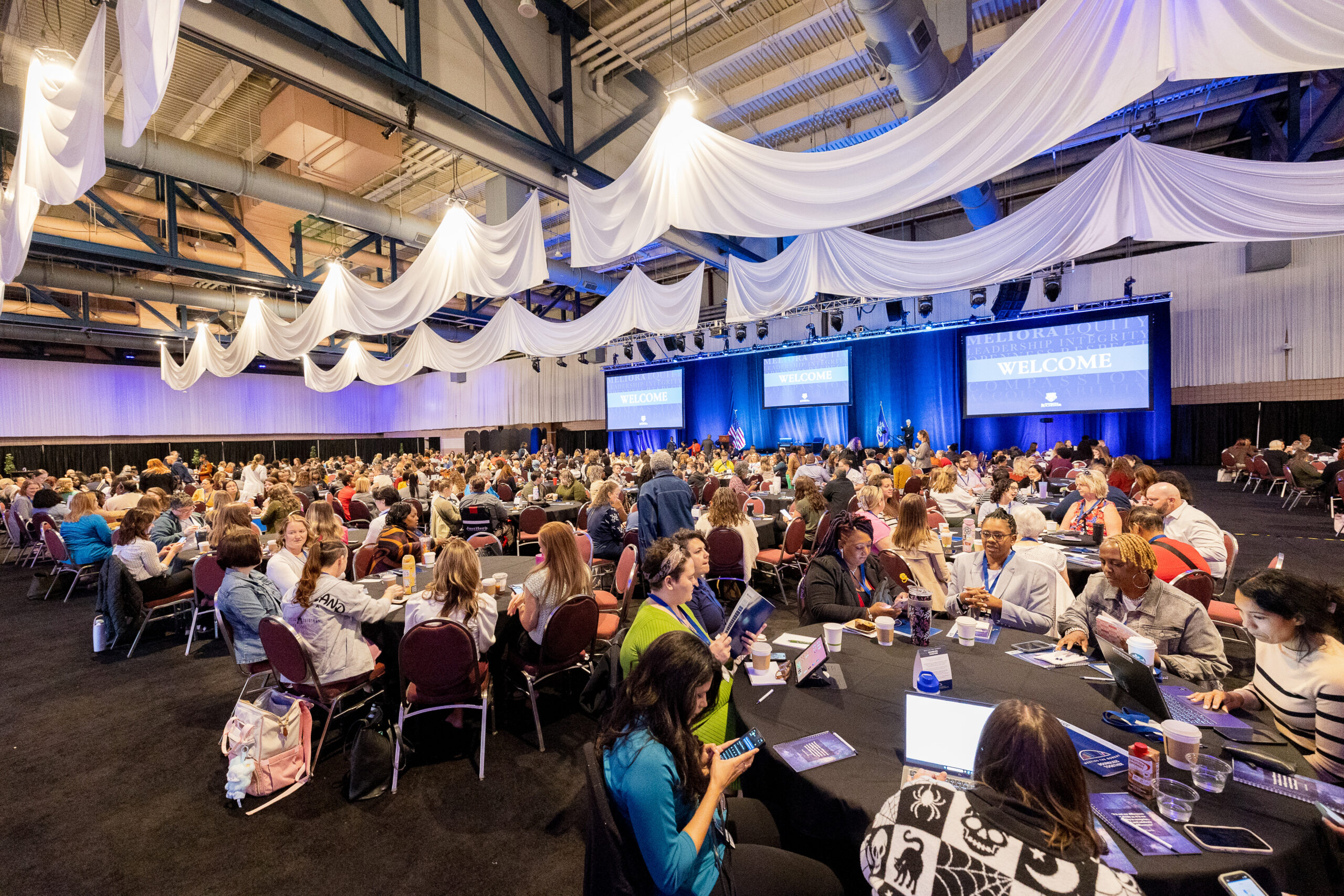
The Boundless Together Annual Conference brings together leaders and learners from the University of Rochester, the Rochester community, and beyond for collective education, dialogue, and reflection.

The conference will be held on Friday, October 23 at the Rochester Riverside Convention Center. All are welcome to attend this free event, including students, staff, faculty, and alumni of the University of Rochester and members of the Greater Rochester community. Conference registration will open in August.

Some questions the conference is interested in exploring:

  • How do different fields, disciplines, and ways of knowing strengthen each other? What unlikely partnerships are waiting to be formed?
  • How can we navigate disagreement to find—and build upon—our common ground?
  • How do digital tools and platforms shape our connections with each other? What do they enable or erode in our collective life?
  • What possibilities emerge when we embrace the relationship between individual well-being and the greater health of our community?

Call for Proposals

Students, faculty, staff, alumni, and community members are warmly invited to submit breakout session proposals for the 2026 Boundless Together Conference. We welcome proposals on a wide variety of topics that align with the conference theme, “The Power of Us.” All fields and areas of expertise are welcome.

Submit proposals here by Thursday, July 9 at 5:00 pm.
Each breakout session will be categorized under one of three session types:
Best Practices & Case Studies

These sessions will showcase research, evidence-based practices, and/or successful collaborations, offering tools or techniques that participants can apply to their own situations.

Training & Professional Development

These sessions will provide participants with opportunities to develop and practice skills for building stronger communities and/or moving towards collective action.

Connection

These sessions will facilitate constructive dialogue, mutual learning, and/or hands-on collaboration focused on enacting change.

Please keep the following points in mind as you prepare your proposal:
  • Breakout sessions will be 75 minutes long.
  • Each breakout session will be presented once during the full-day conference—either before or after lunch. Presenters will be free to attend another breakout session during the block when they are not presenting.
  • Presenter/facilitator teams are limited to a maximum of four individuals per session.
  • Audience sizes for breakout sessions will range from 30 to 250 people, with limited space availability for sessions smaller than 50 people. While there may be some flexibility with room arrangements, the default arrangement is theater-style seating (i.e. rows of chairs facing the front of the room).
  • We strongly encourage all presenters/facilitators to incorporate interactive elements in their sessions, even those that are primarily didactic/lecture-based.
  • New this year, all breakout sessions will utilize automated captions to promote both access for attendees and ease for presenters. By submitting a proposal, you agree to take the steps necessary to set up and use automated captions (training and technical support will be provided).
  • Presenters will be notified of committee decisions by the end of July.
  • Selected presenters will need to provide additional information, including a shortened abstract and copies of presentation materials, after their proposals are accepted.
  • Proposals will be evaluated according to the rubric below.

Proposal Evaluation Rubric

Evaluation Criteria What it Assesses Poor (1) Satisfactory (2) Excellent (3)
Conference alignment To what extent does the proposal align with the goals of the Boundless Together conference and the 2026 theme, “The Power of Us” The proposal does not align well with the conference theme and/or does not connect to the goals of the Boundless Together conference. The proposal aligns with the conference theme and advances the goals of the Boundless Together conference. The proposal makes a compelling case for how the session will help participants showcase “The Power of Us” and epitomizes the goals of the Boundless Together conference.
Session content Does the proposal describe a focused, engaging, relevant, and interesting breakout session? The proposal is either unfocused or unclear. Engagement strategies are unclear or not mentioned. The subject matter may not be relevant to conference attendees or may not be well attended. The proposal is focused, clearly written, and describes strategies to engage participants. The subject matter is relevant to conference attendees and the session would be well attended. The proposal is well focused and well written. Engagement strategies are clearly described and will ensure a high degree of participant involvement. The subject matter is relevant to conference attendees and the session would be a popular offering.
Learning objectives How well do the learning objectives describe what participants will take away from the session? The learning objectives are unclear, unrealistic, and/or misaligned with the session abstract. The proposal does not clearly indicate how the presenter will gauge success. The learning objectives are clearly written, realistic, and align with the session abstract. The proposal indicates how the presenter will gauge success. The learning objectives are clearly written, realistic, aligned with the session abstract, and indicate practical takeaways for session participants. The proposal clearly indicates how the presenter will gauge success.
Coherence How well do the different elements of the proposal align with each other? There is a disconnect among the session abstract, session type, intended audience, and learning objectives. The session abstract seems to align with the session type, intended audience, and learning objectives. The proposal draws clear and compelling connections between the session abstract, session type, intended audience, and learning objectives.
Evidence base To what extent does the proposal draw from/incorporate research, theory, and/or best practices? The proposal does not cite research, theory, or best practices or does not demonstrate how the presentation is informed by the evidence base. The proposal cites research, theory, and/or best practices and demonstrates how the presentation is informed by the evidence base. The proposal is deeply rooted in research, theory, and/or best practices and clearly demonstrates how the presentation is informed by the evidence base.
Presenter expertise To what extent does the presenter demonstrate relevant expertise or experience in the proposed topic? The presenter’s CV/resume does not demonstrate expertise and/or relevant experience in the proposed subject matter. The presenter’s CV/resume demonstrates expertise and/or relevant experience in the proposed subject matter. The presenter’s CV/resume demonstrates deep expertise and/or relevant experience in the proposed subject matter. The presenter is an experienced facilitator.