Skip to content

Annual Conference: Boundless Together 2026

Boundless Together: The Power of Us

Friday, October 23, 2026

Joseph A. Floreano Rochester Riverside Convention Center

Register to attend

Topics on this page:

Conference Overview

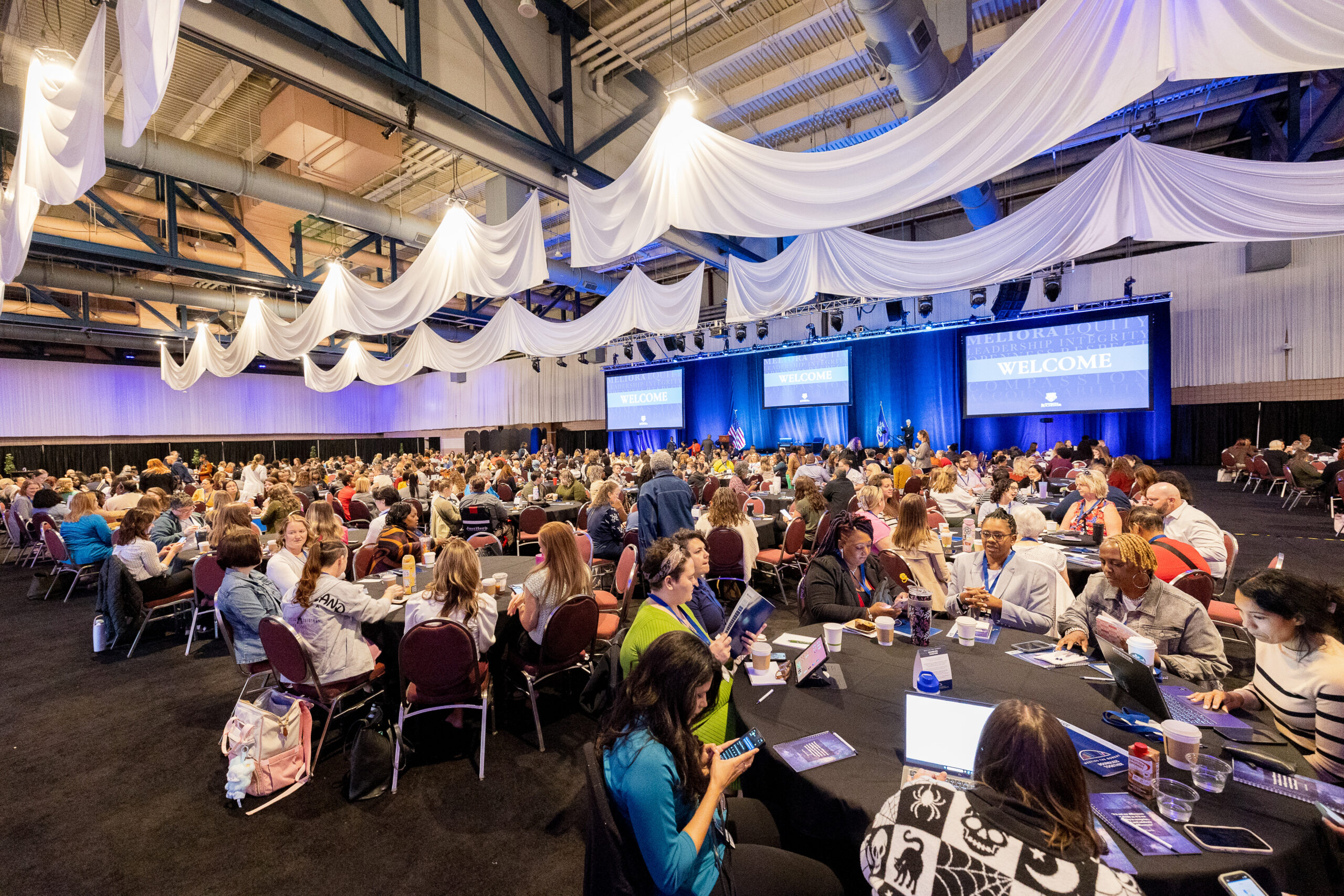
The Boundless Together Annual Conference brings together leaders and learners from the University of Rochester, the Rochester community, and beyond for collective education, dialogue, and reflection.

The conference will be held on Friday, October 23 at the Rochester Riverside Convention Center. All are welcome to attend this free event, including students, staff, faculty, and alumni of the University of Rochester and members of the Greater Rochester community.

Register now

The 2026 conference theme, “The Power of Us,” asks a deceptively simple question: what becomes possible when we act together? As we gather in October, we will celebrate the extraordinary ability of our institutional, local, and global communities to create positive change. The conference aims to help attendees strengthen their relationships, navigate divisive conflicts, and harness the boundless power of collaboration to solve problems that none of us can address on our own.

Some questions the conference is interested in exploring:

  • How do different fields, disciplines, and ways of knowing strengthen each other? What unlikely partnerships are waiting to be formed?
  • How can we navigate disagreement to find—and build upon—our common ground?
  • How do digital tools and platforms shape our connections with each other? What do they enable or erode in our collective life?
  • What possibilities emerge when we embrace the relationship between individual well-being and the greater health of our community?
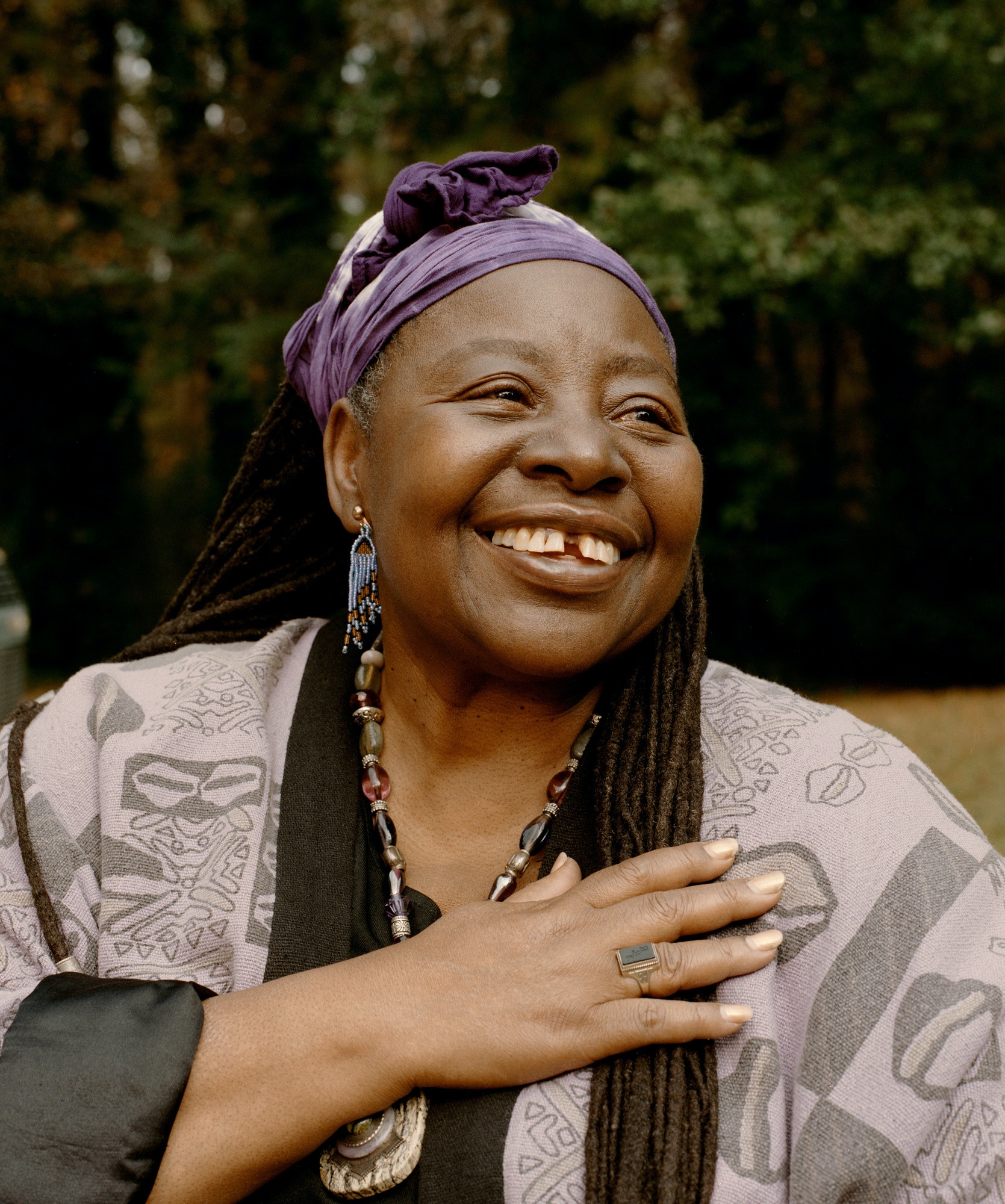
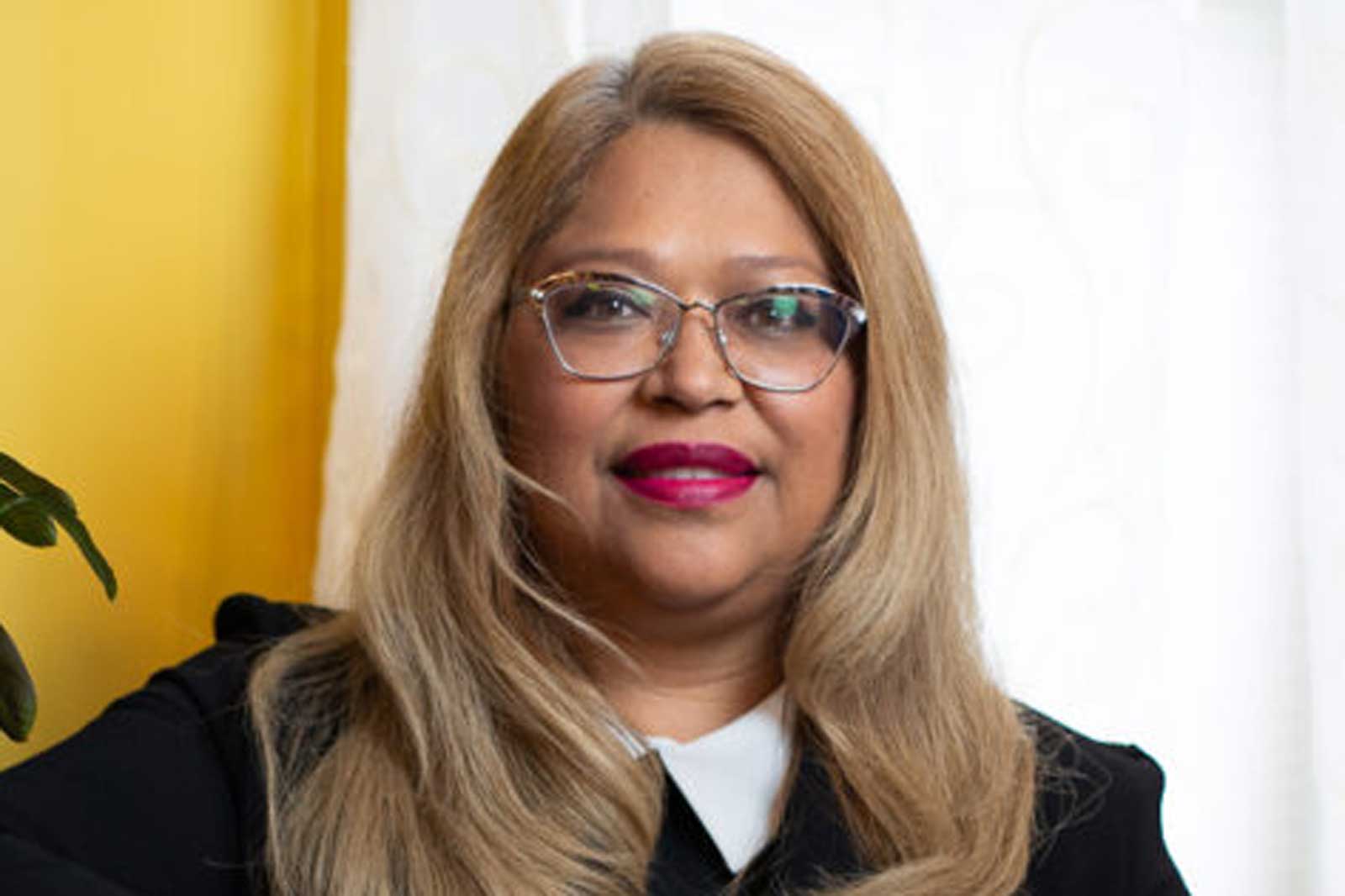
Loretta Ross smiles and holds hand to chest.

Keynote Speaker:
Loretta J. Ross

Loretta J. Ross, a nationally renowned activist, public intellectual, and professor whose work over the past five decades has transformed how we think about human rights, equity, and social change, will deliver the keynote address. Ross is among the most prominent voices of “Calling In,” a transformative approach that invites empathy, accountability, and grace into difficult conversations. Today, Ross is an associate professor at Smith College in Northampton, Massachusetts, where she teaches about call-out culture and human rights.

Boundless Book Club

In anticipation of Loretta Ross’s keynote address, we are excited to offer another iteration of the Boundless Book Club. This year, we will be reading and discussing Ross’s book Calling In: How to Start Making Change with Those You’d Rather Cancel.

Register here to participate in the book club.

The Office of University Engagement and Enrichment’s education team will facilitate 3 live, virtual discussion sessions for the University community:

  • Wednesday, September 23, 12:00-1:00 pm
  • Wednesday, October 7, 12:00-1:00 pm
  • Wednesday, October 21, 12:00-1:00 pm

Facilitation guides are also available for those who are interested in running a smaller book club for their own team or department.

We are excited to offer a free copy of Calling In for the first 300 registrants, with pickup opportunities both on River Campus and University Medical Center. We will contact eligible registrants with more information.

Fireside Chat Panel

This year’s fireside chat will showcase a panel of four local leaders who will speak to “the power of us” in our own Rochester community. The conversation, facilitated by University of Rochester President Sarah C. Mangelsdorf, will focus on coalition building and collective action. Together, we will explore how we can build resilient relationships, impactful movements, and stronger communities.

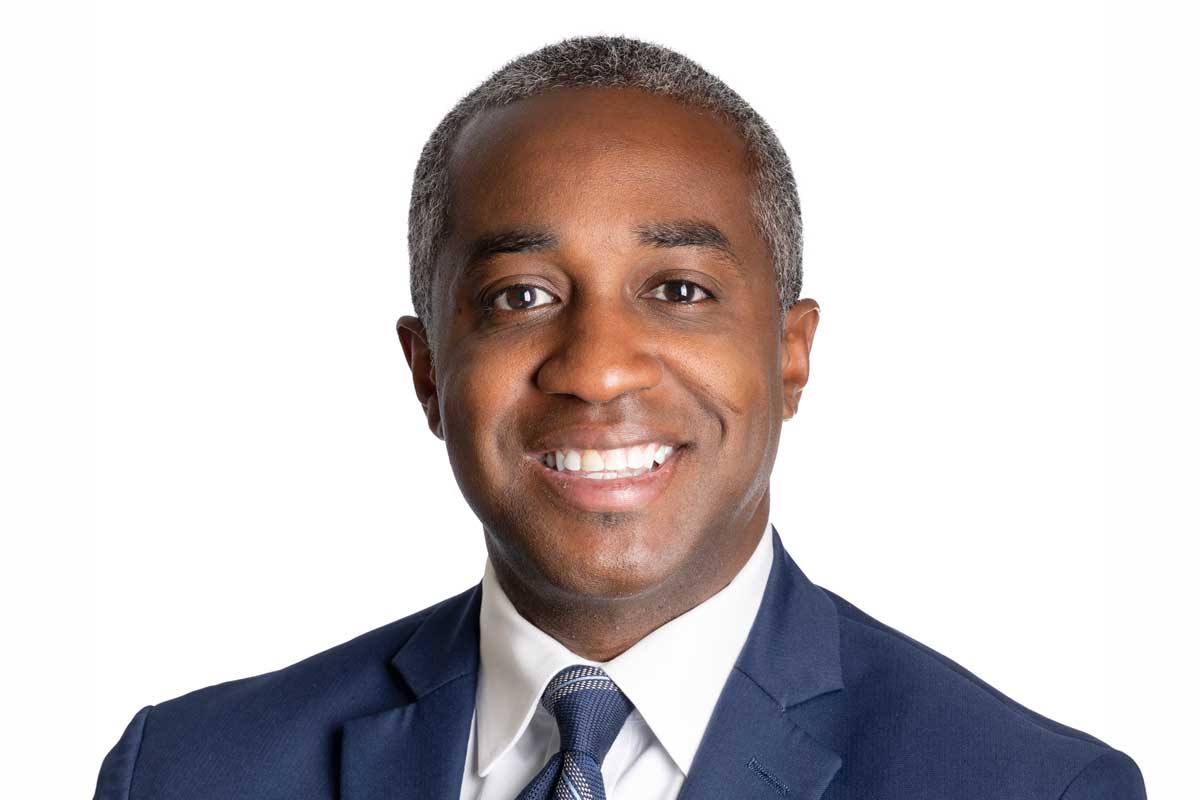
Simeon Banister

Simeon Banister became president and CEO of Rochester Area Community Foundation on Oct. 1, 2022. Since joining the Foundation in 2017, Banister has also served as program officer for equity, vice president of Community Programs, and executive vice president. Prior to the Foundation, his career spanned public service, higher education, and private sector leadership. Banister helped establish the North Star Coalition, advancing equitable economic opportunity across the region.

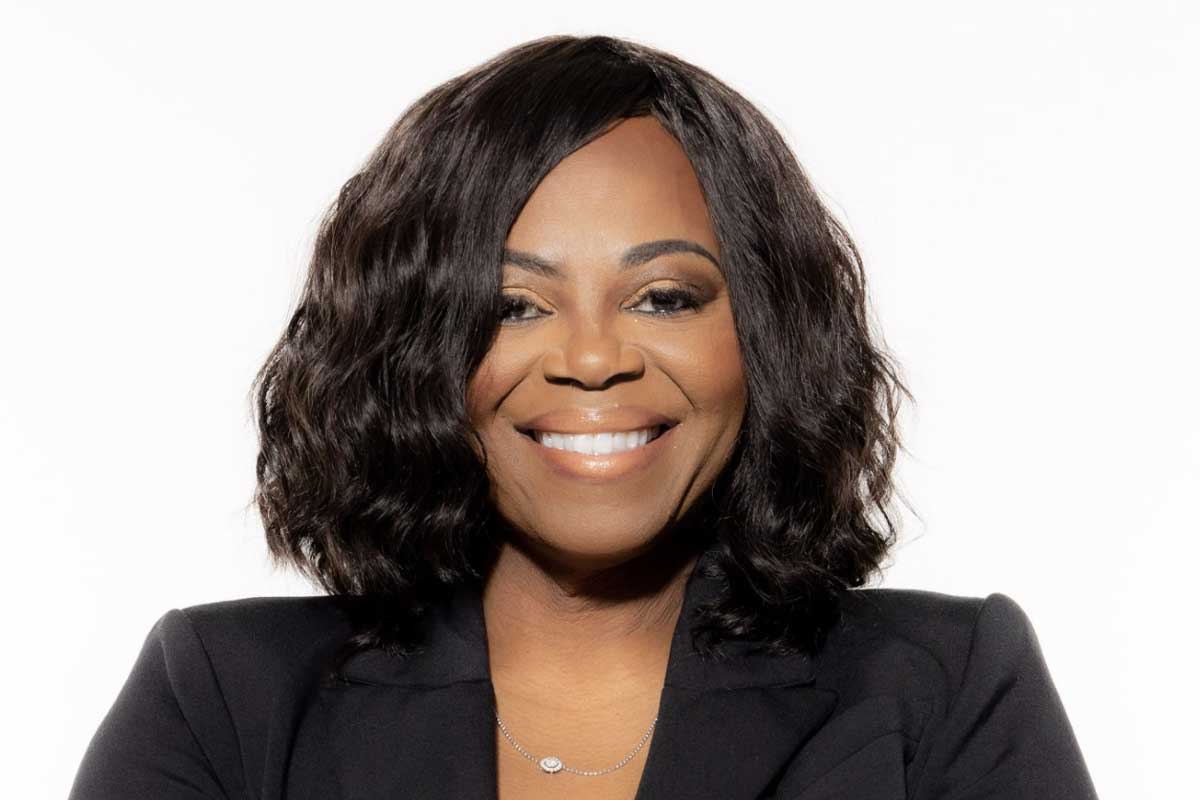
Rev. Dr. Melany J. Silas-Chandler

Rev. Dr. Melany J. Silas-Chandler is an educator, pastor, author, counselor, and nonprofit leader. She serves as Senior Pastor of Trinity Emmanuel Presbyterian Church and as a professor at Monroe Community College, where she teaches innovative courses in Emotional Wellness, Death and Dying, and Black Women’s Mental Health and Wellness. She is also Founder and Executive Director of BreatheDeep, Inc., a nonprofit organization that promotes access to culturally responsive mental health education, counseling, wellness programming, and youth leadership development.

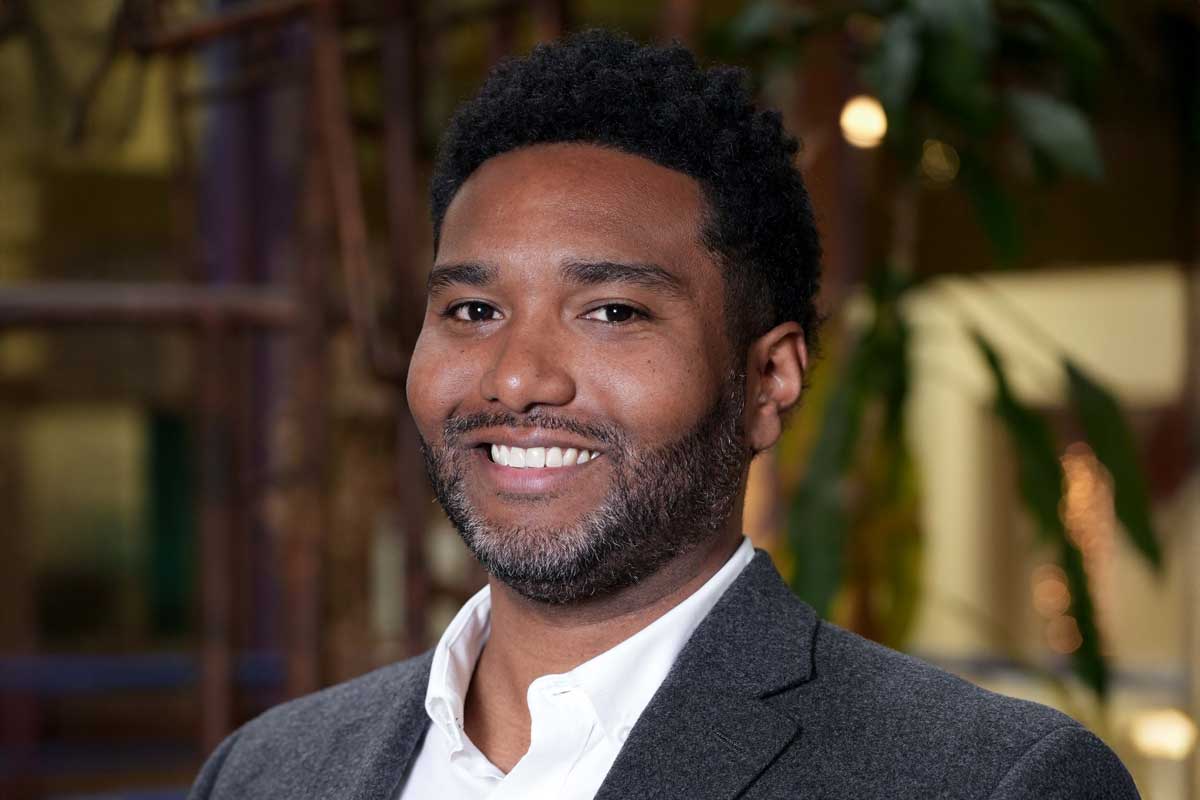
Brian Lewis

Brian Lewis is a senior executive, professor, and advocate with 20 years of experience advancing social justice and improved outcomes for youth. He is currently Executive Director of Roc the Future Alliance, a place-based cradle-to-career initiative that focuses on creating opportunities and success for every child in Rochester. His career spans direct service, program leadership, and executive management, centered on removing systemic barriers, shifting power, and improving outcomes for marginalized populations.

Lucia Colindres-Vasquez

Lucia Colindres-Vasquez is Chief Operating Officer at Ibero-American Action League, Inc., where she leads a diverse portfolio of health, human services, early childhood, workforce development, disability services, and community-based programs throughout the Finger Lakes and Capital Region/Mohawk Valley. With more than 25 years of experience in community health and human services, Lucia has dedicated her career to strengthening access to care, empowering families, advancing health equity, and developing sustainable programs that respond to the needs of underserved communities.

Breakout Sessions

The University of Rochester is pleased to welcome the following individuals to present at the 2026 Boundless Together Conference. Speakers at this conference talk about issues of importance relevant to their work and in doing so the views, thoughts, and opinions they express are their own and not necessarily those of their employer, organization, committee, or any other group or individual, including the University of Rochester.

Morning Breakout Sessions
The Human Side of Teams: Roles, Relationships, and Results

Effective groups are not defined by the absence of conflict, but by their ability to navigate challenges while remaining committed to one another and their shared purpose. Whether in classrooms, workplaces, student organizations, or community initiatives, understanding group dynamics equips participants with practical tools to foster collaboration, strengthen relationships, and improve team performance.

This interactive session explores two foundational frameworks in group dynamics: Bruce Tuckman’s Stages of Group Development and Benne and Sheats’ Functional Roles of Group Members. Participants will examine how groups evolve through the stages of forming, storming, norming, performing, and adjourning, while recognizing that conflict and misunderstanding are natural and necessary parts of group development. The session will then introduce Benne and Sheats’ task, maintenance, and individual roles, encouraging participants to consider how different behaviors contribute to or detract from a group’s effectiveness.

Presenter: Courtney Floom, MA, Associate Director for Student Leadership Programs, Office of the Dean of Students

Us vs the Problem: Developing a Restorative Community

Across higher education and academic medicine, collaboration is frequently hindered by relational breakdowns, unclear communication norms, hierarchical silos, and psychological distress. These challenges manifest mistrust, conflict avoidance, and disengagement, ultimately limiting effective communication, shared decision-making, and innovation in learning, research, and clinical environments.

Restorative practices offer a powerful approach to filling gaps caused by low trust, uncertainty, stress and burnout. These practices strengthen collaboration, enhance psychological safety, and support more effective pathways from discovery to practice. This session will offer a timely exploration on the value of belonging and on building a trauma informed workplace via restorative practices.

Presenters: Kit Miller, Associate Director of Restorative Practices, Office of University Engagement and Enrichment; Sean Watson, MS, Interim Director, Religious & Spiritual Life; Kaitlin Legg, M.Ed., Senior Academic Opportunity Program Specialist, Office of Academic Excellence

Nurturing and Nourishing Self-Care: How we can Prevent and Heal Burnout

Advancements in healthcare and education continually push all of us forward, improving outcomes for our patients and preparing our students for the world ahead of them. In the day-to-day efforts of providing care and support we often struggle with sustaining our own wellbeing.

In the current landscape it’s more important than ever that we learn to look after ourselves and each other in meaningful ways to prevent invisible workplace injuries like burnout and vicarious trauma. This workshop will provide a foundational understanding of burnout, vicarious trauma and compassion fatigue before exploring the institutional, interpersonal and individual practices that can aid in recovery and move us closer to a system of care that seeks to support wellbeing and prevent these negative outcomes.

Presenter: Megan Honeck, Senior Health Project Coordinator, Center for Community Practice, Infectious Diseases

Let’s Meet in the Music: Understanding Autism and Neurodivergence through the World of Science and Song

Autism is increasingly recognized across healthcare, education, workplaces, and communities, yet misconceptions, stigma, and barriers to inclusion remain common. This interactive 75-minute session invites faculty, staff, students, and community members to explore contemporary perspectives on autism and neurodivergence through science, lived experience, and shared musical engagement (no prior musical experience needed).

The session opens with a 10-minute community drumming activity to foster connection and an inclusive environment. A 20-minute presentation by Professor Greenberg then offers an accessible overview of current autism research, including associated strengths and challenges, identity and language preferences, and ongoing discussions of inclusion, accessibility, and human rights—emphasizing evidence-based perspectives alongside the voices of autistic individuals.

A moderated panel of clinicians, researchers, educators, and individuals with lived experience follows, discussing practical strategies for more inclusive classrooms, clinics, workplaces, and communities while reflecting on their own experiences. Participants are encouraged to ask questions and join the discussion throughout.

The program concludes with a second 10-minute community music-making experience, inviting reflection on connection, communication, and belonging.

Rather than positioning autism solely as a medical condition to be understood, this session encourages participants to reflect on how each of us can help build more welcoming, inclusive environments in Rochester and beyond.

Presenters: David Greenberg, PhD, Evans Lam Professor of Music and Medicine, Associate Professor of Neuroscience & Director of Research, Eastman Performing Arts Medicine; Laura Silverman, PhD, Associate Professor, Department of Developmental Pediatrics; Emily Knight, MD, PhD, Assistant Professor, Department of Neuroscience; Dana Benoit, MBA, MT-BC, Music & Medicine Clinical Research Specialist, Eastman Performing Arts Medicine; and partners

Unexpected Partners: Building Collaboration Through Shared-Space Disruption

What happens when two distinct clinical teams are asked to share one space for 16 months? A medical ICU relocation created an unlikely partnership with a medical-surgical unit, requiring both teams to navigate competing needs, different workflows, limited space, and ongoing change. This interactive case study explores the realities of working together when collaboration is necessary, but not always easy. Participants will hear perspectives from both units, examine challenges and unexpected benefits, and explore how communication, shared problem-solving, and diverse expertise shaped the experience. Attendees will leave with practical strategies for strengthening cross-team collaboration and navigating disruption in their own settings.

Presenters: Rebecca Johnson, MS, RN, CCRN, PCCN, NPD-BC, Senior Nursing Professional Development Specialist, Critical Care Nursing; Christopher Burleigh, RN, CCRN, Senior Nurse Manager, Critical Care Nursing; Taylor Lombardo, RN, Senior Assistant Nurse Manager, Critical Care Nursing; Allison Reitmeier, MS, RN, MEDSURG-BC, Nurse Manager, Critical Care Nursing

Action in Concert: Convening with Purpose

A fundamental principle of community-engaged learning is that mutual change is inevitable: whenever we come together, we are changed because of it. Since 2025, the annual Community-Engaged Learning Summit has convened 158 people across the sector of community-university partnerships to reflect on the change they wish to bring back to their communities as a result of what they learned and who they met. Both years, attendees have reflected a desire for meaningful action planning around these identified changes. One attendee suggested that we group people and organizations around their areas of interest to facilitate action planning around practical outcomes. This breakout session will pilot that idea.

Presenters: Megan Lovely, MFA, Program Manager for Community-Engaged Learning, Center for Community Engagement; Candice Lucas, EdD, Senior Vice President, Urban League of Rochester; Dave Harker, PhD, Executive Director, Partners for Campus-Community Engagement

From Behavior to Meaning: The Role of Support Services in Strengthening Family and Provider Partnerships

Families and providers often share the same goal but experience the journey from very different perspectives. When behavior is interpreted through assumptions, professional roles, or incomplete information, families may feel unheard, providers may become frustrated, and opportunities for meaningful partnership can be missed.

This interactive session explores how Support Services including Family Peer Advocates, Case Managers, and Rehabilitation Therapists can help bridge these gaps. Participants will be introduced to the Behavior Interpreter Lens, a practice-informed communication framework designed to help Support Services facilitate shared understanding between families and providers by looking beyond observable behavior to consider the experiences, needs, strengths, and barriers that may be influencing family interactions.

Through lived experience, behavioral health and Support Services perspectives, case-based discussion, reflection, and the F.A.M.I.L.Y. Framework, participants will practice approaching behavior with curiosity before conclusions. Attendees will leave with practical strategies for elevating family voice, reducing assumptions, strengthening interdisciplinary communication, and creating more collaborative, family-centered partnerships that support better outcomes for children and families.

Presenters: Shareta Parker, FPA-P, Senior Case Manager & Family Peer Advocate, Psychiatrics, Pediatric Behavioral Health and Wellness; Jerard Johnson, CCM, Director of Patient Support Services and Community Relationships, Psychiatrics, Pediatric Behavioral Health and Wellness; Tyisha Phillips-Lewin, MS, MHC, NCC, Clinician, Psychiatrics, Pediatric Behavioral Health and Wellness; Chassity Phelps, FPA-P, Senior Case Manager & Family Peer Advocate, Psychiatrics, Pediatric Behavioral Health and Wellness

Listening as Strategy: Using Community Voice to Drive Maternal Health Change

Maternal mortality in Monroe County is much higher than state and national rates, and the gap is even wider for Black birthing people and residents of lower-income neighborhoods. Closing that gap starts with understanding why it’s happening.

This session shares how the Mothers and Babies Health Survey 3.0 brings together two approaches to answer that question: a county-wide survey looking at how systemic factors, social support, provider communication, and mental health shape birthing experiences, and a series of in-depth community listening sessions with people who have given birth in Monroe County in the last five years, focused on the areas facing the greatest risk.

Presenters will walk through how the survey and listening sessions were designed to work together, using data to spot disparities and community conversations to help explain them. As a result, this leads to a fuller, more useful picture than either method could give on its own.

Attendees will leave with practical strategies for centering community voice in their own research or program work, and a clearer sense of why direct engagement, not just data, is essential to building solutions communities actually want and need.

Presenters: Danielle Jones, LMHC, CD, Mothers and Babies Program Grant Manager, Public Health Sciences; Theresa Green, PhD, MBA, MS, Associate Professor, Public Health Sciences and Center for Community Health and Prevention & Associate Director, Center for Community Health and Prevention; Rebecca O’Loughlin, MPH, Research Assistant, Public Health Sciences; Laura Stamm, PhD, Assistant Professor, Medicine and Health Humanities and Bioethics

From Survival to Sustainability: Reclaiming Hope Through Identity‑Affirming Supervision and Collective Care

In this interactive workshop, we will look at how culturally responsive supervision can help people of color and international supervisees feel a stronger sense of belonging, build resilience, and grow professionally. Together, we will explore how culture, identity, lived experience, and power dynamics shape supervisory relationships, workplace confidence, and overall well-being.

Through reflective exercises and group discussions, you will learn practical ways to create psychological safety, navigate cultural differences, address power dynamics, and encourage collective care. The session highlights that supervision works best as a team effort, helping people connect, feel less isolated, and move forward in their careers. You will leave with useful tools to build inclusive supervisory environments where supervisees from all backgrounds feel valued, supported, and ready to succeed.

Presenters: Felicia R. Reed-Watt, LCSW-R, MS, Associate Director of Social Work and Clinical Case Management, University Health Service; Frankie Sampson, LMSW, CASAC Master Counselor, Substance Use Specialist & Primary Care Embedded Therapist, University Health Service

Bringing the World to the Classroom: A University Partnership Model for Reciprocal International Teacher Exchange

This session explores how the Fulbright Distinguished Awards in Teaching for International Teachers (DAI) program at the University of Rochester creates transformative impact through strategic synergy of integrated components: rigorous professional development, field experiences at local K-12 schools, technology integration, community engagement, and civic and cultural immersion—all supported by comprehensive university partnership infrastructure.

This session showcases how these elements work together strategically to create boundless opportunities. Our international educators engage in targeted PD sessions that build pedagogical expertise and leadership skills, then immediately apply learning through sustained placements in partner K-12 schools. Technology integration throughout enhances instruction and prepares teachers for modern classrooms. Simultaneously, curated civic and cultural visits to museums, government offices, historic sites, and community organizations deepen understanding of American society and education systems.

Beyond individual growth, we’ll highlight how this holistic model strengthens reciprocal partnerships: universities gain faculty expertise and research opportunities, local schools access innovative teaching practices and cross-cultural enrichment for students, and international educators return home as agents of educational transformation. Throughout, dedicated university support—mentoring, resources, and coordination—ensures cohesion across all program elements.

Presenters: Hairong Shang-Butler, Associate Department Chair, Teaching and Curriculum & Director, Fulbright Distinguished Awards in Teaching Program for International Teachers Program; Nathaniel Bloemke, Interim Associate Director for Support and Engagement, International Services Office

Afternoon breakout sessions
Debate or Dialogue: Practicing the Tools of Constructive Conversation

Most of us were never taught how to have a hard conversation. We learned to win arguments or avoid them, and neither one builds a team. This interactive session introduces Better Together: The Constructive Dialogue Practice, the initiative helping colleagues across URochester practice the skills that turn disagreement into understanding: deep listening, honest curiosity, and connection that does not require agreement. Through this initiative, our university staff, faculty, and students are supported in building skills for understanding across differences, creating meaningful connections in everyday moments, finding constructive ways to navigate disagreement, and building a culture of respect and care.

Participants will experience the program the way a workshop cohort does, practicing real conversation tools in pairs and small groups. Attendees will leave with key skills for engaging in dialogue, tools to use in difficult conversations, and a look at where the initiative is going next.

Presenters: Desmond Davis, LMSW, Training Facilitator, Office of University Engagement and Enrichment; Gerlander McCauley, Training Facilitator, Office of University Engagement and Enrichment

Claiming Our Seat at the Table: A New Dream for Monroe County

Since November 8, 2024, the Urban League of Rochester has convened the ROC Community Table, a weekly gathering of advocates committed to advancing equity and justice in Monroe County. What began as a small group of concerned citizens has grown into a diverse coalition of more than 150 people with expertise across a wide range of sectors.

Our paper, Claiming a Seat at the Table: A New Dream for Monroe County responds to the growing impact of federal policy decisions on Monroe County residents.

The Table works to anticipate emerging challenges, understand local impacts, and coordinate collective action to protect and advance the rights and opportunities of all Monroe County residents. The paper provides a shared framework to Review policy threats and local impacts, Resist unjust systems, Repair long-standing and current harms, and Rebuild stronger and more equitable systems. It is a living document, a community resource, and a call to action.

Everyone deserves a seat at the table. We are claiming that seat and dreaming a new dream for Monroe County. Join us!

Presenters: Candice Lucas, EdD, Senior Vice President, Urban League of Rochester; Thomas Green, Ed.D, MSL, BCS, PMP, Chief Executive Officer, TSG Innovative Solutions, LLC; Melissa Carlson; Donna Harris, PhD, Principal and Chief Diversity Officer, Center for Governmental Research

The Power of Mattering: When People Matter, Communities Flourish

There’s a difference between being included, feeling like you belong, and knowing that you matter. We experience mattering when we know we are valued—not just for what we do, but for who we are—and when we know we have something meaningful to contribute. That experience can shape how we show up, how we connect with others, and how communities flourish.

In this highly interactive session, we’ll explore the differences between inclusion, belonging, and mattering. We’ll look at what research tells us about why mattering is important, what strengthens it, and what can get in the way. Along the way, we’ll consider mattering from both sides: our own need to know that we are valued and our need to know that we can make a difference.

Through reflection, discussion, and practical application, we’ll connect these ideas to our relationships, workplaces, and communities. Participants will leave with a new lens for understanding connection and contribution, practical ways to strengthen mattering in everyday interactions, and a personal commitment to help create environments where people feel valued, know they can make a difference, and know their presence matters.

Presenter: Michelle Lewis, MSEd., Lead Project Manager, ICARE Education, Office of Patient Experience and ICARE Commitment

It Takes a Community: Lessons From Building a Connected System of Care for Student Mental Health

There’s a difference between being included, feeling like you belong, and knowing that you matter. We experience mattering when we know we are valued—not just for what we do, but for who we are—and when we know we have something meaningful to contribute. That experience can shape how we show up, how we connect with others, and how communities flourish.

In this highly interactive session, we’ll explore the differences between inclusion, belonging, and mattering. We’ll look at what research tells us about why mattering is important, what strengthens it, and what can get in the way. Along the way, we’ll consider mattering from both sides: our own need to know that we are valued and our need to know that we can make a difference.

Through reflection, discussion, and practical application, we’ll connect these ideas to our relationships, workplaces, and communities. Participants will leave with a new lens for understanding connection and contribution, practical ways to strengthen mattering in everyday interactions, and a personal commitment to help create environments where people feel valued, know they can make a difference, and know their presence matters.

Presenter: Michelle Lewis, MSEd., Lead Project Manager, ICARE Education, Office of Patient Experience and ICARE Commitment

The Power of Us: Campus Action Planning for Community Engagement

As colleges and universities navigate a period of intense scrutiny and ferment, civic and community engagement provide a pathway to restore public trust and advance the mission of higher education. This interactive workshop will provide an overview of an ongoing process to plan civic and community engagement for the University of Rochester, and will afford participants at the Boundless Together conference the opportunity to contribute to the plan.

In June 2026, the University of Rochester was accepted as one of 21 participants in a pilot/innovation cohort for the Campus Action Planning (CAP) process sponsored by Campus Compact, the organization that advances the public mission of higher education. This session will be facilitated by members of the planning committee and will be designed to provide an overview of the Campus Action Planning Process, including the phases and domains of planning. The session will be designed to engage participants in offering input for the Campus Action Plan for community engagement and partnerships. The planning committee has chosen to focus its efforts this semester on institutional infrastructure, support and coordination. This workshop will afford participants to contribute to self-assessment, aspirational planning, and scoping and operations.

Presenters: Glenn Cerosaletti, MA, Assistant Dean & Director, Center for Community Engagement; Shaun Nelms, EdD, Vice President for Community Partnerships & Senior Advisor to the President; Laura Sugarwala, MBA, RD, Director of Community Partnerships, Center for Community Health and Prevention

The Power of Partnership: Strengthening Language Access Together

Language barriers can significantly affect the quality and safety of care for patients who use languages other than English. Recognizing this, University of Rochester Medicine finalized its Language Access Strategic Plan in 2026 to enhance language accessibility throughout its health system.

This initiative emphasizes collaboration among clinical teams, operational leaders, patients, and community partners. Faculty and staff are crucial in ensuring patients receive appropriate language services, understanding how to access qualified interpreters via in-person, telephone, or video modalities, and knowing the proper role of bilingual staff.

We will discuss the rights of the members of our community to receive services in a language they can understand and examine how everyone within the URochester Medicine community can contribute by promoting awareness, fostering welcoming environments, and championing consistent use of language services. This collective effort aims to build a healthcare system where every patient can fully understand and participate in their care.

Presenters: Jason Hubbard,CHI™-Spanish; Telva Olivares, MD

Building Connection and Community through Social Media Use

Discover how intentional communication can transform healthcare environments by fostering professional connectedness and community. This interactive session, “Building Connection and Community through Social Media Use,” explores a successful initiative where Professional Governance Leaders, the Chief Nursing Executive, and Marketing partnered to implement professionally governed nursing social media platforms.

Designed for healthcare leaders, educators, and frontline staff, this session will showcase evidence-based strategies to enhance staff engagement and amplify diverse voices. Learn how collective storytelling and inclusive engagement can break down silos, improve morale, and reinforce a shared professional identity across a multigenerational workforce. We’ll outline a professionally governed communication initiative, including roles, guidelines, and safeguards.

Through this breakout session, participants will gain practical insights into promoting inclusivity and cross-generational collaboration. This session exemplifies “The Power of Us” by demonstrating how united nurses become a transformative force for both workforce well-being and patient care.

Presenters: Sarah Corsette, MS, RN, MEDSURG-BC, Senior RN 3, Acute Medicine 73600; E. Kate Valcin, DNP, RN, NEA-BC, CCRN, CNL, FCCM, URochester Medicine Chief Nurse Executive

Prescription – Play!

Guided by principles from LEGO Education and innovation methodology, participants will engage in hands-on activities and creative practices to understand how to approach problem-solving in a transformational way. Innovative problem solving will be facilitated using LEGO throughout the process to encourage creativity and inclusivity regardless of traditional roles. As a diverse group of problem solvers, participants will be presented with a patient-focused problem and work together to stimulate creative solutions; teams will move through the stages of problem solving, which begins by exploring how identity and experience influences one’s approach. Participants will move on to problem identification and defining success, then will finish the workshop with solution building and assessment of outcomes. By the conclusion, participants will have generated an action plan to resolve a relevant complex problem using the aforementioned methods. They will also receive a toolkit for understanding their problem solving strengths, a repeatable process of problem identification and solution generation, and for applying their favorite forms of play to this process.

Presenters: Meghan Plate, MA, Lead Business Administrator, School of Medicine & Dentistry Office of Education; Heather Reyes, MD, M.Eng., Director of Education Core, URochester Health Lab & Attending Physician, Golisano Children’s Hospital

Welcoming and Supporting All Babies in Monroe County: The ROC Family Health Initiative

The ROC Family Initiative, launched in 2022, supports Monroe County newborns and families by addressing their health challenges. With over 6,000 newborns served, ROC Family offers telehealth visits and screenings for families within the first month of life, continuing through six months. Grounded in evidence-based models like Family Connects and Transitions Care Management, ROC Family partners with health systems, primary care practices, and community organizations to provide resources addressing health, mental health, and social needs like food, childcare, and transportation.

ROC Family responds to significant disparities in infant and maternal health outcomes, including high infant mortality and maternal morbidity. The program’s team—nurses, community health workers, behavioral health specialists, lactation specialists, and primary care providers—prioritizes family concerns, using screening tools to identify needs and connect families to timely care. For example, mothers identified with depression receive follow-up care within days, with evaluations showing reduced symptoms and improved functioning.

Supported by Monroe County, the United Way, Excellus, and NYS Medicaid, ROC Family aims to expand countywide. Collaborative efforts focus on creating a unified system of care to improve outcomes and equity for families. Participants are encouraged to share insights and explore new community partnerships to strengthen family resources and resilience.

Presenters: Laura Jean Shipley, MD, Professor and Vice Chair for Regional Pediatrics and Population Health, Golisano Children’s Hospital; Jaime Saunders, MPA, President and CEO, United Way of Greater Rochester and the Finger Lakes; Jeff Kaczorowski, MD, Vice Chair for Community Health & Professor of Pediatrics, Golisano Children’s Hospital; LeKeyah Wilson, MD, Vice President for Community Engagement and Social Impact, Rochester Regional Health; Tamika S. Ward, MSNEd, BSN, RN-BC, CMSRN, Director of Nursing, Jordan Health 

Building Something Better: A Comprehensive Conflict Resolution Protocol

Conflict is a natural part of working in teams, but when left unaddressed, it can strain relationships, compromise psychological safety, and fragment an organization’s shared vision. This interactive session explores how conflict can be reframed as an opportunity for learning, growth, and stronger collaboration.

Participants will be introduced to the University of Rochester Center for Community Practice’s (UR-CCP) Conflict Resolution & Feedback Protocol, developed in collaboration with the University of Rochester’s Restorative Practice Initiatives (RPI). Grounded in restorative practices, the Protocol encourages individuals to pause, engage in self-reflection and self-care, and participate in healthy dialogue when navigating conflict.

Through interactive polls, case studies, and discussion, participants will practice active listening, understanding different perspectives, and navigating disagreements while strengthening relationships. Participants will also explore a Self-Reflection Worksheet designed to help individuals check in with their emotions, engage in grounding techniques, and prepare for productive conversations.

Participants will leave with practical strategies for approaching conflict collaboratively, strengthening teams, and working toward a shared vision—because being boundless together starts with how we care for ourselves and one another.

Presenters: Candice O’Connor, Health Educator, Center for Community Practice, Infectious Diseases, School of Medicine & Dentistry; Jonathan Jordan, Senior Health Project Coordinator, Center for Community Practice, Infectious Diseases, School of Medicine & Dentistry; Rachel McLaughlin, Health Educator, Center for Community Practice, Infectious Diseases, School of Medicine & Dentistry; David Sanchez, Operator and Consultant, Restorative Practice Initiatives, Office of University Engagement and Enrichment

Teaching Health Beyond Health Care Delivery through Community-Engaged Learning: Learning about Equity through Lived Experiences

Education in health professions has traditionally focused on biomedical knowledge and clinical skill development. While undeniably important, focusing exclusively on delivering care reinforces a model that prioritizes disease treatment over prevention. This can lead to overlooking the broader social, economic, and environmental factors that shape health outcomes.

At UR Medicine, medical students can learn about non-medical drivers of health by engaging with community-based organizations and initiatives through the Community Health Improvement Course (CHIC) and through the Distinction in Community Health graduation honors program. Community-engaged education provides students with experiential learning opportunities that are shaped by community partners and aligned with local health priorities.

In this session we will discuss our process of identifying and supporting over 20 community partners to maintain a mutually beneficial and reciprocal relationship with each. We will review our educational process and will highlight the impactful and sustainable work that the medical students are doing with partners to improve community health.

Through hands-on, experiential learning, students apply prevention strategies, examine structural barriers to health, and gain a deeper understanding of the communities they serve. These experiences play an important role in preparing future physicians to provide patient-centered and equitable care.

Presenters: Theresa Green, PhD, MBA, MS,  Associate Professor, Public Health Sciences and Center for Community Health and Prevention & Associate Director, Center for Community Health and Prevention; and partner colleagues

Conference Schedule

  • 8:00 – 9:00: Check-In
  • 9:00 – 9:25: Welcome Remarks
  • 9:30 – 10:30: Fireside Chat Panel
  • 10:30 – 10:45: Transition Time
  • 10:45 – 12:00: Morning Breakout Sessions
  • 12:00 – 12:45: Lunch
  • 12:45 – 1:00: Transition Time
  • 1:00 – 2:15: Afternoon Breakout Sessions
  • 2:15 – 2:30: Transition Time
  • 2:30 – 3:30: Keynote Address: Loretta J. Ross
  • 3:30 – 4:30: Book Signing and Networking Reception

Accommodations

The University of Rochester is committed to providing inclusive experiences and equal access to programs and services. In all situations, a good faith effort will be made to provide accommodations, though we kindly ask that you submit accommodation requests via the registration form by October 16, 2026. Please note that after this date, our ability to provide specific accommodations may be limited due to resource availability.

Parking and Transportation

Parking is available in the South Avenue Garage. Find more information about the garage and daily rates.

Free shuttle service from the University of Rochester is also provided and will run on a continuous loop from the Flaum Atrium (415 Elmwood Ave) to Rush Rhees Library (755 Library Rd) and the Convention Center (123 E Main St). The shuttles will run during three intervals:

  • 7:40 am – 9:30 am
  • 12:00 am – 1:15 pm
  • 4:15 pm – 5:30 pm