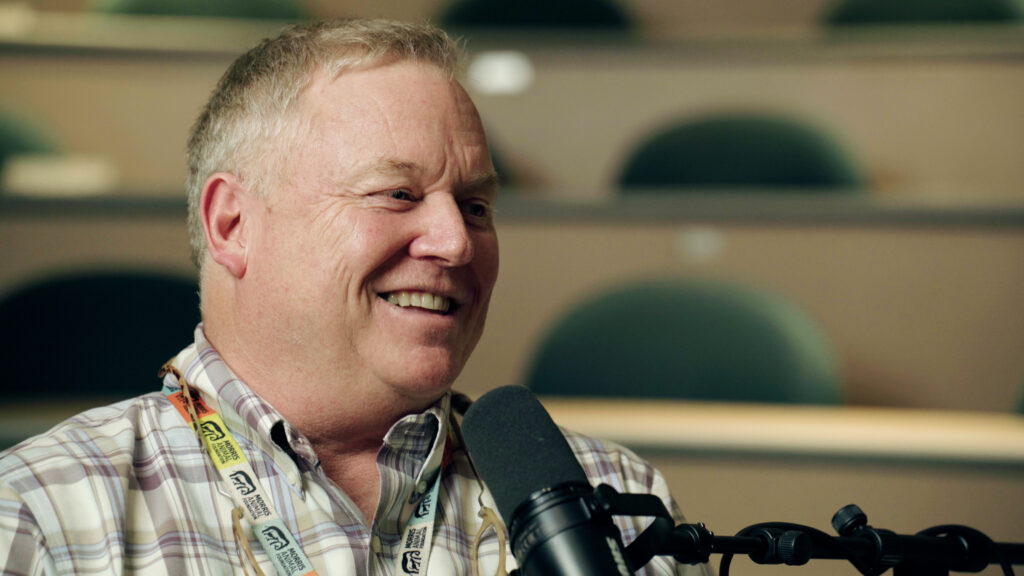
After more than four decades of service to the University and the Rochester community, Jeff Wyatt, DVM, MPH, will retire at the end of 2025. As Attending Veterinarian, Executive Director of Animal Resources, and Professor in the Departments of Comparative Medicine and Environmental Medicine at the University of Rochester School of Medicine & Dentistry, Wyatt has advanced biomedical research, environmental restoration, and global conservation—always guided by his belief that human, animal, and ecosystem health are deeply interconnected.
A Career Built on Connection
Wyatt arrived in Rochester in 1982 as a young veterinarian beginning a residency in research and wildlife medicine. Over the years, he built one of the nation’s most respected animal research programs—one known for scientific excellence and compassionate care. In 1995, he became the first veterinarian to earn a master’s in public health from the University, deepening his focus on how environmental and animal health influence human well-being.
That combination of expertise and vision quickly translated into institution-wide impact. His leadership strengthened the animal research infrastructure—from daily operations to long-term planning—ensuring investigators had the support, expertise, and environment they needed to pursue complex scientific questions. His collaborative, solution-oriented approach reinforced that foundation and modeled the principles of team science long before they became a formal institutional priority.
“Jeff’s impact on our institutional research enterprise, on the Rochester community—and even globally—can’t be overstated,” said Vice President for Research Steve Dewhurst, PhD. “Animal models touch a majority of scientific work happening at this institution, and Jeff made that possible—not only by ensuring the highest standards of care, but also by helping our investigators in myriad ways.”
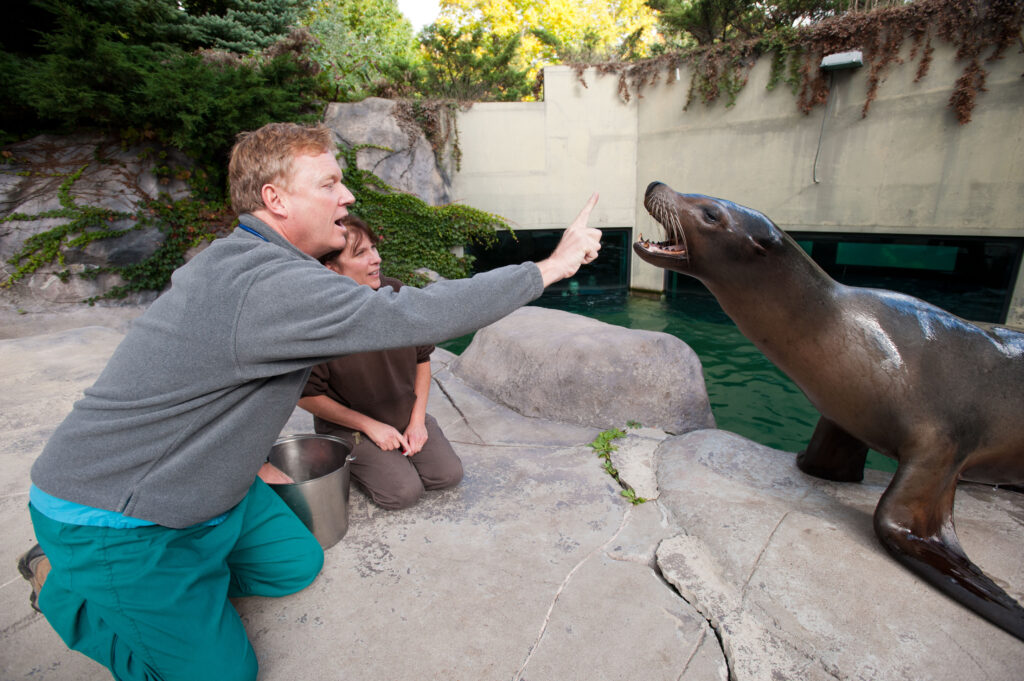
Colleagues who worked closely with Wyatt over the decades describe him as a steady, strategic leader whose guidance shaped both teams and individuals. Diane Moorman-White, a longtime veterinarian on the Animal Resources team, says “His ability to navigate complex situations, mentor staff, and solve problems with creativity and calm had a lasting influence on the department and the broader University community.”
That same systems-level perspective guided his work beyond the Medical Center. His vision linked human, animal, and environmental health, leading to decades of research connecting ecosystem quality and community well-being. His work on the Genesee River and Great Lakes ecosystems helped reveal how wildlife can serve as indicators of environmental recovery. Through projects such as the Lake Sturgeon Restoration Program, his team demonstrated measurable improvements in water quality and aquatic wildlife—successes that contributed to the recent delisting of the Rochester Embayment as an Environmental Protection Agency (EPA) Area of Concern.
“Mother Nature is so resilient,” Wyatt said in a November 2024 interview for The Next Step Podcast. “The pollution stopped, and she’s cleaning up the river as long as we give her the opportunity to do so. The sturgeon are thriving, and we’re seeing what’s possible when science, community, and patience come together.”
Conservation Without Borders
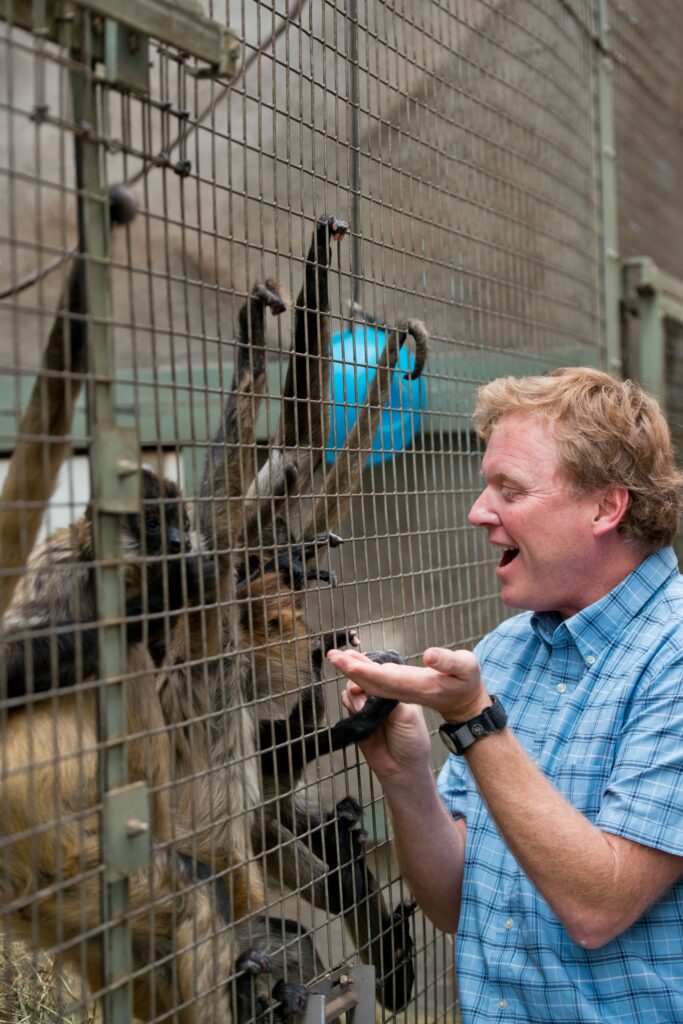
Beyond the Rochester area, Wyatt’s leadership extended to collaborations linking the University’s community revitalization mission to global ecosystem health. His two decades of work in Borneo and Madagascar, the world’s third and fourth largest islands, helped protect critically endangered orangutans and lemurs by partnering with local communities to provide healthcare and sustainable livelihoods—an approach credited with saving thousands of animals and transforming public health outcomes.
Through EPA and New York State Department of Environmental Conservation-funded projects, he’s worked alongside Rochester communities from different cultural backgrounds to raise awareness about safe fish consumption and promote healthier choices for families who rely on local waterways for food.
Although retiring from his University role, Wyatt will continue his mission globally and locally through partnerships with Health in Harmony and NYS Environmental Justice programs.
Welcoming Pradeep Dumpala
As Wyatt concludes his distinguished career, SMD welcomes Pradeep Dumpala, DVM, PhD, DACLAM, previously associate director in the Department of Laboratory Animal Resources at SUNY Upstate Medical University, to lead the University’s animal care and use programs.
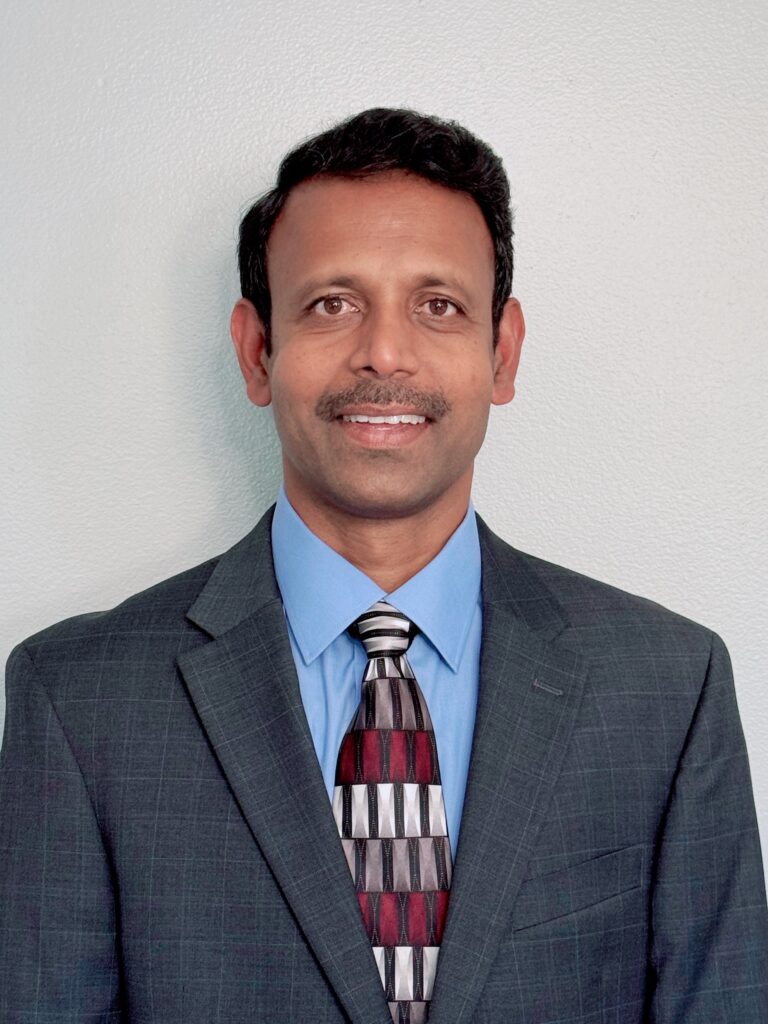 A board-certified laboratory animal medicine specialist, Dumpala brings more than 15 years of leadership in animal research operations, accreditation, and regulatory compliance. Colleagues who have worked with him point to his strong management skills, his experience running complex facilities, and his ability to build trusting relationships across teams.
“It was clear he was very good at making connections between people,” says Craig Morrell,
DVM, PhD, professor in the Department of Medicine and head of the search committee. “He finds a path to make something work.”
“What drew me to Rochester is its deeply collaborative and forward-thinking spirit,” Dumpala says. “I’m inspired by the University’s commitment to scientific excellence and animal welfare and eager to contribute to its research mission.”
A Legacy of Hope
Wyatt’s career reminds us that science and stewardship go hand in hand. His influence—spanning laboratories, rivers, and rainforests—leaves an enduring lesson in optimism and interconnectedness.
“Remember, we are all connected—humans, animals and the environment,” he said. “Unless both the environment and people are healthy, neither can be.”