A new trandisciplinary research center brings together faculty dedicated to studying resilience science.
Stress is the body’s natural reaction to a challenge. While our psychological, behavioral, and biological responses to stress can be beneficial, chronic stress can have serious negative health implications. At the new Resilience Research Center, faculty from across the University of Rochester investigate why some people bounce back from stress, trauma, and adversity and others don’t—and what can be done about it.
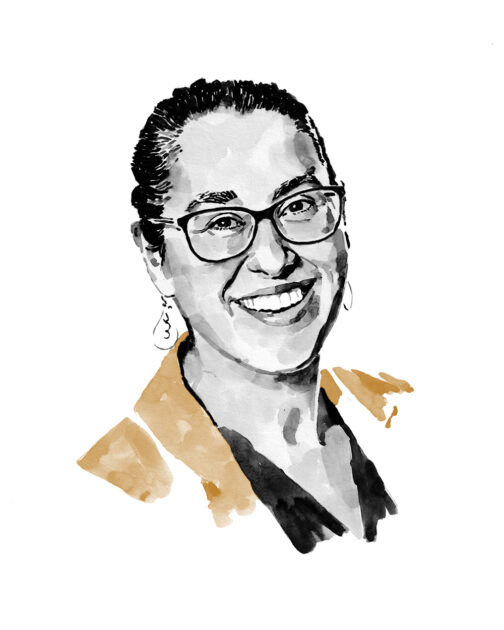
Elaine Hill, Dean’s Professor, Department of Environmental Medicine and Public Health Sciences, and Professor, Departments of Economics and Obstetrics and Gynecology:
“My research focuses on early-life exposures to neighborhood and community sources of stress and how those exposures affect health throughout the life course.
In looking at how the pandemic exacerbated the overdose crisis, we found that pre-pandemic community vulnerability and local economic conditions, as measured by high unemployment, explained most of the large increases in overdose mortality through 2022. We also found that access to substance-use treatment during pregnancy improved outcomes for mothers and infants, including reducing preterm birth and severe maternal morbidity. In terms of environmental exposures during pregnancy, our team has found adverse infant and maternal outcomes with exposures to traffic, shale gas development, low-quality public drinking water, hazardous waste management, construction projects, and extreme heat.
My research has led me to say environmental policy and economic policy are health policy. Policies that target improving community contexts and building community resilience are likely to have meaningful returns on investment, leading to improved health and well-being over the long term.”
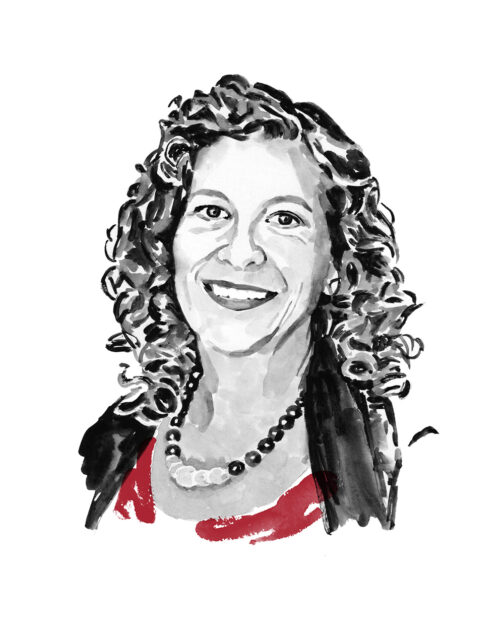
Jennie Noll, Professor, Department of Psychology, and Executive Director, Mt. Hope Family Center:
“There are remarkable stories of resilience, of people who have come from amazingly difficult systems, families, experiences. For three decades I have studied how early adversity and trauma impact human development at various levels of functioning. The bulk of my research has focused on child sexual abuse, and my work has contributed to foundational knowledge that explains the vast mental and physical health disparities exhibited by survivors.
These disparities include difficulties in social relationships with peers, parents, romantic partners, and even with one’s own children. Marked mental health difficulties, including depression, post-traumatic stress disorder, and an overactive stress-response system can disrupt key stress-regulated physiological systems associated with health and longevity. These disruptions affect our ability to fight off disease and can set the stage for metabolic and behavioral problems.
I pay particular attention to variables, conditions, and contexts that help explain why some survivors emerge relatively unscathed in comparison to their peers, as these are clues to early intervention and prevention.”
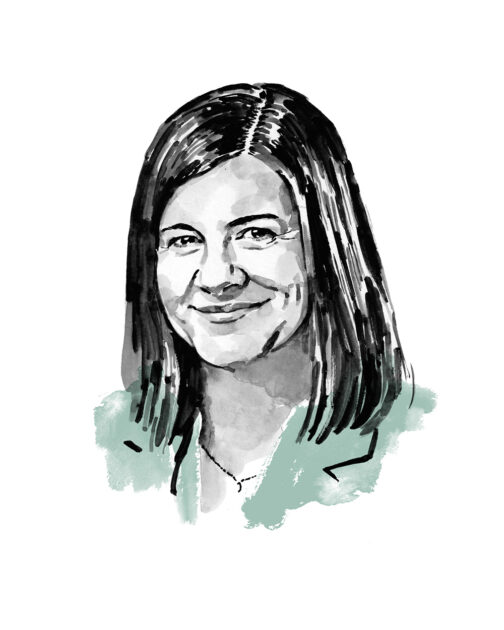
Kathi Heffner, Professor, School of Nursing and Departments of Psychiatry and Medicine, and Associate Chief of Research, Division of Geriatrics and Aging:
“Stress is experienced across the lifespan. What changes are the challenges or stressors we face. Children absolutely feel stress, whether from school pressures, family circumstances, or social dynamics. Adolescents often experience stress around identity and belonging, while adults may juggle work and caregiving or financial strain. For older adults, stress combined with aging can increase the risk for poor health in later life.
My current focus is on finding ways to promote well-being and immune health in caregivers of a family member with dementia, as well as individuals at risk for dementia. We found that improving attention and the speed at which stressed caregivers processed information—using computerized cognitive training—also improved their memory performance under laboratory stress. Importantly, cognitive training also lessened their negative emotional responses to memory problems and challenging behaviors of their family member with dementia, suggesting that these brain games can build caregivers’ cognitive and emotional resilience.”