The professor emeritus and former chair of the Department of Physics and Astronomy leaves a legacy of mentorship and innovation.
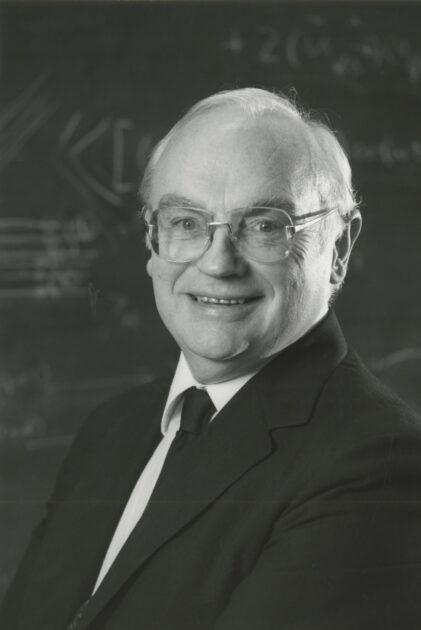
Professor Emeritus Robert Knox, who remained actively engaged with the Department of Physics and Astronomy at the University of Rochester well after his retirement in 1997, is being remembered for his contributions to physics, his teaching and mentorship, and his long association with the University.
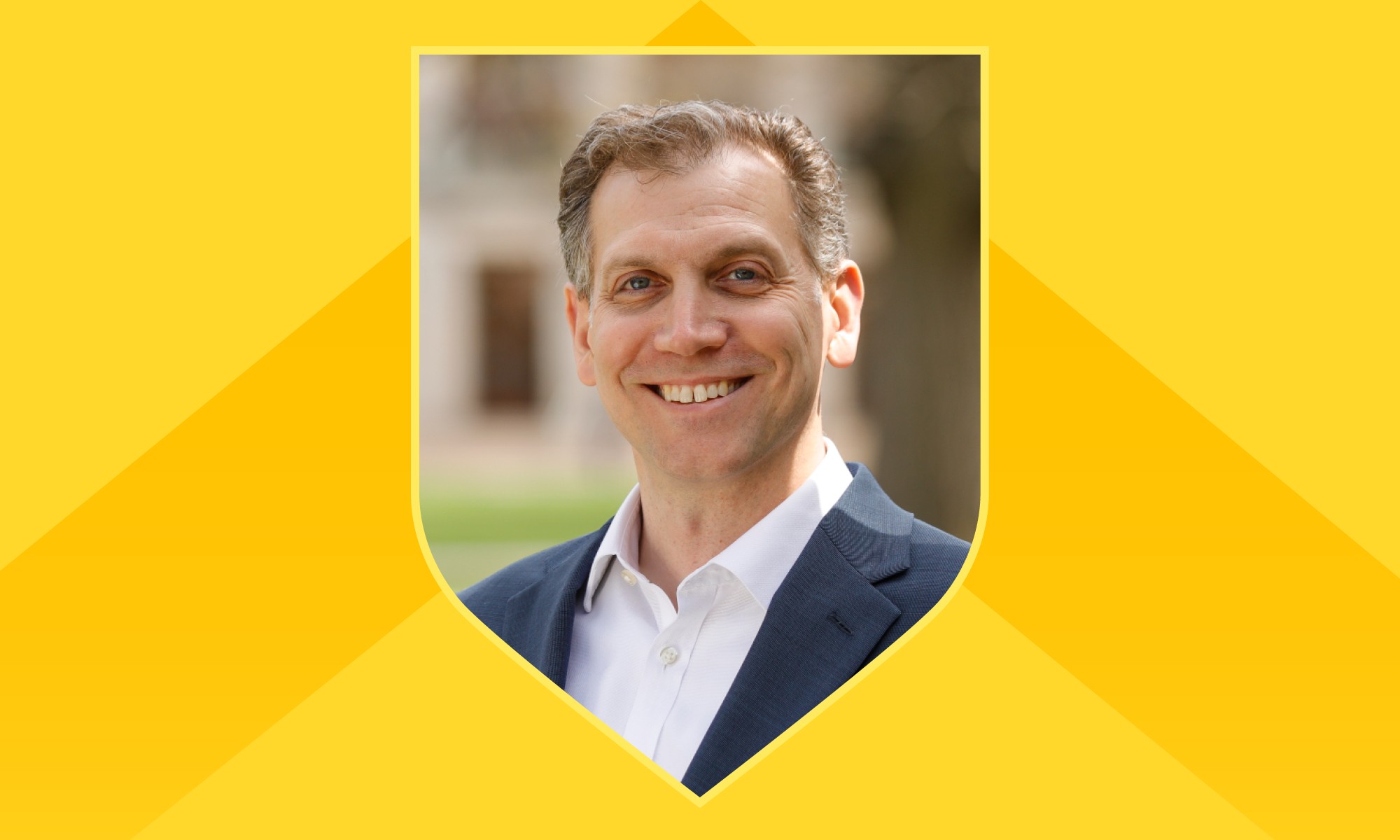
“Bob held deep ties to our department, to the University, and to a number of research institutions in Rochester,” says Segev BenZvi, professor of physics and chair of the department, noting stints at both the Eastman Kodak Company and Xerox Corporation.
Knox, who died on October 17 at age 95, was a professor of physics from 1968 until retirement when he was named professor of physics emeritus.
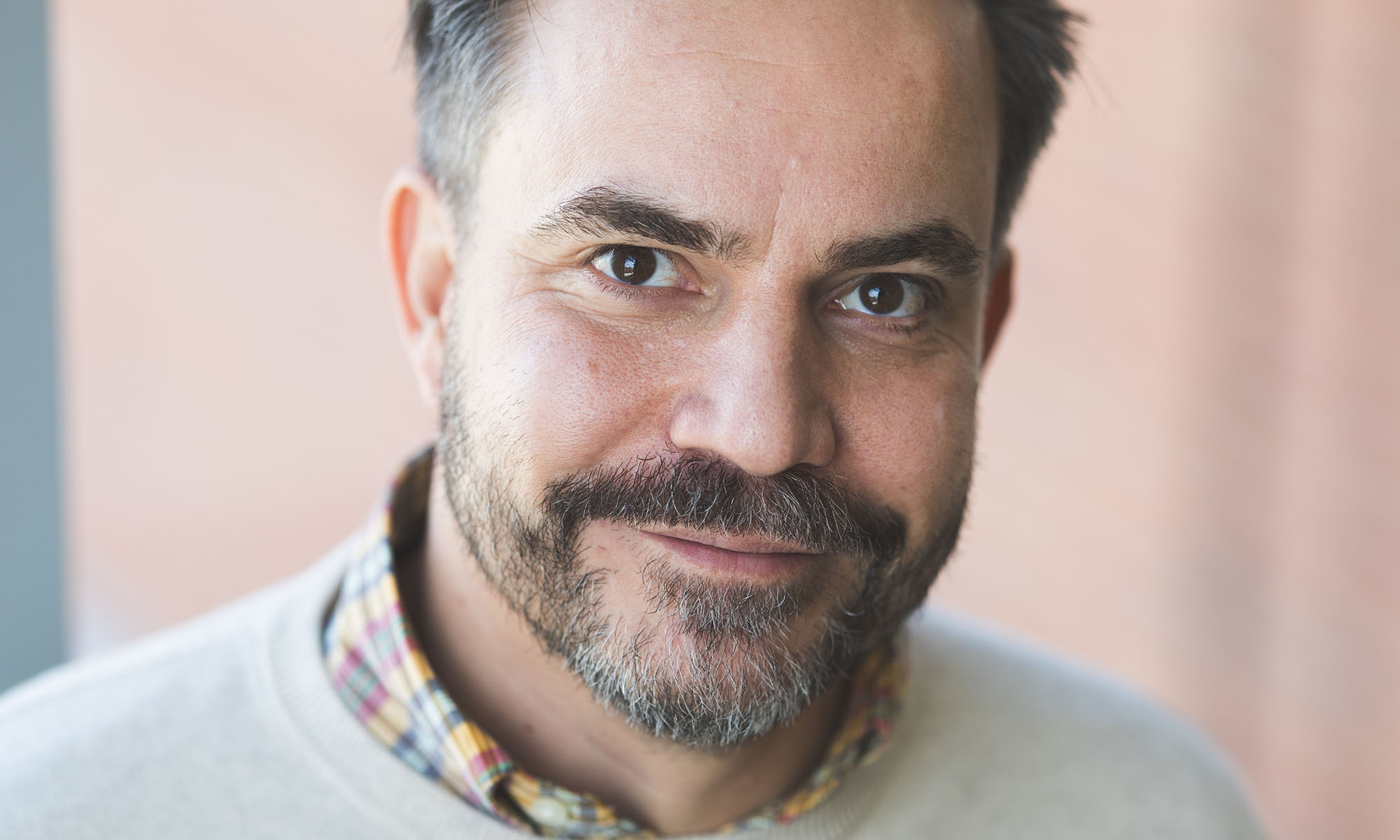
“I was chair of the department between 2019 and 2025, and Bob would reach out to me now and then and give me his thoughts and advice on issues and potential hires or promotions,” says Steven Manly, a professor of physics at URochester, adding that Knox stayed abreast of issues in the department until very recently.
“His advice was always delivered with good humor and, quite often, delightful anecdotes of the earlier years in the department.”
Knox graduated from Lehigh University in 1953 with a BS in engineering physics. He went on to earn a PhD in physics and optics at the University of Rochester in 1958.
Two years later, he joined the University as an assistant professor of physics. He served as chair of physics and astronomy from 1969 through 1974, and as associate dean for special programs in the then College of Arts and Sciences from 1982 to 1987. Over the course of his teaching career, Knox advised or co-advised more than 20 PhD students.
Knox held a joint appointment as a senior scientist at the Laboratory for Laser Energetics (LLE) from 1985 to 2016.
“In the mid-1980s, Bob Knox worked alongside Gérard Mourou’s Picosecond Research Group and applied the ultrafast photonics developed here to biological questions,” says LLE Director Chris Deeney. “Bob helped make the laboratory a more interdisciplinary place, and that influence is still with us.”
Knox’s research evolved from the study of excited states in crystals and molecular solids to theoretical biological physics, where he explored energy transfer in biological molecules and the fundamental processes of photosynthesis. He authored the Theory of Excitons (Academic Press, 1963) and coauthored Symmetry in the Solid State (W.A. Benjamin, 1964). His awards and honors include being named a co-recipient of the Biological Physics Prize of the American Physical Society in 1994.
Along with science, Knox was deeply interested in music. He and his wife, the late Myrta Knox ’54E (MM), supported many local organizations including the Society for Chamber Music in Rochester, the Eastman School of Music, and the Rochester Philharmonic Orchestra.
Knox is survived by his sons Wayne, who is a professor in the Hajim School of Engineering & Applied Sciences and a distinguished scientist at LLE, and Lee, who worked in aerospace and with the Food and Drug Administration as a subject matter expert for software and cybersecurity before retiring.
A celebration of his life will be organized at the University in spring 2027. Read his obituary, published by Anthony Funeral & Cremation Chapels.