Skip to content
From the Magazine

While you were sleeping: URochester reshapes the science of sleep

IN THE DARK OF THE NIGHT: Several URochester researchers, including Maiken Nedergaard, have helped unlock the mysteries of why we sleep and how we can improve our sleep. (Illustration by Bryce Wymer)

The University of Rochester’s researchers and clinicians are helping us understand the science of sleep—including how it might be one of the most consequential forces in human health.

The scientific establishment wasn’t ready.

It was the early 2010s, and Maiken Nedergaard knew she was on the cusp of answering one of the most fundamental questions in biology: Why do we sleep?

The neuroscientist and codirector of University of Rochester Medicine’s Center for Translational Neuromedicine had discovered what she and her husband and codirector Steven Goldman would dub the glymphatic system, a biological “dishwasher” that scrubs the brain of waste during sleep. It was a finding so important that Science magazine would list it among its 10 breakthroughs of the year in 2013.

You wouldn’t have guessed its importance if you’d attended her prepublication talks at sleep conferences and meetings. She enthused to her colleagues about the idea of brain clearance, but they regarded her with open skepticism. “They were like, ‘What is she talking about?’” Nedergaard recalls. “People looked at me like I was crazy.”

Yet the science was clear. Using sophisticated microscopy techniques to peer inside the brain, her work revealed a cellular cleaning cycle that flushes out toxic proteins primarily during sleep.
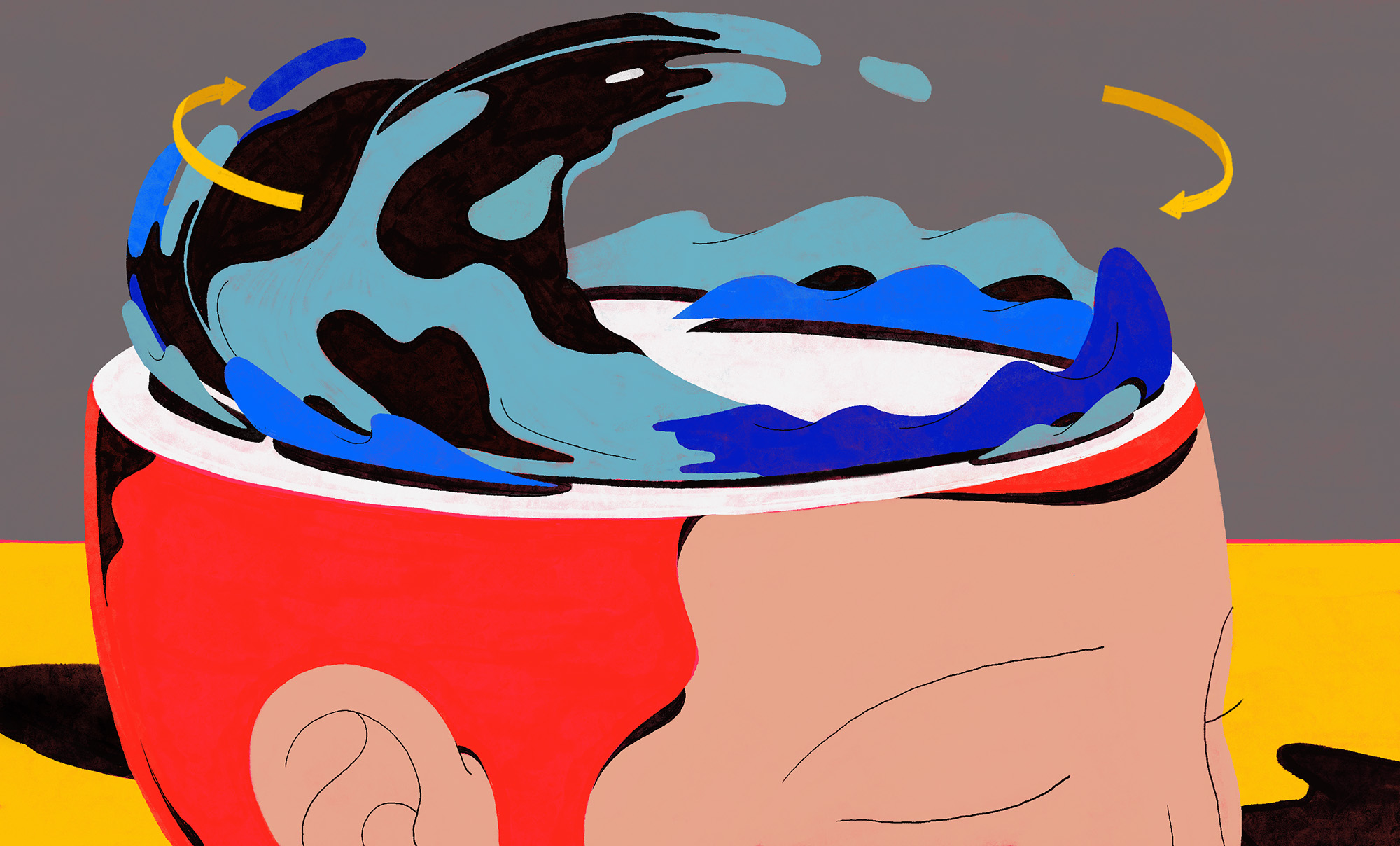
Stylized illustration of a head opened like a bowl, with fluid swirling inside and yellow arrows indicating circular flow.
RINSE, REPEAT: The glymphatic system operates as the brain’s built-in “dishwasher,” flushing out toxic waste during sleep. (Illustration by Bryce Wymer)

A decade and a half after those inauspicious meetings, Nedergaard’s discovery has become an engine for research worldwide, generating nearly 2,000 scientific papers. About half of them, she notes with pride, are clinical papers that address the glymphatic system’s role in diseases and conditions ranging from Alzheimer’s and Parkinson’s to strokes and migraines.

On this early March afternoon, Nedergaard, who last year became URochester’s 11th fellow of the National Academy of Inventors, is busy preparing for the Oxford Glymphatic & Brain Clearance Symposium. The event, built on her foundational research, has attracted 250 registrants and a 50-person waiting list. Nedergaard is the keynote speaker.

Nedergaard’s discovery is perhaps the most dramatic chapter in a story about sleep that has been building for a generation at URochester. But it is far from the only one. In labs, clinics, classrooms, and beyond, the University has built a formidable concentration of expertise in sleep.

And it is a story that is growing ever more relevant at a moment when people have moved from bragging about how little sleep they need to giving sleep its proper due as one of the essential pillars of health.

The whys of zzzzs

Scientists had long wondered how the brain, which gobbles up about 20 percent of our body’s energy, maintained itself. In the rest of the body, the lymphatic system works alongside the bloodstream to clear away waste. But the blood-brain barrier blocks that system entirely, leaving the brain without an obvious mechanism for cleaning itself.

One long-held theory was that the brain had its own version of a lymphatic system that used cerebrospinal fluid. But the methods scientists had typically used to understand the process—studying brain sections of dead animals—had left plenty of unanswered questions.

 

To sleep, perchance to clean…

From an evolutionary standpoint, sleep seems like a terrible idea. Every night, we willingly surrender consciousness, mobility, and vigilance—leaving ourselves vulnerable to predators, accidents, and the elements. And yet sleep, which is essentially universal across the animal kingdom, is unavoidable.

But it turns out that sleep is not a passive state at all. Instead, it’s a critical time when the brain performs one of its most important jobs: cleaning itself.

Nedergaard’s work used an advanced two-photon microscope to reveal the process in an entirely new way. “We could look into a [live] brain, and we could visualize, in real time, that this fluid was actually flowing in and flowing out,” she says. What they saw was a pumping system: cerebrospinal fluid coursing through channels alongside blood vessels, collecting toxic waste and carrying it away.

It was essential foundational work. A follow-up paper went further, showing how channels between neurons widen during sleep, allowing cerebrospinal fluid to flood in and flush out accumulated waste far faster than when we are awake. The findings hit like a thunderclap, recalls Wilfred Pigeon, director of the University’s Sleep and Neurophysiology Research Lab. “The sleep world was like, ‘Who is this person?’” he says. “Her work’s a game changer.”

Quiet time

As spouses and academic colleagues, Maiken Nedergaard and Steven Goldman love to talk shop. But Nedergaard’s respect for sleep’s power has led her to institute some firm nighttime rules. The first: Conversations stop an hour before Nedergaard’s bedtime so she can wind down. “It drives [him] crazy,” she admits. “But I emphasize sleep a lot.”

While Nedergaard, who operates a second lab at the University of Copenhagen, has gone on to collaborate with researchers at Harvard and Penn to further scientists’ understanding of these processes—a cross-institutional approach that is common in such research—she has also leaned on the expertise of her URochester colleagues.

One of them is Douglas Kelley, a mechanical engineering professor and an expert in fluid dynamics. Kelley first remembers being wowed by Nedergaard’s work when he read about it in the University’s daily morning email more than a decade ago. A few years later, when Nedergaard was working on a grant proposal she hoped would help her understand these cerebrospinal fluid flows more clearly, she partnered with Kelley; John “Jack” Thomas, professor emeritus of mechanical and aerospace sciences; and Jessica Shang, associate professor of mechanical engineering.

Up until then, the cerebrospinal fluid flows captured on video had been tracked painstakingly by hand, particle by particle. Kelley’s expertise brought a new level of computational muscle to the work. “We could use code we’d already written to track 10,000 particles [at a time],” he says, offering a more detailed understanding of the flow.

The work has since grown far beyond particle tracking. Kelley is now combining MRI data with fluid dynamics equations fed into machine learning models—a method that can reconstruct pressures and flow velocities that no microscope can directly measure. Because MRI can be used on humans, the research is inching toward something remarkable: “We’re one step closer to noninvasive clinical measurement of flow in the brain,” Kelley says, “which could be used to diagnose all kinds of diseases [including Alzheimer’s] much earlier than is possible now.”

Losing sleep

The spotlight Nedergaard’s discovery trained on URochester didn’t just put her own lab on the map; it also helped illuminate how much exceptional sleep research and clinical work was already underway across the University.

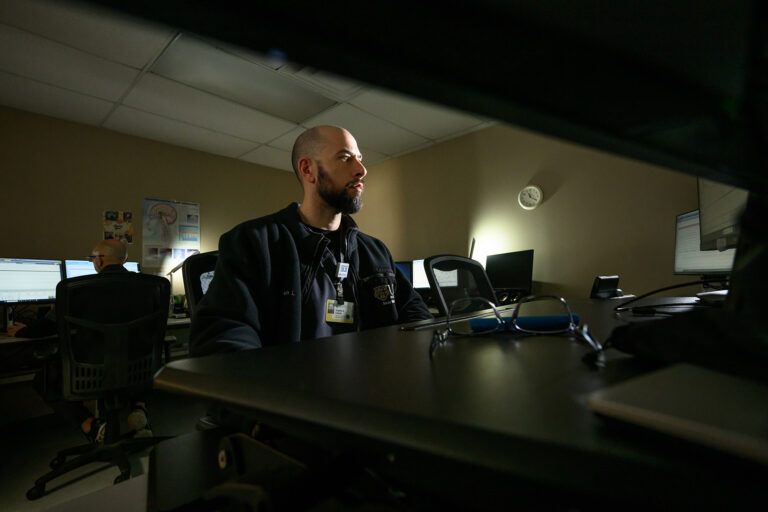
One standout is the Sleep and Neurophysiology Research Lab, where Pigeon and his colleagues have spent years studying the causes, effects, and treatments of the most common—and most commonly misunderstood—sleep disorder: insomnia.

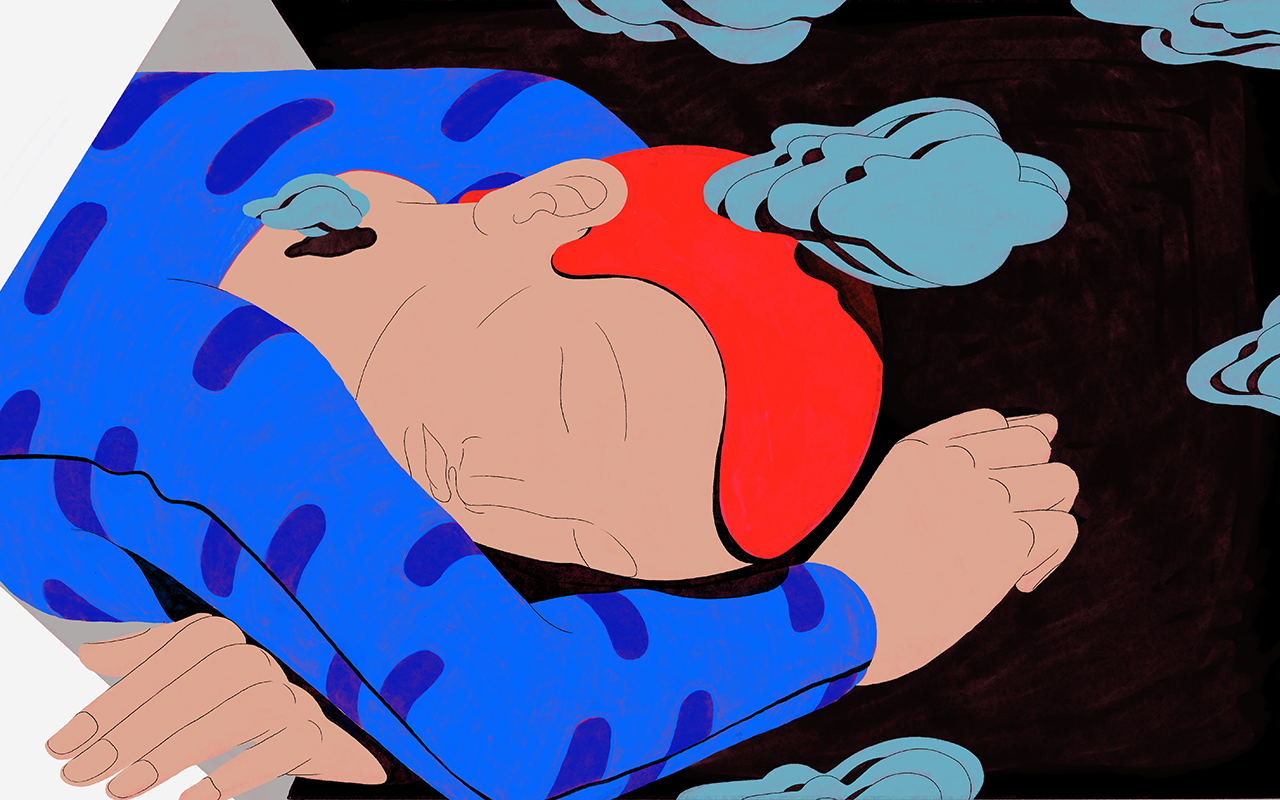
Stylized illustration of a clinician with a stethoscope beside a patient whose body and vision are obscured by blue clouds.
THE DOCTOR WILL SEE YOU NOW: Sleep disorders show up across nearly every specialty—making sleep, as one URochester neurologist puts it, “a glue specialty.” (Illustration by Bryce Wymer)

More than just a night or two of rough sleep, insomnia disorder is defined as three or more nights of disrupted sleep per week for three or more months. At any given time, about 10 percent of the population meets that threshold.

The problem isn’t just that we feel crummy after a lengthy period of poor sleep. Pigeon’s research has found that it has cascading health effects. “[We know] that if you don’t treat insomnia, it won’t resolve on its own. And in the meantime, it’ll make anything else you have—depression, chronic pain, and many other conditions—worse and more difficult to manage.”

Insomnia is also a major culprit behind truly catastrophic outcomes. Research by Todd Bishop, an assistant professor of psychiatry, has found that insomnia is associated with increased suicide risk. And it’s true even at the smallest timescales: “[We’ve found that] if you had a poor night of sleep the night prior, you’re more likely to endorse suicidal thought the next day,” he says.

The relationship between insomnia and other conditions is similarly counterintuitive. Most people assume depression drives poor sleep, but Bishop and Pigeon’s research points the other way. “Insomnia can arise as a result of depression,” says Pigeon, “but it is more common for insomnia to cause an episode of depression.”

And yet, for a condition this widespread and this consequential, the most common treatment is wildly off the mark.

The vast majority of people who seek help for sleep issues in the United States are prescribed sleep medication. It’s a troubling disconnect, in part because these medications rarely address underlying problems with sleep.

URochester research, in line with clinical guidelines, has found that the most effective first-line treatment is a structured psychological intervention called cognitive behavioral therapy for insomnia, or CBT-I. The four- to eight-session intervention is effective up to 80 percent of the time.

Few know this as well as Leisha Cuddihy, who, as director of the Behavioral Sleep Medicine Clinic, spends close to 80 percent of her clinic time working with patients who need CBT-I. As one of just a few hundred experts in the nation who is board-certified in behavioral sleep medicine, she has a packed calendar and a yearlong waiting list.

While culturally some still consider sleep deprivation a badge of honor, Cuddihy sees the flip side: “Some people have struggled for so long, they don’t even remember what it’s like to feel rested,” she says.

For many, getting relief through CBT-I can feel like putting down a heavy weight that they didn’t even know they were carrying. “At least once a week, a patient will tell me, ‘You’re the first person who’s understood what this is like, and who has given me something that was helpful,’” she says.

Dream team

If there is a common thread across URochester’s sleep work in foundational science, clinical research, and patient care, it may be this: It both knits together, and benefits from, the institution’s expertise across disciplines. “Sleep is a ‘glue specialty,’” explains Jonathan Marcus, a neurologist and the division chief of URochester’s sleep medicine program.

After all, the symptoms and consequences of sleep disorders refuse to stay in a single lane. They show up in the cardiologist’s office (somewhere between 50 and 80 percent of patients with resistant hypertension also have sleep apnea), in the psychiatrist’s office, and in the neurologist’s office. It’s a personal issue, but it’s also a public health issue.

In case you forgot: Sleep is not a luxury.

“I have cared for patients whose untreated sleep apnea was contributing to atrial fibrillation, hypertension, cognitive decline, and profound daytime impairment. When you see someone’s blood pressure improve or arrhythmias stabilize, or hear a patient say, ‘I didn’t realize how tired I was until I wasn’t,’ it underscores that sleep is not a luxury. It is infrastructure for the brain and cardiovascular system.” —Jonathan Marcus

Lesson 1: Go to bed on time, every time.

“At the outset of cognitive behavioral therapy for insomnia (CBT-I), I harp on consistency of bedtimes and wake-up times. There are several components to CBT-I, but I find [a consistent routine] to be of great value. I tell my patients that if they hear nothing else I say during the session, they should try to go to bed at the same time each night and wake up at the same time each morning.” —Todd Bishop

Because of sleep’s sprawling tentacles, both science and patients benefit when researchers and clinicians can find each other and make progress together. It’s an interdisciplinary fluency that URochester has long cultivated.

For example, experts from neurology, sleep medicine, and otolaryngology team up to support patients who have obstructive sleep apnea but can’t tolerate the standard treatment—a CPAP machine that delivers continuous pressurized air.

While patients who fit this profile have typically had limited options, URochester has become one of the world’s leading centers for surgically implanting hypoglossal nerve stimulators, devices that keep the airway open during sleep. It’s a delicate procedure that requires experts to work in concert, and URochester has become world-class at the process. “We’ve implanted these devices in over 400 patients,” says Marcus.

That volume matters. Where a peer program might see a handful of patients a year for the procedure, URochester can see 50 or more—a difference that translates into hard-won expertise in patient selection, device calibration, and troubleshooting. URochester has recently been recognized as a national center of excellence for this work.

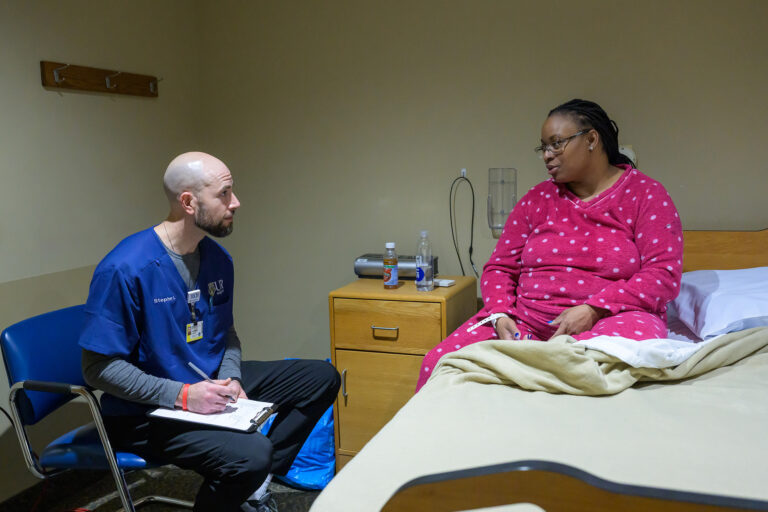
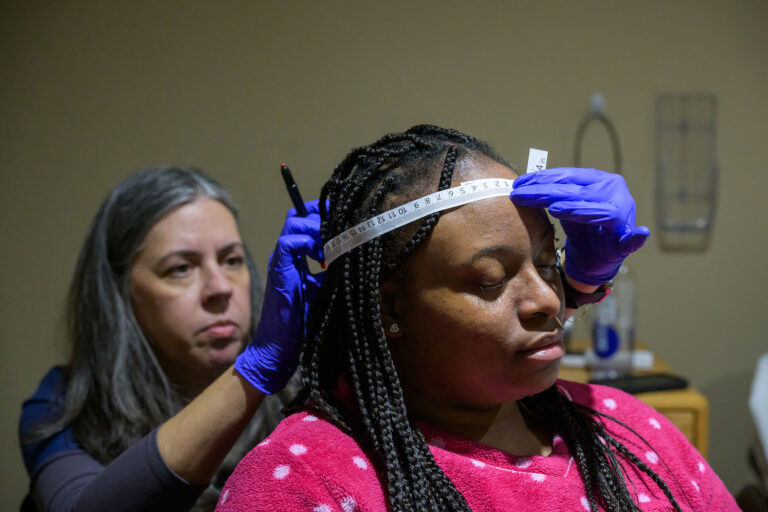
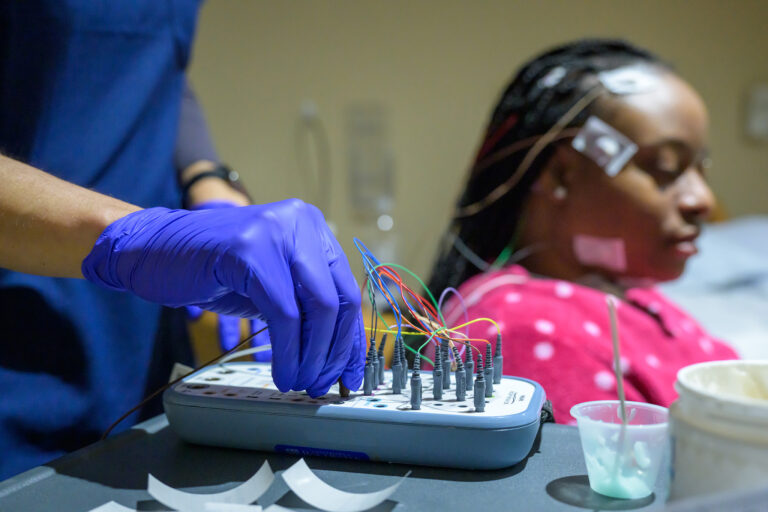
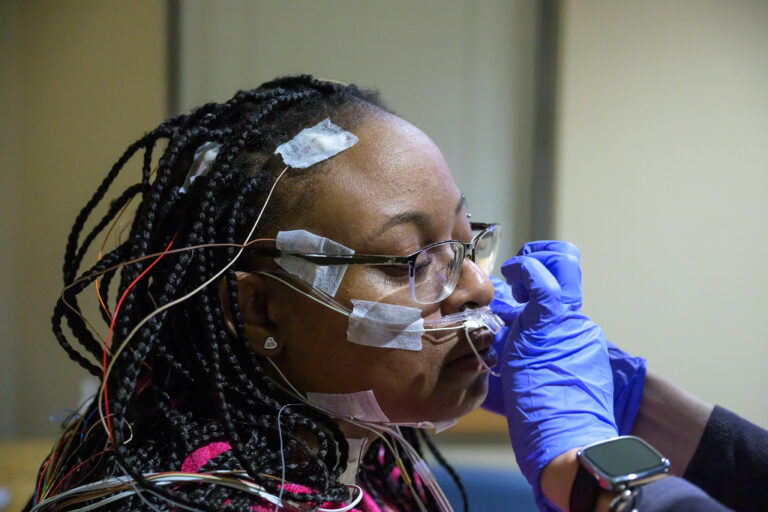
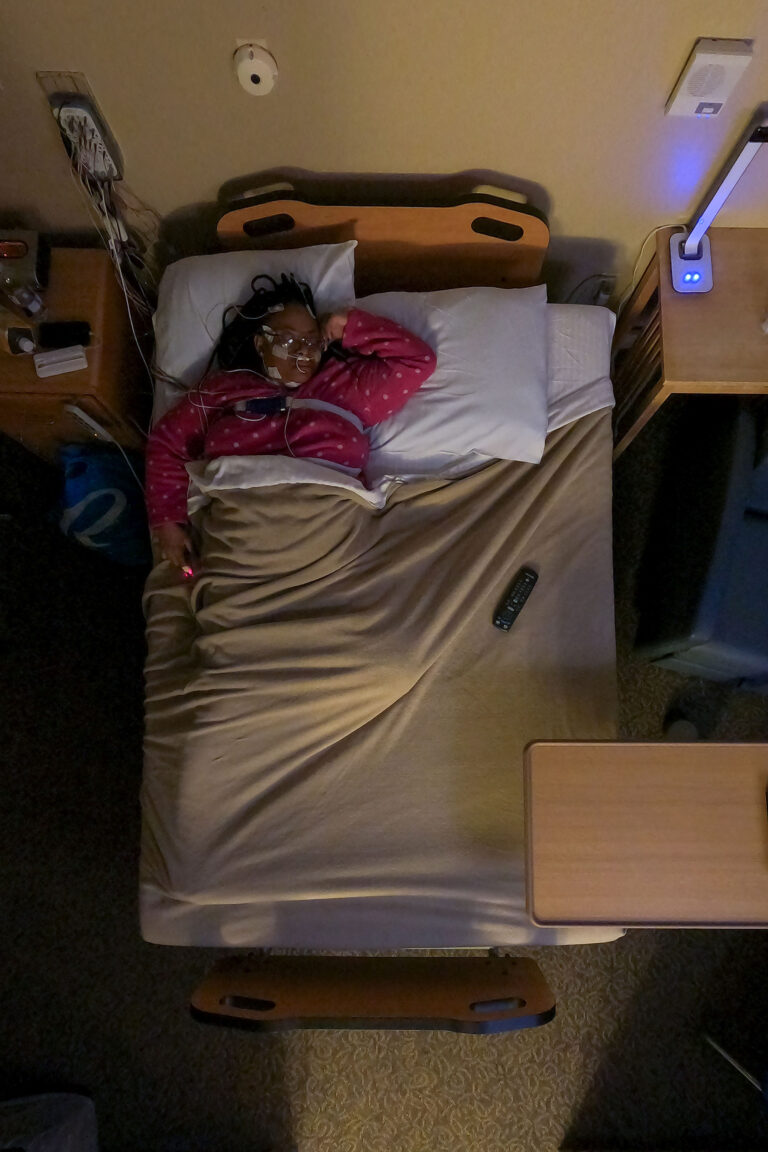
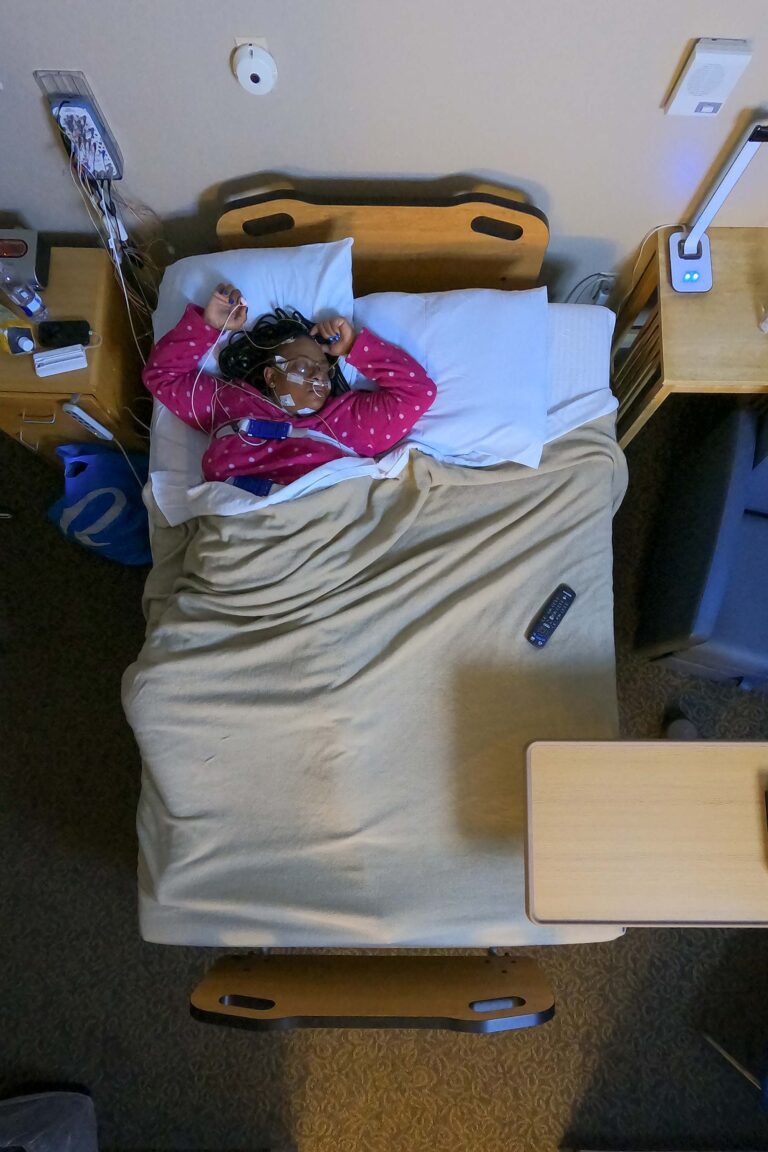
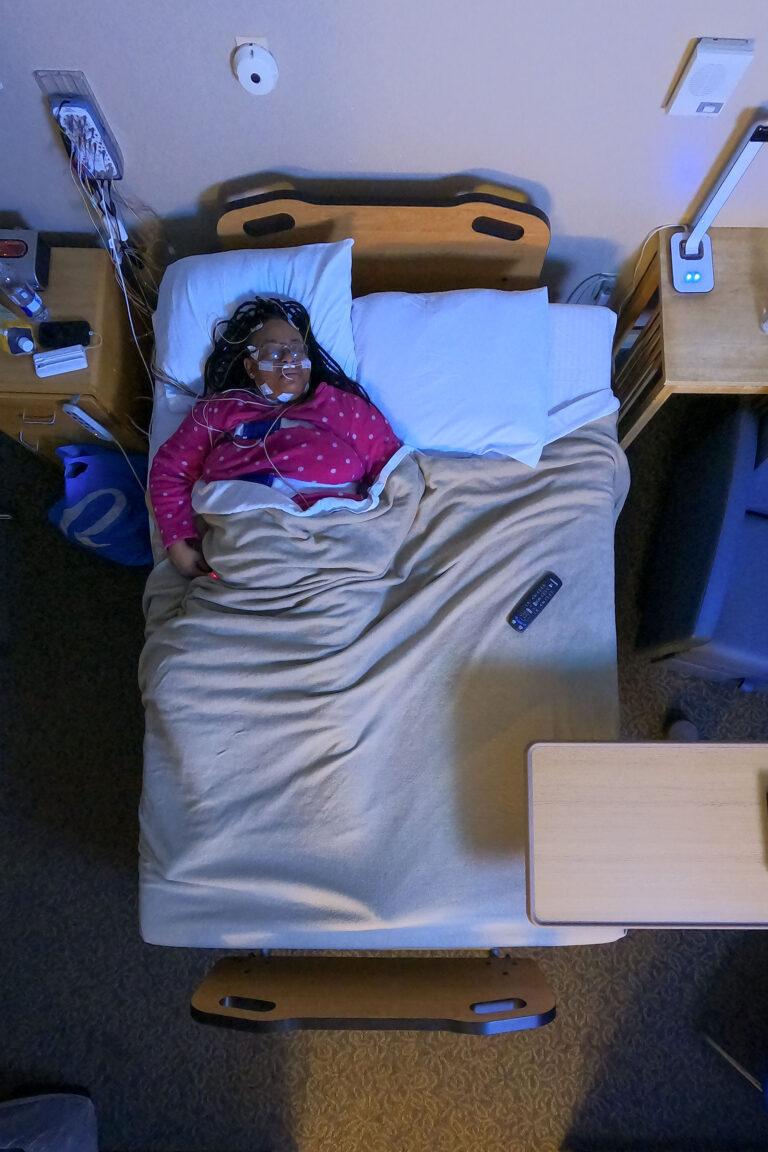
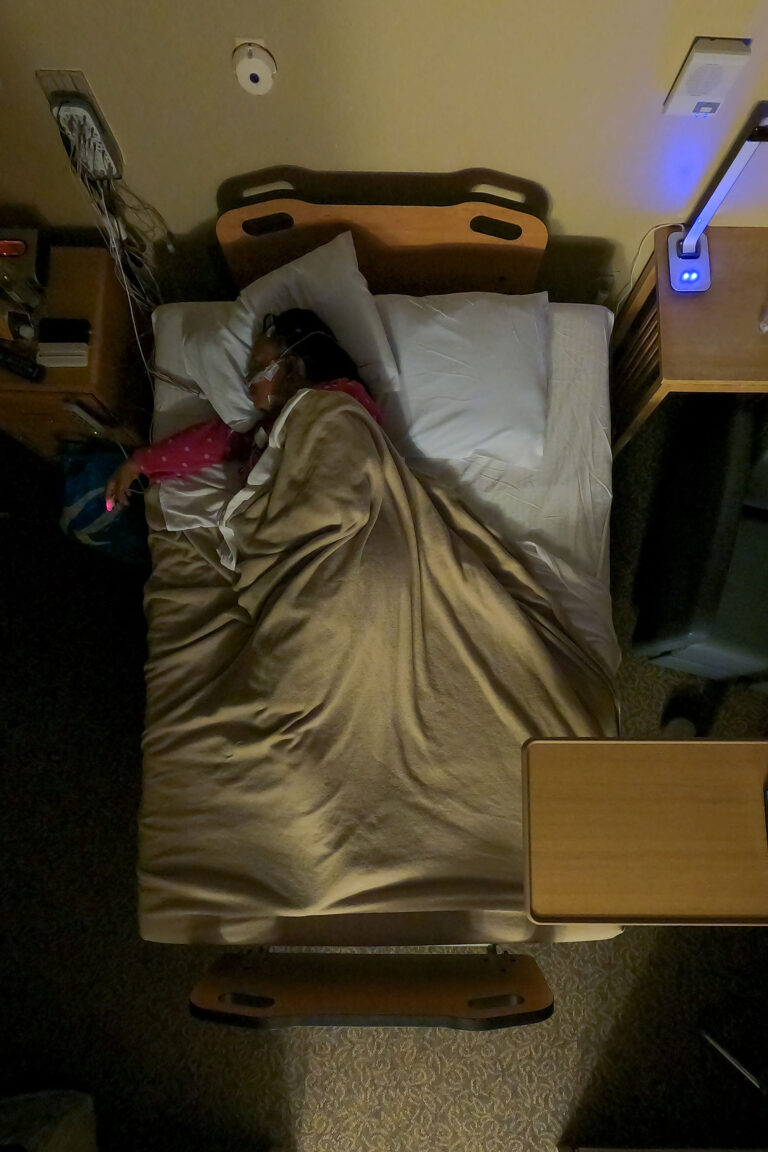
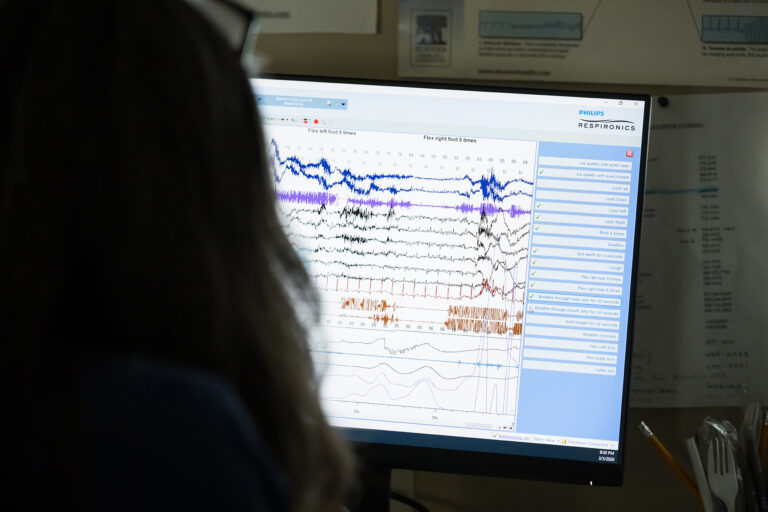
The University’s strength in bringing together researchers and clinicians across departments also allows it to think even bigger about the field’s future. Marcus, for instance, points to increasing evidence that the data collected during a polysomnogram—an overnight sleep study that records brain wave activity, heart rhythms, breathing patterns, and body movements—might function not just as a diagnostic tool, but as a predictive one: a kind of physiological portrait that could flag risk for cardiovascular disease, dementia, and dozens of other conditions before they develop.

It’s a vision of sleep medicine not as a niche specialty, but as a broader window into long-term health.

The wee hours

Adults, of course, aren’t the only ones who experience sleep challenges. Children face an array of sleep issues, including sleep apnea, nocturnal enuresis (bedwetting), and insomnia.

The consequences of these conditions can feel very different from those experienced by adults, says Heidi Connolly, chief of pediatric sleep medicine. Sleep problems in children can show up as learning difficulties, behavioral problems, and emotional volatility. Bedwetting, meanwhile, might prevent a child from going to sleepovers, and can dramatically affect a family’s overall well-being as parents spend their own sleepless nights calming their child and doing laundry.

Successful treatment can feel transformative. “When you can solve these things—when it means a kid can go to summer camp and overnights? Families are ecstatic,” she says.

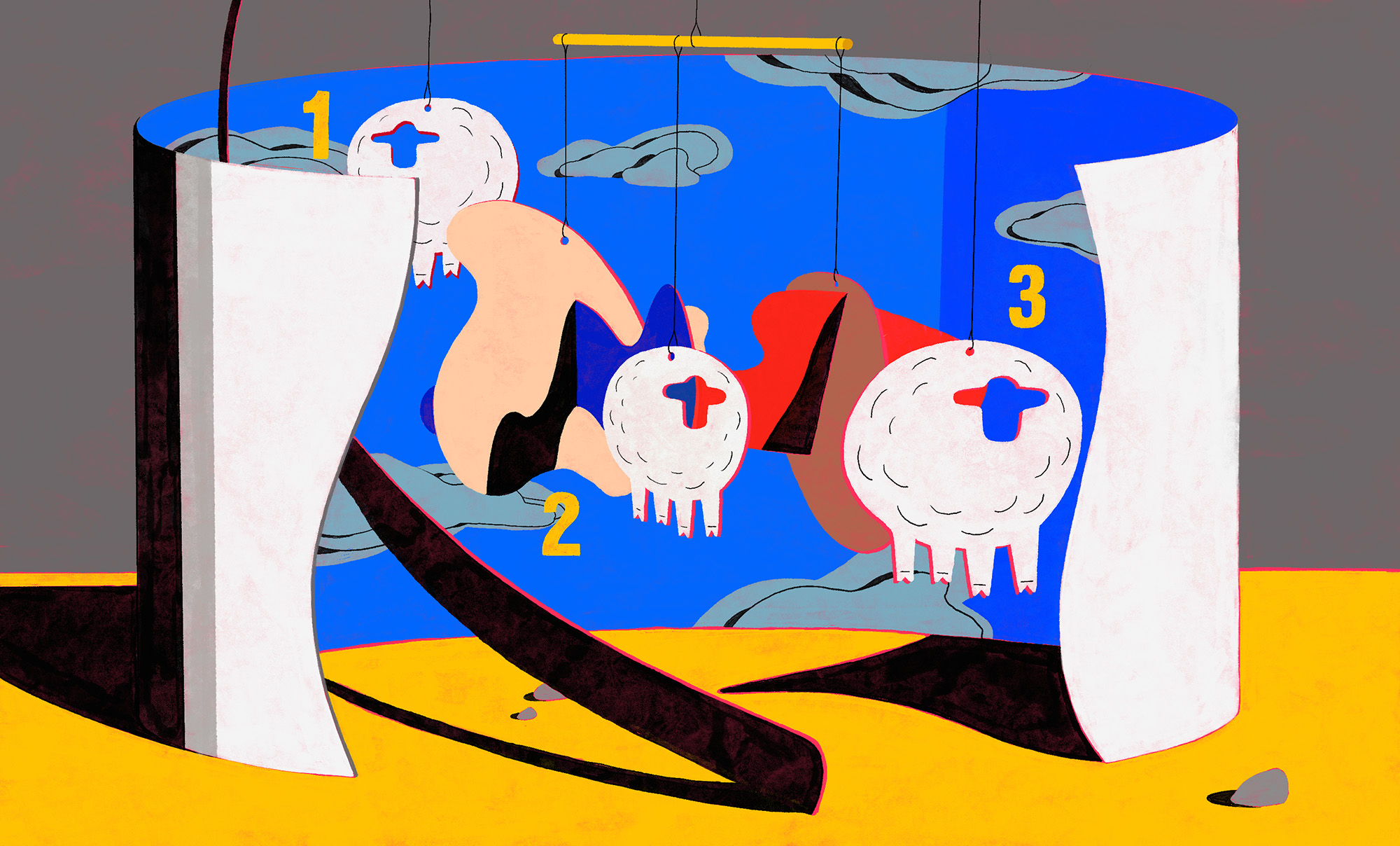
Stylized illustration of three numbered sheep suspended like mobile toys above a sleeping figure in a surreal dreamscape.
SLEEPING LIKE A BABY: Counting sheep takes on new meaning at URochester’s pediatric sleep lab, where 1,500 sleep studies a year help children—and their families—finally get some rest. (Illustration by Bryce Wymer)

Connolly—who began seeing pediatric patients in the adult sleep lab in 2000 and launched a dedicated pediatric sleep lab in 2005—has built a regional powerhouse in pediatric sleep.

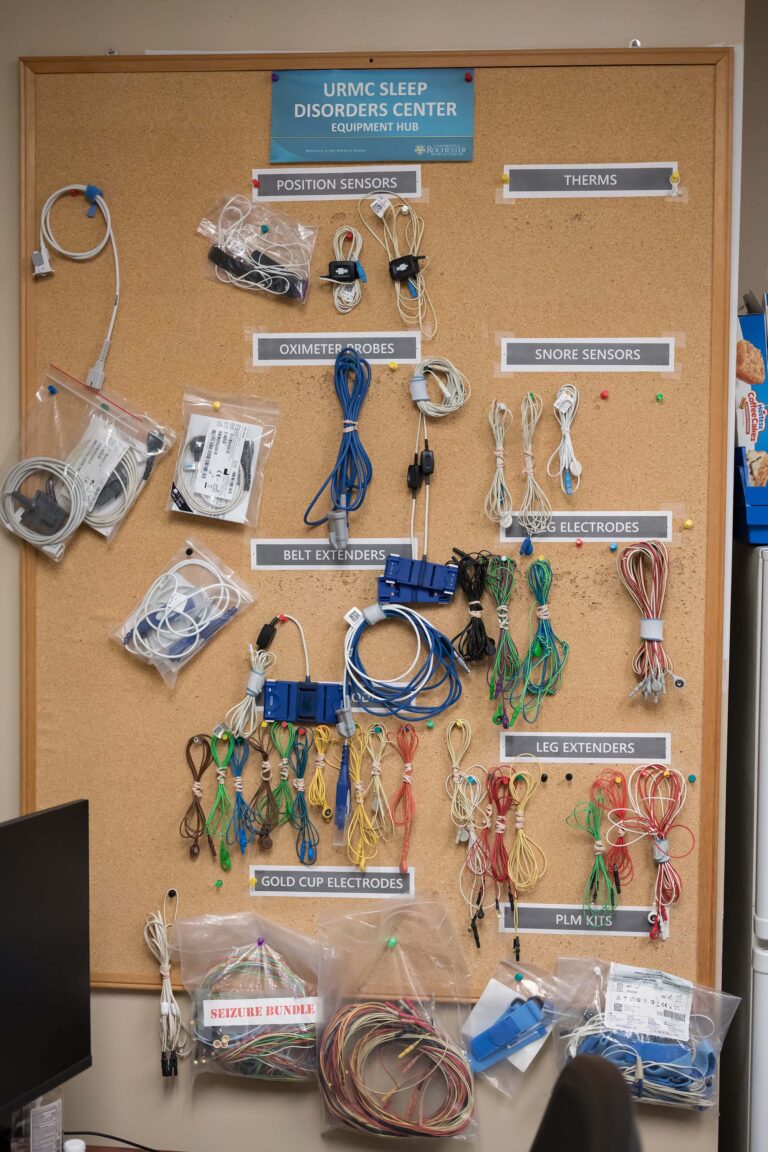
Her six-bed lab is open at least six nights a week, with 1,500 sleep studies and close to 8,000 patient visits annually. A team of psychologists, behavioral analysts, nurse practitioners, pediatric neurologists, and pediatric pulmonologists supports the work.

In her own research, Connolly focuses on sleep apnea in children with cleft palates and those with single ventricle congenital heart disease. She’s also working on a project with hematology experts exploring the link between iron deficiency and a sleep condition known as periodic limb movement disorder.

“People say ‘Sleep when the baby sleeps,’ but that doesn’t always work the way we hope. Newborns don’t have fully formed circadian rhythms like we do. Newborns may sleep for 20 minutes at a time, but we don’t. It can also make people feel guilty when they can’t sleep. For the postpartum period specifically, it’s better to go to bed early—like 8:00 p.m.—and get some ‘pre-sleep.’” —Jennifer Marsella

That kind of all-embracing approach shapes everything about how the lab operates. It’s what brings in clinicians like Emily Cromwell, an assistant professor with appointments spanning psychiatry, child and adolescent services, and pediatrics.

And it’s a philosophy Cromwell’s young patients get to experience firsthand. “When I’m working with kids who have nightmares, I’ll often have them do tracking and diaries,” she says. “And I can say to them, ‘You’re a scientist, too—let’s look at your data.’ We can see how things are getting better and better over time.”

The best solutions, in Cromwell’s opinion, come from collaborative efforts. “Everybody has their own lens,” she says, “and they all have something to bring to the table.”

Wake-up calls

The expertise URochester has built is deep, but the gap between what sleep science knows and what most people can access remains enormous. That’s why the University’s experts carry that knowledge beyond their labs and exam rooms into classrooms, communities, and even the phones in our pockets.

Jennifer Marsella, assistant professor of neurology and medicine, teaches a Neurobiology of Sleep undergraduate course that is among a rare few nationwide—Stanford’s among them—to examine sleep from the level of cellular functioning all the way up to its effects on society.

The course, which fills up in a matter of days and consistently has a waiting list, includes guest lectures from sleep researchers and projects to help students think about how to improve sleep at a community level. “Students say that it’s helped them improve their sleep. They also talk about how they’ve helped friends and family,” she says. “Some of them become interested in going into neurology or sleep medicine, which many of them didn’t understand was an option before.”

Developmental sleep fact

We don’t fully consolidate adult sleep and circadian rhythms until roughly age 25. After that, the amount of sleep we need remains relatively stable across adulthood, even into older age. What changes with aging is sleep continuity and depth, not the amount of time that is needed.

Don’t take two of these…

Zolpidem (sold under the brand name Ambien, among others) is the most frequently prescribed medication for insomnia. And while it can effectively induce sleep, it also suppresses the glymphatic system in mice. This might hinder the brain’s natural waste-clearing processes, setting the stage for neurological disorders—findings that raise concerns about zolpidem’s long-term use and highlight the need to preserve natural sleep architecture for optimal brain function.

Sleep is a biological process, not a performance score.

Orthosomnia refers to an unhealthy preoccupation with achieving “perfect” sleep, often driven by consumer sleep-tracking devices and clickbait articles about sleep.

Beyond the classroom, Cuddihy is working to expand access to sleep support at a systems level. As the president-elect of the Society of Behavioral Sleep Medicine, she is helping build the infrastructure to train and certify a new generation of CBT-I providers. The society recently announced an accreditation pathway for CBT-I training programs that prepare clinicians to sit for the CBT-I certification examination. It’s an effort to move CBT-I from a treatment that most patients can’t easily access to one that’s more integrated into standard care. Pigeon and his team, meanwhile, are studying and supporting the development of CBT-I apps that can benefit anyone struggling with insomnia, no clinician’s waiting list required.

At the public health level, Connolly and Cromwell have both been longtime advocates for adolescent sleep health. Circadian shifts in adolescence mean teens are biologically primed to sleep and wake later—and research suggests 70 percent still aren’t getting enough sleep. Last year, Cromwell talked to congressional staffers as a representative of the American Academy of Sleep Medicine, urging them to consider policy changes, including later high school start times to support adolescent sleep and health.

As Nedergaard continues the global conversation she started more than a decade ago about why sleep matters, her URochester colleagues carry on their own work to understand sleep’s impact, treat its related disorders, and make sure all of us are getting what we need from it. Their discoveries are reshaping the field, and their advocacy is making sure those discoveries don’t stay locked inside it.

That should make all of us rest a little easier.

This story appears in the spring 2026 issue of Rochester Review, the magazine of the University of Rochester.