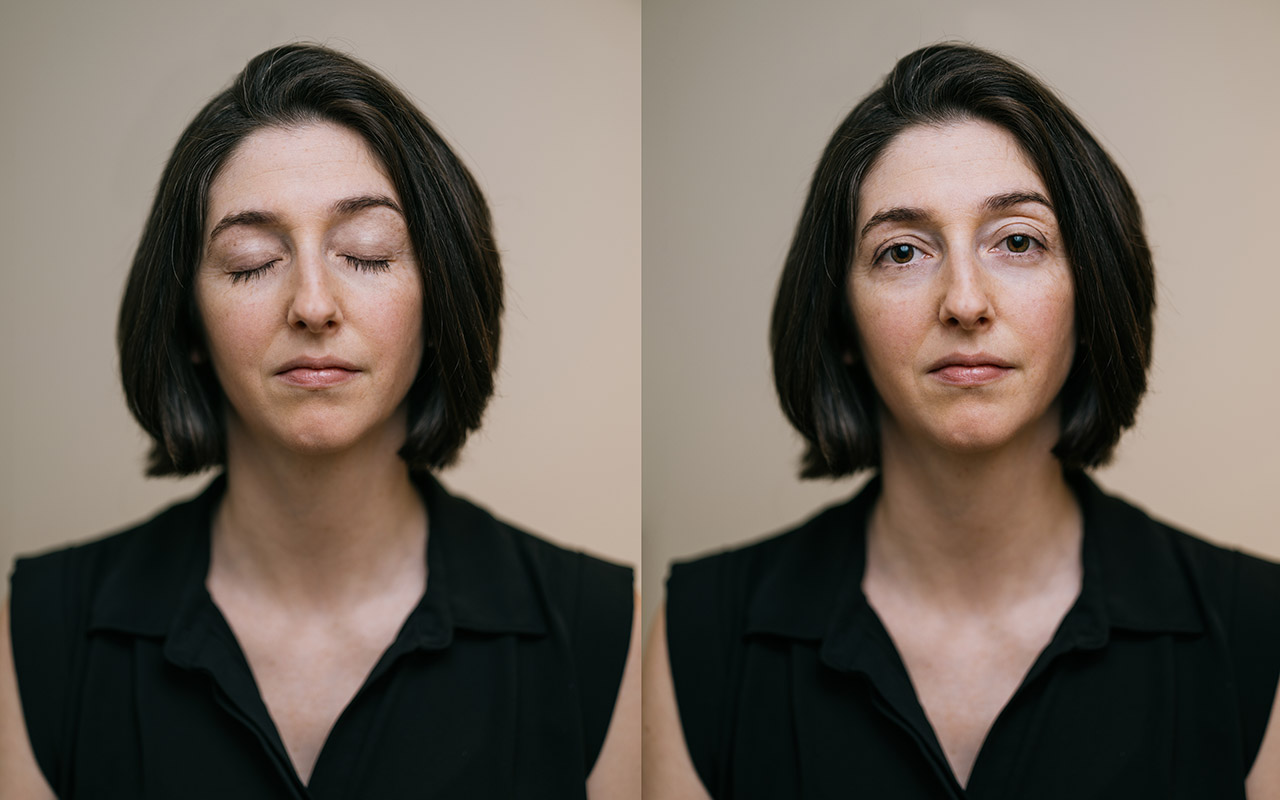
From the Magazine The making of a dream engineer May 24, 2026 Michelle Carr ’10, ’22 (Flw) had her first lucid dream as an undergraduate. She’s been unraveling the science of the sleeping mind ever since.
Science & Technology How animals make group decisions—without a leader March 6, 2026 From pigeons to chimpanzees, cognitive biologist Dora Biro shows how individual minds scale into collective intelligence—and what that reveals about us.
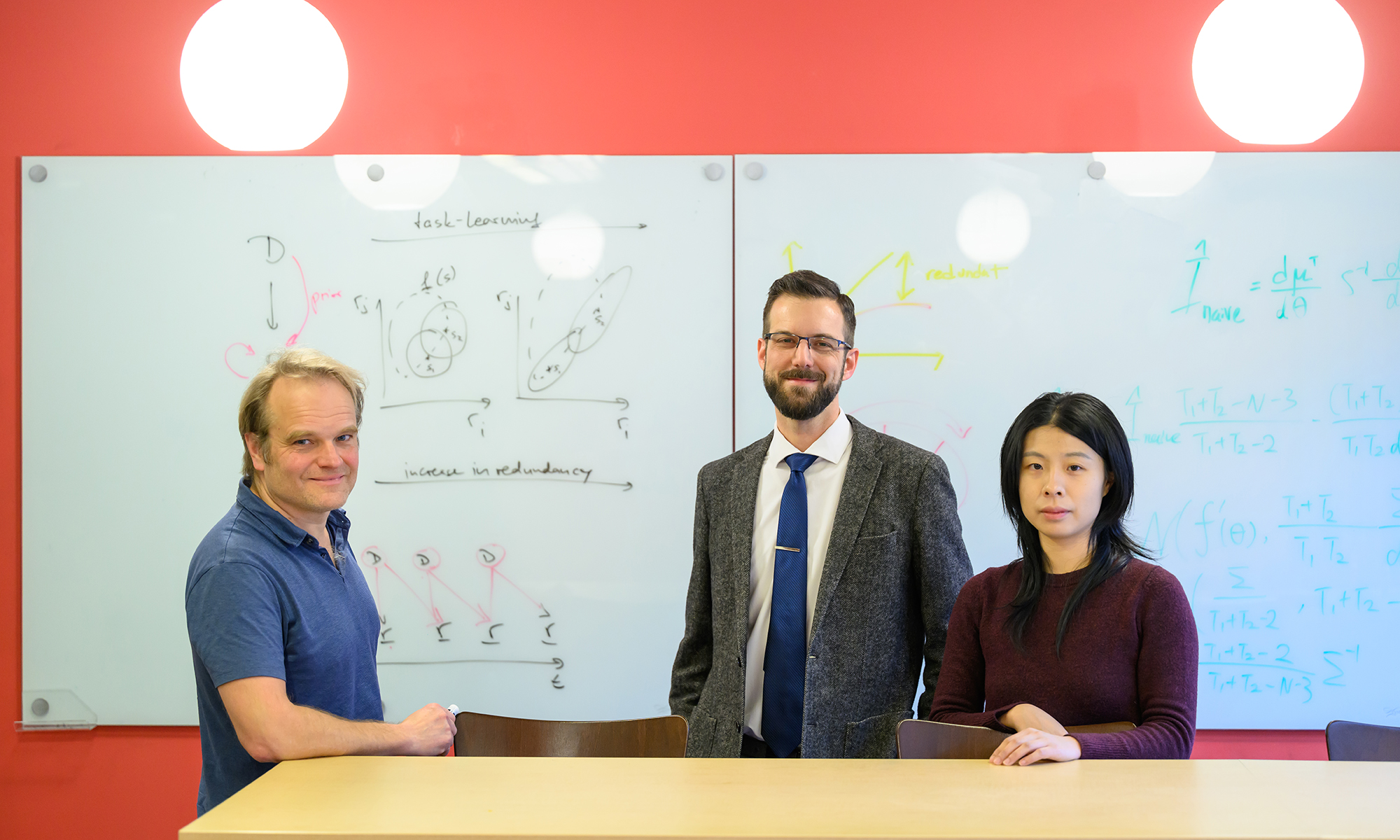
Science & Technology Learning makes brain cells work together, not apart March 5, 2026 A new study overturns a long-standing theory in neuroscience.
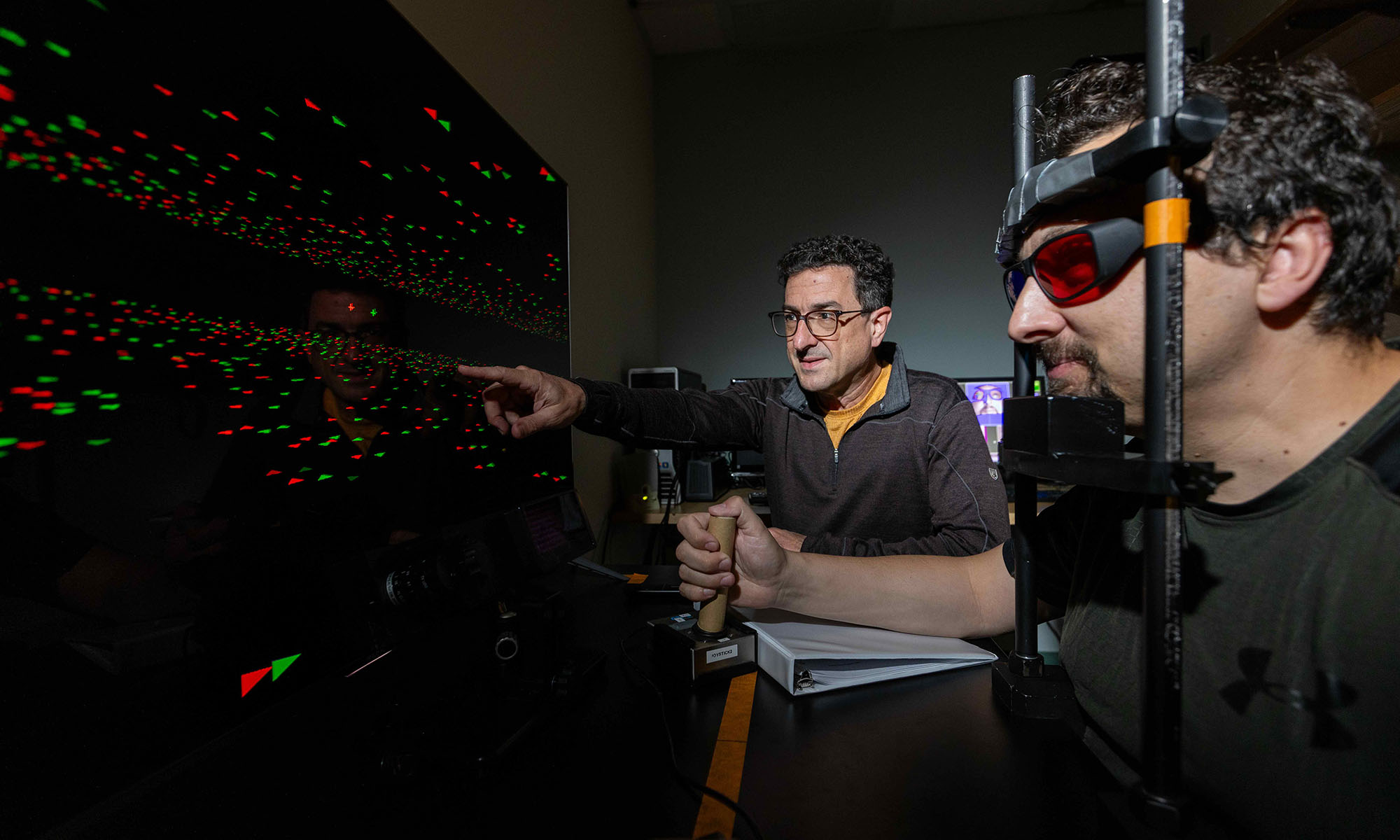
Science & Technology The brain uses eye movements to see in 3D February 4, 2026 Contrary to long-standing beliefs, motion from eye movements helps the brain perceive depth—a finding that could enhance virtual reality.
Science & Technology Are humans predisposed to understand the complexities of music? January 6, 2026 Listeners—regardless of formal musical training—can track complex tonal structures, offering a unique look at how the brain processes context.
Health & Medicine Can lost vision be restored? December 8, 2025 URochester researchers are at the forefront of improving eyesight while discovering how our visual system works.
University News Let’s play! URochester and The Strong Museum partner to advance research and innovation December 3, 2025 The collaboration expands opportunities for education, innovation, and community engagement through the power of play.
Campus & Community October 2025 in photos October 30, 2025 Pumpkin spice season is in full effect. Take a walk back through how we spent October at the University of Rochester.
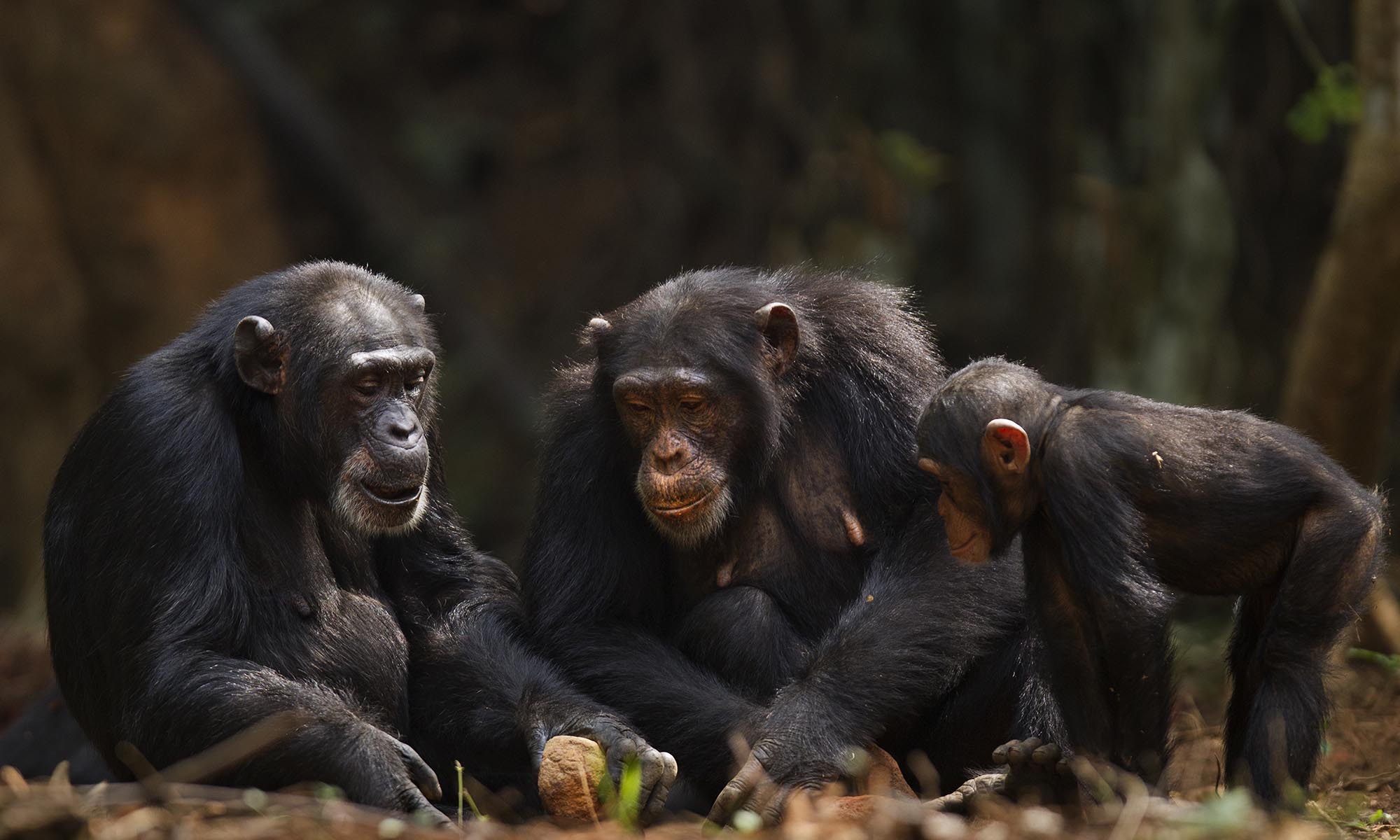
Science & Technology Wild chimpanzees show human-like cognitive decline with age October 28, 2025 Research into changing tool use by chimps in the wild suggests evolutionary origins of Alzheimer’s disease and related disorders.
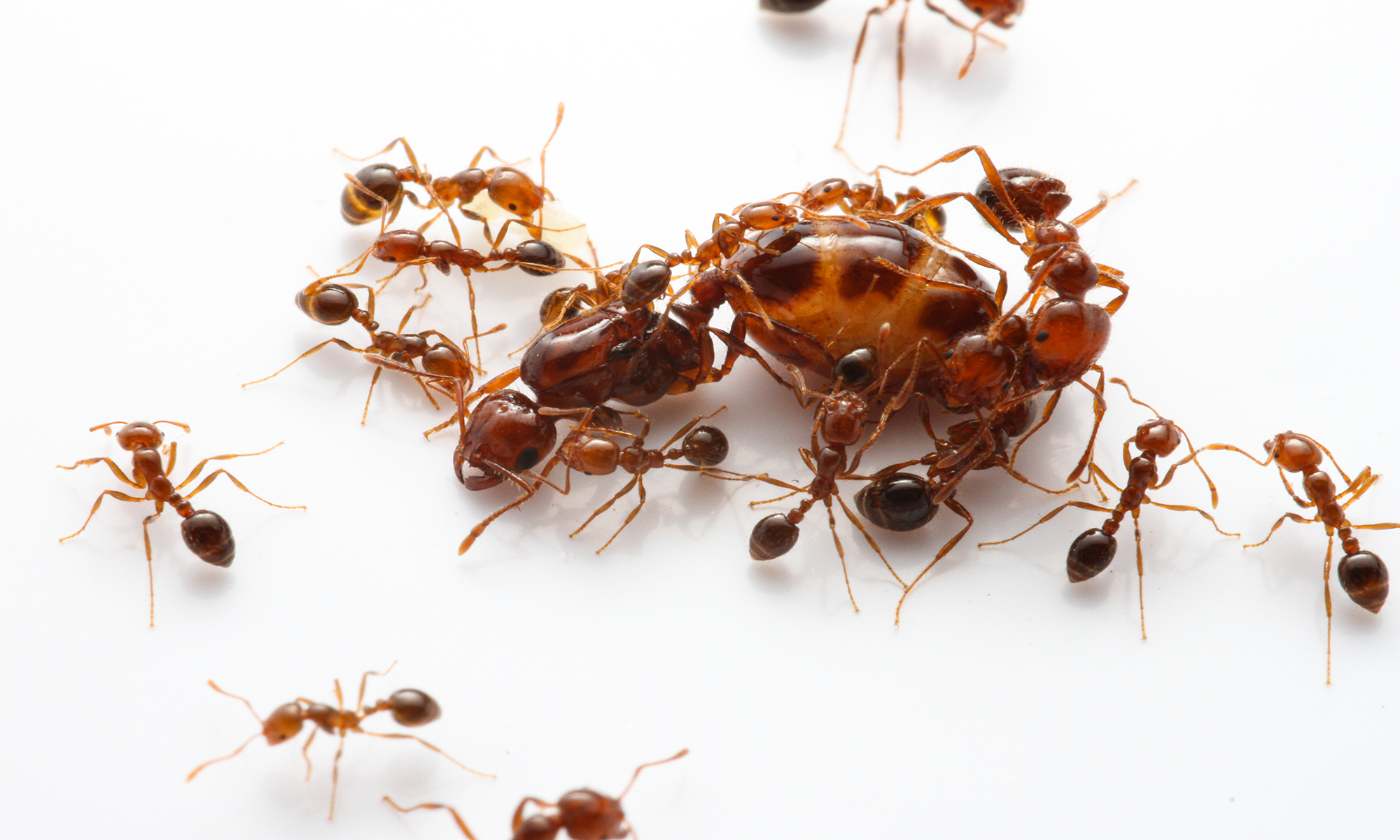
Science & Technology How the genetic few can sway the many June 13, 2025 A study of fire ants reveals the surprising power of genetics in shaping social organization and group behavior.