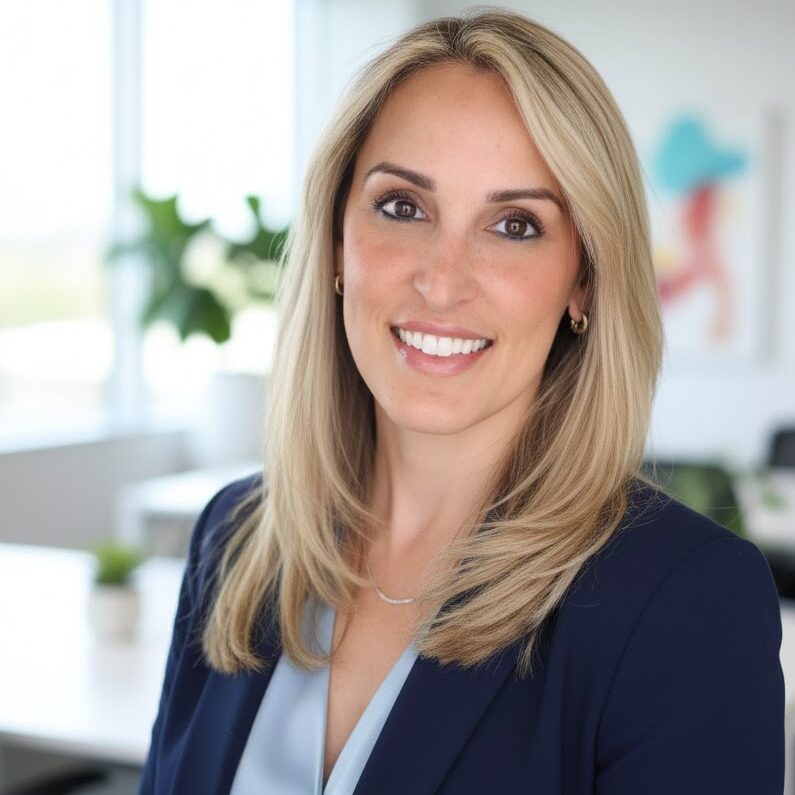
Sonya Maria Hadrigan
Visit our Federal Transition and Policy Changes website for the latest updates and guidance.
By adhering to institutional policies and procedures, federal regulations, and best practices within the research community, the University of Rochester is committed to research integrity and the ethical conduct of research. To learn more about research integrity, follow the links below.
Sonya Maria Hadrigan
Kelly O’Keefe
Research Integrity Director
Patricia Guinan
Conflict of Interest Administrator
Sharon Pomeroy
Department Coordinator
Zoe Hammatt
Advisor
Find the policies and practical guidance that help researchers, trainees, and staff navigate research integrity-related requirements and expectations. ORISE also provides tools and references to support consistent, fair application across the University.
This glossary explains common research integrity and compliance terms used in ORISE resources. It’s intended to promote clarity and shared understanding for faculty, trainees, and staff.
Research in general means a systematic experiment, study, evaluation, demonstration, or survey designed to develop or contribute to general knowledge (basic research) or specific knowledge (applied research) by establishing, discovering, developing, elucidating, or confirming information or underlying mechanisms.
“Research misconduct” is defined as fabrication, falsification, or plagiarism in proposing, performing, or reviewing research, or in reporting research results.
Concerns related to research integrity and the ethical conduct of research can be reported confidentially to the Research Integrity Officer (RIO), Sonya Hadrigan, or to the Office of Research Integrity, Stewardship, & Ethics at ORISE@rochester.edu or (585) 276-0485. Anonymous reports can be submitted to the Research Integrity Helpline.
Concerns related to other improper or unethical behavior may be reported to the University’s Office of Integrity and Compliance via the Integrity Helpline (anonymous reports accepted) or (585) 756-8888.
The University prohibits retaliation against individuals who report concerns in good faith.
Open-access platform for sharing laboratory and clinical research protocols. Protocols receive DOIs, can be linked to publications, and support community feedback. It can also be used as a private or shared virtual lab notebook.
Used by major federal agencies and leading research journals to detect plagiarism, it allows faculty to check grant applications and manuscripts against extensive web and publication databases.
Before submitting your manuscript, ensure image integrity with Proofig AI, which detects duplications, manipulations, AI-generated images, and image.
LabArchives is an electronic laboratory notebook that can help you organize and manage your research safely and quickly. The University of Rochester has selected LabArchives as our institution-wide, electronic lab notebook solution. Researchers at UR can access LabArchives free of charge to manage both research labs and laboratory courses.