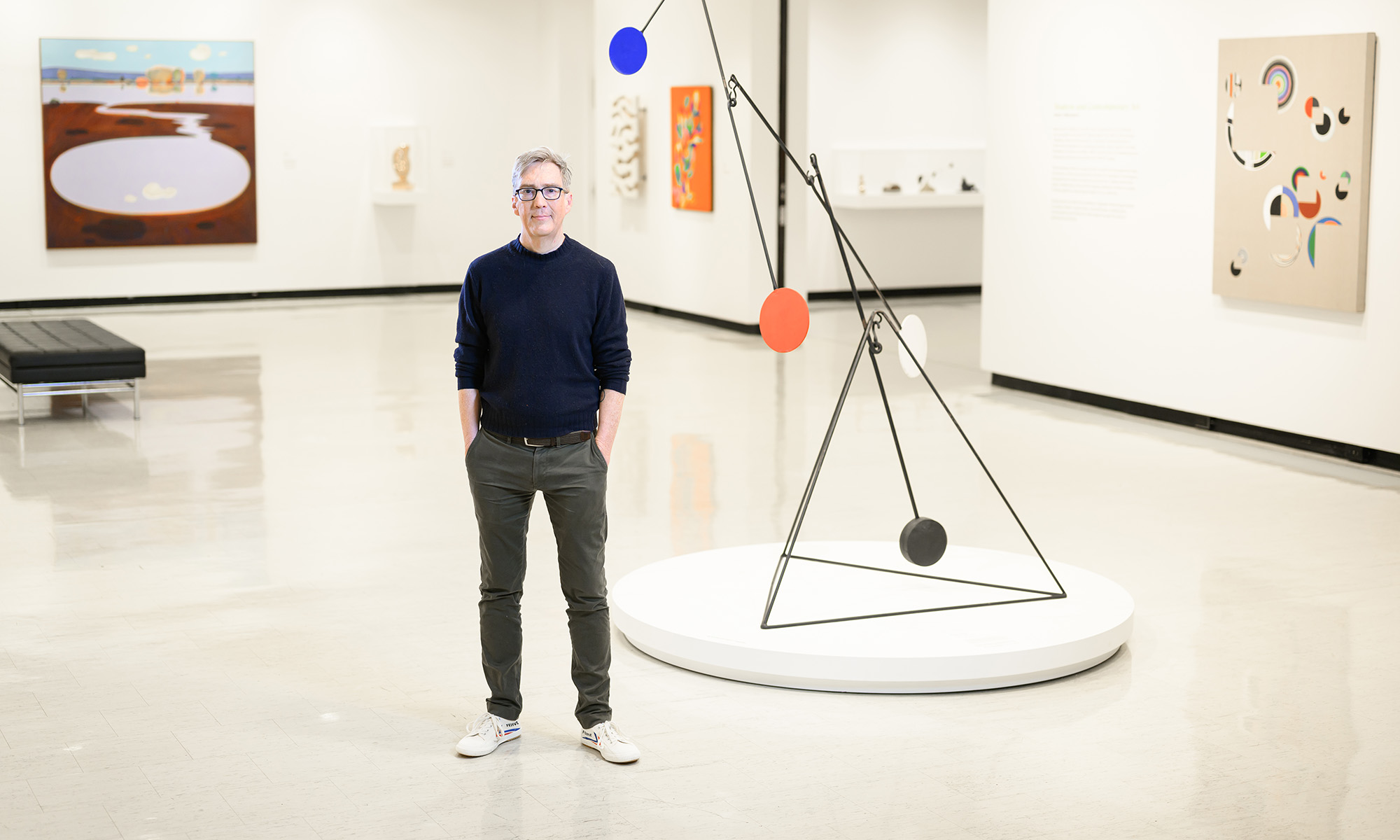
A sculpture in Eastman Quadrangle at the University of Rochester commemorates gifts made by George Eastman. “The decline of Kodak is extremely painful,” said Joel Seligman, president of the University of Rochester, which, with its two hospitals, is the city’s largest employer with 20,000 jobs. “But if you step back and look at the last two or three decades, you see the emergence of a much more diversified, much more knowledge-based economy.” But beyond the urban core, in sparkling new office parks and research labs, at the University of Rochester and the Rochester Institute of Technology and the local medical complexes, Rochester remains quite robust, in no small part because of the legacy Kodak and other faded industrial giants left behind.
Kodak was once the largest employer in this town. Today it’s the University of Rochester. In the past 10 years the school and its Medical Research Center have grown remarkably, not only from new students, but from a dramatic expansion of funded research. Some of that research has found its way into new patents, new companies and new economic activity.
But the majority of the FDA’s panelists said the company’s single trial did not show a statistically significant reduction in preterm birth, particularly among U.S. women. “With such a significant disease associated with mortality and morbidity we don’t want to provide things that aren’t truly efficacious,” said panelist Dr. Kathleen Hoeger of the University of Rochester Medical Center. (Also Reported in: Yahoo! News, CNBC)
By analyzing the silhouette of an exoplanet passing in front of its parent star 420 light-years away, astronomers have discovered what may be a large gas giant world sporting a ring system. Could it be Saturn’s twin? Using data from the SuperWASP (Wide Angle Search for Planets) project and All Sky Automated Survey (ASAS), University of Rochester astronomer Eric Mamajek and graduate student Mark Pecaut spotted another unusual dimming event in December 2010. (Also Reported in: Huffington Post, Yahoo! News, MSNBC, Discover Magazine, Popular Science, and others)