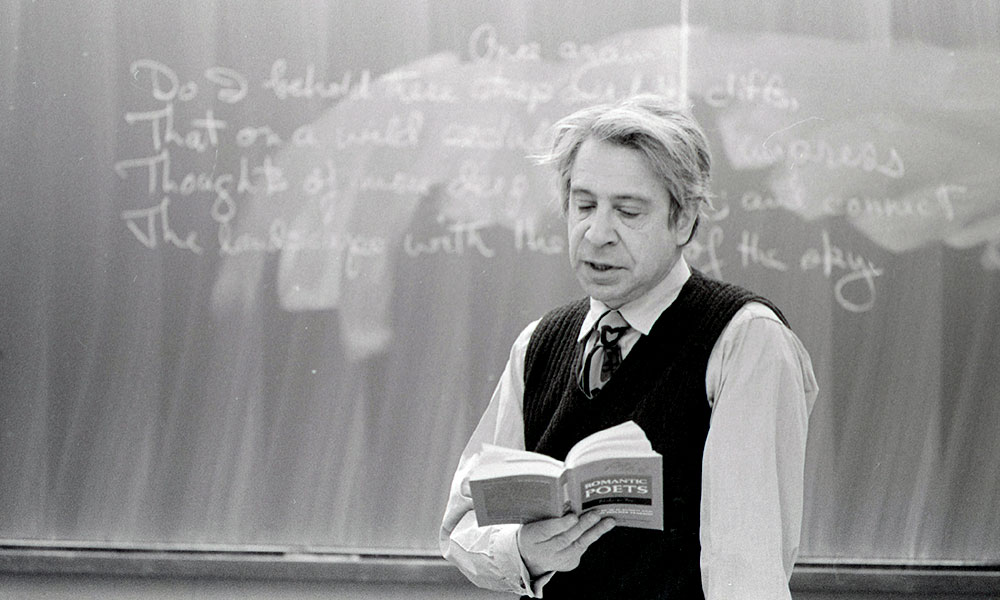
Pultizer Prize–winning poet Anthony Hecht was on the Rochester faculty for nearly two decades, arriving in 1967. Alumnus Jonathan Post ’76 (PhD) published Hecht’s correspondence in a book that sheds new light on his poetry.

2541–2550 of 3972 posts
Pultizer Prize–winning poet Anthony Hecht was on the Rochester faculty for nearly two decades, arriving in 1967. Alumnus Jonathan Post ’76 (PhD) published Hecht’s correspondence in a book that sheds new light on his poetry.

Daria Lynch ’18 (T5 ’19), a history major, and Christian Wooddell ’17, an anthropology major, will be heading overseas this summer as part of the U.S. State Department program.

Friday’s Rock and Roll Hall of Fame induction ceremony will welcome one of the most musically diverse class ever. John Covach, director of the University’s Institute of Popular Music, walks us through this year’s inductees and—with the help of his guitar—the Yes hit Roundabout.
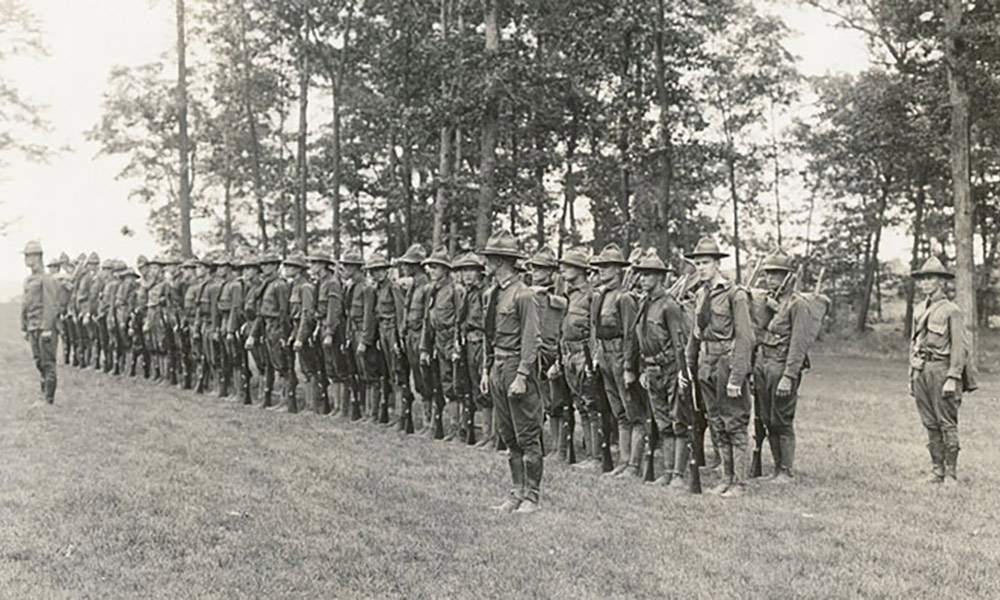
Rochester political scientist Hein Goemans explains why German leaders knowingly risked bringing America into the conflict.
Rochester political scientist Hein Goemans explains why German leaders knowingly risked bringing America into the conflict.
A new study shows that early experiences of environmental harshness, in combination with personal temperament, can shape the child’s problem-solving abilities later in life.

Can poetry thrive in an age of instant communication? As April’s National Poetry Month begins, University’s poetry faculty and students have found that the answer is an emphatic “yes.” The pace of digital life has only quickened over the last ten years since Twitter was founded, but the slower process of reading and crafting poetry continues, robustly, at Rochester.

Students enrolled in a new course in Food Justice & Social Practice combine urban farming, food security, and socially engaged art.

Panelists will discuss how the pay gap continues to affect gender and labor dynamics, and address how members of the University community can work to combat inequity.
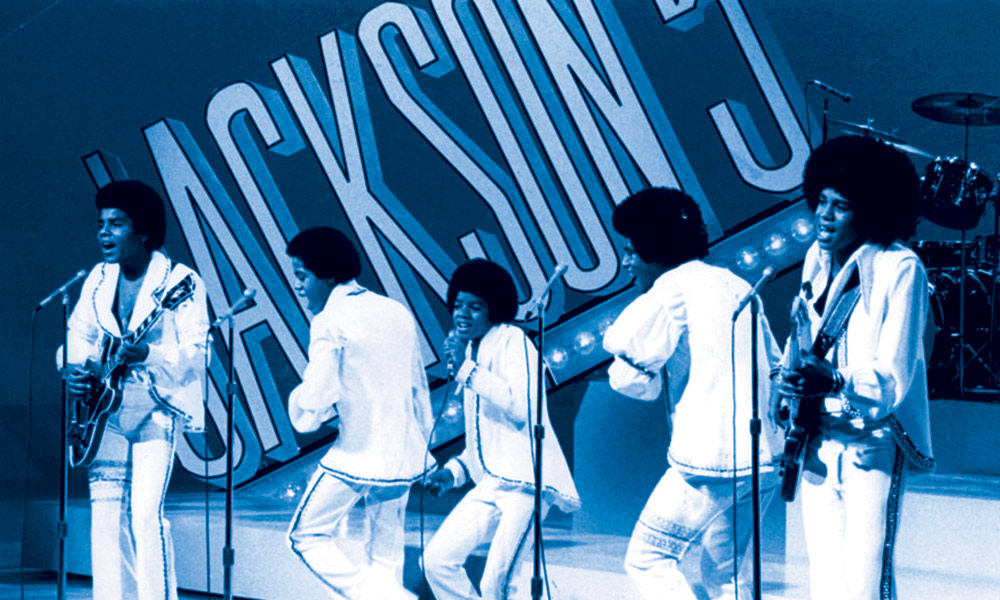
In the musical realm, notes “between the cracks” of conventional pitches are called blue notes. Researchers at Rochester are using advanced tools of music technology to unlock the secrets of blue notes.
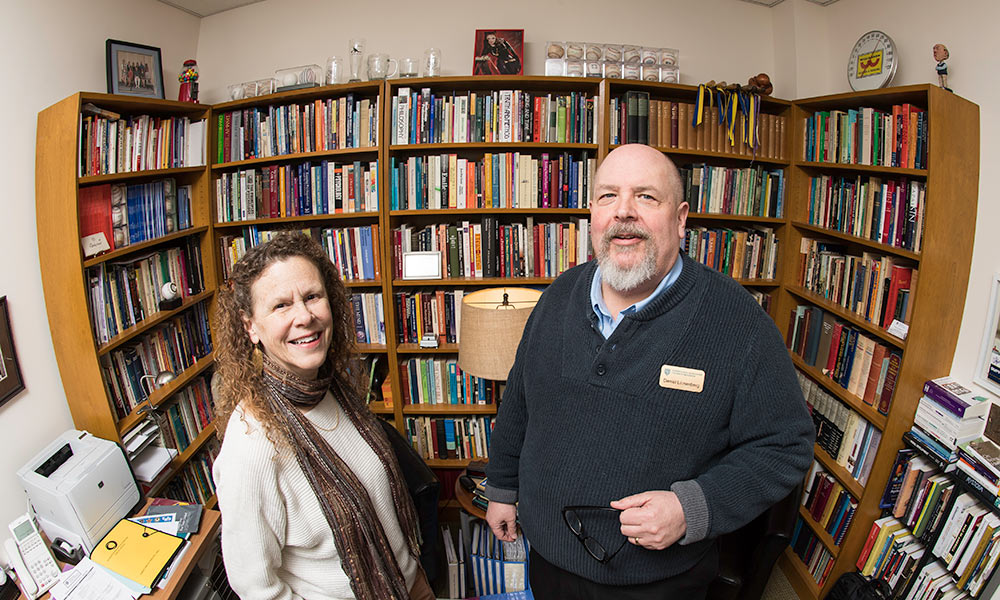
For more than two decades, Warner School professor Dan Linnenberg has toured the country, watching minor-league baseball games in 173 ballparks. They’ve seen LumberKings, JetHawks, Muckdogs, Sand Gnats, and Lugnuts. And they’ve witnessed the good, the bad, and the ugly in America.