URochester scholar Nora Rubel explains how latkes, sufganiyot, and evolving holiday traditions connect Jewish families to history and identity.
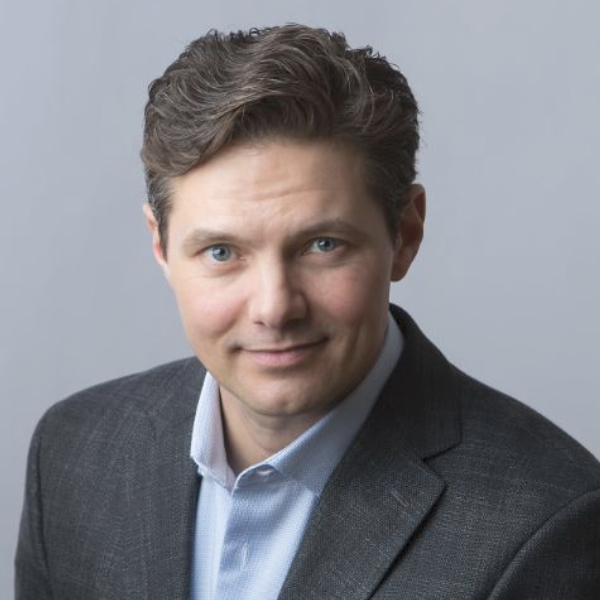
As families around the world prepare to celebrate Hanukkah, University of Rochester associate professor Nora Rubel can expound on the deeper stories behind the holiday’s foods, rituals, and evolving traditions.
Rubel, a scholar of Jewish studies and chair of the Department of Religion and Classics, specializes in how Jewish identity is expressed through everyday practices and food. For instance, her work explores how dishes like latkes and sufganiyot (fried jelly donuts) carry meanings beyond the kitchen.
“Food is one of the most powerful ways communities tell their stories,” Rubel says. “During Hanukkah, the foods we make and share help us remember the past, celebrate resilience, and connect with one another.”
Rubel was among the featured experts in a new PBS documentary, Family Recipe: Jewish American Style, a historical, genealogical, and culinary journey through the Jewish diaspora in homes across America. “Jewish cuisine is influenced by the economics, agriculture and culinary traditions of the many countries where Jewish communities have settled and varies widely throughout the whole world,” says Rubel.
Oil at the heart of Hanukkah: Why fried foods matter
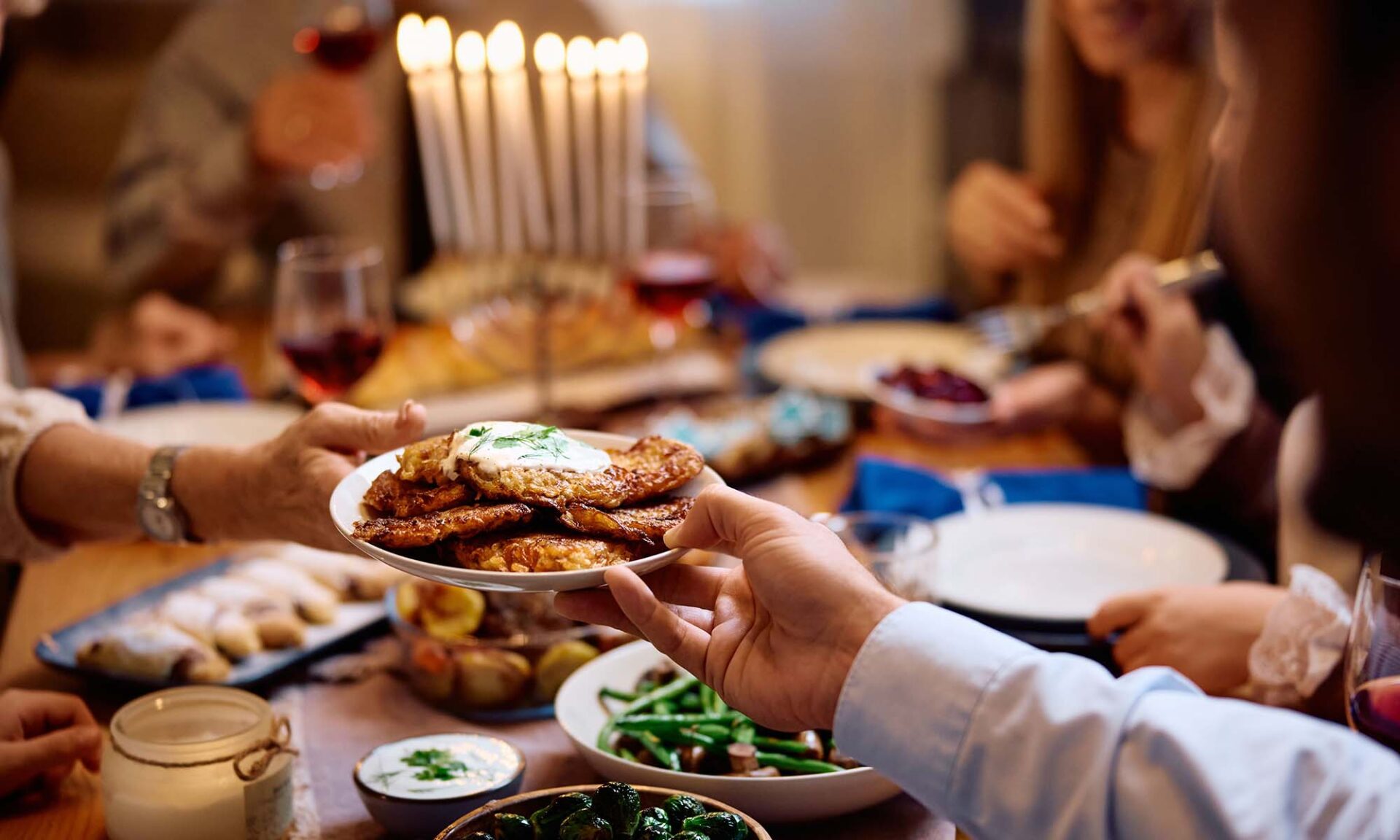
Many people recognize the holiday through its signature fried foods. But Rubel notes that these traditions developed over centuries and vary widely across cultures.
- Ashkenazi Jews typically serve potato latkes.
- Sephardic and Mizrahi communities prepare sufganiyot, bimuelos, zalabiya, and other fried sweets.
- Some families incorporate dairy dishes, drawing on medieval interpretations of the Hanukkah story.
What unites these foods, Rubel explains, is the symbolism of oil, which commemorates the miracle at the heart of the Hanukkah story.
As Rubel explains, “Jewish food, as we think about it now, is a culture of foods connected with holidays and rituals. In the United States, these foods are an amalgamation of recipes carried here by Jewish immigrants from their countries of origin. Cookbooks and family recipes are vital historical documents that preserve culture and history by recording culinary traditions, revealing social life, and demonstrating how communities adapt over time.”
Many ways to celebrate
Rubel emphasizes that Hanukkah is not a monolithic holiday. Its rituals, from lighting the menorah to singing blessings and exchanging gifts, vary across communities and generations.
Some families add new traditions such as:
- Hosting “latke tasting” gatherings
- Experimenting with global Jewish recipes
- Incorporating social justice themes into nightly candle-lighting
- Sharing stories of family immigration and heritage
“Hanukkah is a living tradition,” she says. “It continues to evolve, and food is one of the ways people reinterpret what the holiday means for them today.”
 Rubel’s broader scholarship focuses on American Jewish life, cultural memory, and how religious identities are shaped in the home as much as in the synagogue. She is the coeditor of