What tiny fossils tell us about Earth’s changing oceans
 Lindsey Valich
|
Senior Communications Specialist
Lindsey Valich
|
Senior Communications Specialist For paleoceanographer Chiara Borrelli, microscopic fossils buried beneath the seafloor are a window into the oceans of the past—and a changing planet.
For University of Rochester paleoceanographer Chiara Borrelli, millions of years of Earth history are buried in mud.
Borrelli, an assistant professor of research and instruction in the Department of Earth and Environmental Sciences, studies ancient oceans by examining sediment cores collected from beneath the seafloor and tiny fossils buried within them. Her research is part of paleoclimatology, the study of Earth’s climate in the distant past.
And while a core of ancient mud may not look like a history book, for Borrelli, that’s exactly what it is.
“I like to think about this as a history book of our planet,” Borrelli says. “As the mud and all of the components within it accumulate on the seafloor, it recorded what was going on at the time of deposition—ocean currents, ocean chemistry, sea level.”
What is paleoclimatology?
Imagine being able to reconstruct a world no human ever saw. That’s essentially the job of a paleoclimatologist: a scientist who studies Earth’s climate in the distant past using natural records preserved in ice, fossils, rocks, and sediment.
Long before satellites and other modern instruments began taking measurements, the planet was keeping records of its own. And paleoclimatologists learn to read them.
Borrelli goes even deeper—literally. As a paleoceanographer, she specializes in the oceans, traveling backward through millions of years of sediment to reconstruct how ocean temperatures, circulation, and chemistry and ice volume changed along the way.
Foraminifera as ‘ancient thermometers’
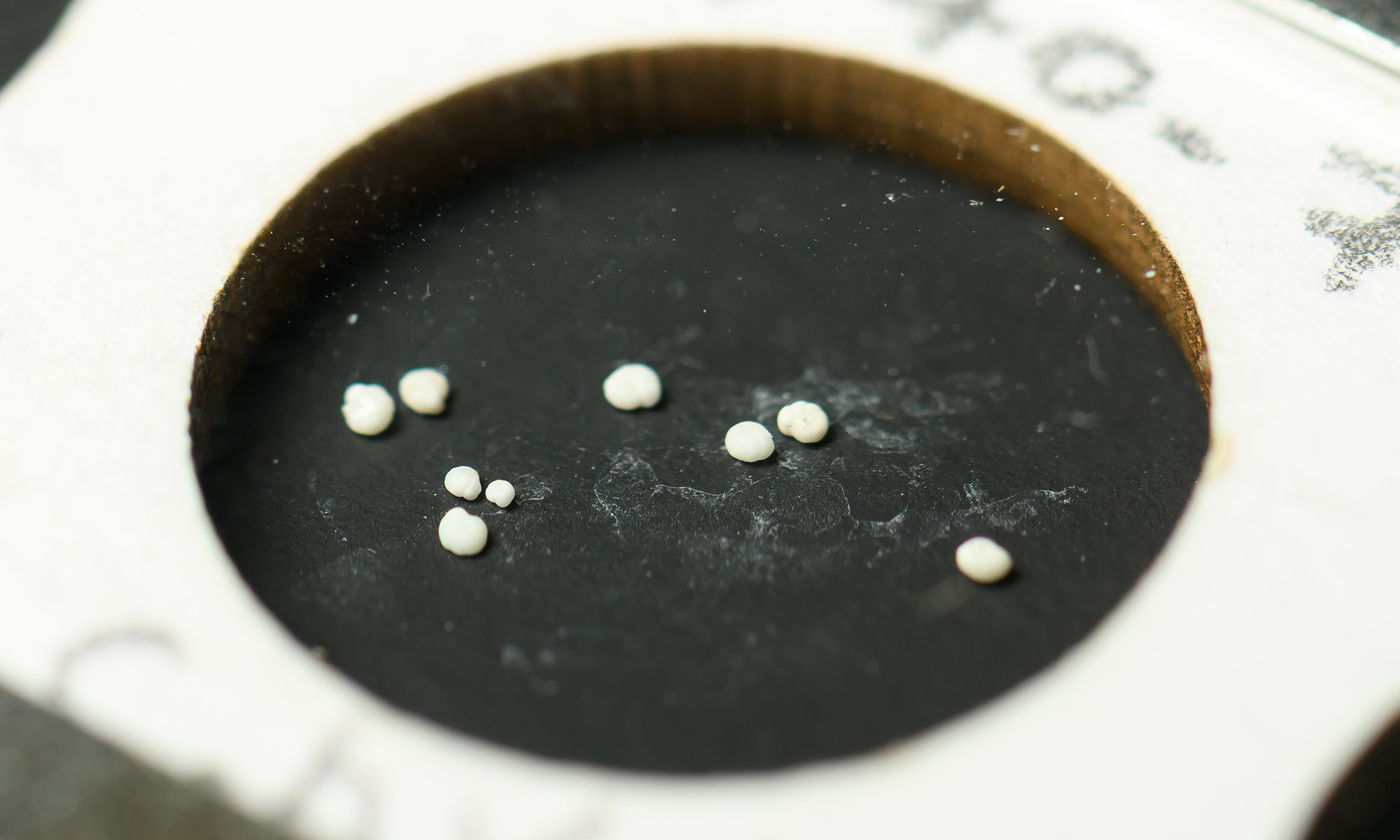
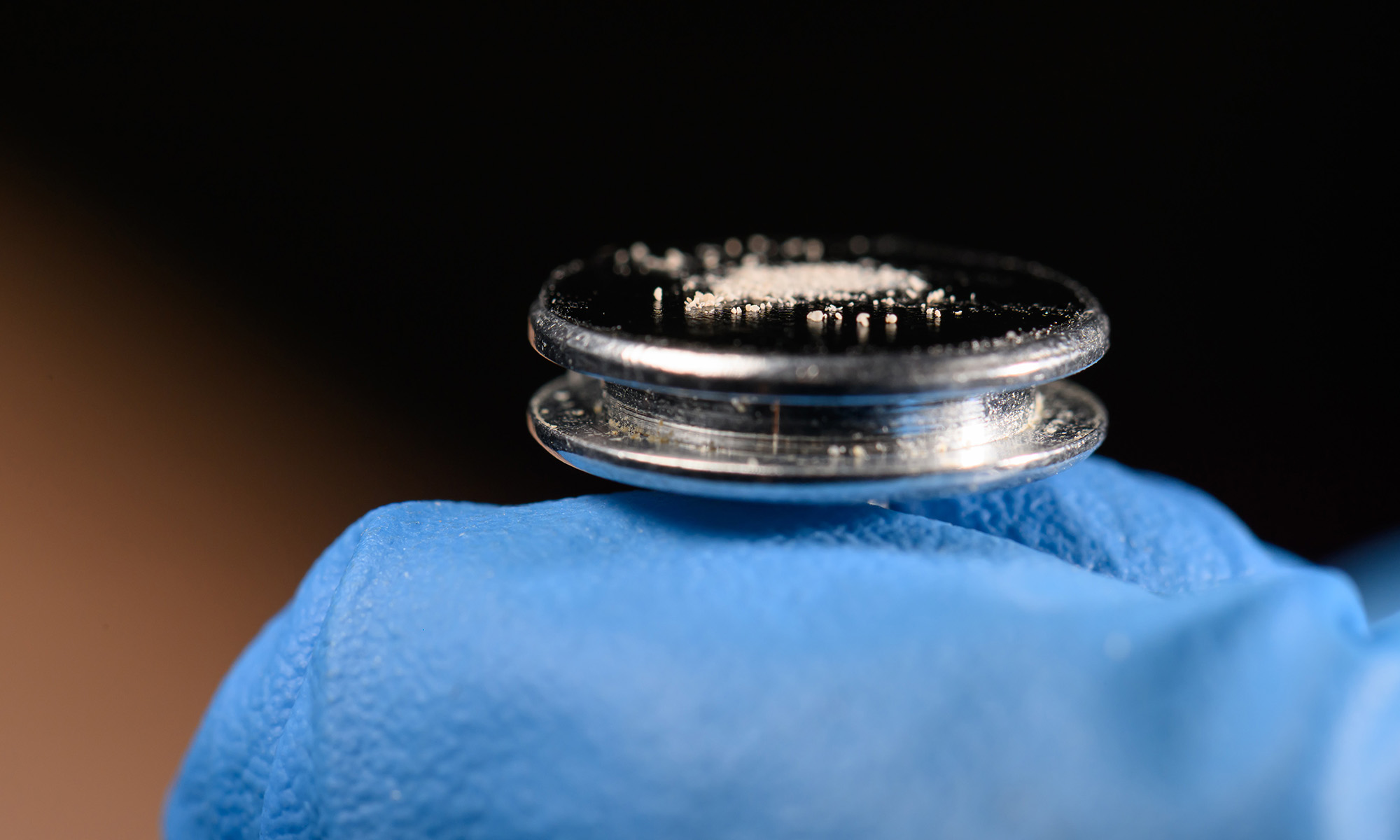
One of Borrelli’s most important tools for reading that record is something so small it takes a microscope to study: organisms called foraminifera that build shells of calcium carbonate. When the organisms die, their shells can settle into the seafloor and remain preserved for millions of years.
“You can think about these microfossils as our ancient thermometers,” Borrelli says. “We can now go back in time and probe and measure environmental parameters and conditions in our ocean.”
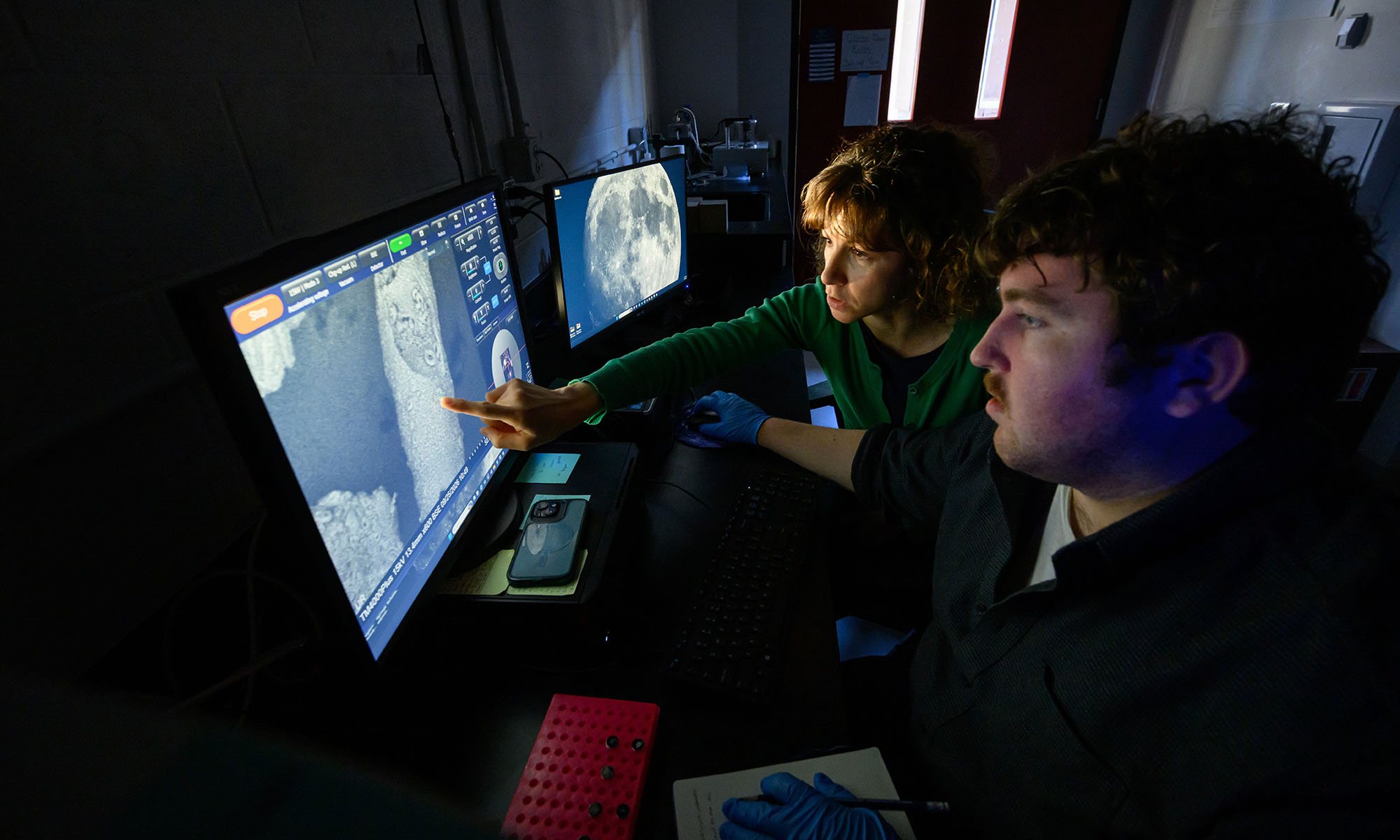
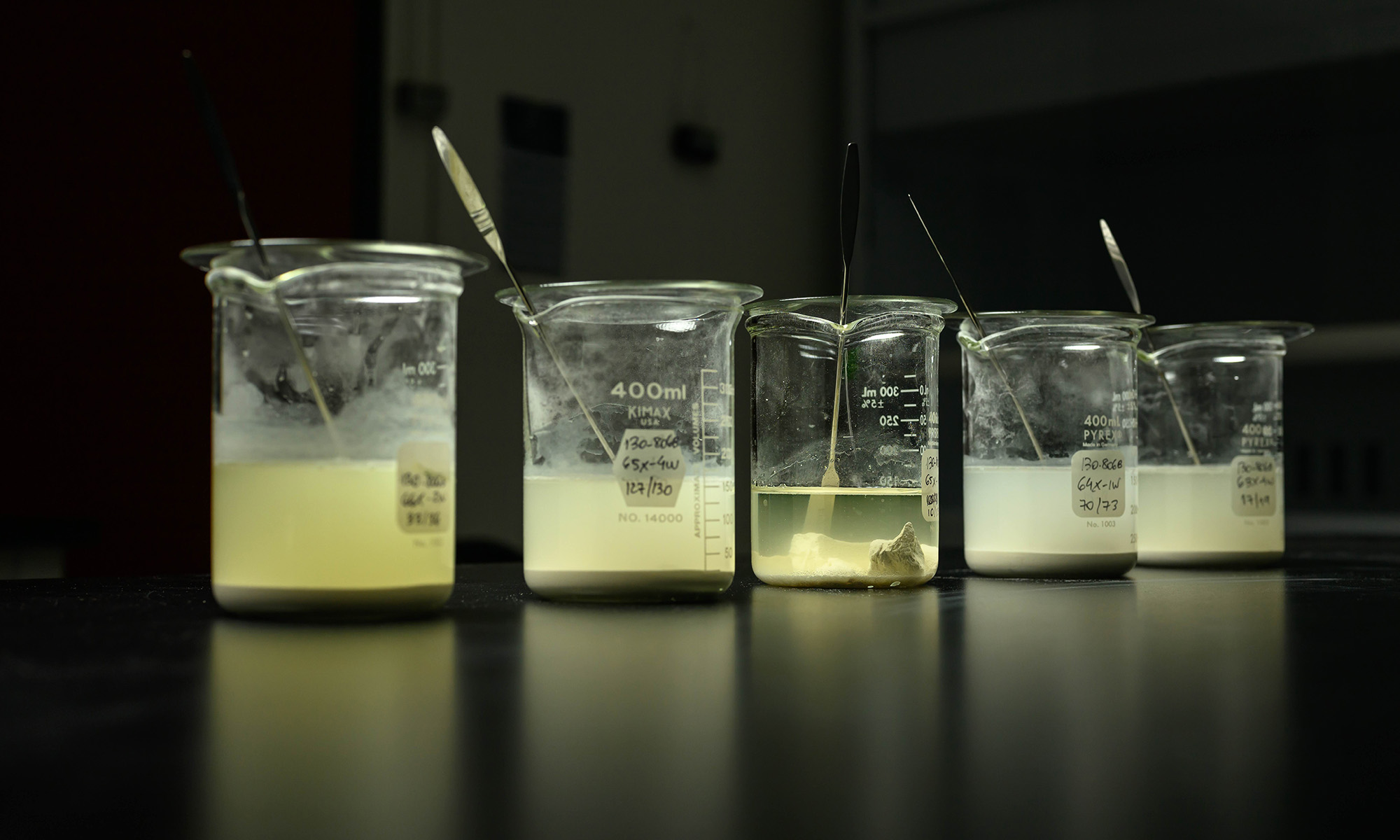
Once she has collected a sediment core, Borrelli can start piecing together a story from the mud. She isolates the fossils, examines them under a microscope, and analyzes their chemical and isotopic compositions.
“The speed at which things are changing right now is almost without precedent in the entire geological record.”
“Tiny fossils are packed with information,” she says.
They can reveal ocean conditions when the foraminifera lived, including temperature and chemistry, providing a long-term view of Earth’s climate that modern instruments cannot.
“Today, we rely on satellite and instrumental records, and they are great,” Borrelli says. “They give us very precise snapshots of the present. However, we can only use those records to go back decades or centuries.”
A methane mystery beneath the sea floor
The small fossils also give Borrelli leads in a much more specific mystery: methane, a colorless, odorless gas that is one of today’s main drivers of climate change.
Marine sediments are one of the largest reservoirs of methane on Earth. The gas can move through the sediments and seep into the ocean, with some potentially reaching the atmosphere as a powerful greenhouse gas. Borrelli uses sediment cores and the isotopic signatures preserved in foraminifera to investigate what causes methane to escape from the seafloor and when the seepage occurred.
Off the US–Atlantic coast, Borrelli is pursuing a geological mystery. Methane is seeping from the seafloor in places where scientists would not necessarily expect to find it. The region lacks active tectonic plates or obvious underground natural gas reservoirs that might provide an explanation.
So Borrelli is looking to the past for answers: Why is methane leaking there? And could it be connected to larger environmental changes, such as the retreat of ice sheets after the last ice age?
What can the past tell us about the future?
Methane is just one example of how a change in one part of Earth’s climate system can reverberate through others.
“Our planet is a puzzle of components—the oceans, the atmosphere, land, life,” Borrelli says. “All of these components are in constant communication, and the changes that are happening in one of them affect changes in all the others.”
For Borrelli, tracing those interactions through time is ultimately a way to make sense of the planet we inhabit—and the changes reshaping it.
“By studying geological records, we learn that Earth’s climate has been changing over thousands, hundreds of thousands, and millions of years,” Borrelli says. “We’re also learning that the speed at which things are changing right now is almost without precedent in the entire geological record. We are at a very fundamental juncture to adopt and mitigate the consequences of climate change so we can leave a stable and livable planet for generations to come.”