Skip to content

Explore the milestones that led to the formation of URochester Medicine’s new Department of Environmental Medicine and Public Health Sciences.

University of Rochester Medicine’s new Department of Environmental Medicine and Public Health Sciences unites two of the University’s long-standing areas of research and practice, both of which have increasingly connected scientific discovery with efforts to prevent disease, inform policy, and improve health.

Here are just a few of the milestones that brought them together.
1943

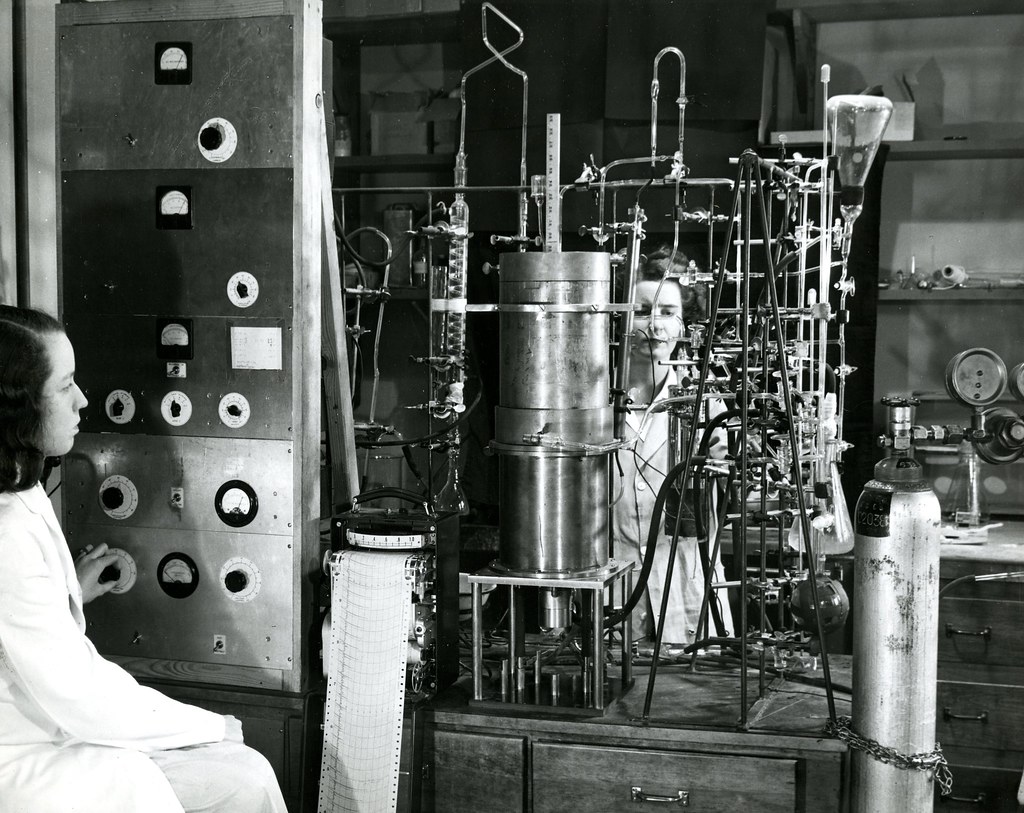
URochester joins the highly classified Manhattan Project, becoming a center for studying radiation and chemical hazards associated with atomic-weapons production. The work later includes controversial studies in which hospital patients are unknowingly injected with plutonium, polonium, and radium.

1958

The Department of Community and Preventive Medicine launches with an emphasis on community health, including lead screening, storefront clinics, and preventive programs serving Rochester and the surrounding region. It is renamed the Department of Public Health Sciences in 2012.

1965

URochester becomes the first institution in the US to award a PhD in toxicology.

1971

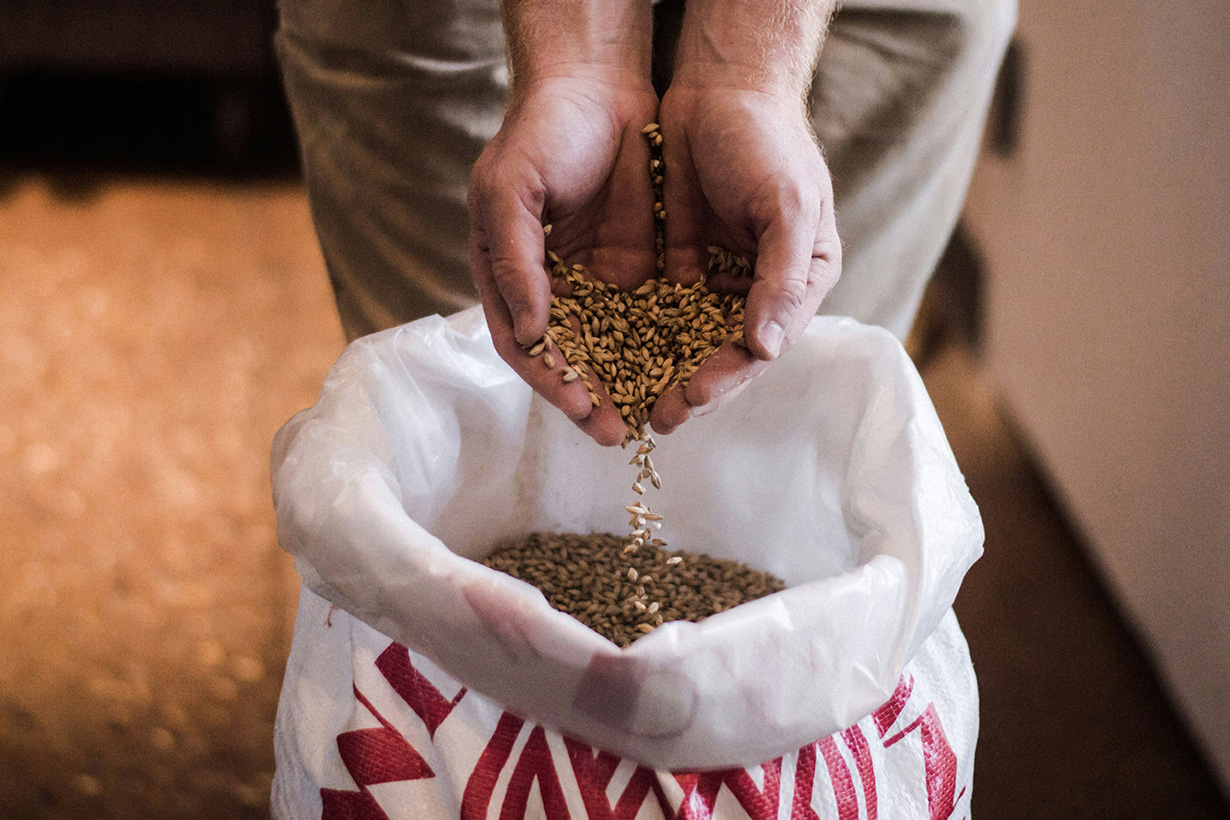
Mercury toxicology expert Thomas Clarkson and colleagues help Iraqi health authorities investigate a massive outbreak of methylmercury poisoning caused by treated grain.

1975

The National Institute of Environmental Health Sciences awards URochester a grant establishing what becomes the Environmental Health Sciences Center (EHSC), now the nation’s second-oldest continuously funded NIEHS Core Center.

1986

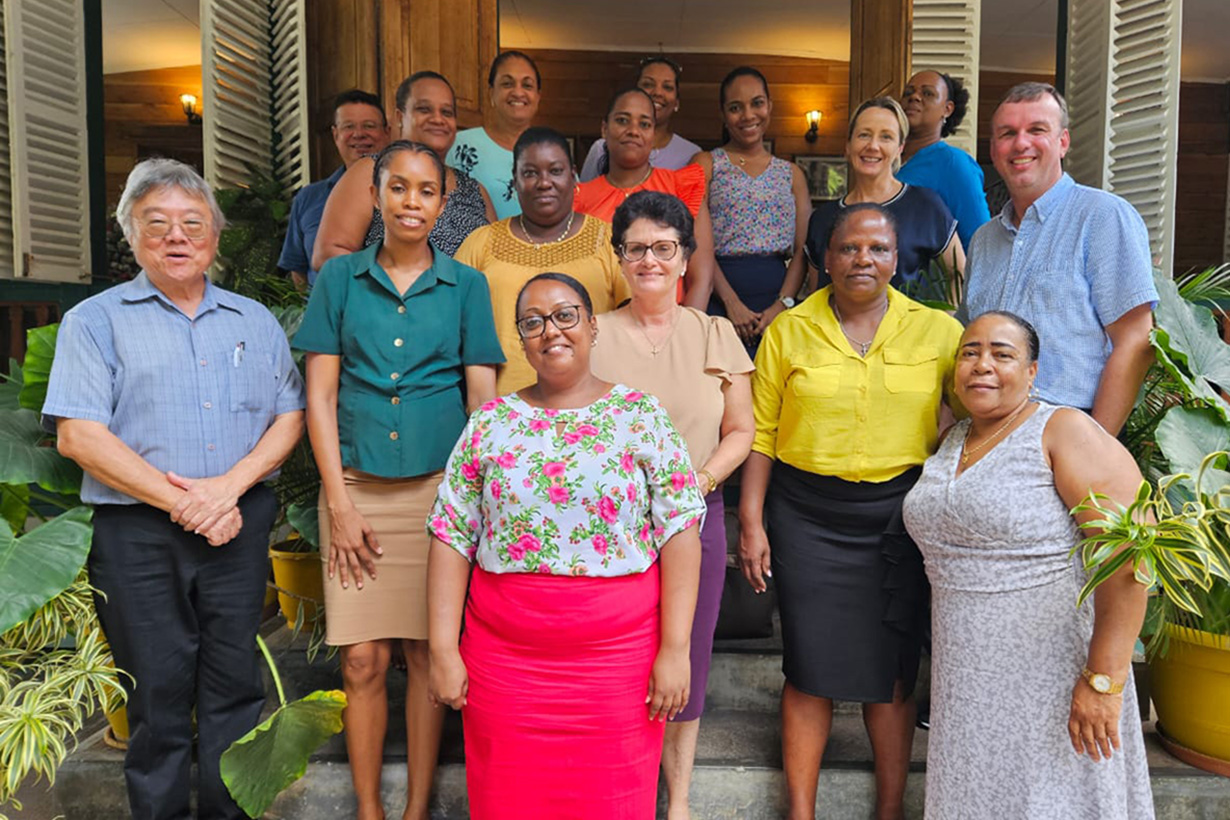
URochester researchers begin recruiting the first cohort for the Seychelles Child Development Study, examining how prenatal mercury exposure from frequent fish consumption may affect children.


1992

Drawing together decades of interdisciplinary research and training, the University formally establishes the Department of Environmental Medicine.

2001

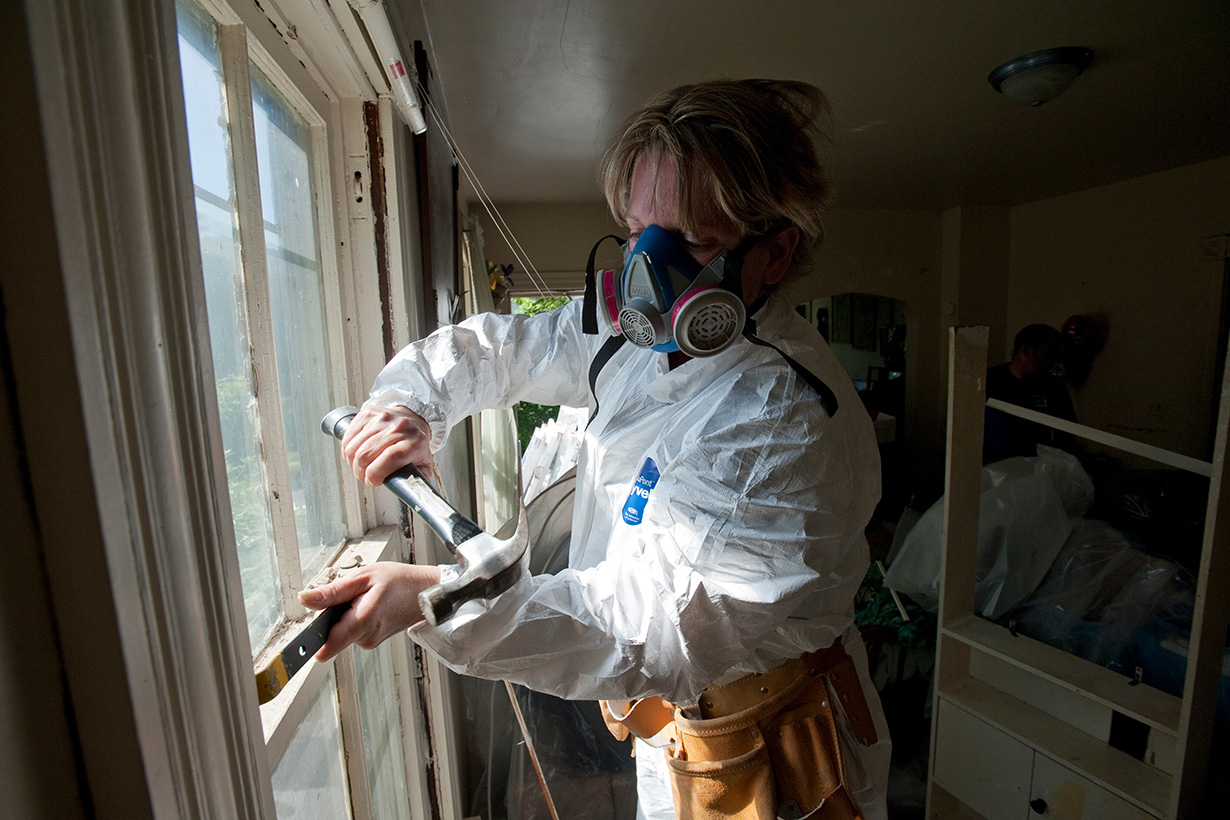
After 9/11, EHSC faculty begin studying the toxicity of World Trade Center dust and develop an outreach program to help those affected by the environmental consequences of the terrorist attacks.

2008

Pollution controls during the Beijing Olympics create a large-scale natural experiment that allows URochester researchers to study the impact of pollution levels on cardiovascular health and birth weight.

2024

URochester and Rochester Institute of Technology launch the Lake Ontario Microplastics Center, one of six federally funded Centers for Oceans and Human Health, to study the environmental fate of microplastics and their human health impacts.


This story appears in the fall 2026 issue of Rochester Review, the magazine of the University of Rochester.