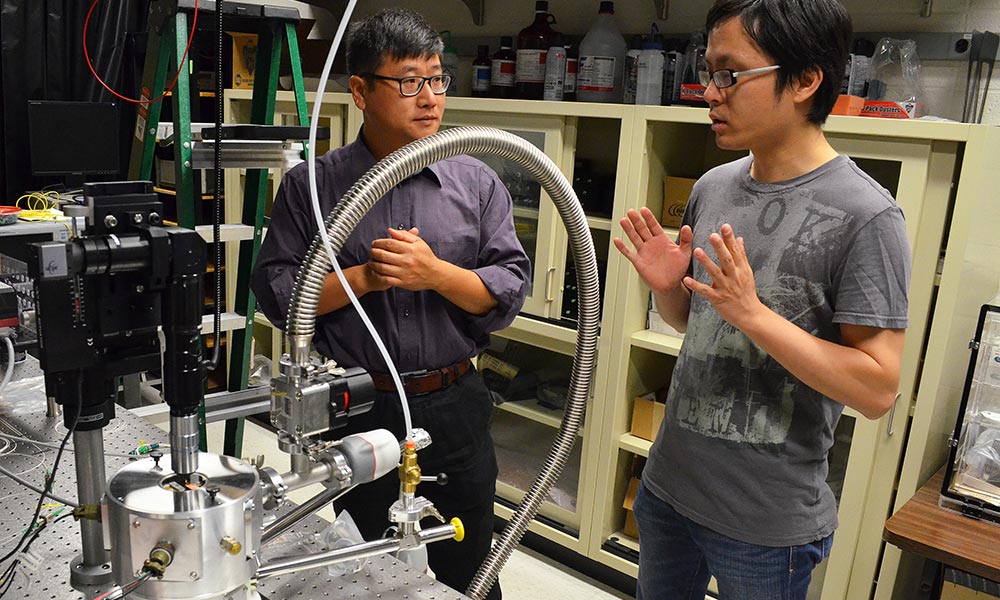
Qiang Lin, an expert in integrated quantum photonics and nonlinear nanophotonics at the University of Rochester, is a recipient of the Presidential Early Career Award for Scientists and Engineers (PECASE).

1531–1540 of 3936 posts
Qiang Lin, an expert in integrated quantum photonics and nonlinear nanophotonics at the University of Rochester, is a recipient of the Presidential Early Career Award for Scientists and Engineers (PECASE).
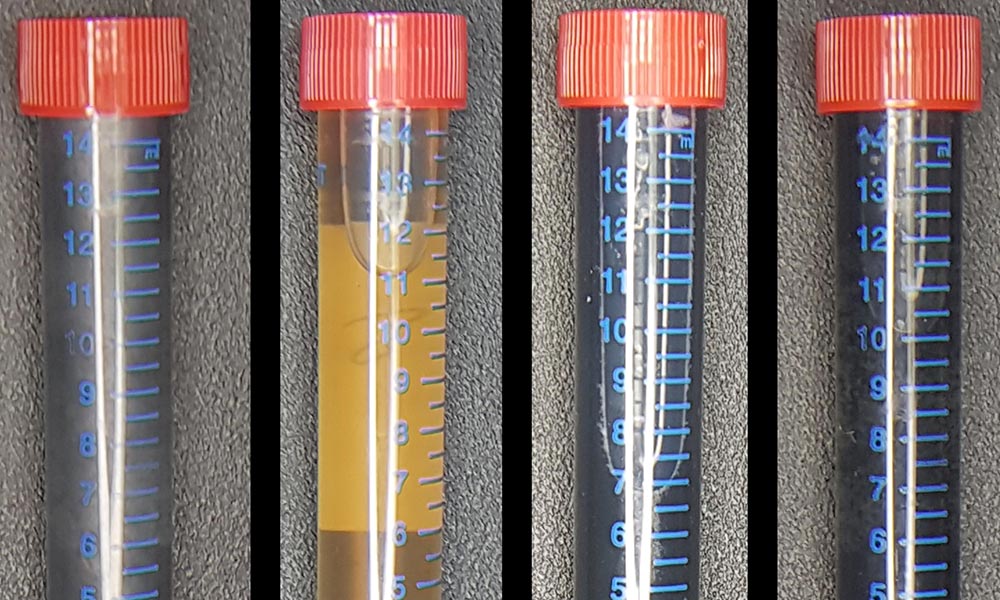
Graphene is a revolutionary nanomaterial, the discovery of which led to a Nobel Prize. By mixing graphite with bacteria, Rochester scientists are making graphene easier and more environmentally friendly to produce, paving the way for future products and applications.
By mixing graphite with bacteria, Rochester scientists are making graphene easier and more environmentally friendly to produce.
Last year, Rochester’s Solar Splash team didn’t even make it to the college championships solar and electric boating. This year, a renewed focus on data science saw the team take home awards for innovation and most improved team.
This year, a renewed focus on data science saw the Rochester Solar Splash team take home awards for innovation and most improved team.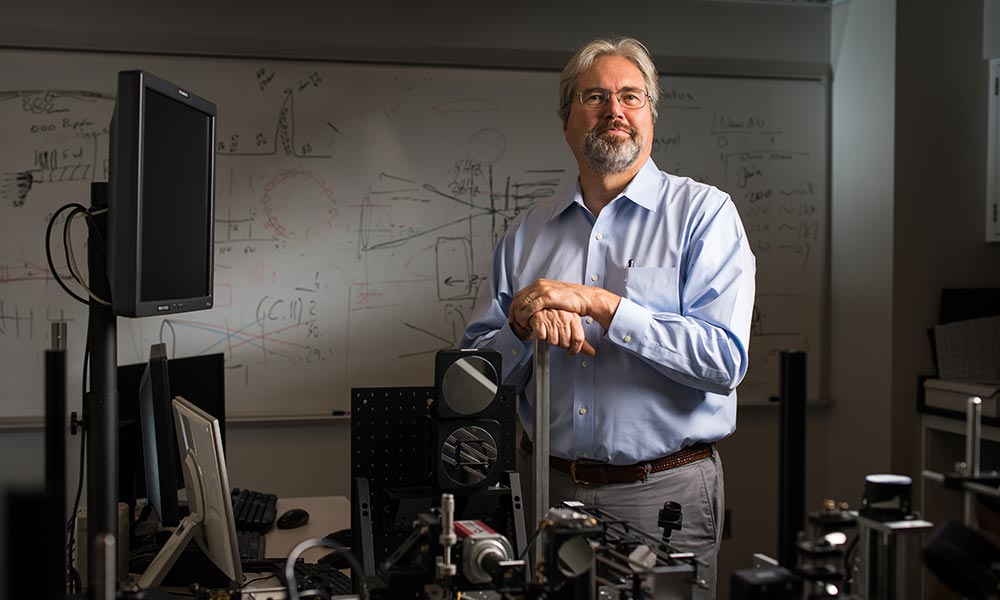
Dean for research in Arts, Sciences & Engineering since 2011, Williams stepped down on July 1 to return full time to his research.
Dean for research in Arts, Sciences & Engineering since 2011, Williams stepped down on July 1 to return full time to his research.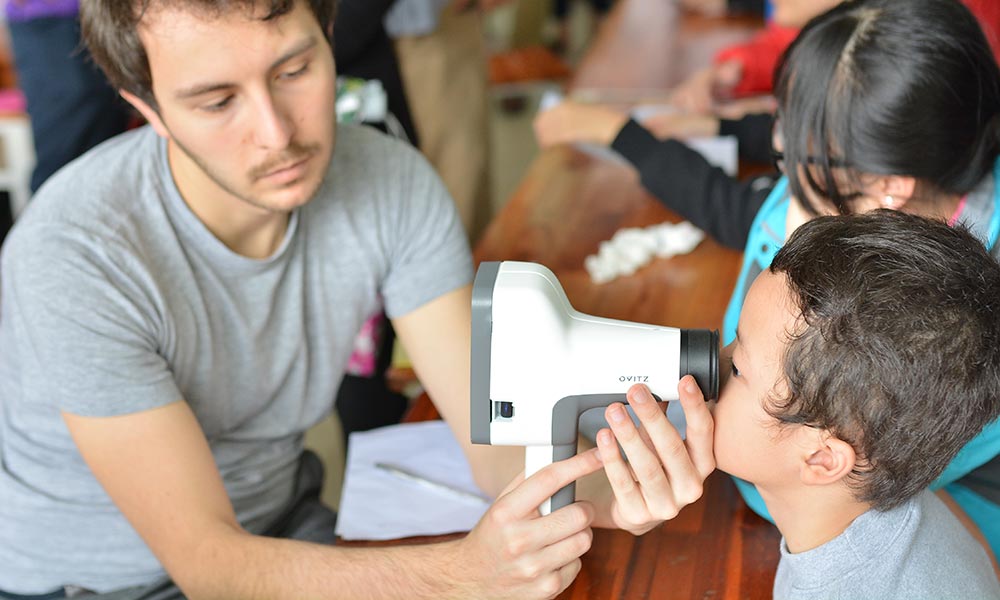
Ovitz and VPG Medical took home first and second prize in this year’s Luminate competition, the world’s largest startup accelerator program for optics, photonics, and imaging technologies.
Ovitz and VPG Medical took home top prizes in this year’s Luminate competition, the world’s largest startup accelerator program for optics and photonics.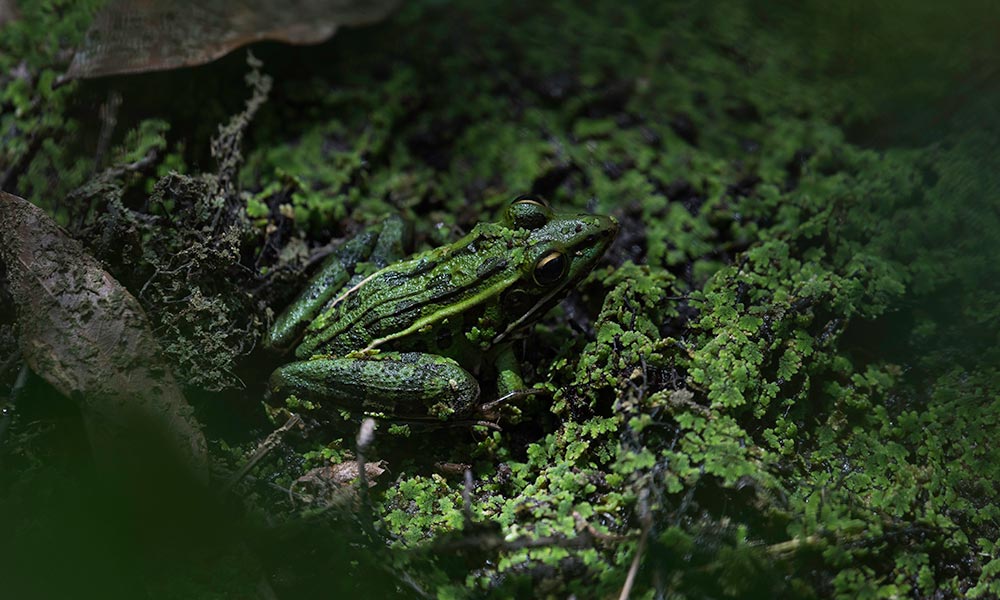
New research from Rochester scientists explores why human beings are good at discerning moving objects and how we can train our brains to be better at this as we age.
New Rochester research explores why human beings are good at discerning moving objects and how we can train our brains to be better at this as we age.
Rochester’s new president promised she would spend considerable time on a “listening and learning tour” during the first part of her time as the University’s chief executive. President Sarah C. Mangelsdorf jumped right in early Monday morning with a two-hour tour of parts of the River Campus.
President Sarah C. Mangelsdorf jumped right in early Monday morning with a two-hour tour of parts of the River Campus.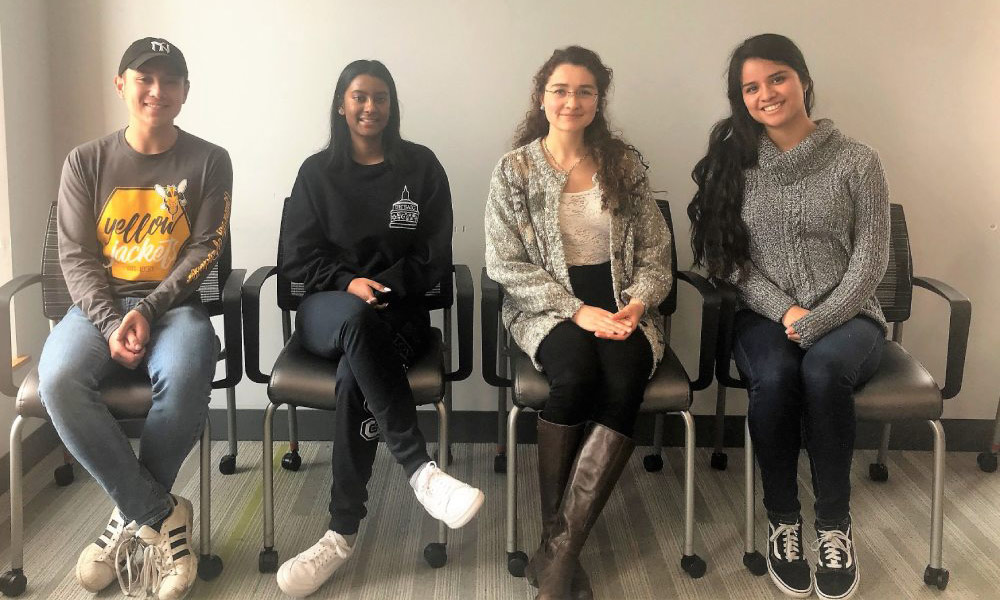
For the second year, the University is sending a group to the University Scholars Leadership Symposium to learn about humanitarianism, social change on a global scale, and how to best respond to the needs of the marginalized.
For the second year, the University is sending a group to the University Scholars Leadership Symposium.
Why have civil wars and insurgencies occurred in Sudan and Uganda, but not Kenya? A new study finds the origins of ethnic violence in precolonial political organization.
A new study finds the origins of ethnic violence in precolonial political organization.
A Rochester study shows that teenagers who can describe their emotions in precise and nuanced ways—saying ‘I feel ashamed’ instead of simply saying ‘I feel bad’—are better protected against depression than their peers who can’t.
Rochester research shows that teenagers who can describe their emotions in nuanced ways are better protected against depression than their peers who can’t.