
A ten-member advisory committee made up of representatives from leading high-technology companies, industry and academia will meet for the first time this week.

3271–3280 of 3972 posts
A ten-member advisory committee made up of representatives from leading high-technology companies, industry and academia will meet for the first time this week.

Eric Horvitz, director of Microsoft Research, will show how breakthroughs in the new field of data science are solving previously intractable problems in clinical medicine, public health, transportation, disaster recovery, and many other areas.
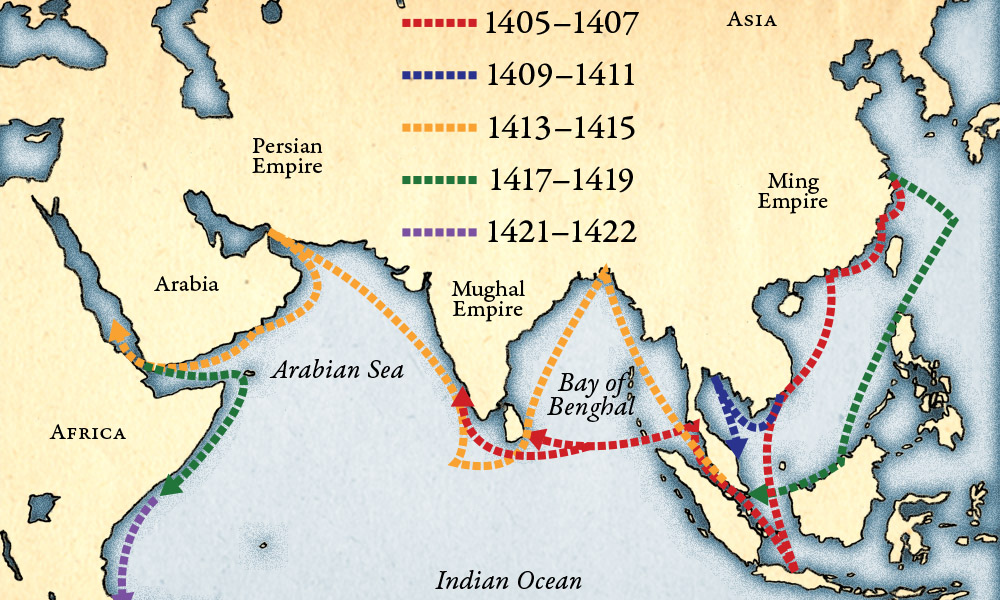
In his new book, professor of history Stewart Weaver chronicles journeys of discovery from the pre-historic trek of humans across the land bridge over the Bering Strait some 12,000 years ago to the mid-20th century deep sea voyages of Jacques-Yves Cousteau.

Joshua Dubler’s project will shed new light on how changes in the religious landscape in America have contributed to tremendous growth in the prison system over the last 40 years.

Izzeldin Abuelaish, who is currently an assistant professor at the University of Toronto, is the author of I Shall Not Hate: A Gaza Doctor’s Journey on the Road to Peace and Human Dignity.

Joe Testani succeeds Burt Nadler, current director of the Greene Center, who announced his intent to retire last year after 16 years in the position. Testani will join the University in June 2015.
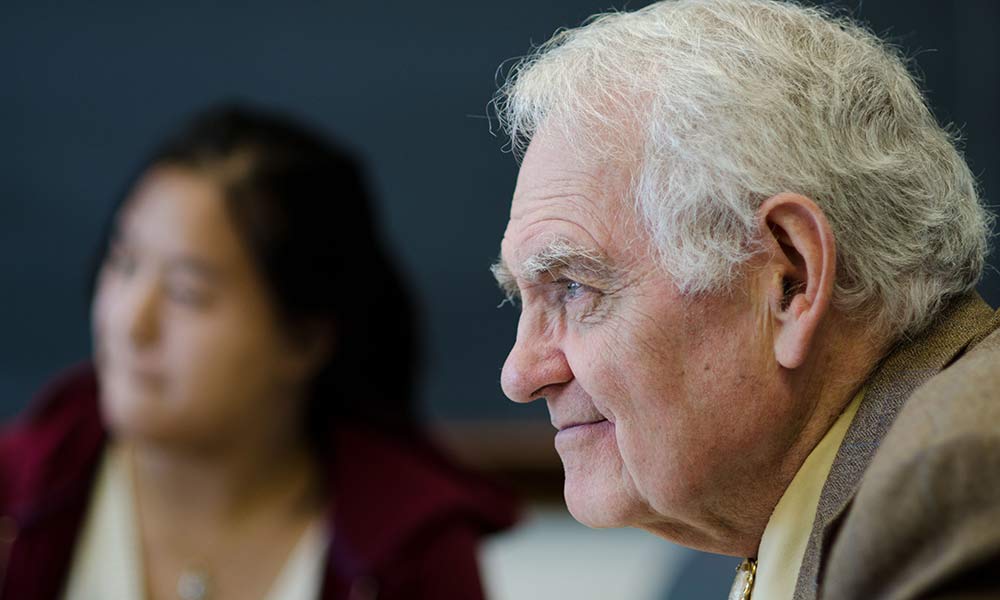
The Kindrick-CARA Award is presented annually to a member of the organization for their leadership in developing, organizing, and sponsoring work in medieval studies. Peck has been a faculty member at the University for 54 years, during which time he has received numerous commendations.

From the archives: Philip Levine, former poet laureate of the United States, was a keynote guest when the Department of English’s Plutzik Reading Series celebrated its centennial in 2012. The Pulitzer Prize-winning poet died Sunday at the age of 87.
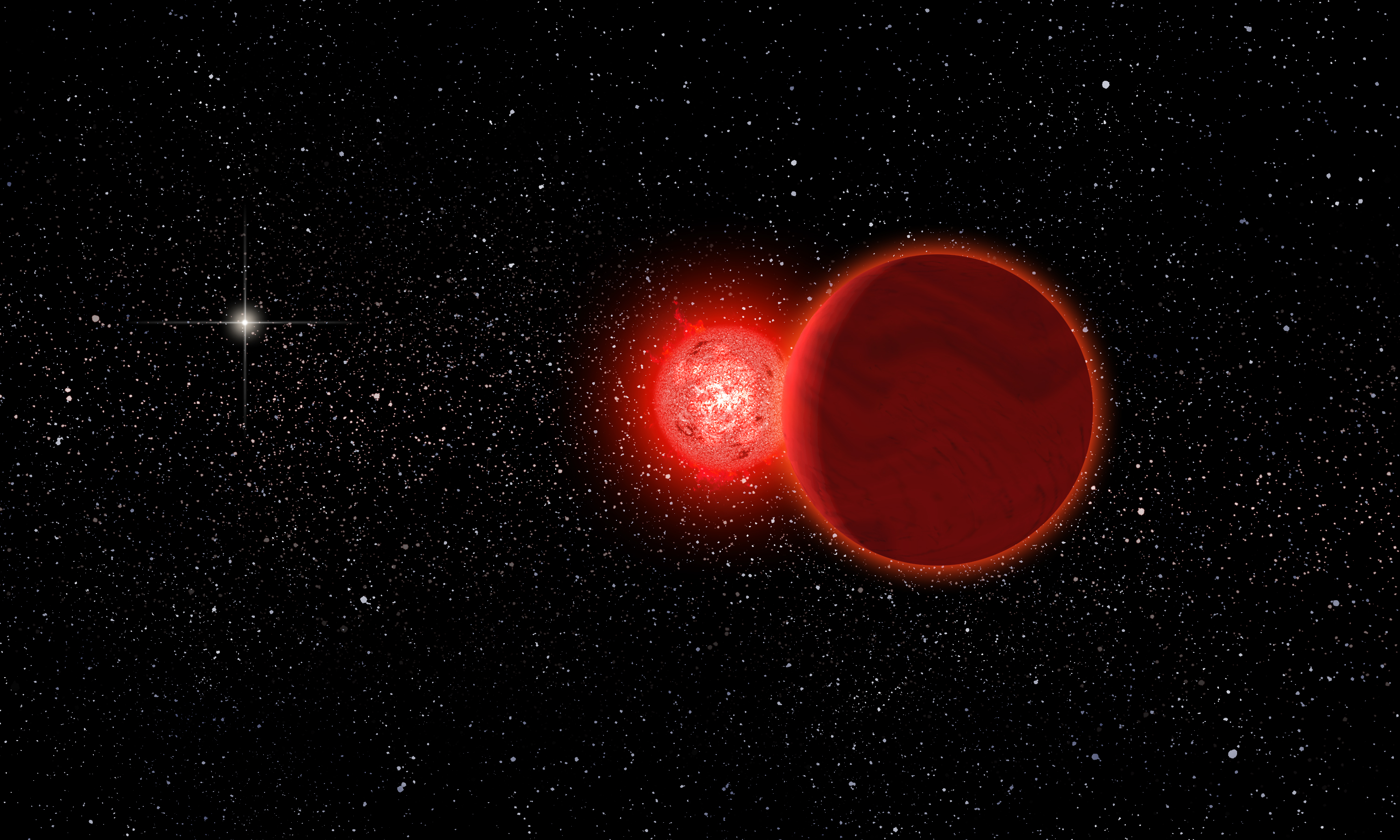
A recently discovered dim star likely passed some 70,000 years ago through our solar system’s distant cloud of comets known as the Oort Cloud. No other star is known to have ever approached our solar system this closely.
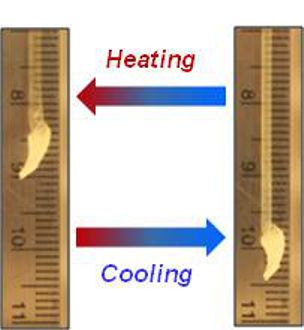
Although most materials slightly expand when heated, there is a new class of rubber-like material that not only self-stretches upon cooling; it reverts back to its original shape when heated, all without physical manipulation.