From dream to dialogue: 25 years of the MLK Jr. Commemorative Address
 Jim Mandelaro
|
Communications Specialist
Jim Mandelaro
|
Communications Specialist 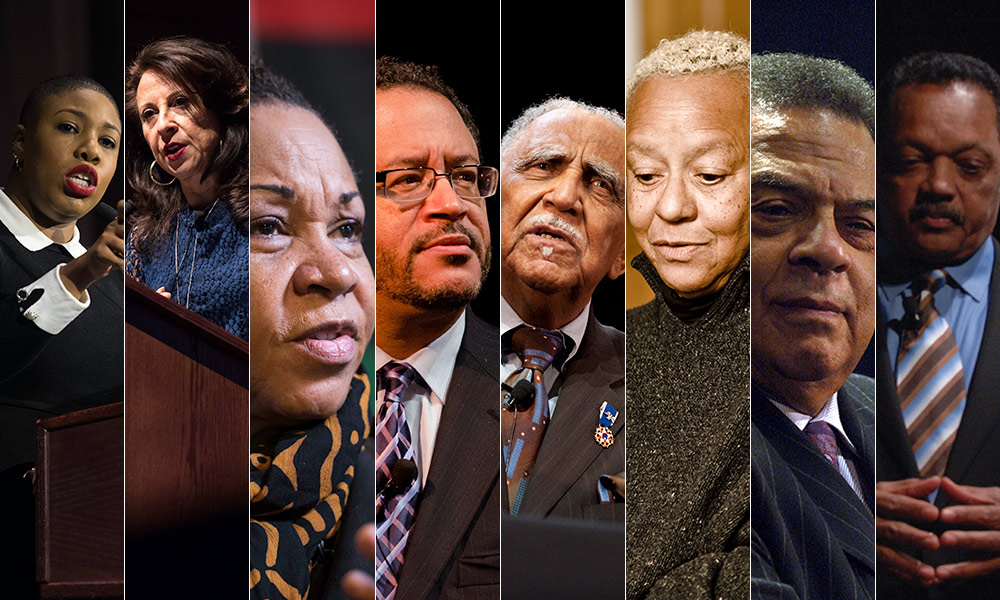
Looking back on a quarter century of keynote speakers for URochester’s annual event.
On January 26, 2001, social activist Julian Bond stepped to the podium before a packed house at Strong Auditorium on the University of Rochester campus.
The topic was “Civil Rights, Then and Now,” and the event was the University’s inaugural Martin Luther King Jr. Commemorative Address. It was created by University leaders two years after students had protested for more administrative support of cultural activities.
Celebrating King, the civil rights icon who was assassinated in 1968, seemed the logical choice.
“There has been so much change, but so much remains the same,” said Bond, then chair of the National Association for the Advancement of Colored People (NAACP). Bond believed there had been progress toward King’s dream of racial equality and justice—but much still needed to be done.
“There are still such large gaps (between races) in life expectancy, income, health, and education,” he said that day. “The problem of the 20th century is still the problem of the 21st.”
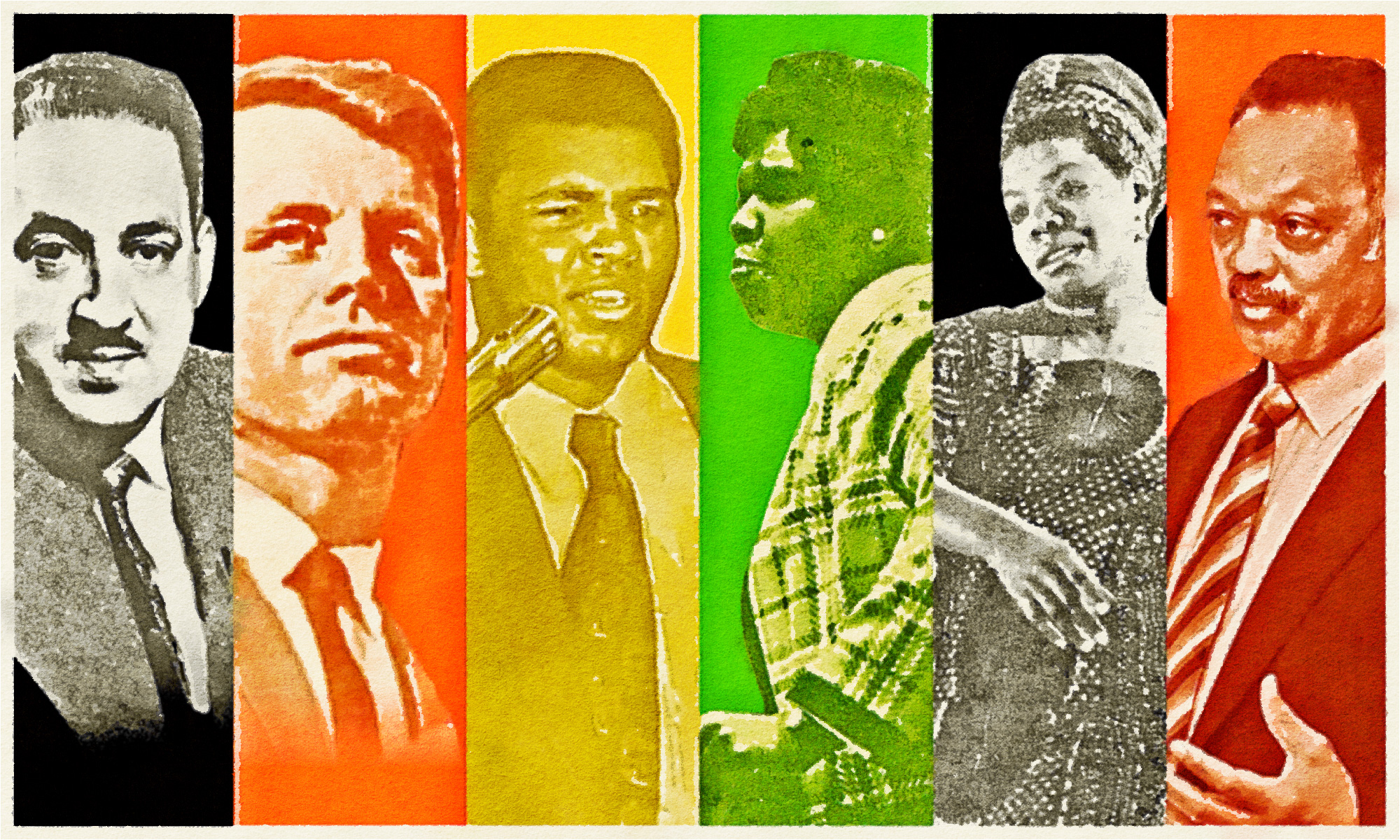
Bond’s speech set the standard for an event that turned 25 this January and has drawn many of the nation’s leaders in diversity, civil rights, and social justice. Among the esteemed keynote speakers have been actors, activists, authors, professors, religious leaders, and television personalities.
The event, sponsored by the Office of the President, the Office of Mentoring and Student Advocacy, and the Office of University Engagement and Enrichment, has run every year except 2005, when inclement weather forced its cancellation.
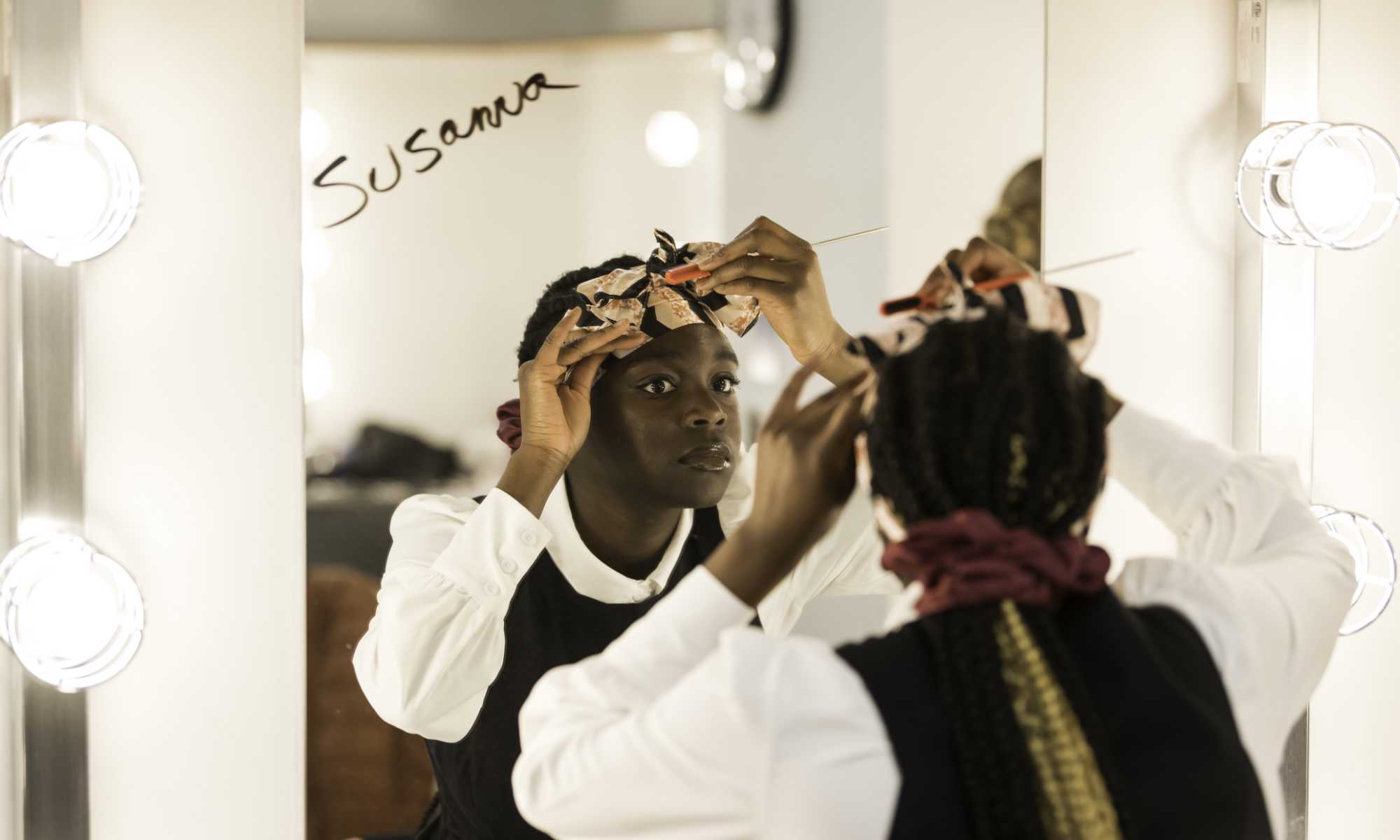
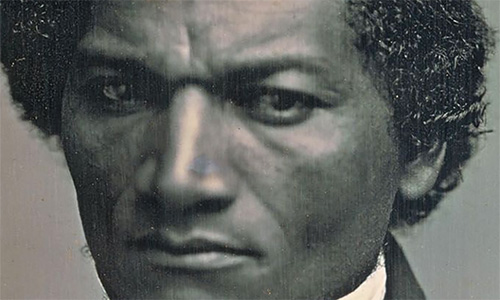
Here’s a photographic celebration of Martin Luther King Jr. Commemorative Address speakers through a quarter century.
William J. Barber II (2026)
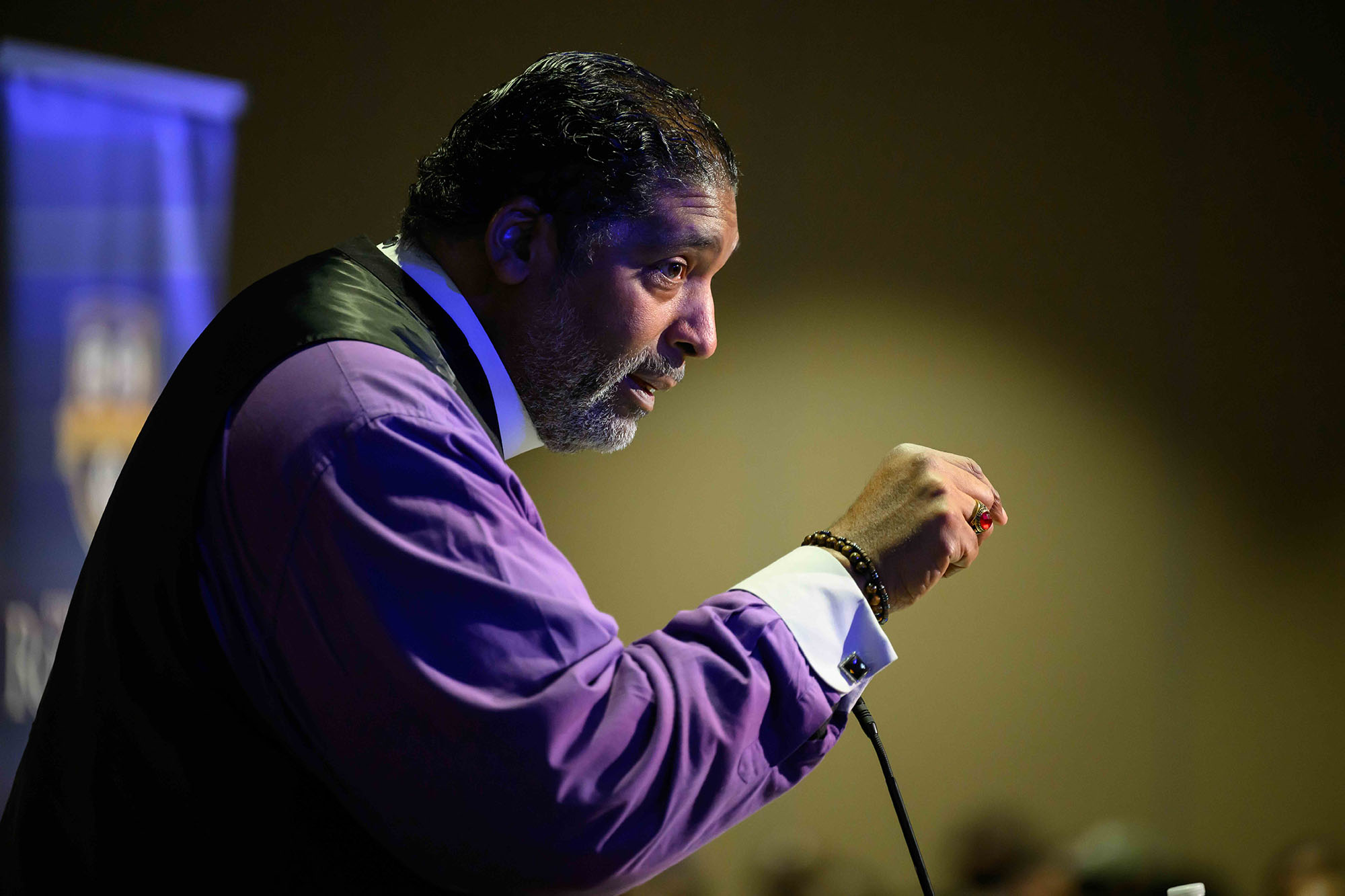
A minister, civil rights leader, author, and social justice advocate, Barber is the founder of Repairers of the Breach, a national organization whose mission is to build moral movements for social change.
“In the civil rights movement, they didn’t hardly ever say they were fighting for democracy. They said they were fighting for justice. Because where there is no justice, there is no true democracy.”
Giancarlo Esposito (2025)
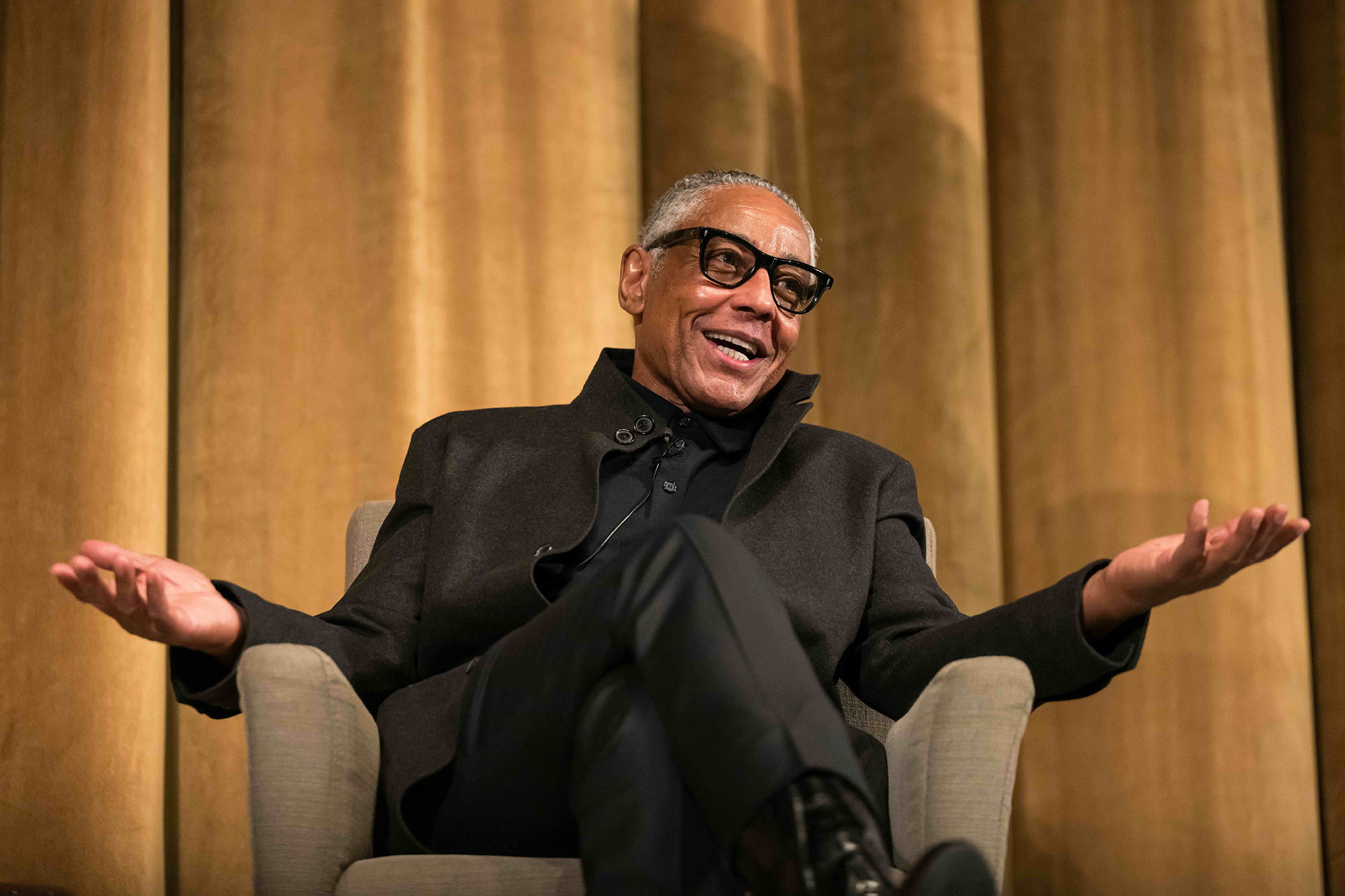
The Emmy-nominated actor is best known for his portrayal of drug kingpin Gus Fring in the acclaimed TV series Breaking Bad and its prequel, Better Call Saul.
“My dream is that we’re able to stand up with one voice, nonviolently, against all that is keeping us in chains and keeping us separate.”
Rachel L. Swarns (2024)
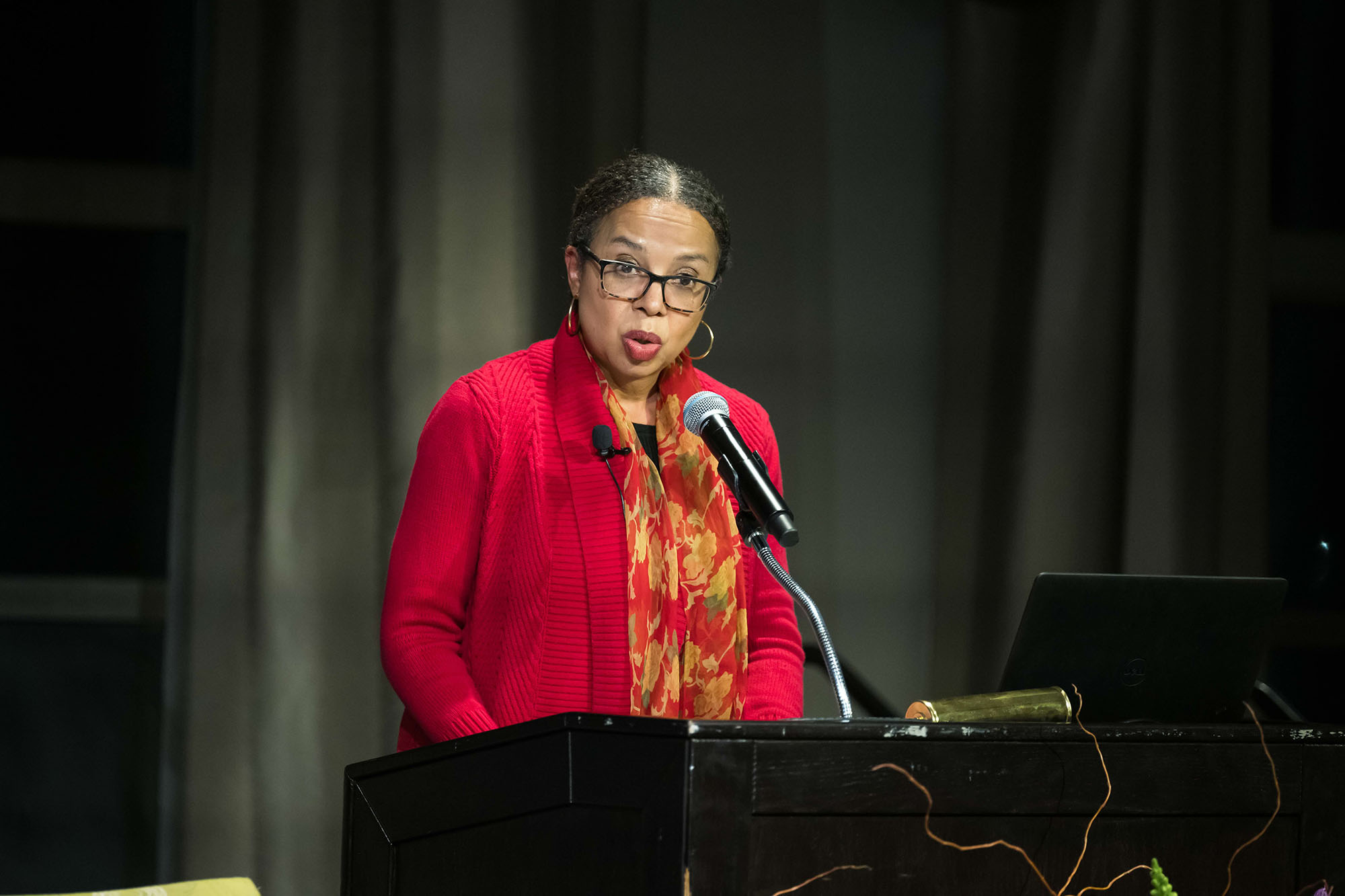
Swarns is an author and news correspondent who has contributed to the New York Times for three decades. She’s also a journalism professor at New York University.
“History can be an engine of change, but it’s also a weapon.”
Anthea Butler and Valeria Sinclair-Chapman (2023)
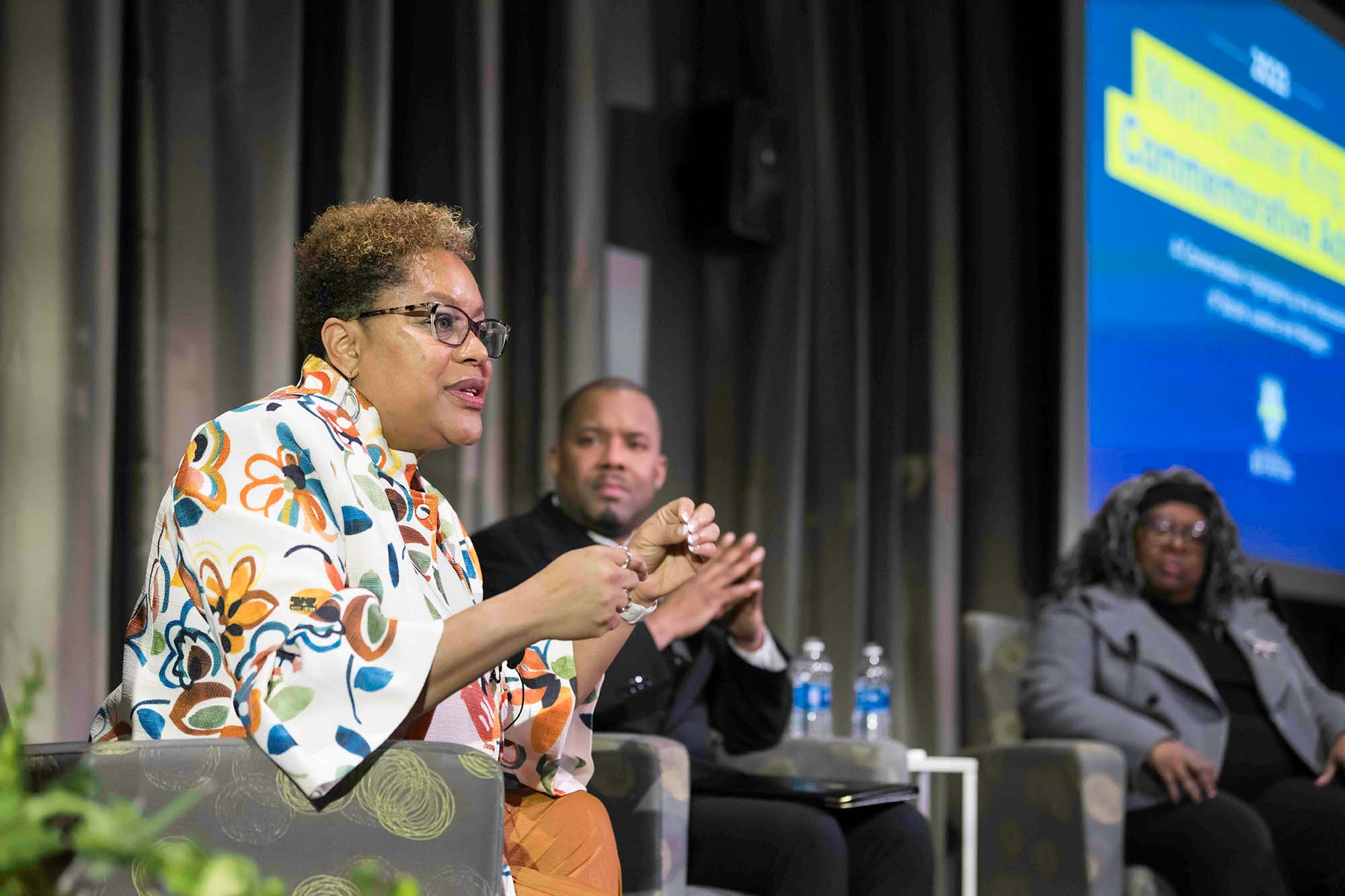
The two former University of Rochester professors spoke about social justice and religion with Jeffrey McCune Jr., the director of URochester’s Frederick Douglass Institute for African and African-American Studies and the inaugural chair of the Department of Black Studies, created in 2022. Butler is a professor and chair of the University of Pennsylvania’s department of religious studies; Sinclair-Chapman is a professor of political science at Purdue University.
“What I want people to understand is that while people are talking about moral issues, they’re also talking about race, and you can’t escape that in America. It’s not about good or bad religion, it’s what people are doing with religion.” –Butler
“Your spiritual foundations or religious beliefs can keep you going when other things will want to make you give up. If you’re ever looking for hope, that is a way to find it.” –Sinclair-Chapman
Rheeda Walker (2022)
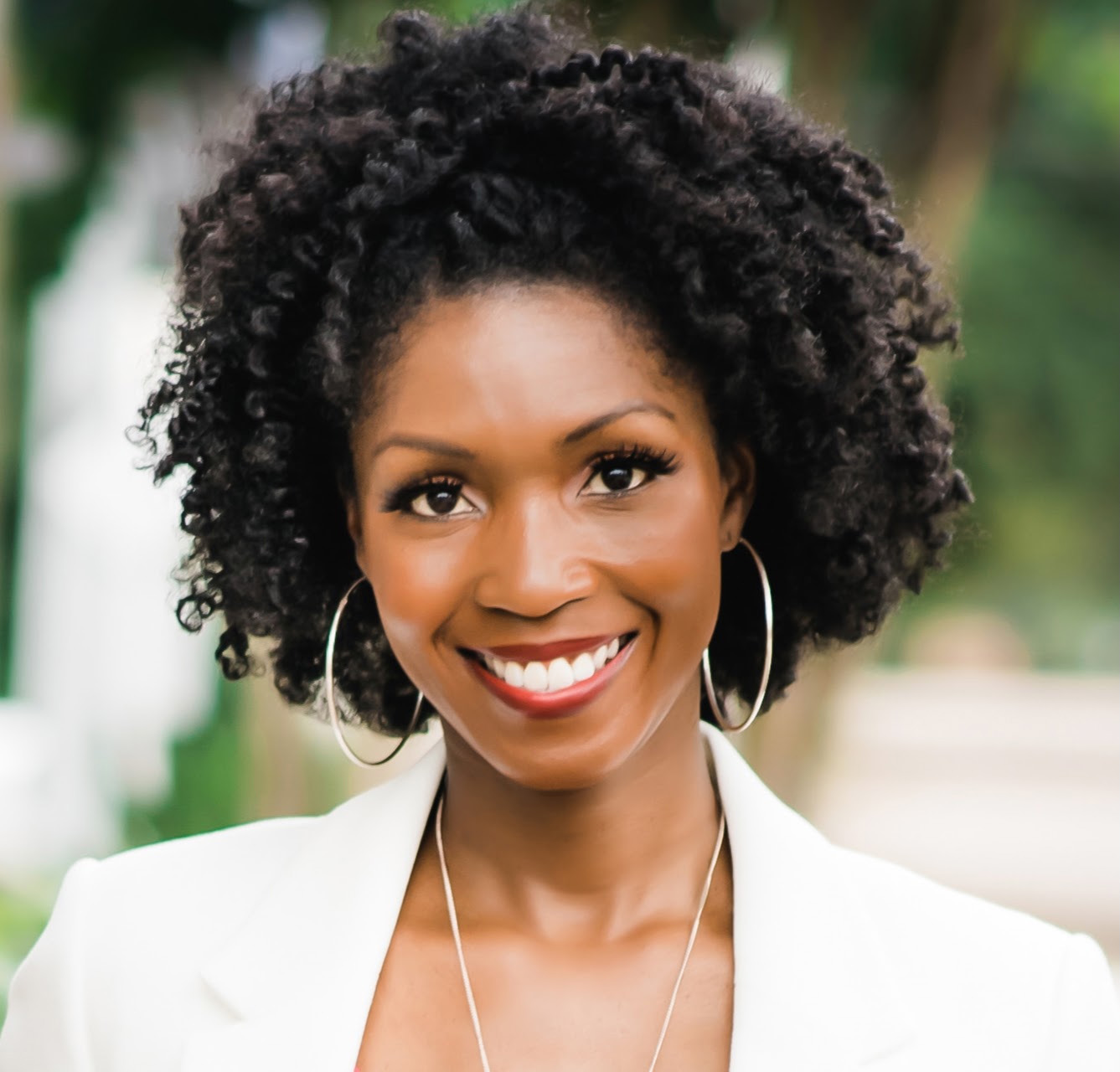
Walker was a professor of psychology and a behavioral scientist at the University of Houston when she came to URochester to discuss the mental health challenges facing Black people. Author of The Unapologetic Guide to Black Mental Health, she joined the faculty at Wayne State University in Detroit in 2024.
“Every hero story has some person who needed to figure out who they were. Once they did, they were unstoppable.”
Ibram X. Kendi (2021)
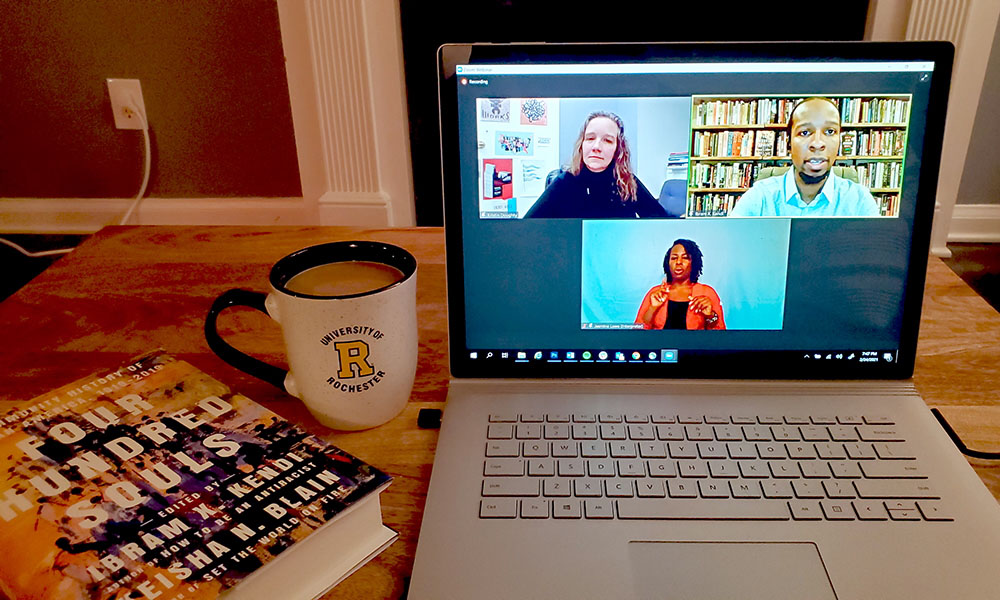
The author and antiracist activist was named one of Time magazine’s 100 most influential people of 2020. On February 24, 2021, he spoke via Zoom to a virtual audience of nearly 3,000 due to the COVID-19 pandemic.
“The very heartbeat of racism is denial. When people say they’re not racist, they’re sharing the words that white supremacists use.”
Eddie Glaude Jr. (2020)
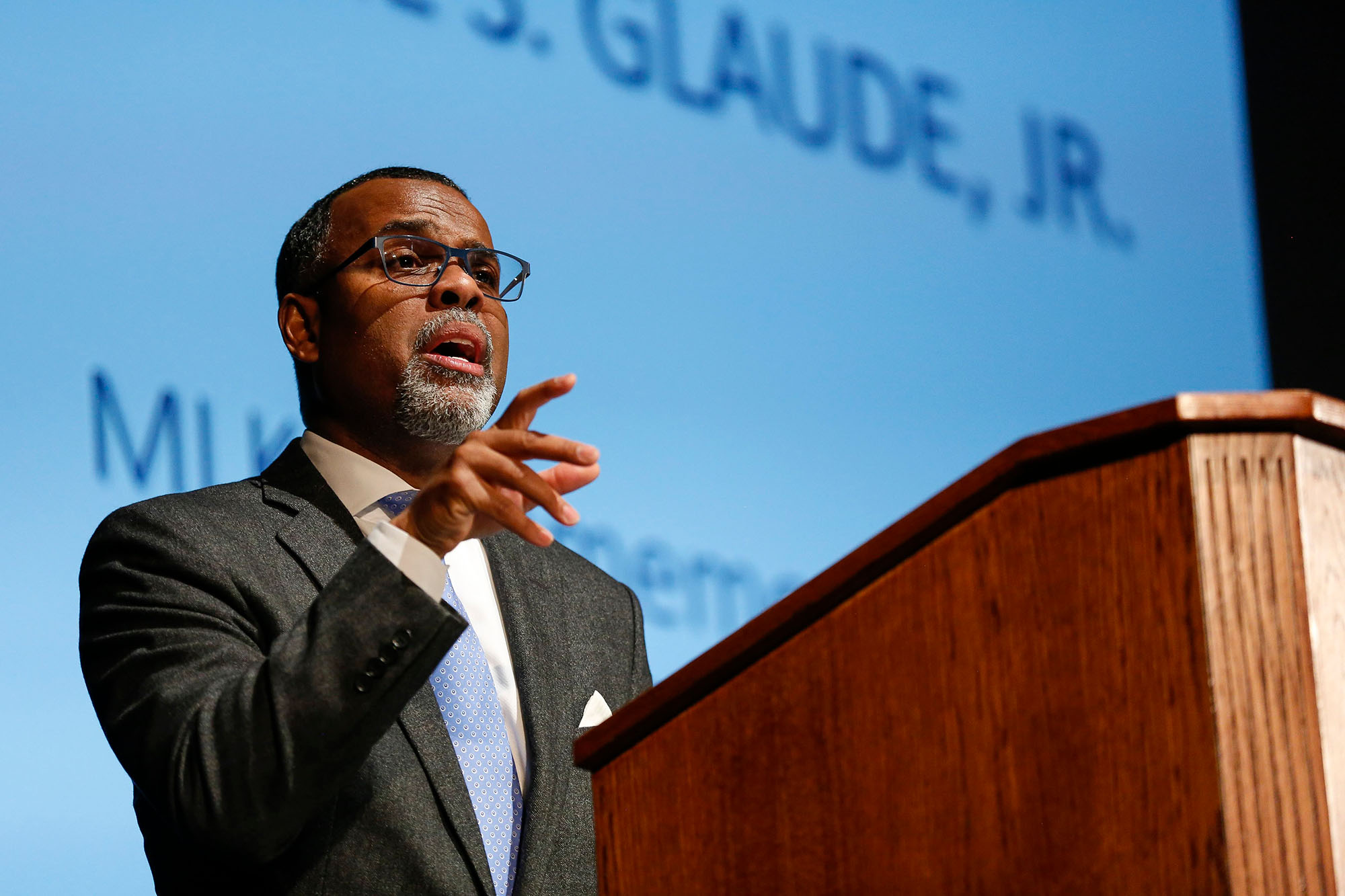
A professor in African American studies and religion at Princeton University, Glaude has written essays for the New York Times, Huffington Post, and Time magazine.
“In so many ways, today feels like we’re fighting not so much old battles but old ghosts that can continue to haunt.”
Symone Sanders-Townsend (2019)
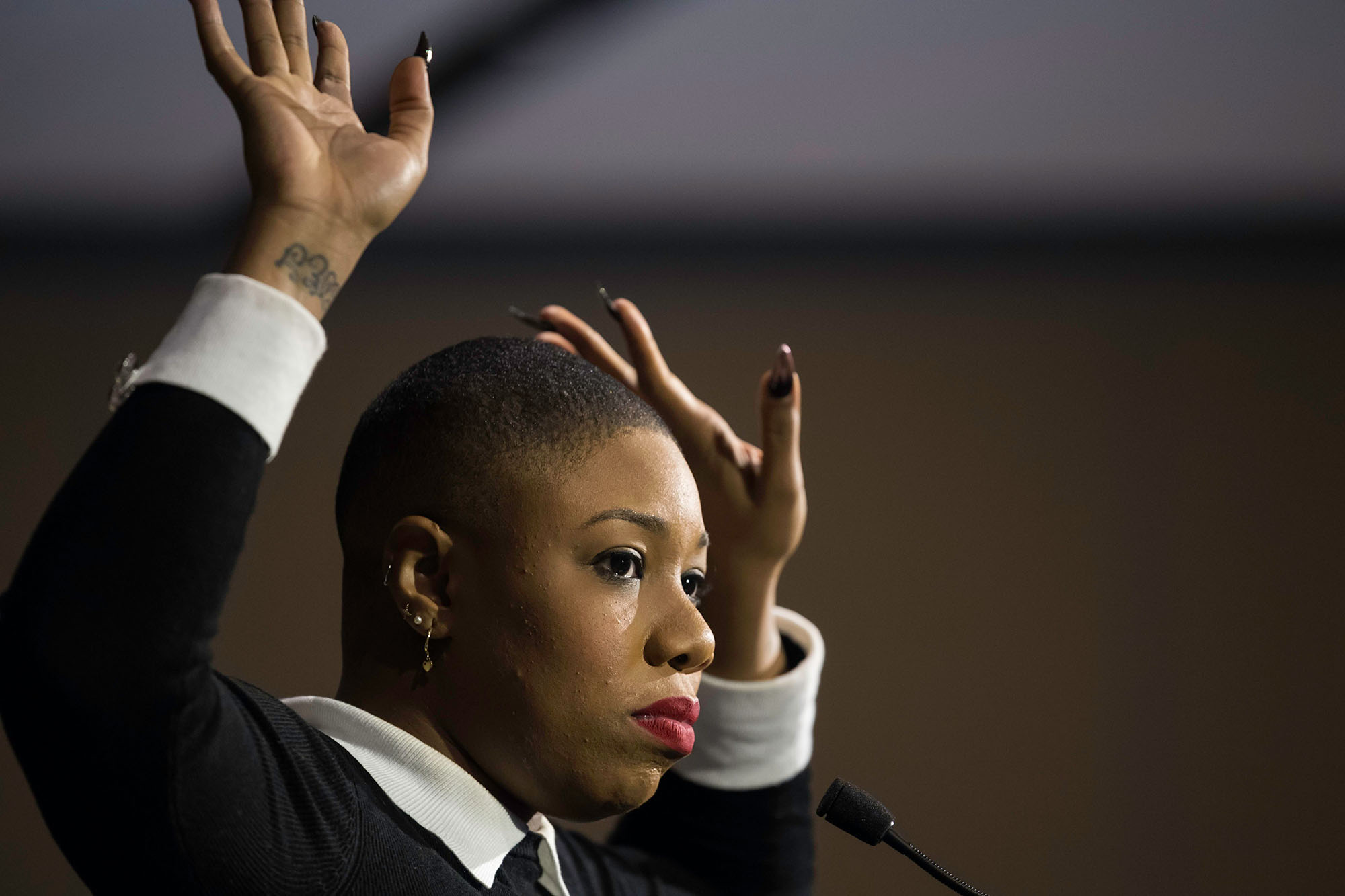
The former national press secretary for Bernie Sanders during his 2016 presidential campaign was a senior advisor for Joe Biden’s presidential campaign when she came to URochester. She went on to co-host the political news program The Weeknight on what is now MS Now.
“Dr. King’s entire life was about bucking the status quo. You can’t do the work needed to move the needle in our community if you’re not willing to buck the status quo.”
Maria Hinojosa (2018)
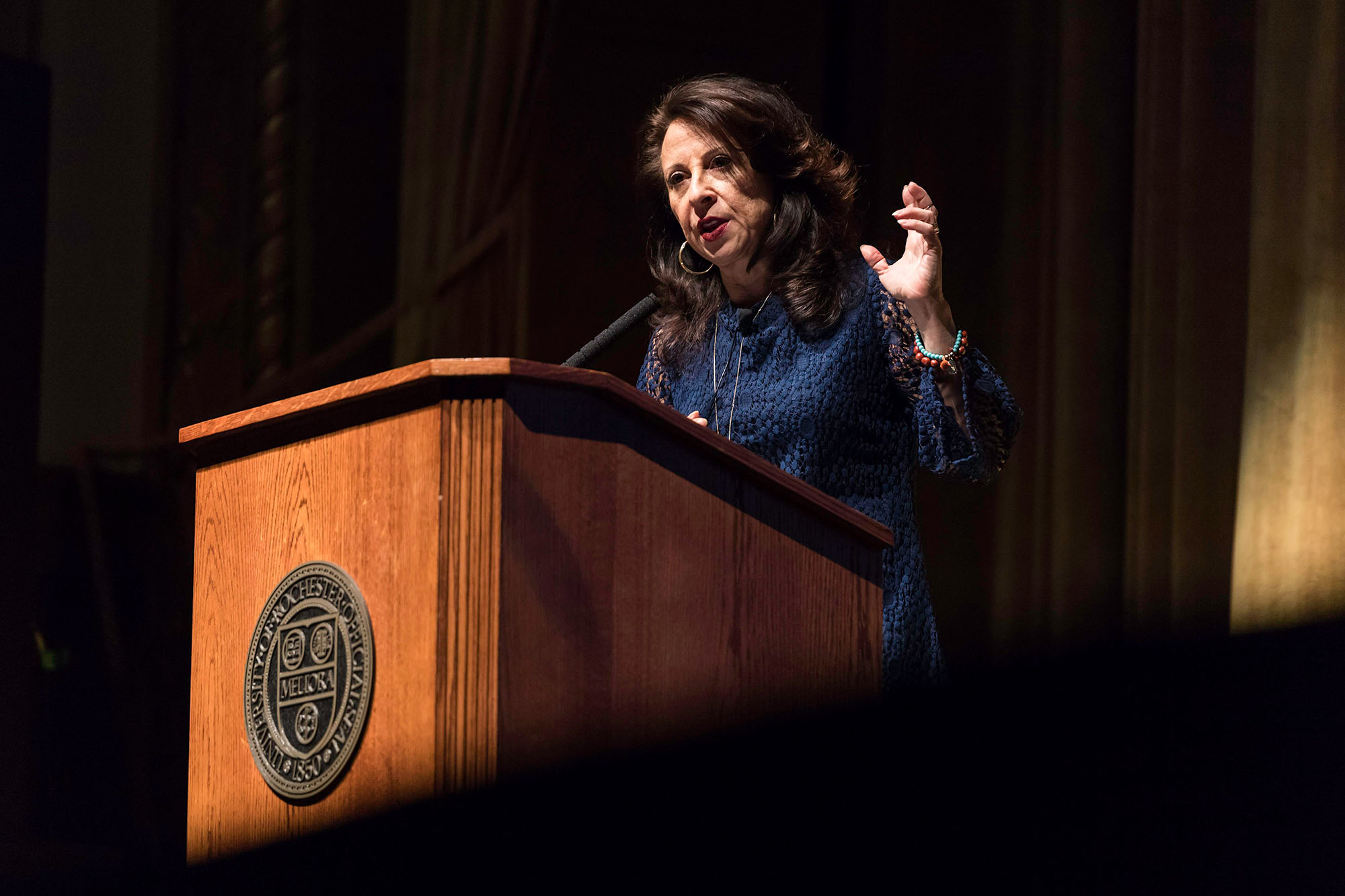
The investigative journalist has been the host and executive producer of Latino USA, a National Public Radio show devoted to Latino issues, since 1992. In 2022, Hinojosa won the 2022 Pulitzer Prize in Audio Reporting for the seven-part podcast series Suave.
“We need to get beyond our comfort zones and act, because we feel afraid for our neighbors.”
Joy DeGruy (2017)
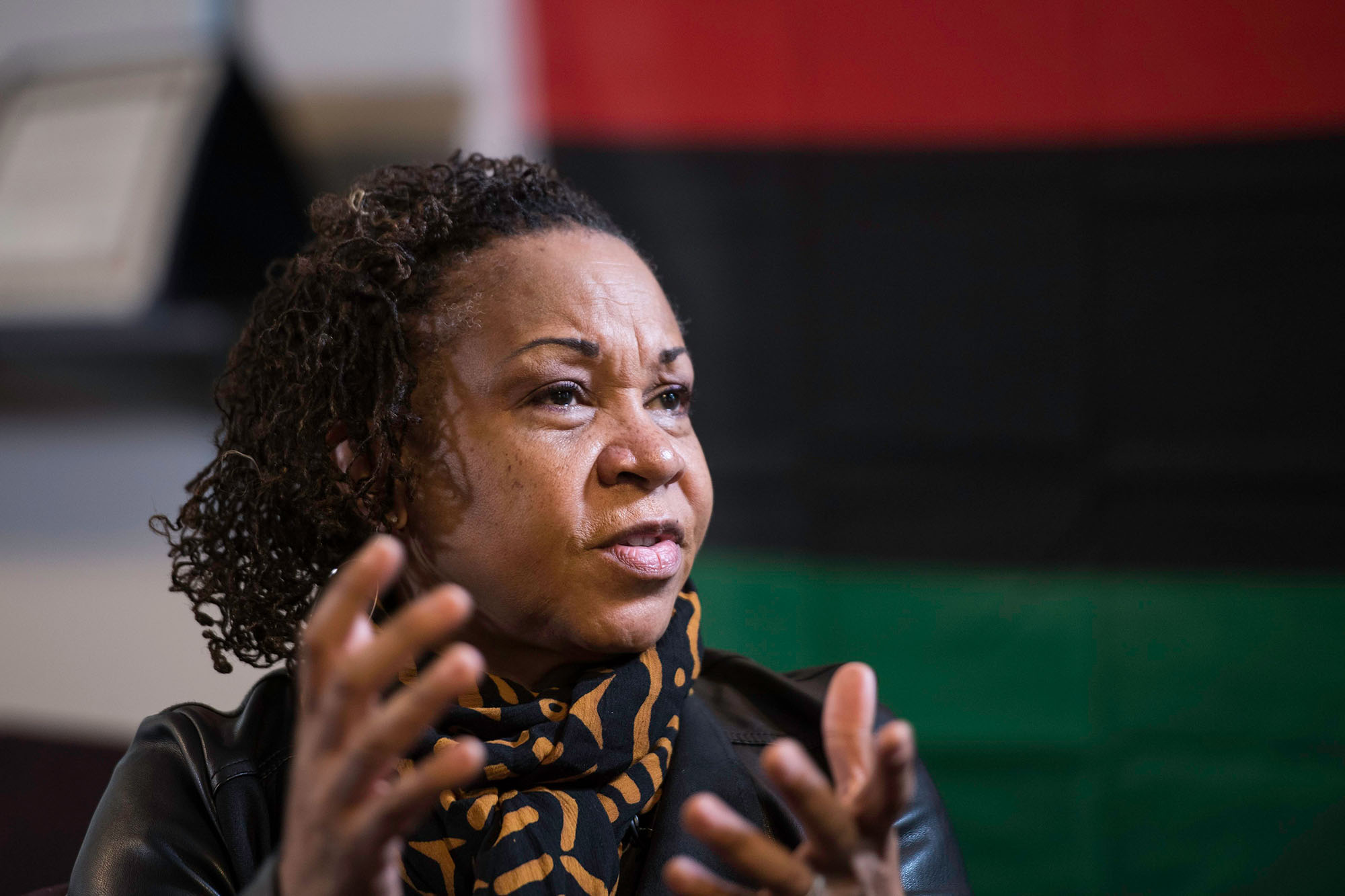
A longtime professor with more than 30 years’ experience in the field of social work, DeGruy is the author of Post Traumatic Slave Syndrome: America’s Legacy of Enduring Injury and Healing.
“We need to heal. If we do not heal, we doom future generations.”
Marc Morial (2016)
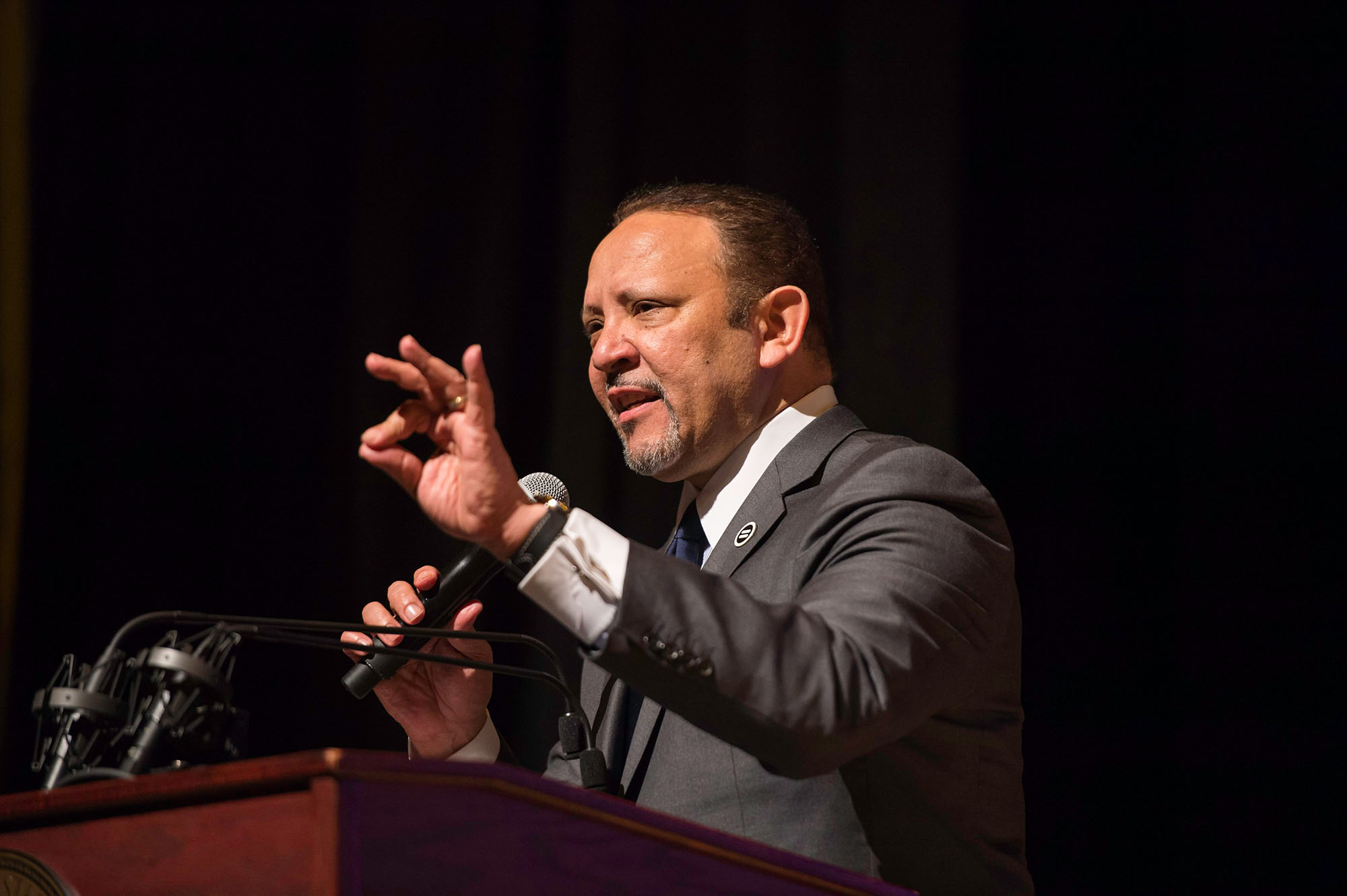
The president of the National Urban League since 2003 and the mayor of New Orleans from 1994 to 2002, Morial was named one of the 100 most influential Black Americans by Ebony magazine.
“Every generation has a responsibility, and a mission, to improve things”
Khalil Gibran Muhammad (2015)
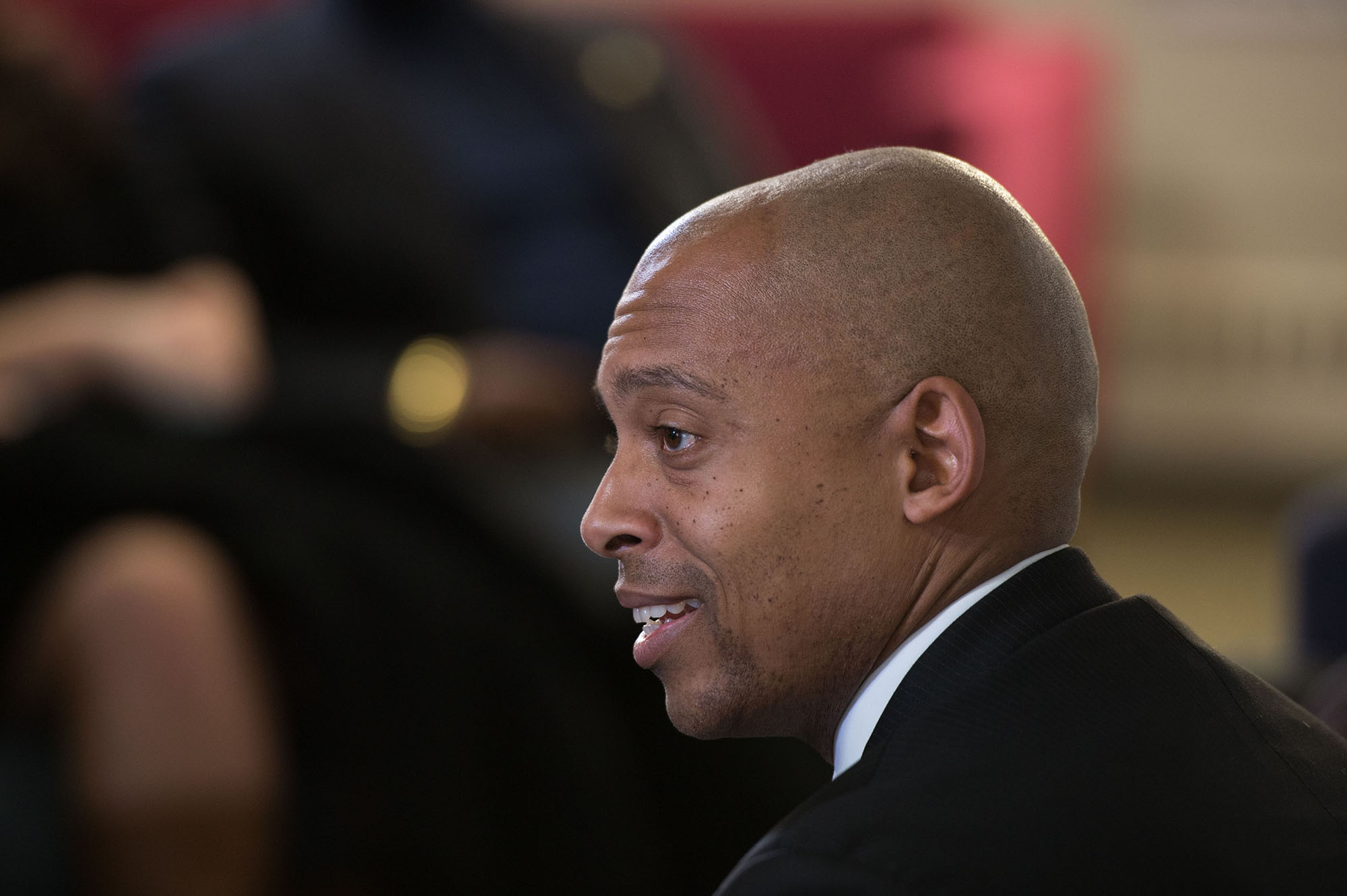
Muhammad was executive director of the Schomburg Center for Research in Black Culture when he delivered his address. After years of teaching at Harvard, he joined Princeton University’s African American Studies department in 2024.
“The hard work of social change is in the everyday waking up to move the needle just a little bit further.”
Benjamin Jealous (2014)
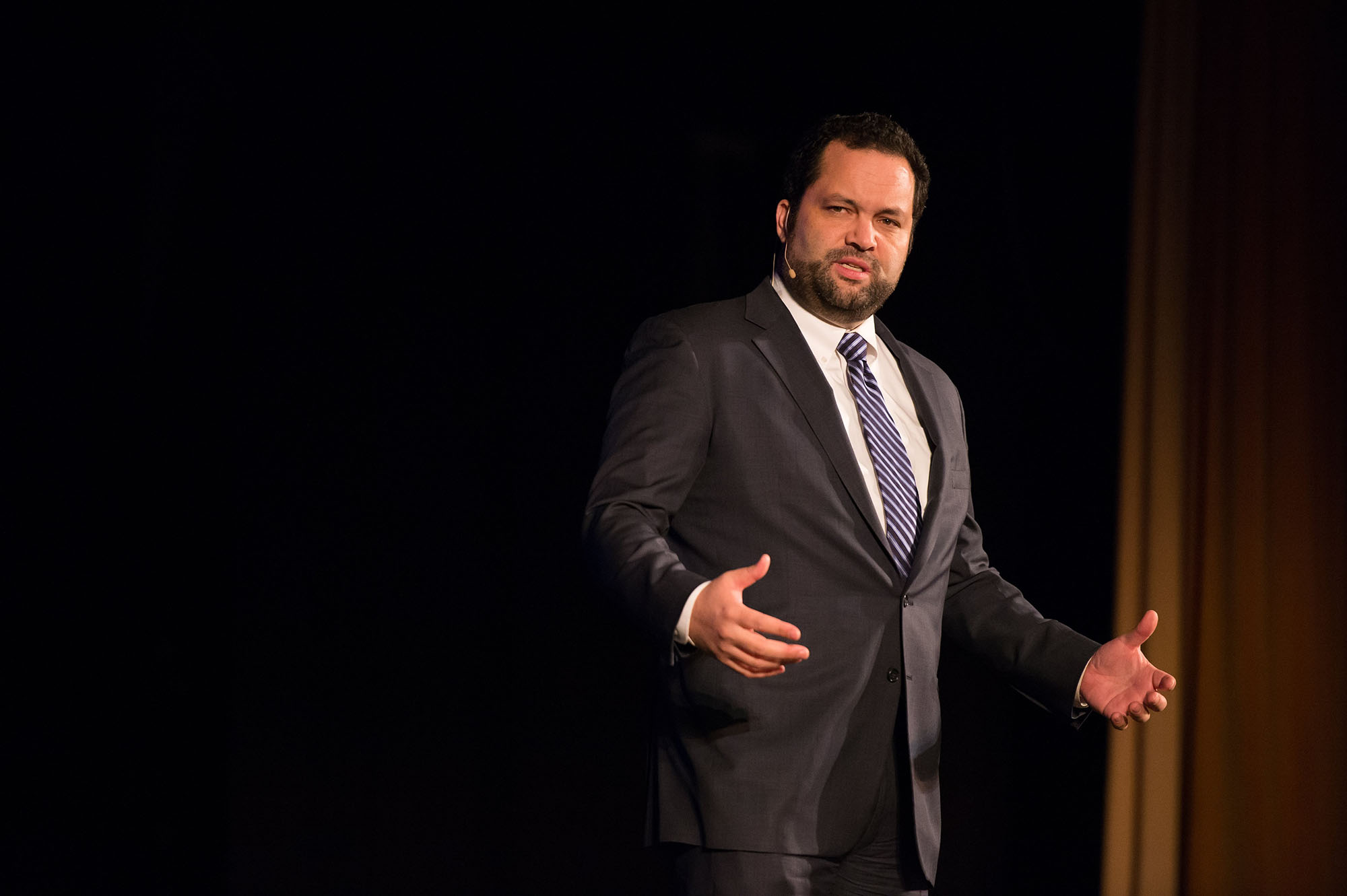
Jealous began his civil rights career at 18 and ran for governor of Maryland in 2018. He was the youngest NAACP president in history, starting in 2008 at age 35.
“I don’t believe in fighting the good fight. I believe in winning the good fight.”
Melissa Harris-Perry (2013)
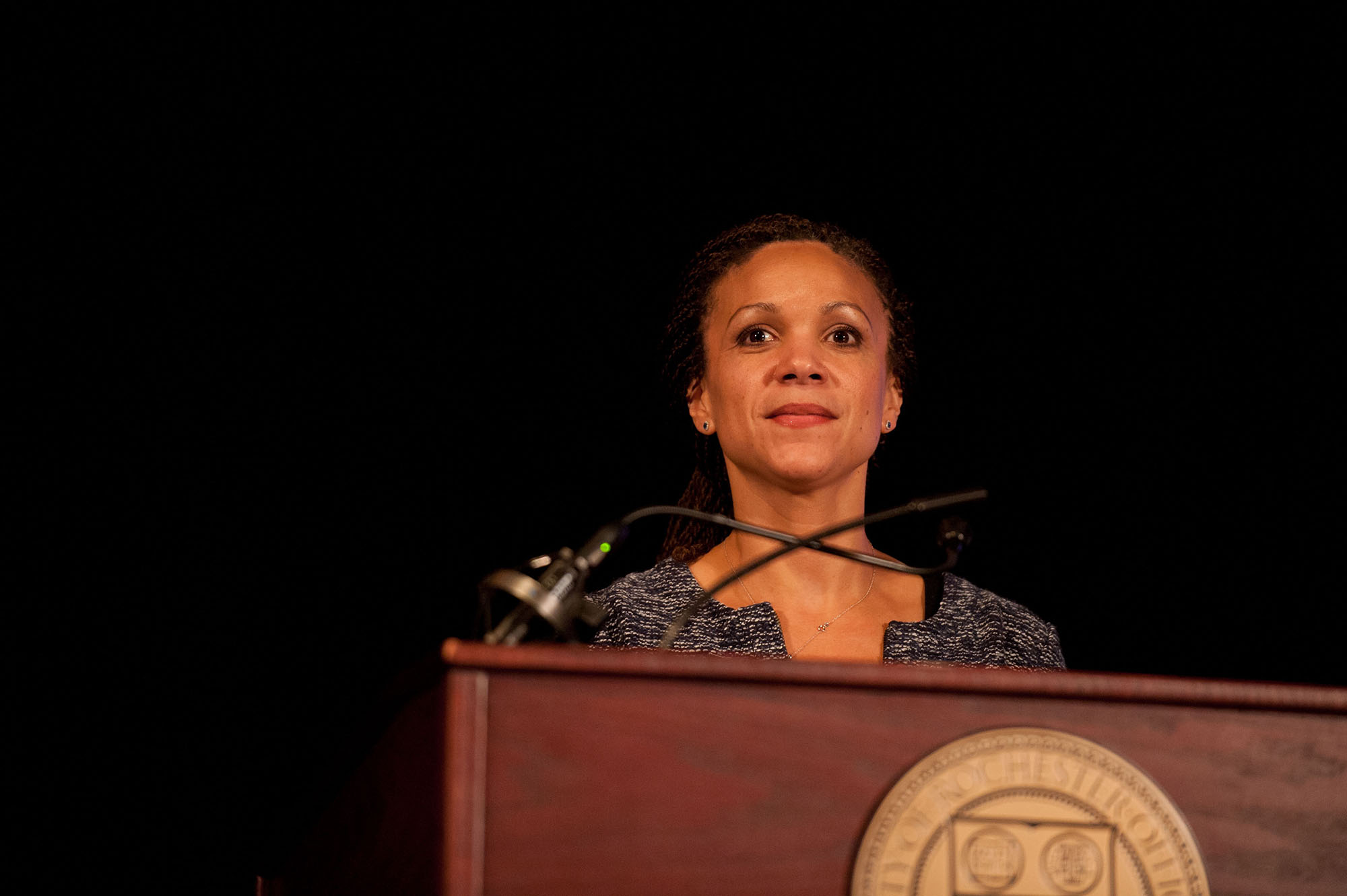
Harris-Perry is a political analyst, scholar, and professor of political science at Wake Forest University. At the time of her speech, she also hosted her own current affairs program on MSNBC (now MS NOW).
“The legacy of King is a reminder that when we live in a democracy, we have a right to govern, and not just be governed.”
Alvin F. Poussaint (2011)
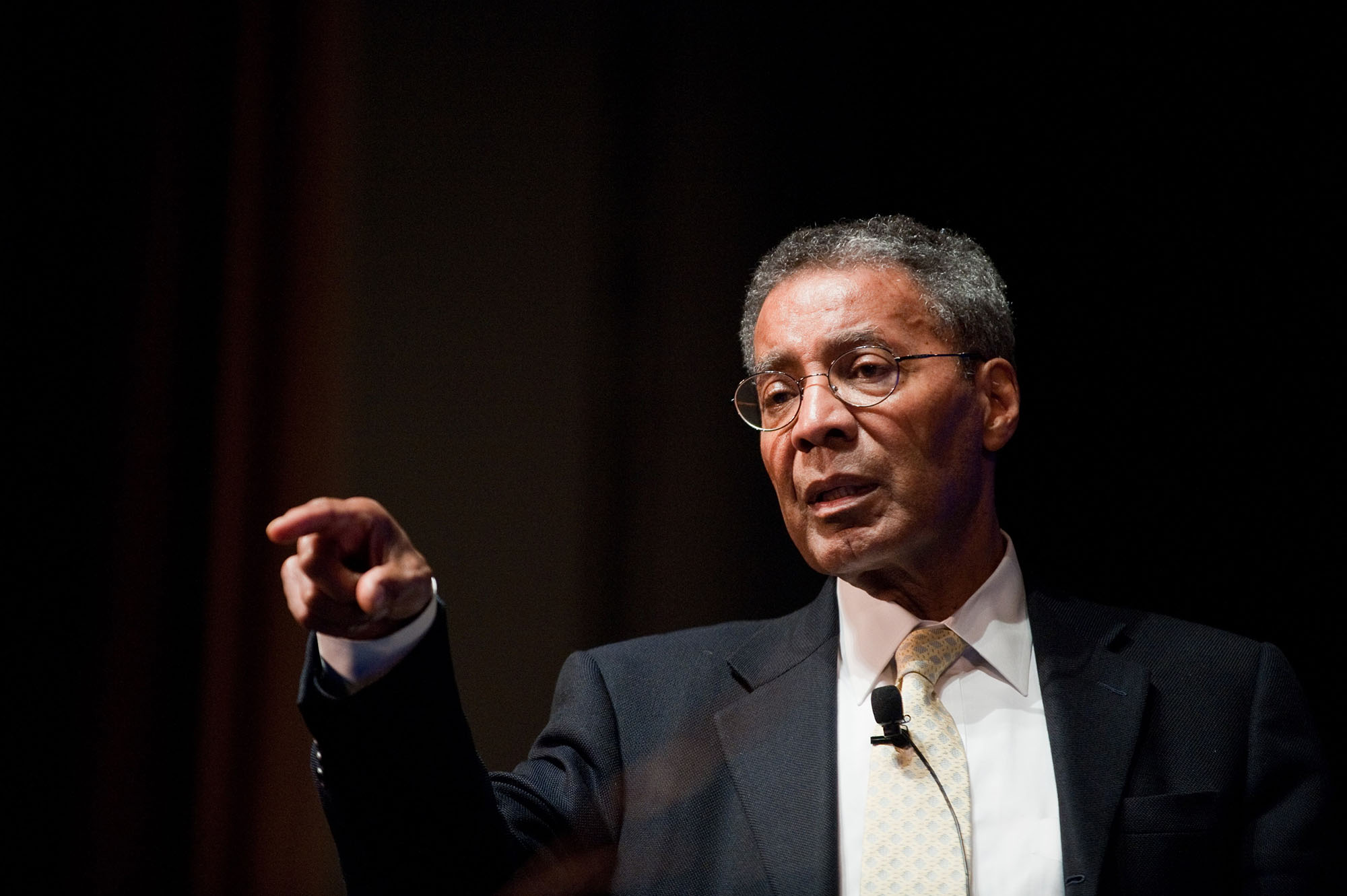
A Harvard University professor of psychiatry and a noted author, Poussaint focused his work on the mental health of Black people. He served as a script consultant to both The Cosby Show and A Different World. Poussaint died in 2025 at age 90.
“Until the Black consciousness movement, ‘Black’ was a derogatory word.”
Joseph Lowery (2010)
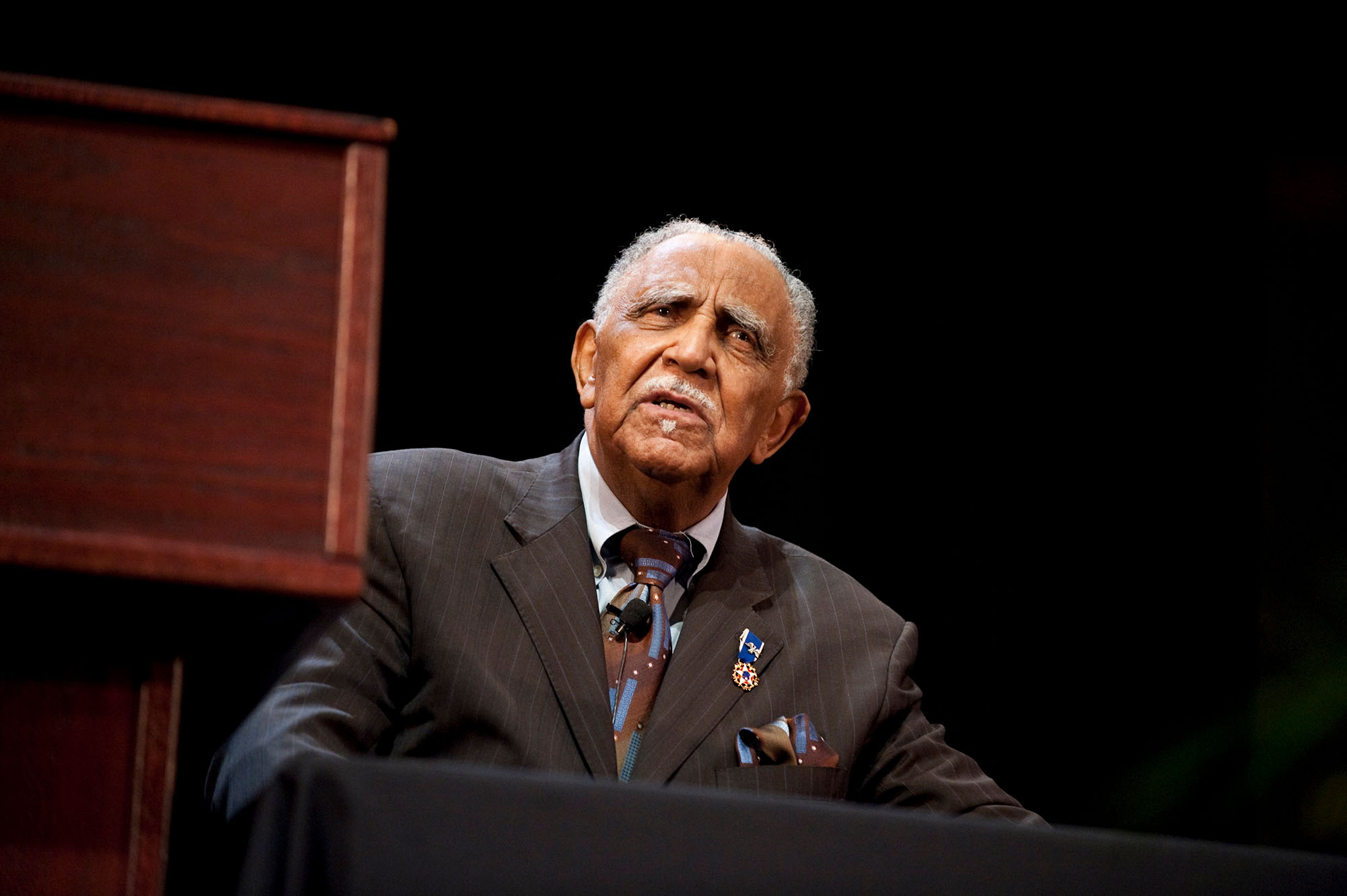
Lowery worked the front lines of the civil rights movement in the 1950s alongside King and Rosa Parks. He founded the Southern Christian Leadership Conference with King and others and received the Presidential Medal of Freedom in 2009. He died in 2020 at 98.
“We must not stop with honoring the man, we must honor the mission as well.”
Nikki Giovanni (2009)
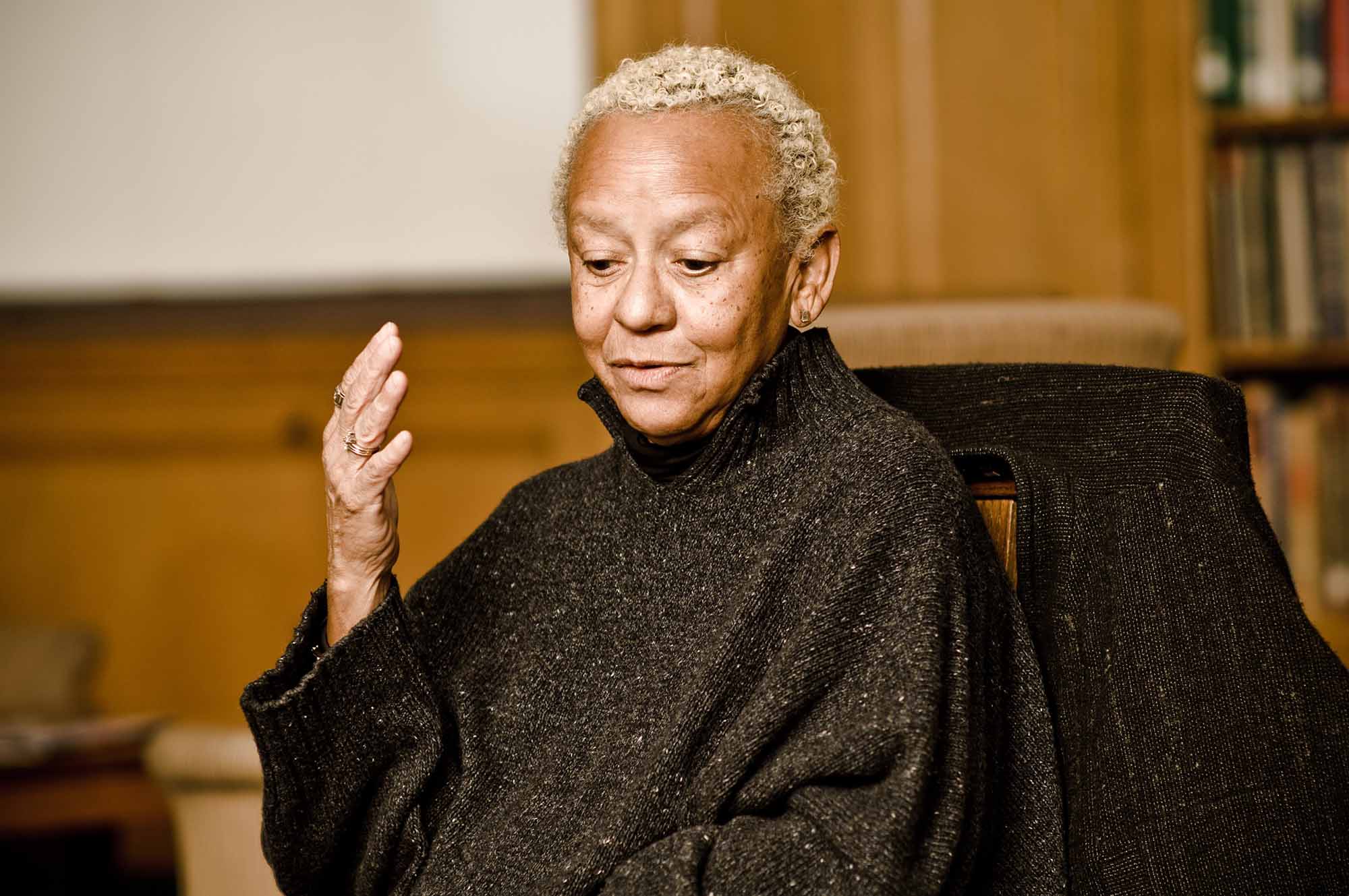
One of the world’s best-known Black poets—referred to as the “Princess of Black Poetry”—Giovanni has written more than 30 books and was an English professor at Virginia Tech before retiring in 2022.
“Without the Pullman Porters, the Civil Rights Movement would not have been financed.”
Andrew Young (2008)
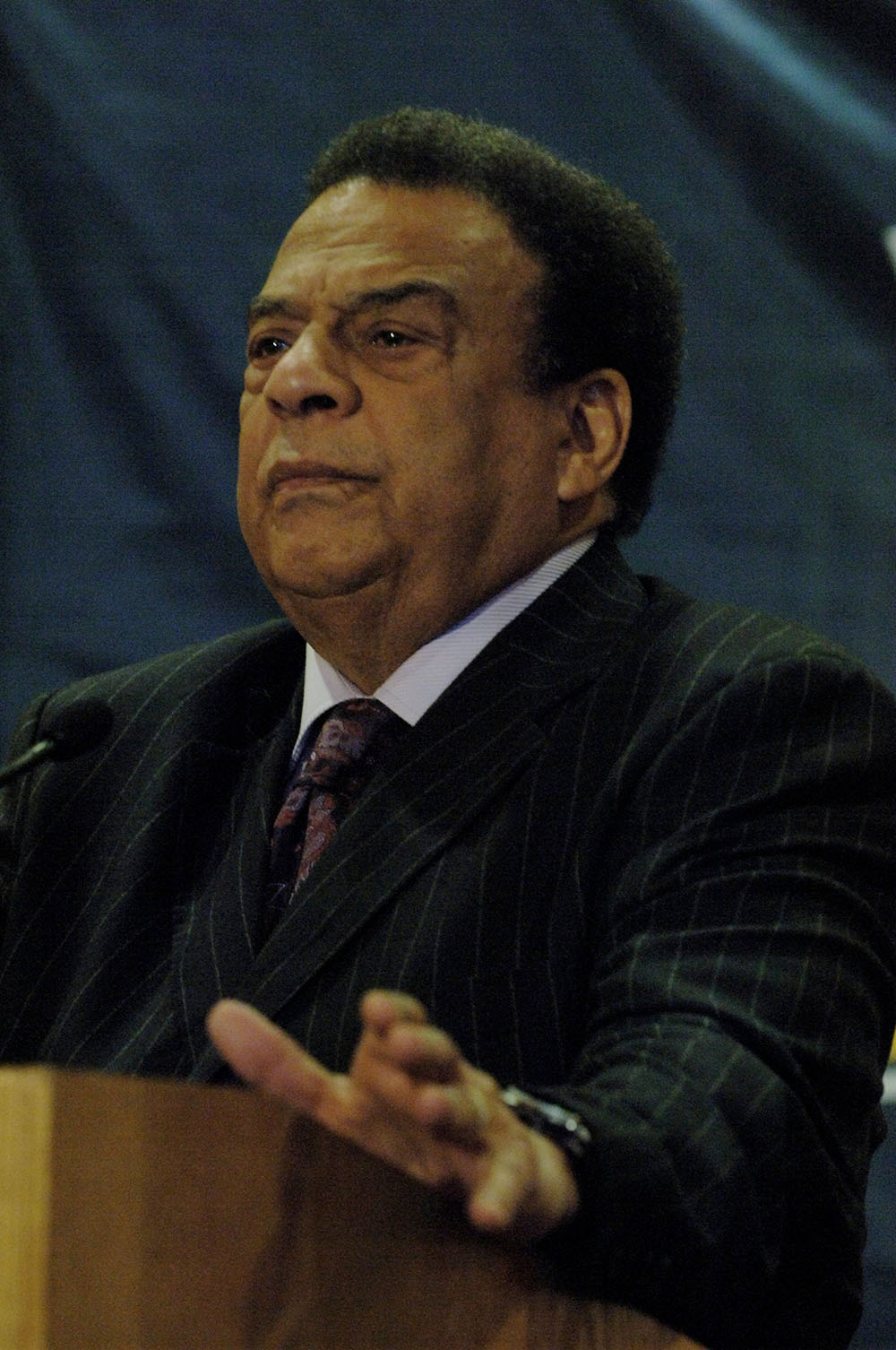
The former Atlanta mayor and US ambassador to the United Nations was a top aide to King and is a recipient of the Presidential Medal of Freedom.
“The direction Dr. King’s life took was not a fun path. It was not a glorious path. It was a necessary path.”
Jesse Jackson (2007)
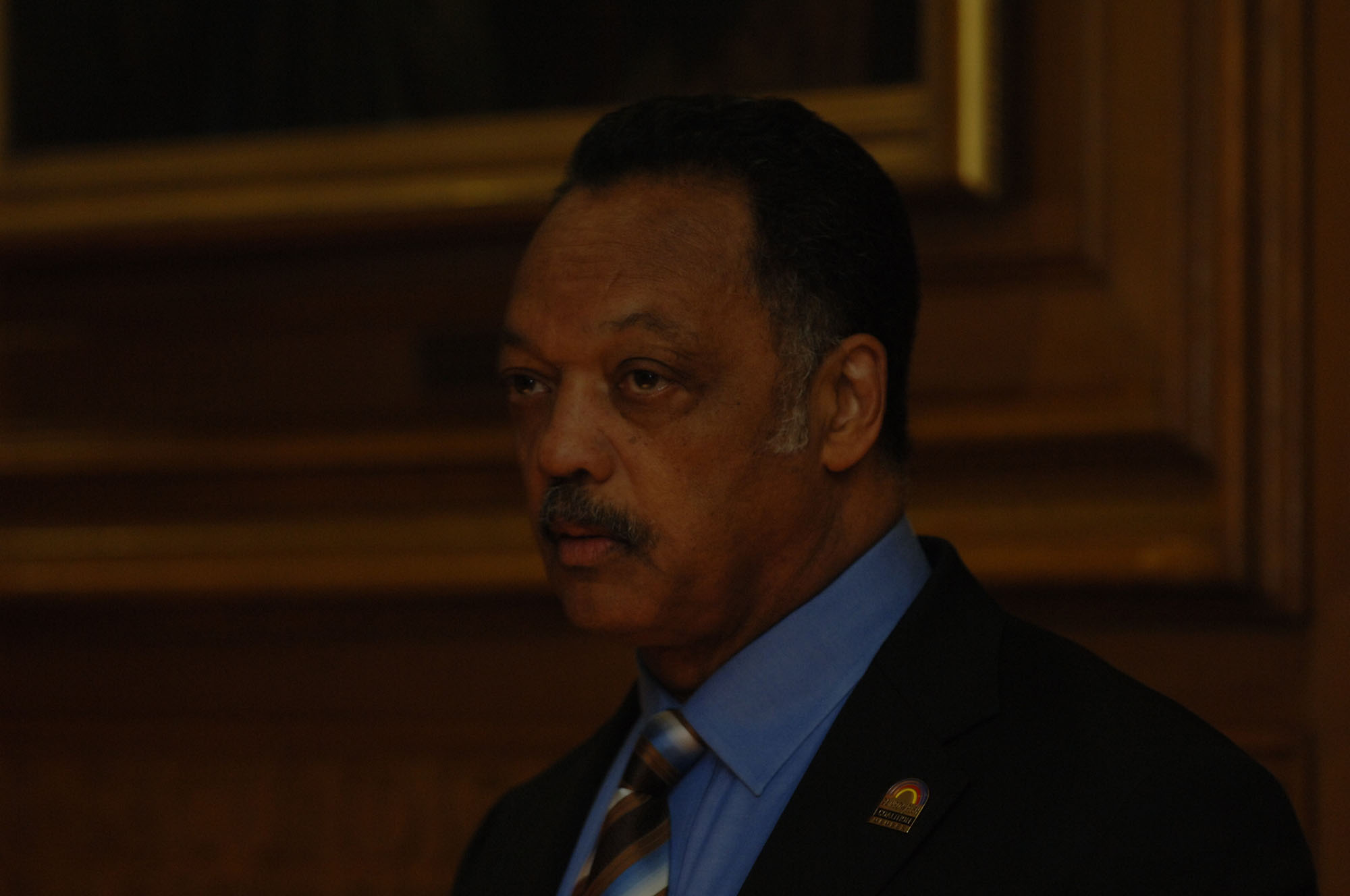
Jackson worked with King during the tumultuous civil rights period of the 20th century. A minister, politician, and activist, he has expanded his work across international lines to foster social justice issues.
“Injustice anywhere is a threat to justice everywhere.”
Martin Luther King III (2006)
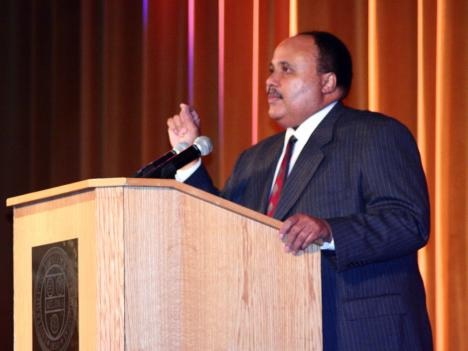
The eldest son of Dr. Martin Luther King Jr. is an American human rights advocate and community activist. Since 2024, he has been a professor of practice with the University of Virginia’s Center for Politics.
“There comes a time to rise above the dream and get about the work of fulfilling the dream. Arise now and come forward.”
Christopher Edley Jr. (2004)
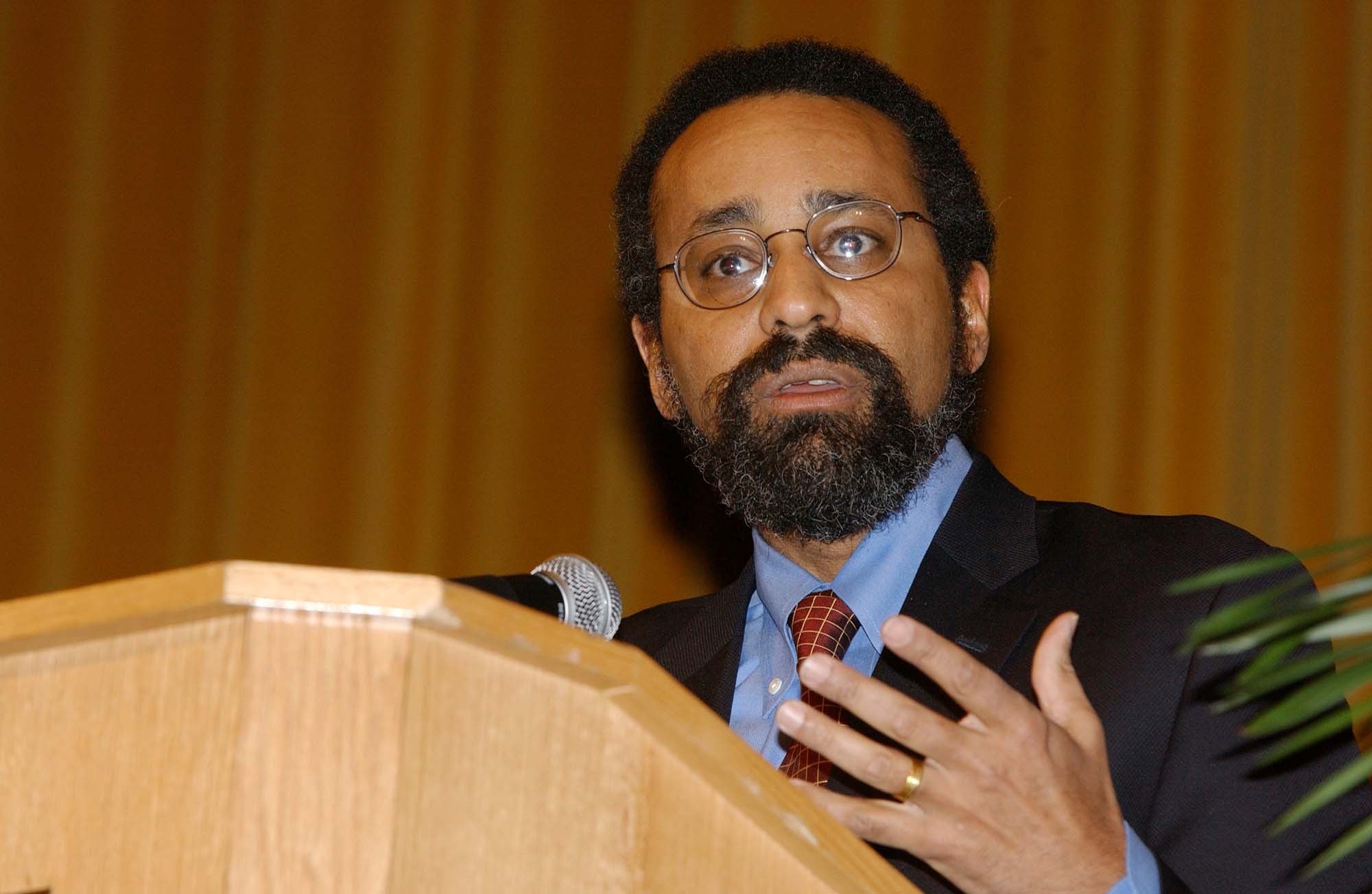
The first Black to head a major law school (University of California, Berkeley), he was a senior member of five presidential campaigns. He died in 2024 at age 71.
“Race is harder than rocket science. You’ve got to be prepared to work at it.”
Morris Dees (2003)
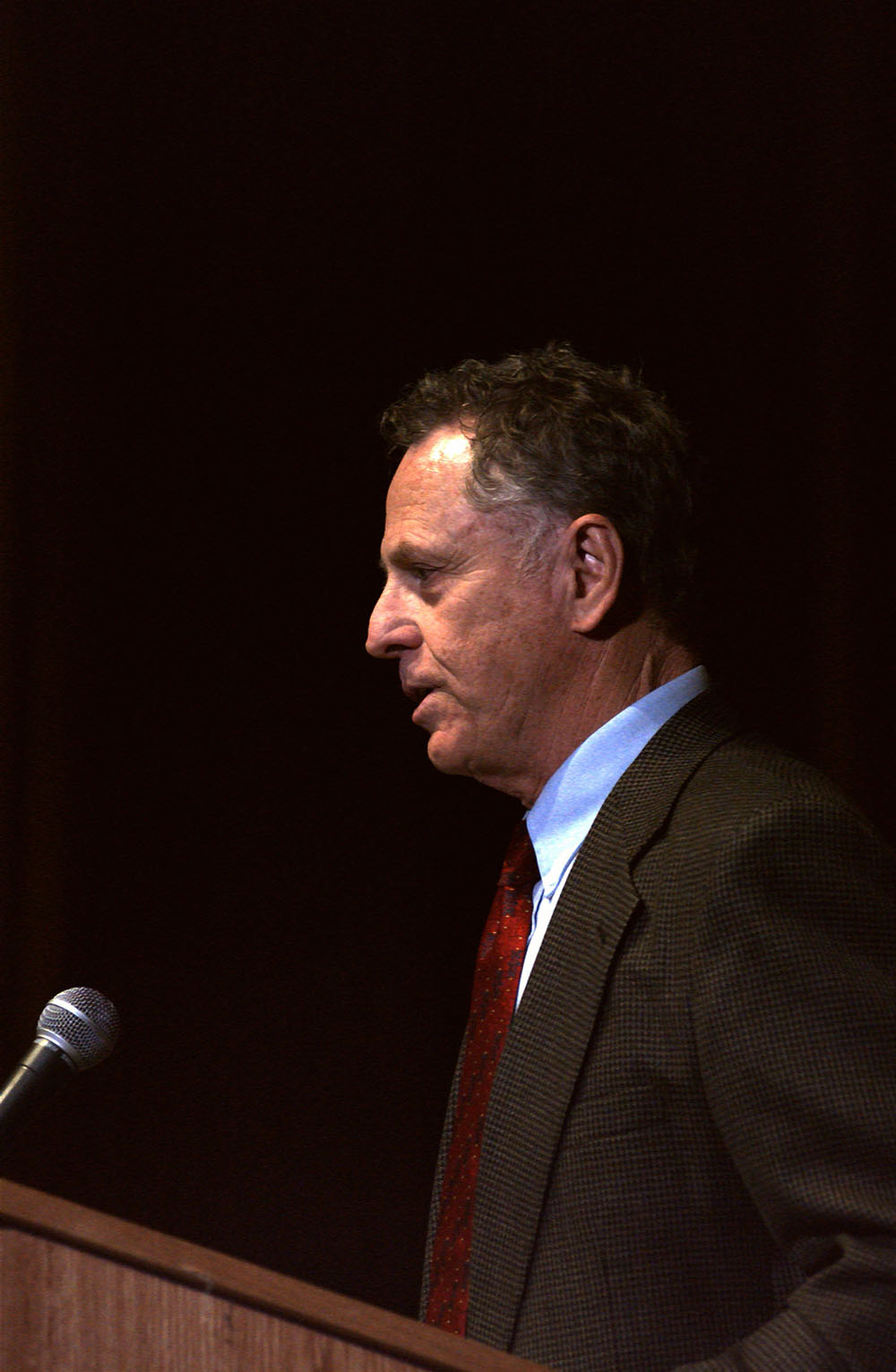
The civil rights attorney best known for his victories against white supremacist groups was co-founder and former chief trial counsel for the Southern Poverty Law Center based in Montgomery, Alabama. He was national finance director for Jimmy Carter’s 1976 presidential campaign.
“There’s a battle going on today, and it’s a battle over whose America this is.”
Mary Frances Berry (2002)
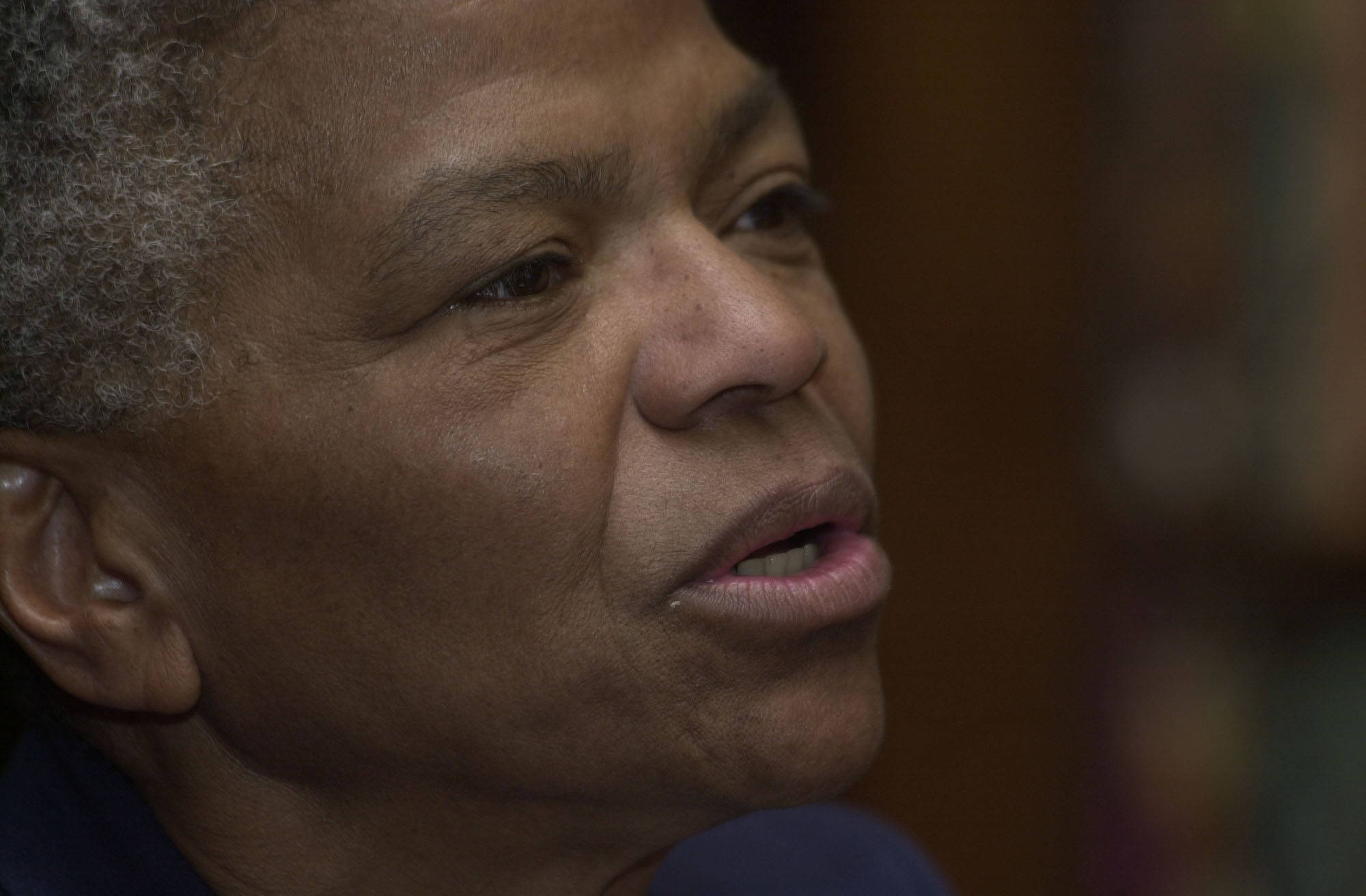
The former chairman of the US Commission on Civil Rights under President Bill Clinton, Berry was a longtime faculty member at the University of Pennsylvania and taught courses on American legal history and the role of law in social policy.
“Even as we cite gains for people of color in the worlds of entertainment, sports, and business, there are large numbers of people in this country who are still at the bottom.”
Julian Bond (2001)
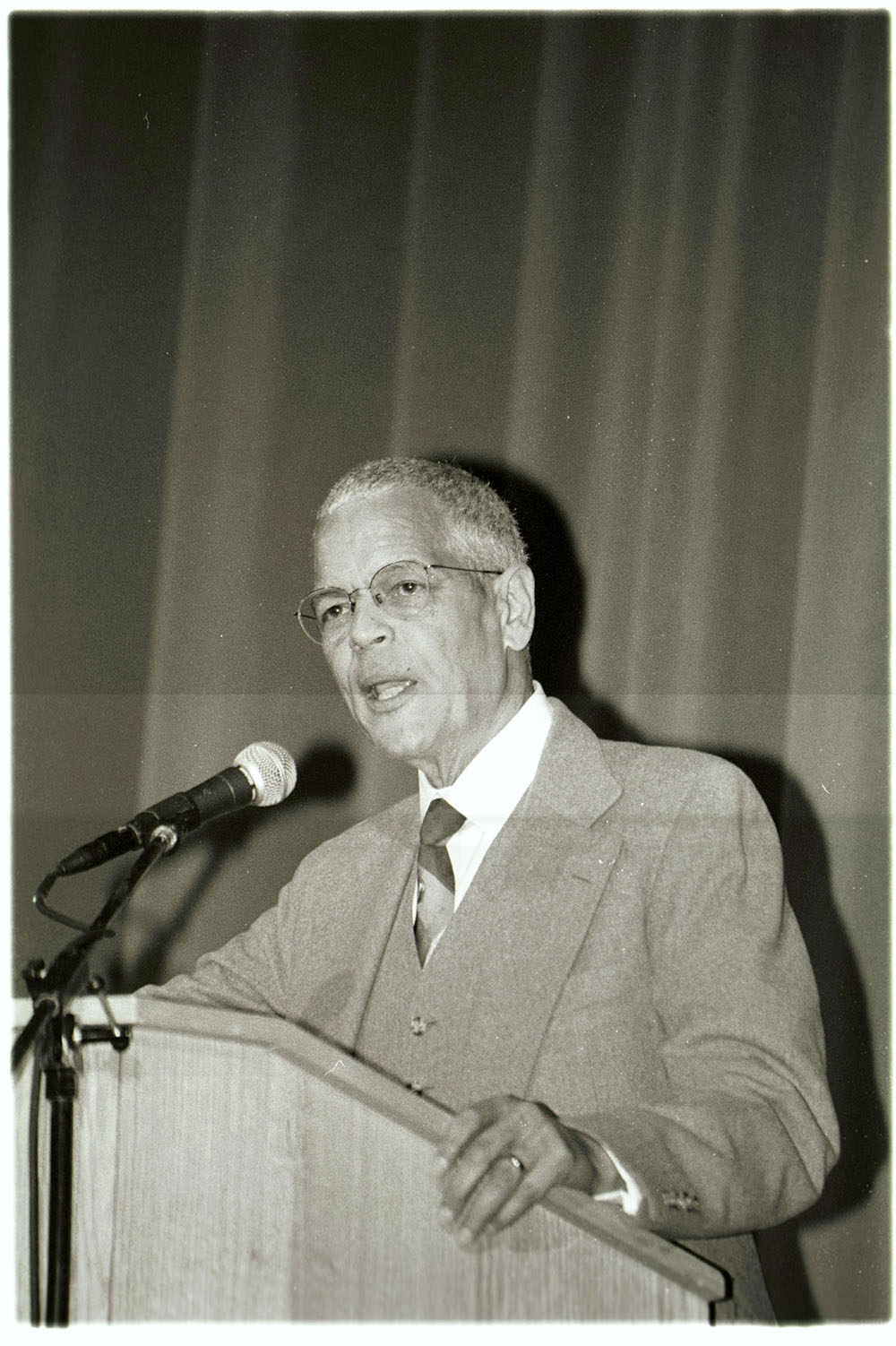
The late social activist served as chairman of the NAACP (1998–2010) and was elected to four terms in the Georgia House of Representatives.
“Martin Luther King speaks in death as he never did in life.”
Editor’s note: This story was originally published on January 17, 2020. It has been updated to include the latest information about the past speakers through 2026.