
A Q&A with Josh Farrelman, the vice president for government relations, digs into the recent economic impact study and the value of its findings.

At the end of 2025, the University of Rochester published “Economic Engine and Community Catalyst,” a report that explores the economic and social impact URochester has on the Greater Rochester and upstate New York regions. Commissioned by the Office of Government and Community Relations, the report, created by Econsult Solutions, Inc. (ESI), used fiscal year 2024 data to quantify and articulate the University’s annualized economic footprint through its operations, academic activities, and healthcare system.
The report’s findings showed URochester is far more than a provider of education. In short, the University, UR Medicine, and University affiliates are, collectively, a transformative economic force, driving prosperity and innovation, attracting investment, and creating opportunities for residents and industries across the region and the state.
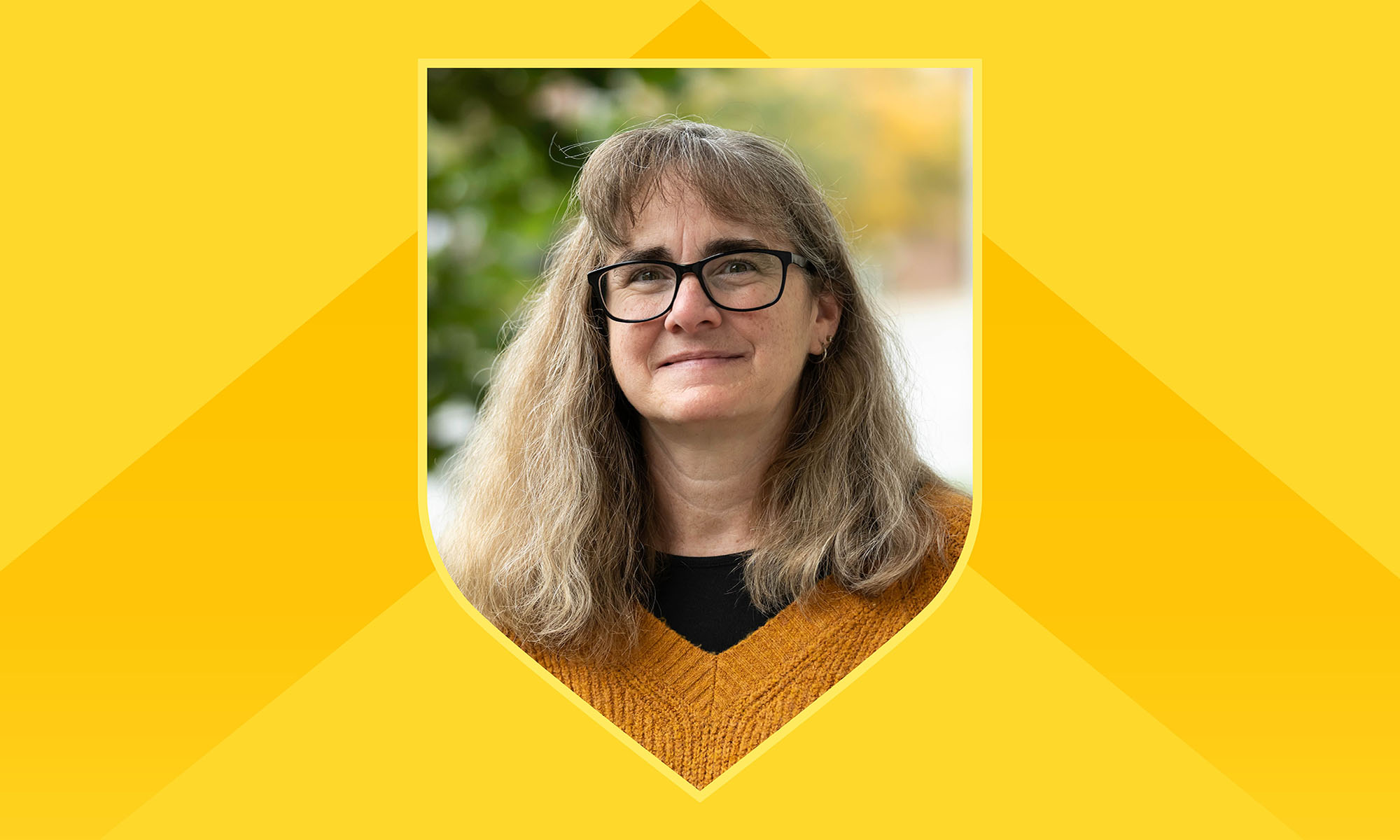
Josh Farrelman, the vice president for government relations, provided context and answered questions that URochester community members might have about the report.
Q&A with Josh Farrelman
Why does the University commission reports like this?
Farrelman: The economic impact study we commissioned is a way we can validate the decisions of policymakers, community members, and donors by more clearly demonstrating the return on their investments and, more generally, our public value. It also helps us articulate how investment in higher education, healthcare, research, and arts and culture is safeguarding our region’s and state’s economic future and their residents’ quality of life.
Taxpayer dollars and philanthropic contributions enable and enhance our ability to successfully educate the next generation of leaders, provide care for chronic illness and complex disease, discover new technologies, enrich our culture through the arts, and strengthen our national and economic security. We deeply appreciate the funding we receive and take our stewardship of these funds very seriously because they are vital to our mission.
What can you tell us about this specific report?
Farrelman: This was our first time working with ESI. They have worked with a number of peer institutions and brought a level of analysis that we didn’t have previously. One thing that excited me more about this report than previous reports is that it allowed us to gauge our estimated impact at different levels and quantify the University’s growing footprint statewide and even at a national level. For example, the study showed we’re a powerful economic development engine in the Finger Lakes region. Given our regional footprint, particularly due to our hospital affiliates, this was important. That’s also true statewide, with an estimated 66,700 jobs (1 in every 126) in New York being directly and indirectly supported by URochester.
Additionally, it was important that we could do some micro-targeting, specifically on our impact within the City of Rochester.
Were there any other notable aspects of the report?
Farrelman: I really am glad we were able to dig deeply into the research enterprise. At a time when federal research is being cut and undervalued, we wanted to highlight our robust innovation ecosystem and its positive impact—within New York State, the research enterprise had an almost $1 billion impact and generated almost $20 million in tax revenue.
The findings highlight our ability to attract research funding and top talent and how valuable that is to our community and state. Both enhance our ability to drive discovery, develop technology, inspire the creation of new companies, enter industry partnerships, lead economic development initiatives, and be a destination employer.
Another element of the report that was new to us was the ability to estimate alumni “wage premiums”—how much more they earn over the course of the year than those with only a high school diploma. Within the City of Rochester, alumni, cumulatively, earn $218 million more each year. That number jumps to $338 million when you’re looking at all of Monroe County. Looking at the Finger Lakes and Southern Tier Regions, the premium is $161 million, and statewide, it’s $1 billion.
Is there anything about the report you think will surprise readers?
Farrelman: I think the wage benefits our alumni enjoy in our community and throughout the state will be the most surprising. These figures are significant because when those earnings are spent or taxed, they support their respective economies. Within our state, the additional spending generated an estimated $785 million in annual economic activity and around $50 million in tax dollar support.
Not only do these figures help us articulate the value of a degree, but they also shine a light on how communities and states benefit from our alumni.
I also want to emphasize the University’s strong and growing commitment to our community. Our impact in this space is also hard to measure, but the report highlights everything from the direct annual support we provide to the indirect roles we play to support economic, workforce, and community-building activities. Our community members see this play out in the form of hundreds of free concerts offered by Eastman School of Music, a commitment to increased accessibility to the Memorial Art Gallery, and more than $2 million in community health improvement services through the Medical Center.
When will the University conduct another study?
Farrelman: Since I joined the University in 2005, there have been eight economic impact reports created. I aim to commission a report every couple of years; this one was delayed by the COVID-19 pandemic, but we hope to return to a more regular schedule going forward. They’re a huge undertaking. The data my team and dedicated staff across the University and its affiliates need to collect has become an enormous effort as we have grown into a larger, more complex institution. Plus, it’s an effort we try to align with the University’s strategic planning process, which has a much different creation and implementation period. We aim to commission a new report in 2028–2029.