Skip to content
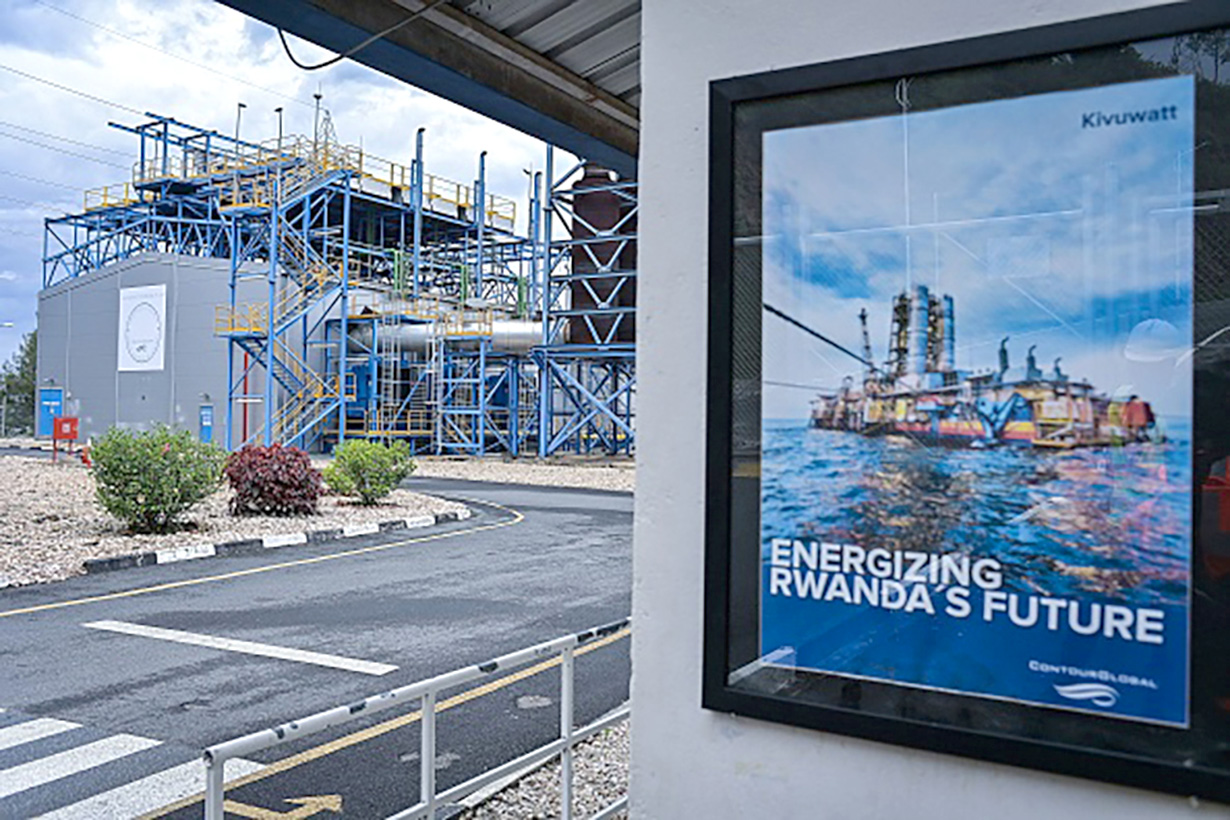
HOW TO SEE THE OTHER SIDE: Part of a pioneering energy project, a KivuWatt barge extracts methane from the depths of Rwanda’s Lake Kivu for conversion into electricity. During the project’s construction, local fishermen who depended on the lake for their livelihood saw their boats and nets confiscated and daily catches fall by as much as 95 percent. (University of Rochester graphic / Getty Images, Alamy)

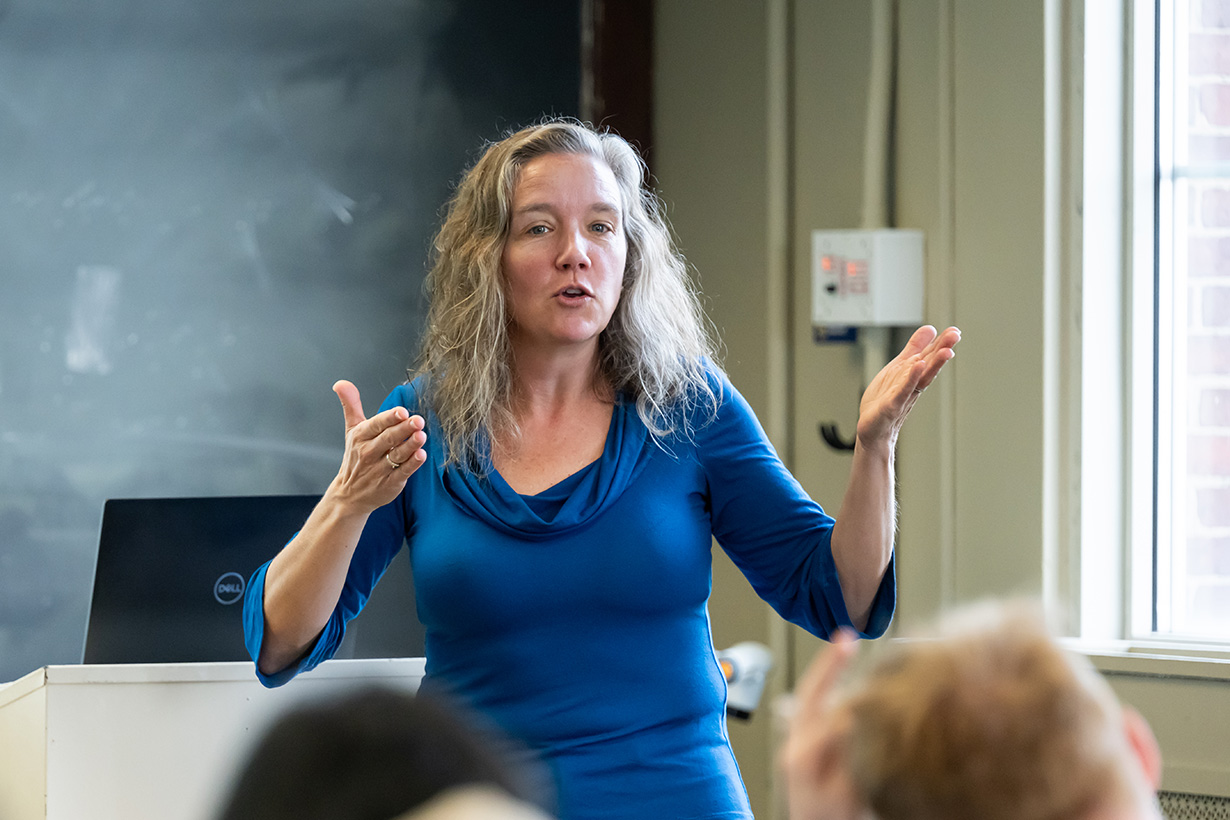
As the world is wowed by ambitious technological wonders promising peace, prosperity, and economic growth, anthropologist Kristin Doughty’s research shows how this vision of progress can be manipulated by those in power—and who bears those costs.

In 2015, the story of Lake Kivu had the makings of a classic technological triumph: a terrifying threat—and an ingenious solution. Media outlets including Nature and MIT Technology Review reported on potentially catastrophic levels of dissolved methane in the deep waters of the massive lake along the border of Rwanda and the Democratic Republic of the Congo.

In the worst-case scenario, a massive gas explosion could threaten millions of people living nearby. One article described it as a “ticking time bomb.” Then came KivuWatt. The $200 million project, backed by American companies, used a novel technology to extract methane from the lake. The process would both reduce the danger of the lake and turn the gas into much-needed electricity for Rwanda.

It was the kind of story the modern world—and Western media—loves: a daunting problem, a technological breakthrough, and the promise of a safer, more prosperous future. But to Kristin Doughty, an associate professor of anthropology who had spent nearly 15 years studying and working in Rwanda, the story seemed almost too tidy. She wanted to know what the feel-good narrative left out.

So Doughty began looking beyond the executives and government officials celebrating the project. She talked not only to scientists but also to fishermen whose catches had plummeted after they were barred from familiar waters, families that were displaced to make way for infrastructure, and communities that lost gathering places as the project expanded.

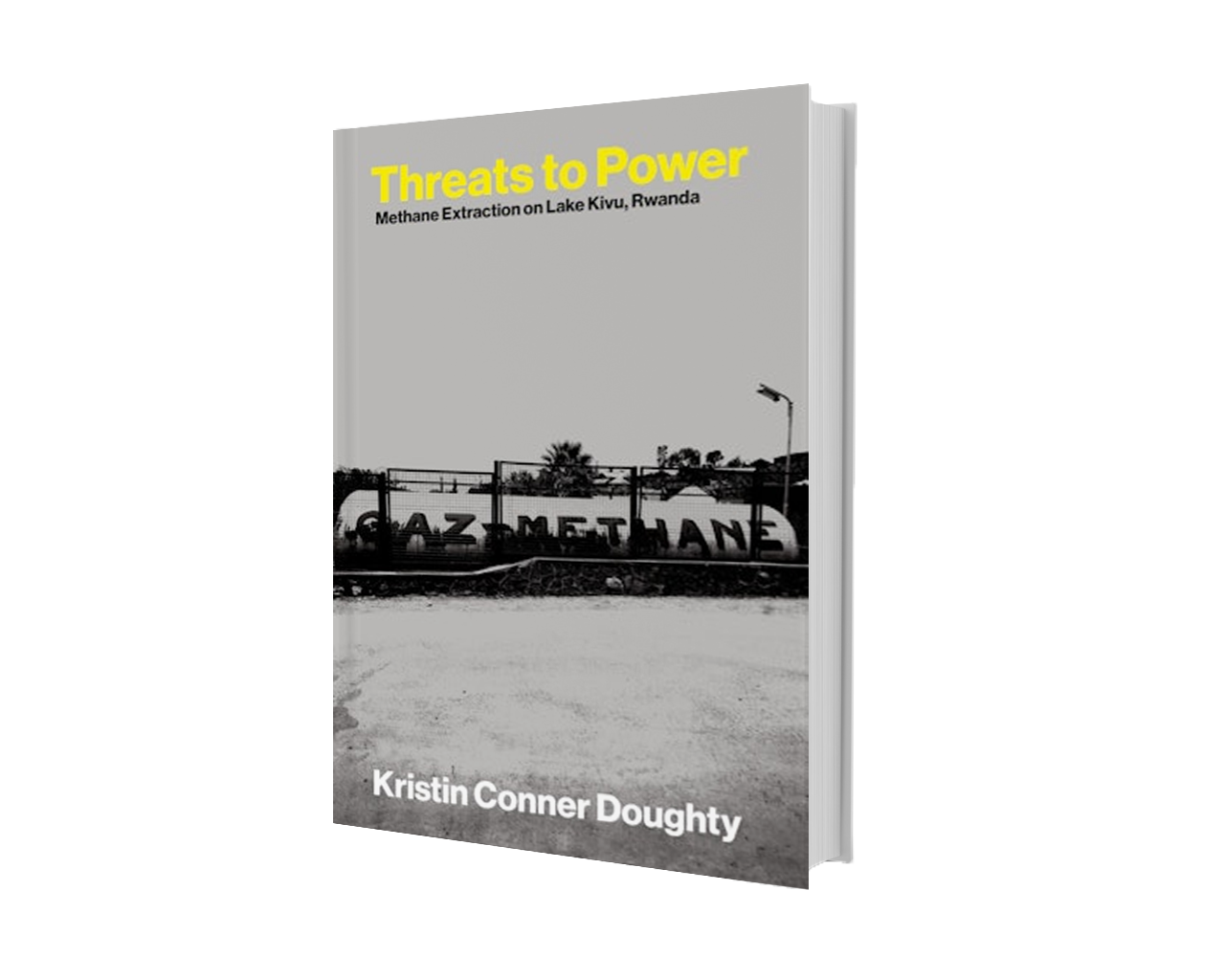
What she found complicated the story of technological progress considerably. Her new book, Threats to Power: Methane Extraction on Lake Kivu, Rwanda (MIT Press), examines how a project designed to protect people and improve their lives could also be used by an authoritarian government to justify surveillance, exclusion, and dispossession.

The book is also a deeply researched effort to show the KivuWatt story from the perspectives of those most affected by it—the hallmark of ambitious ethnographic research. Seeing beyond the headlines and the hype to tell a more nuanced truth demands a rigorous, deeply human process. Here’s what that looks like.
1. Know the context.

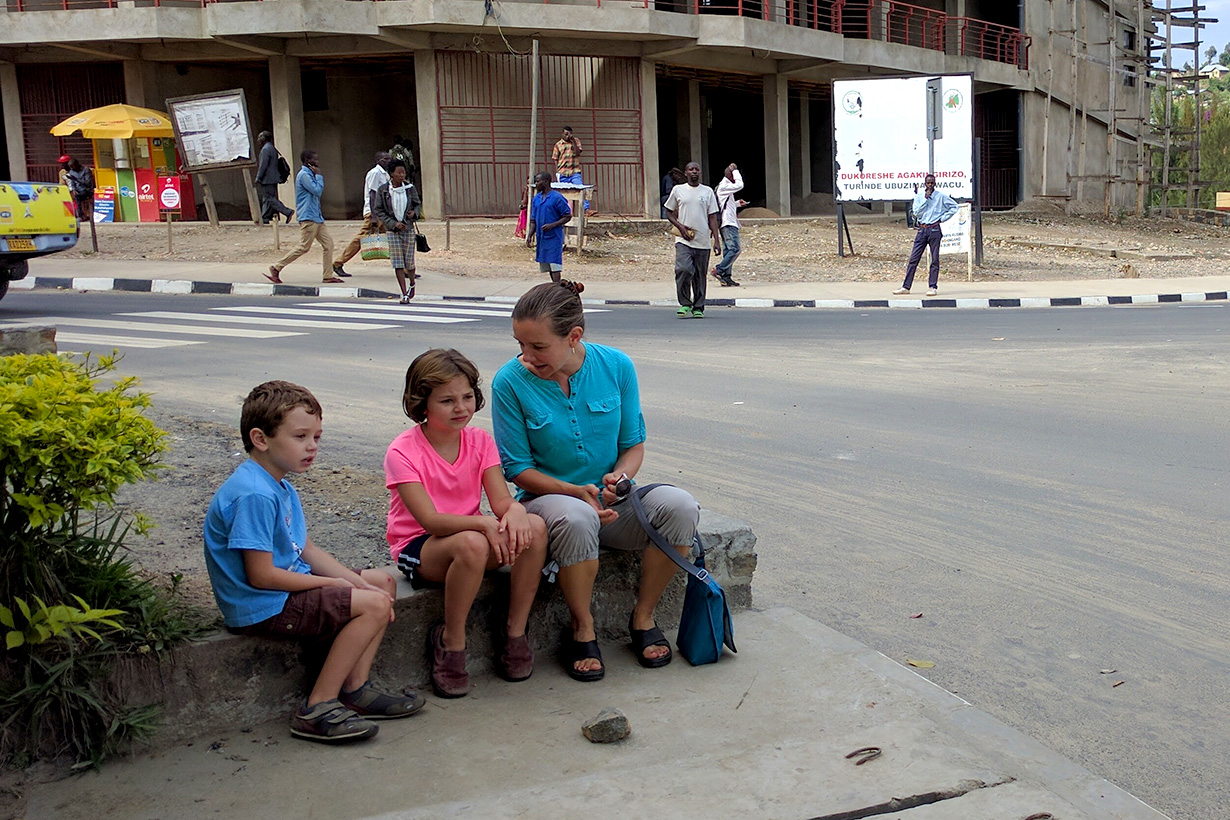
Doughty had been studying Rwanda in the context of post-genocide rebuilding since 2002, spending up to 15 months at a time there and talking to a wide range of locals. The country’s leaders had earned praise for drawing on local strengths and resources as Rwanda pursued justice, economic growth, and redevelopment. Doughty’s work studying the systems and culture gave her a framework for understanding KivuWatt not as an isolated engineering project but as part of a much larger story about the country’s sense of progress.

2. Bring a critical eye to unchecked boosterism.

The KivuWatt project was framed by leaders as an ingenious, homegrown solution that relied on the country’s natural resources to solve a pressing national challenge. But because Doughty had spent years studying how narratives of self-reliance operated in Rwanda, she knew to look closely at what those celebratory stories might obscure. In this case, she also saw a troubling undercurrent that Western media often gobbled up uncritically: “It was a narrative,” she says, “that [framed] Western techno-science as something that would ‘save Africa from itself.’”

3. Talk to everyone.

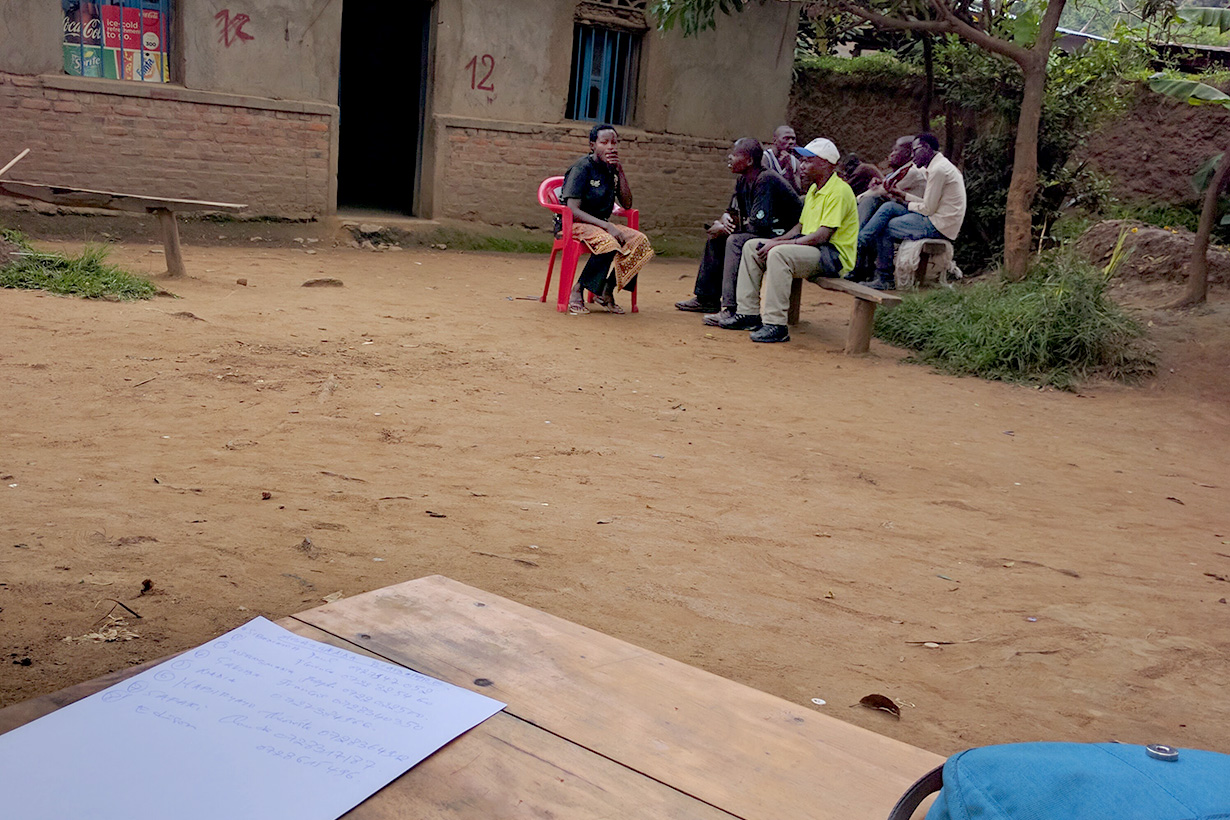
To understand the broad range of perspectives surrounding the project, Doughty talked to methane and lake scientists both locally and internationally, engineers working on the KivuWatt barge, corporate executives, government officials, and people living and working near Lake Kivu.

4. Document, document, document.

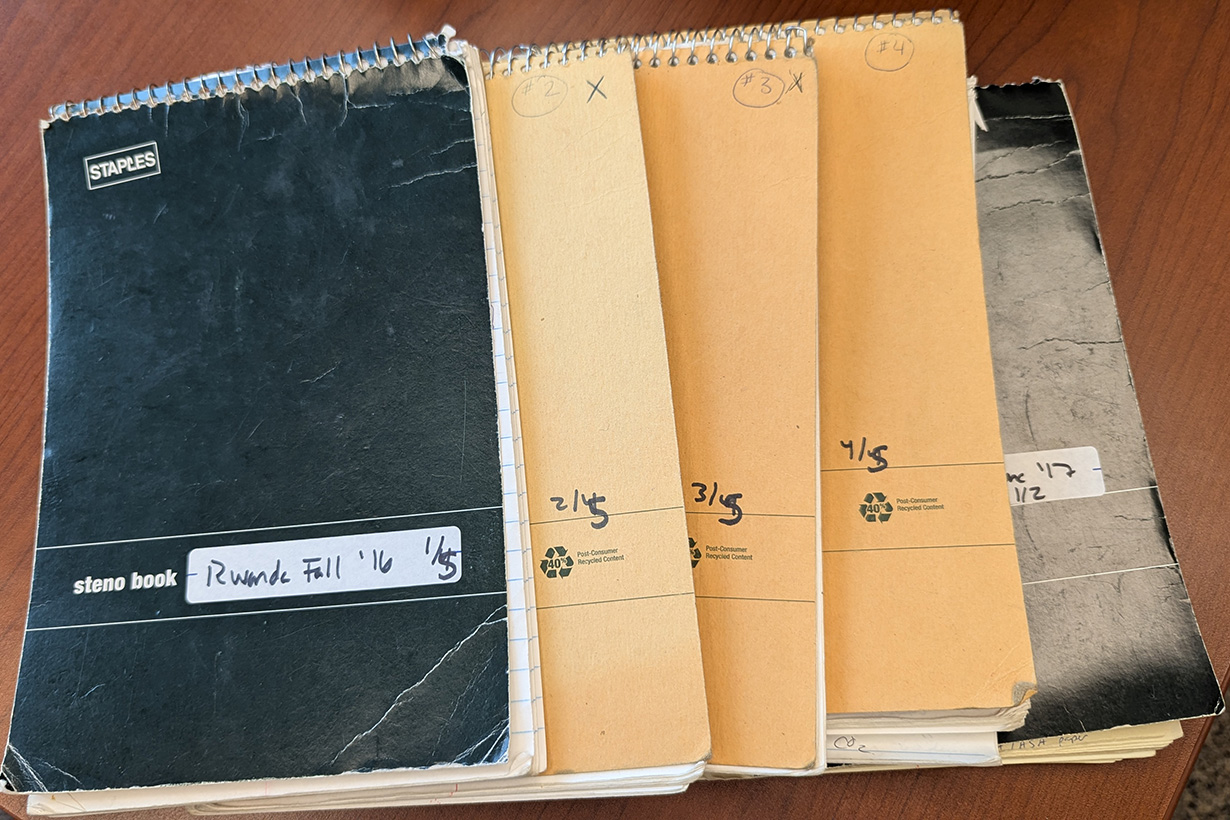
“I have everything in my notebooks typed up. But they’re sacred objects, in a certain way.”

5. Take the problems faced by everyday people seriously.

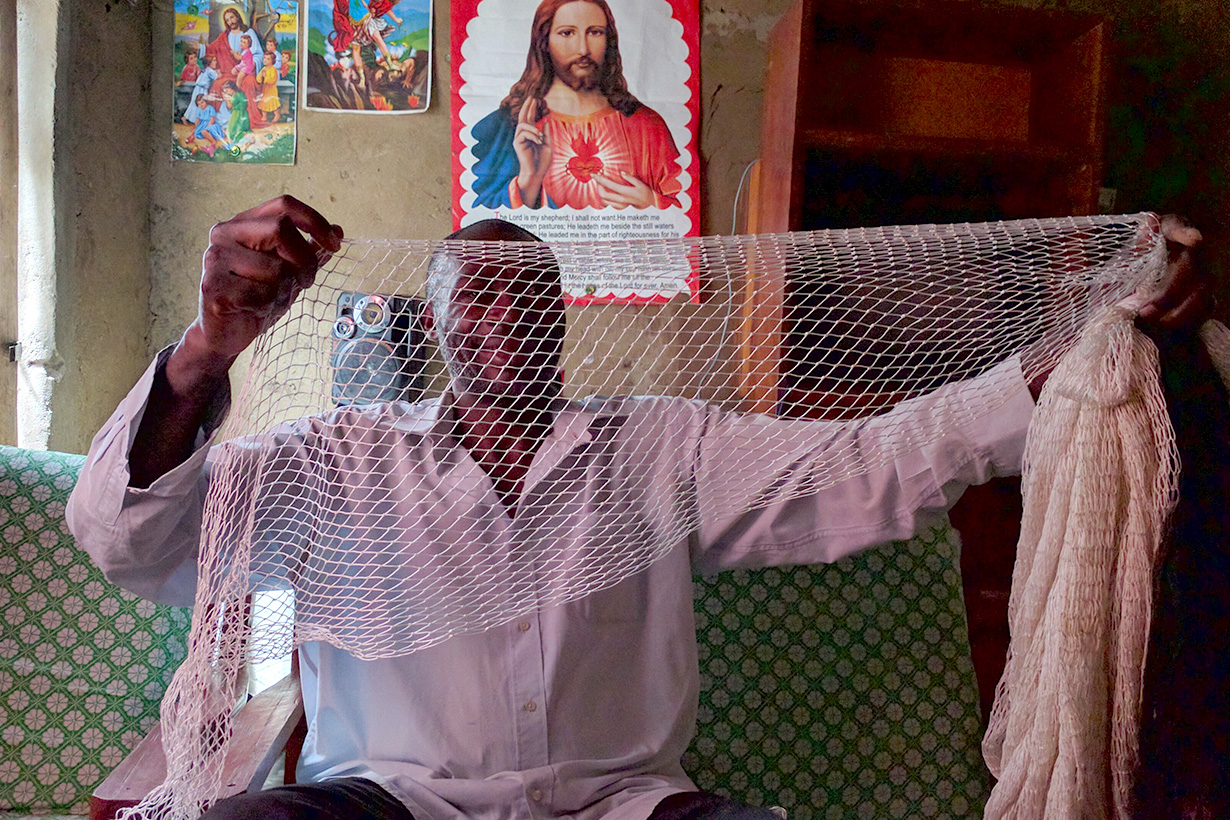
In her conversations, Doughty talked to local fishermen who were banned from their usual fishing spots when the methane infrastructure was installed. Some saw their daily hauls diminish by up to 95 percent. Families living along the lake were forced to move to clear space for machinery and power lines, sometimes waiting years for promised payments. Communities mourned the loss of recreational spaces, like soccer fields, that were seized by the government during the process of building the power plant. “The goal of my work—the goal of ethnographic work,” Doughty says, “is to understand a situation from the perspective of people involved in the situation.”

6. Make the most of every moment.

During her time in Rwanda, Doughty lived near Gisenyi, a town on the north shore of Lake Kivu.

“When I’m there,” she says of her four-week stretches in the country, “I just hold my breath and grind. It sounds hokey, but I genuinely feel most alive when I’m doing fieldwork because I’m learning so much all the time.”

Here’s what a typical day looked like.

6:00 a.m.
Wake up

“Most people get up at six, because that’s when the sun comes up. Then I would get my kids up and drop them off at school.”

7:30 a.m.
Walk into town

The mile-long walk was the first of many daily treks.

8:00–9:30 a.m.
Travel to sources near Lake Kivu

“We might try to catch a minibus, but they would often be full. So we might just walk an hour and a half to get where we were going.”

9:30 a.m.–4:00 p.m.
Interview three to five sources

Doughty took along a spiral notebook and a pen while walking and interviewing, jotting down what people said, observations about the setting, and bits of informal scene-setting, like conversations she might overhear on buses.

4:00–7:00 p.m.
Return home, make dinner, spend time with family

“We’re out all day without food or water, so by the afternoon, I’m always a little woozy,” she says. She and her family relied on basic staples for their everyday meals—rice, beans, and plenty of peanut butter and jelly sandwiches. Highlights included fresh produce like mangoes, pineapples, and bananas. “The carrots,” she says, “are the best I’ve ever eaten in my life.”

7:00–11:00 p.m.
Review and transcribe notes

“Every night as part of a dedicated process of field-note writing, I type up my notes while they’re still fresh in my mind. It’s important because I can’t read my handwriting more than three days after I write things down.” She keeps her typed notes in Word documents organized by month.

7. Recognize your privileges …

“For someone like me, with a US passport and white skin, Rwanda is extremely safe. I never fear for my physical safety.”

8. … but know your own and others’ vulnerabilities.

“The government would take my passport when I arrived and hold it until I left. And I know I’m being watched all the time. In my interviews, I follow people’s lead: I don’t want to put them in the spotlight if it’s going to get them in trouble. I know how to move with caution and humility. Is all of this ‘normal’? No. But it’s normal within authoritarianism.”

9. Bring a new lens to an old problem.

Doughty sees the Lake Kivu project as an example of what she calls “carceral repair,” in which those already in power use energy and infrastructure projects as a way to expand social control. First, those in power, including government and corporate partners, identified an existential risk: dangerous levels of methane trapped in a lake. Next, they built a technical fix: a cutting-edge gas-extraction barge. Finally, dubbing the barge and pipelines “critical national infrastructure,” the government sent armed soldiers to patrol the lake, established exclusion zones, and confiscated the boats and nets of fishermen who depended on the lake for their livelihood. In other words, the infrastructure developed to repair the lake ended up marginalizing those who were most dependent on it.

10. Let the story surprise you.

While Doughty may have been suspicious of the polished narrative from the outset, she had no reason to doubt the scientists’ assessments of Lake Kivu’s danger. But as the science evolved—more recent analysis has suggested that the risk is far less significant than initially assumed—it laid bare how much political and economic power had been built around an uncertain environmental risk.

11. Know the cost of truth.

Authoritarian governments like Rwanda’s are not known for their tolerance of critics. “I have a colleague who was literally escorted out of the country for her critiques of the government,” Doughty says. “Will my book go under the radar there? I don’t know. I would like to be able to go back, but I might give it a beat. My deep hope is to return, but I was also committed to making a certain argument. I have peers who have told me, ‘No, you’ve signed your own goodbye note with this text.’”

12. Teach and share everything you’ve learned.

Doughty has developed and reshaped two courses as a result of her research.

ANTH 200: Research Methods in Anthropology Using some of her own work as an example, Doughty teaches students how to write descriptive, observational field notes without overlaying their own assumptions. “I want them to avoid interpretation,” she says. “You might believe you see a couple at a coffee shop because two people are holding hands, but you may learn something later that makes you change that interpretation. Observe. But be open to being wrong.”

ANTH 243: Energy and Power Last year, students in the fieldwork-based course studied the development of a solar farm linked to New York’s clean-energy goals. They attended town meetings, talked to the mayor, and knocked on the doors of local residents who had signs in their yards supporting or opposing the solar farm to ask about their positions. “In some ways,” she says, “the dynamics in Rwanda—Who gets defined as a risk? How do disputes get resolved? How does science relate to community-level politics?—are present here.”

13. Stay focused on your north star.

The point of Doughty’s book is not to suggest that technological innovation should slow—only that we all grapple honestly with its costs. “I’m all for dreaming big,” she says. “But I also hope that people can sit with the perspectives of people living next to the lake and not just say, ‘Well, they’re ill-informed. They don’t understand that it’s “better for them.”’ I hope people understand the impact that [these technologies] have on real people.”

Extra Credit

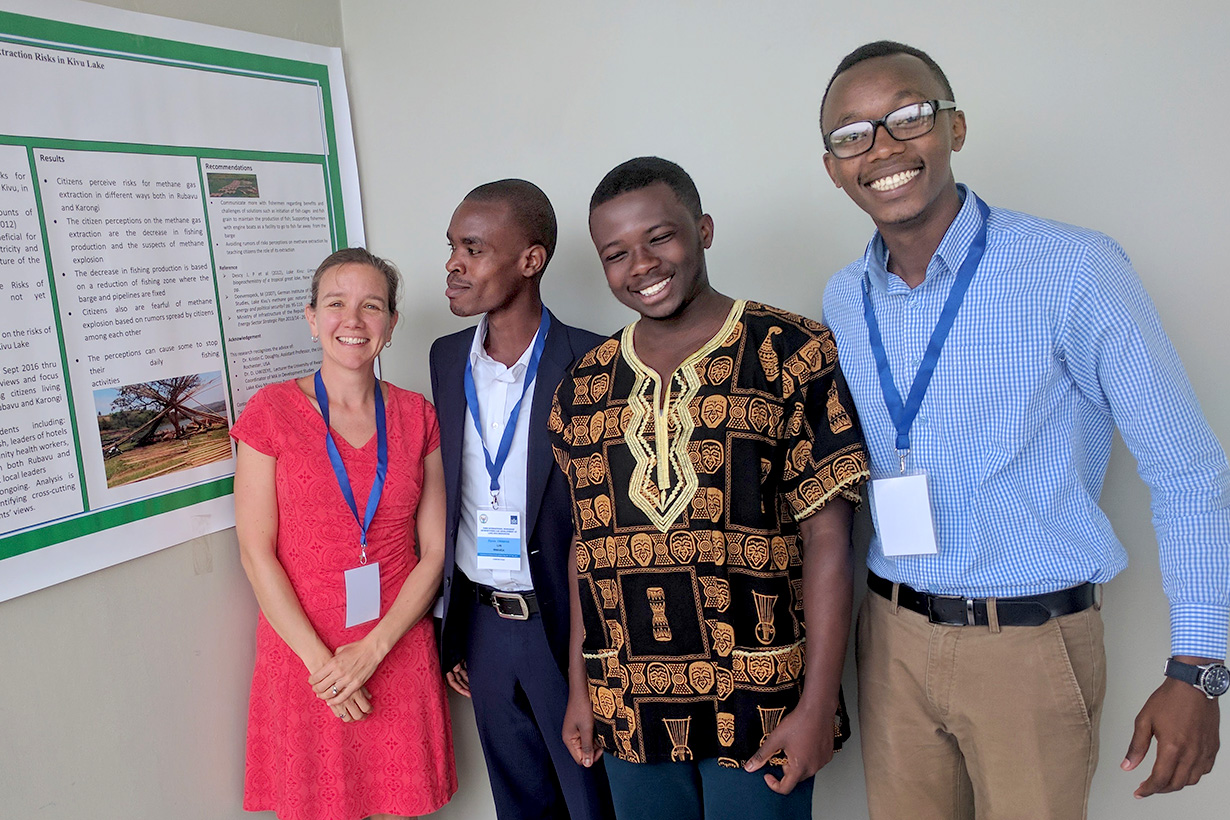
During her career, Doughty has been recognized with the Goergen Award for Excellence in Undergraduate Teaching, the W.E.B. DuBois Award for Educational Excellence by the University of Rochester Black Students’ Union, and Professor of the Year in the Social Sciences by the University of Rochester Students’ Association. In addition to serving as director of undergraduate studies for the Department of Anthropology, she is codirector of the University’s Rochester Education Justice Initiative.


This story appears in the fall 2026 issue of Rochester Review, the magazine of the University of Rochester.