


Hand-wringing about AI, Part III: “We’re Stuck in the Middle”
Back for Part III? Curious if I can land this plane? (ME TOO.) If you missed the earlier pieces, here's Part I, and here's Part ...
Hand-wringing about AI, Part II: “Write Me an Ad Campaign”
You might want to read "Part I" before going any further, but if you just want a recap, that post is essentially about how AI could ...
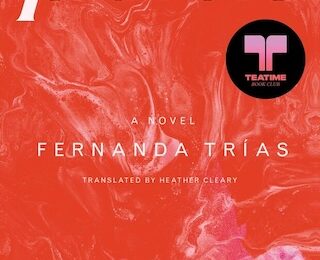
“Pink Slime” by Fernanda Trías & Heather Cleary [NBA 2024]
When the National Book Award for Translated Literature longlist was announced the other week, I realized that I hadn't read any of ...
Hand-wringing about AI, Part I: “I Want to Read it All”
Many many moons ago, in a dark bar on a wintry Rochester night, I sketched out a series of eight posts/topics that would roughly correspond with my plan of reading all of In Search of Lost Time (in the semi-recent Penguin set with each of the seven volumes translated by a different translator), and ...
>

TMR 23.9: “My Maps Are Out of Date” [Lanark]
It all gets wrapped up with a "Catastrophe,." "Explanation," an "End," and a "Tailpiece." Chad, Brian, and Kaija discuss global capitalism, the fight for love and the be human, AI, the Bardo, and much more on this final episode of Season 23. Listen to the end for an announcement about changes to the ...
>
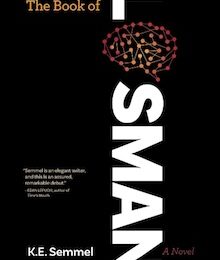
Three Percent #193: K.E. Semmel, “Book of Losman”
On this week's podcast, K.E. Semmel—translator from the Danish and author of Book of Losman—discusses his debut novel, life as a translator, articles he wrote on Tourette's Syndrome and Author-Transaltors, how he tried to promote his book with Justin Murphy (Your Children Are Very Greatly in Danger) ...
>
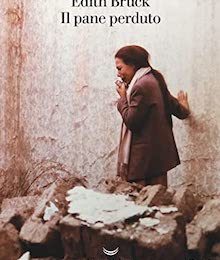
Edith Bruck: Recounting the Holocaust Until She Can’t
Il Pane Perduto by Edith Bruck (La Nave di Teseo, 2021) Review by Jeanne Bonner When Edith Bruck was 12 years old, she was deported to Auschwitz, and was immediately separated from her mother in a brutal scene. In her new memoir, Bruck writes that later, after being yanked away, another prisoner ...
>
The Visual Success of Women in Translation Month [Translation Database]
Women in Translation Month is EVERYWHERE. Whenever I open Twitter (or X?), my feed is wall-to-wall WIT Month. Tweets with pictures of books to read for WIT Month, links to articles about WIT Month and various sub-genre lists of books to read during WIT Month, general celebratory tweets in praise of ...
>
Best Translated Book Award 2021
Over the past year, we (mostly me and Patrick Smith) have been discussing ways to tweak the Best Translated Book Awards to continue to serve the international literature community in a way that can supplement the other major translation awards out there. When the pandemic hit and the world went on ...
>