
The Grad School Hustle: Permission to Pause
Hey there. If you're reading this, chances are you're in the thick of grad school. You know that feeling, right? That constant internal hum of "I should be working on something." It's as if there's always another paper to write, one more reading to finish, or a crucial lab experiment to run.
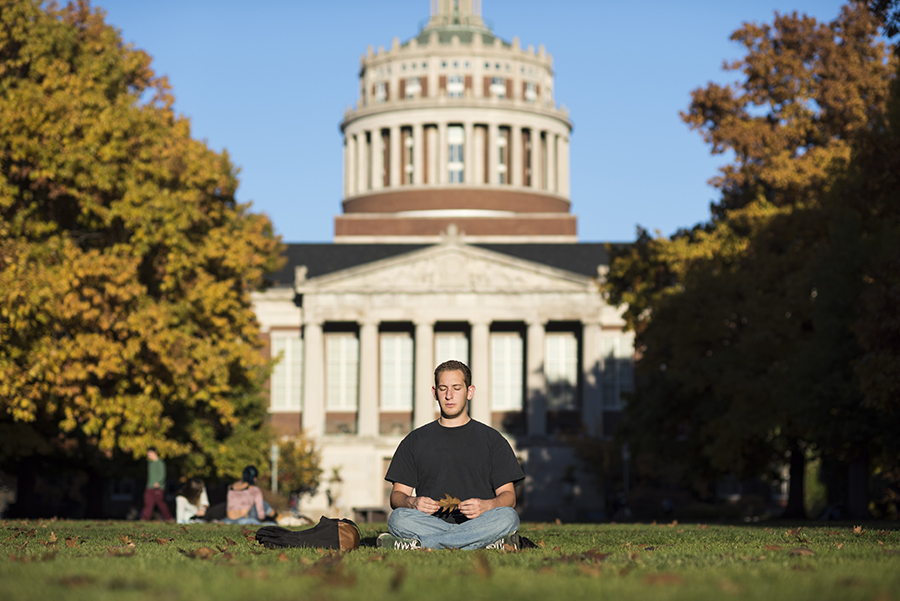
I get it. The pressure is on. You're surrounded by smart, driven people, and the urge to keep up—to excel—is strong. It's easy to fall into the trap of thinking that the only way to succeed is to dedicate every waking moment to being “productive.” You might even feel guilty taking time for yourself, believing you're falling behind if you're not constantly working. But let's be honest: how sustainable is that approach?
Think about it. When you're constantly pushing yourself without a break, what happens? You likely start to feel drained, perhaps even a little resentful towards the work itself. The research questions or topics that once excited you might begin to feel like heavy burdens. That's your brain signaling it needs a breather. It's not a sign of weakness; it's a fundamental aspect of how we function. We need those moments to step away, recharge, and simply be.
And here's what might surprise you: making intentional time for the things you genuinely enjoy can actually make you a better grad student. When you take a break to go for a run, paint, play music, or simply hang out with friends, you're not wasting time. You're giving your brain a chance to reset and process information differently. Often, when you return to your work, you do so with fresh perspectives, improved focus, and renewed energy. It's like hitting the mental reset button.
These restorative moments don't have to be big, elaborate plans. It can be as simple as setting aside 20 minutes to read a book that has nothing to do with your field, calling a friend who always makes you laugh, taking a short walk outside, or even just listening to a favorite song without distractions. The key is to be intentional about it. Consider what truly helps you relax and recharge, and then actively try to incorporate those moments into your week, even when it feels like you barely have a spare minute. Trust me, those small moments can make a huge difference in your well-being and your academic performance.