
Beyond the Lab: The Experiences Shaping Me as a PhD Student
How teaching, research, mentorship, and leadership are shaping my graduate journey
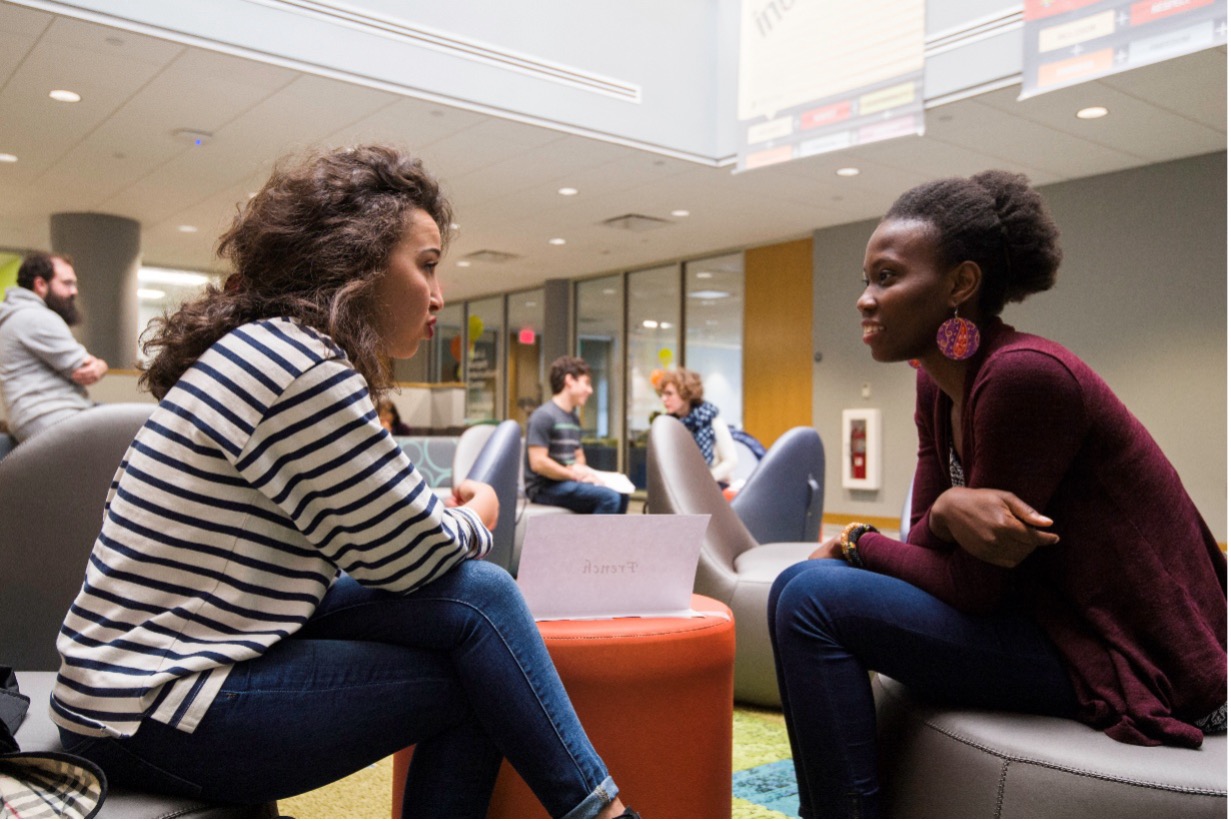
I thought I understood it until I had to teach it.
There is a difference between understanding a concept well enough to solve a problem and understanding it well enough to explain it to someone encountering it for the first time. While serving as a teaching assistant at the University of Rochester, I saw that difference again and again. A student could ask "Why?" at a step that had become almost automatic to me, and suddenly I had to slow down, examine my assumptions, and find a clearer way to explain the idea.
Those moments changed the way I thought about teaching, but they also changed the way I understood graduate school. When I began my PhD, I expected most of my growth to come through coursework and research: asking questions, running experiments, analyzing results, presenting findings, and eventually completing my dissertation. Those milestones remain central to my journey, but the experiences around my research are shaping me just as much.
Teaching changed the way I communicate
Teaching has challenged me to make difficult ideas understandable. When one explanation does not work, I have to break the concept into smaller pieces, return to a basic principle, or try a different example. I have learned that being technically correct is only part of communicating well; the real test is whether the person listening can follow the idea.
I also participated in the Introduction to College Teaching program offered by the University of Rochester Teaching Center. It encouraged me to think more deliberately about how students learn, how inclusive classrooms are built, and how thoughtful course design can support students with different backgrounds and needs. Combined with my experience as a teaching assistant, the program gave me practical ways to reflect on the kind of educator I want to become.
I now carry those lessons into my research. The result is only useful if I can explain what I did, why I did it, and why it matters to advisors, collaborators, conference audiences, reviewers, and people outside my field. Teaching has made me pay closer attention to the person receiving the information: What do they already know? What context do they need? Am I giving them details before establishing the main idea?
Research and conferences widened my perspective
Research has taught me how to work through uncertainty. There is rarely a perfect roadmap, and even a carefully planned experiment can produce an unexpected result. Troubleshooting, asking better questions, receiving feedback, and trying again have strengthened both my technical skills and my resilience.
Conferences have taken that learning beyond my own laboratory. Presenting my work matters, but I have come to value what happens around the presentation just as much. Listening to other researchers helps me see how my work fits into a broader field. Questions from an audience can reveal assumptions I overlooked, while an informal conversation afterward can introduce an idea I had not considered.
I have also learned that networking does not have to mean collecting as many contacts as possible. It can begin with one genuine conversation: asking someone about their research, discussing an idea after a presentation, or following up with a person whose work caught my attention. These exchanges remind me that research does not move forward in isolation.
Mentorship and leadership strengthened my sense of community
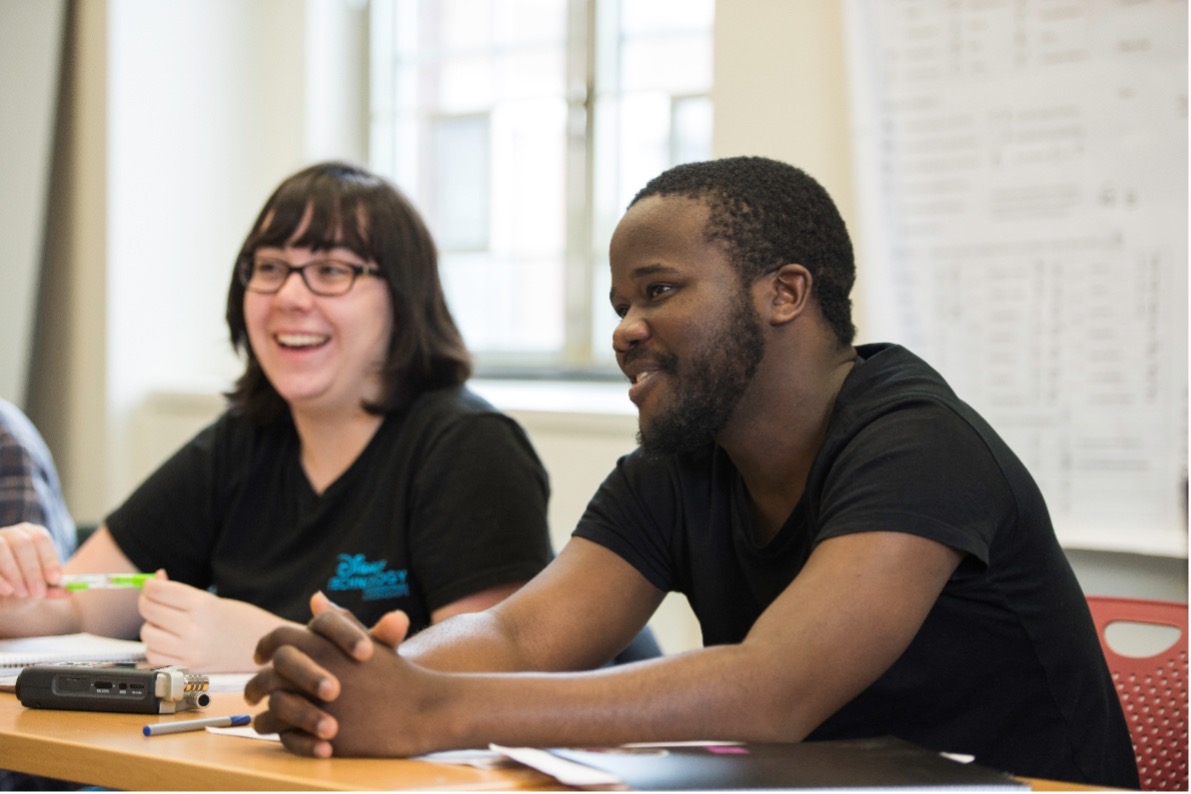
Some of my most valuable growth has happened outside my immediate research responsibilities. Serving as a Graduate Ambassador and supporting other students have changed how I think about mentorship and leadership. I once associated leadership mainly with being the person in charge. Now I see that it can be quieter: welcoming someone, listening carefully, sharing useful information, offering encouragement and pointing a student toward a resource that may make their path easier.
These experiences have strengthened my empathy and helped me connect with students from different academic and cultural backgrounds. They have also reminded me that graduate school is a community. Although each of us may have an individual research project, none of us develops alone. Advisors, colleagues, students, mentors, friends, and staff all contribute to the researchers and professionals we become.
Professional development became part of the journey
For a long time, it was easy to treat professional development as something to think about later, perhaps when graduation felt closer. Research can fill every available hour, so workshops, career conversations, and events outside the department can seem optional. I am learning that these experiences are not separate from graduate education. They help me understand my strengths, notice the skills I still want to build, and prepare more intentionally for what comes next.
Enrolling in Rochester's Grad Accelerator Professional Development Program has given that process more structure. The program brings workshops, trainings, consultations, and events together in one place, while allowing graduate students to choose opportunities that fit their goals and schedules. What appeals to me most is the emphasis on reflection. It is not simply about attending events; it is also about recognizing what I am learning and keeping track of how those experiences contribute to my growth.
I have also attended webinars organized by the Greene Center for Career Education and Connections. Making time for those sessions has helped me step back from the immediate demands of research and think more broadly about career possibilities and the skills I am developing through my PhD. The webinars have been a useful reminder that preparing for a career does not begin with a job application. It begins much earlier, through curiosity, reflection, conversations, and a willingness to explore.
I am also learning that professional development does not require doing everything at once. A better question is, "What is one area I want to strengthen right now?" If I want to communicate more clearly, I can look for another opportunity to present my work. If I want to explore career options, I can attend a webinar or have a career conversation. If I want to grow as a mentor or leader, I can find a meaningful way to support another student. One intentional step is enough to begin.
I am still becoming
Perhaps the most important lesson graduate school is teaching me is that I am still becoming. I am still asking questions, making mistakes, receiving feedback, working through research challenges, and discovering the kind of researcher, educator, mentor, and professional I want to be.
My dissertation will represent an important part of my graduate education, but it will not tell the whole story. My development is also happening when a student's question makes me reconsider an idea, when I explain my research to an audience, when I learn from a conversation at a conference, when I attend a career webinar, and when I help another student find their way.
If I could offer one piece of advice to another graduate student, it would be this: do not become so focused on completing your degree that you miss the opportunities your graduate experience is giving you to grow beyond it. Sometimes an experience that takes you away from your research for an hour may be developing the very skill that makes you a better researcher.
I once thought teaching was mainly about helping someone else learn. Looking back, I realize my students were teaching me too. As I continue my PhD journey, I am discovering that some of the experiences shaping me most are the ones happening beyond the lab.