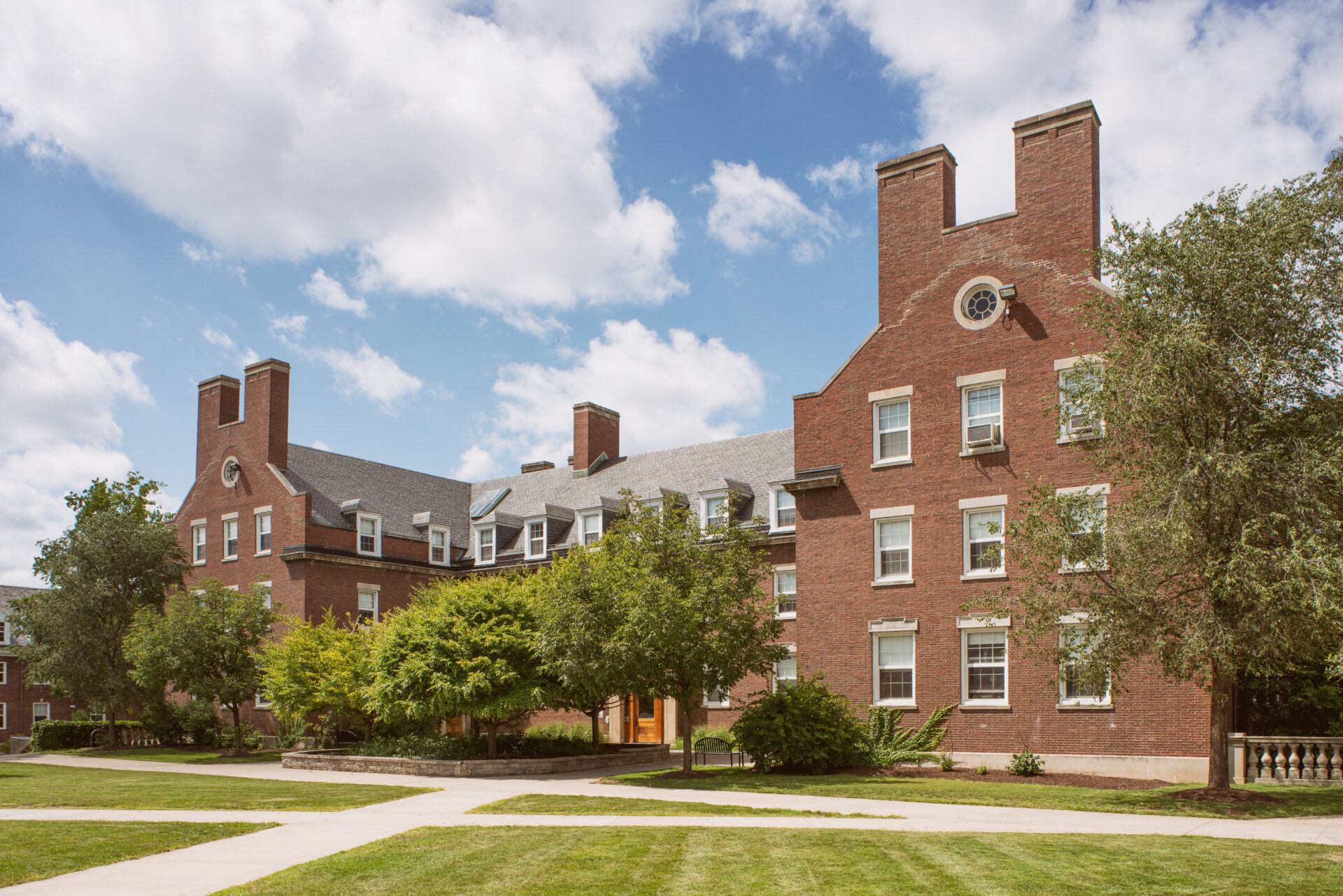
Living Environment
Residential buildings, dining halls, and recreation and athletic spaces that foster belonging, movement, sleep, and connection.

The well-being of a student does not exist in isolation. There is an undeniable link between campus environments and the students who live in them. The spaces where a student sleeps, eats, learns, and connects all influence their capacity to flourish. Therefore, we must consider how we can create campus environments that support students, rather than ones which create barriers to and hinder their well-being.
An ongoing and systematic assessment of the campus viewed through the lens of health promotion is an important component of creating supportive environments. Health Promotion focuses on six primary environments, assessing ways in which we have the capacity to infuse well-being into them via our programs, services, partnerships, and environmental change.
Living Environment
Residential buildings, dining halls, and recreation and athletic spaces that foster belonging, movement, sleep, and connection.
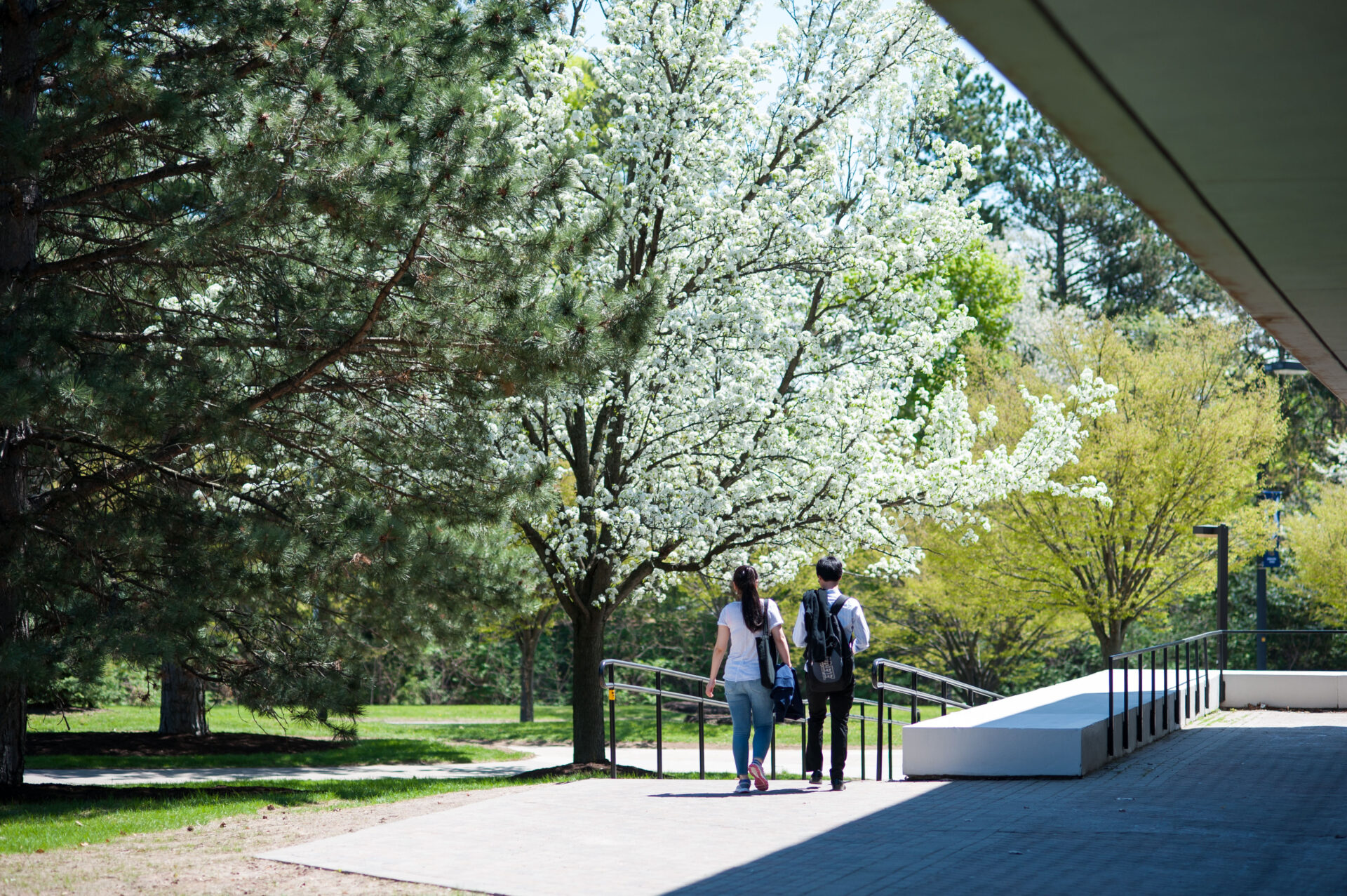
Natural Environment
Outdoor spaces &opportunities to connect with nature.

Learning Environment
Classrooms, libraries, and academic spaces that support learning, accessibility, mental health, and student success. This also includes supporting faculty and staff well-being and equipping them with the knowledge and tools to create supportive learning spaces that foster student well-being and academic success.

Economic Environment
Ensuring students have access to affordable health care services, connections to support for basic needs, & promoting and supporting the food pantry.

Cultural Environment
Creating welcoming, inclusive, and trauma-informed environments that celebrate diversity, foster belonging, and ensure all students feel respected across University Student Life.
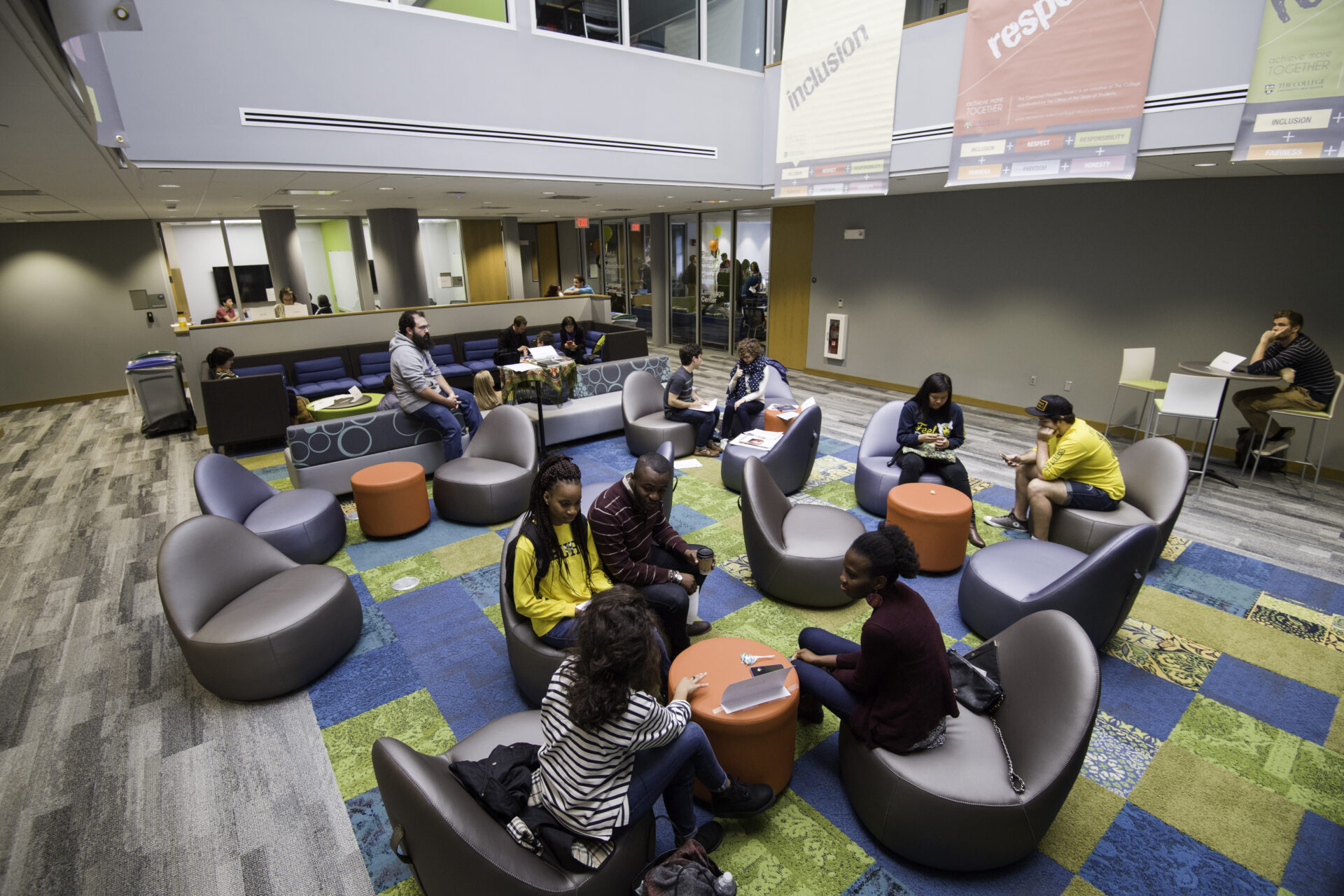
Social Environment
Spaces where students can connect, build meaningful relationships, access restorative spaces such as pop-up sensory spaces, and have their voices heard in shaping a more supportive campus environment.